Ammonia Sensors

The Impact of Ammonia on Poultry Production

It is well-proven that air polution due to high ammonia levels in broiler production results in a higher FCR, lower gain, and poorer animal welfare. Birds being exposed to high levels of ammonia can suffer from respiratory diseases, ammonia blindness, infections with Newcastle, the bronchitis virus and parasites, burned skin and feed, nutritional stress, suffocation, and even death. These sufferings will of course decrease production and increase breeding costs.

Why Continuous Ammonia Monitoring Matters

Early action benefits the productivity of the broilers as well as animal welfare. Thus, constantly monitoring the level of ammonia is essential for the poultry production. Furthermore, monitoring the level of humidity is also important, since a too high level of humidity in the livestock house can cause formation of ammonia.

There are different ways to minimize the level of ammonia in a poultry production. One is ensuring a good quality of litter, air flow and ventilation in the house, a low level of humidity, and keeping the temperature down. Minimizing the level of ammonia have a major impact on the financial yield of the production. In fact, studies* have shown that ammonia concentrations as low as 25 ppm can reduce bird weights at 28 days of age by 2-7% while 50 ppm ammonia has been shown to reduce bird weights from 16-19%. An increased ammonia concentration can cut profits by $3,000 or more per batch in a livestock house with 25,000 broilers.

With dol-sensors’ ammonia sensors you can continuously monitor ammonia levels with great accuracy. Combined with a farm controller, the ammonia sensors can help ensuring automation of the ventilation system.

*Source: “Ammonia in the Atmosphere during Brooding Affects Performance of Broiler Chickens”, F. N. REECE, B. D. LOTT, and J. W. DEATON and “Poultry Housing Tips”, Volume 32, No. 1, University of Georgia

Ammonia Sensors for Healthier Livestock
Discover how ammonia sensors help reduce the impact of NH₃ on animal health, improve ventilation control, and support better welfare and production results.

Two different ammonia sensors

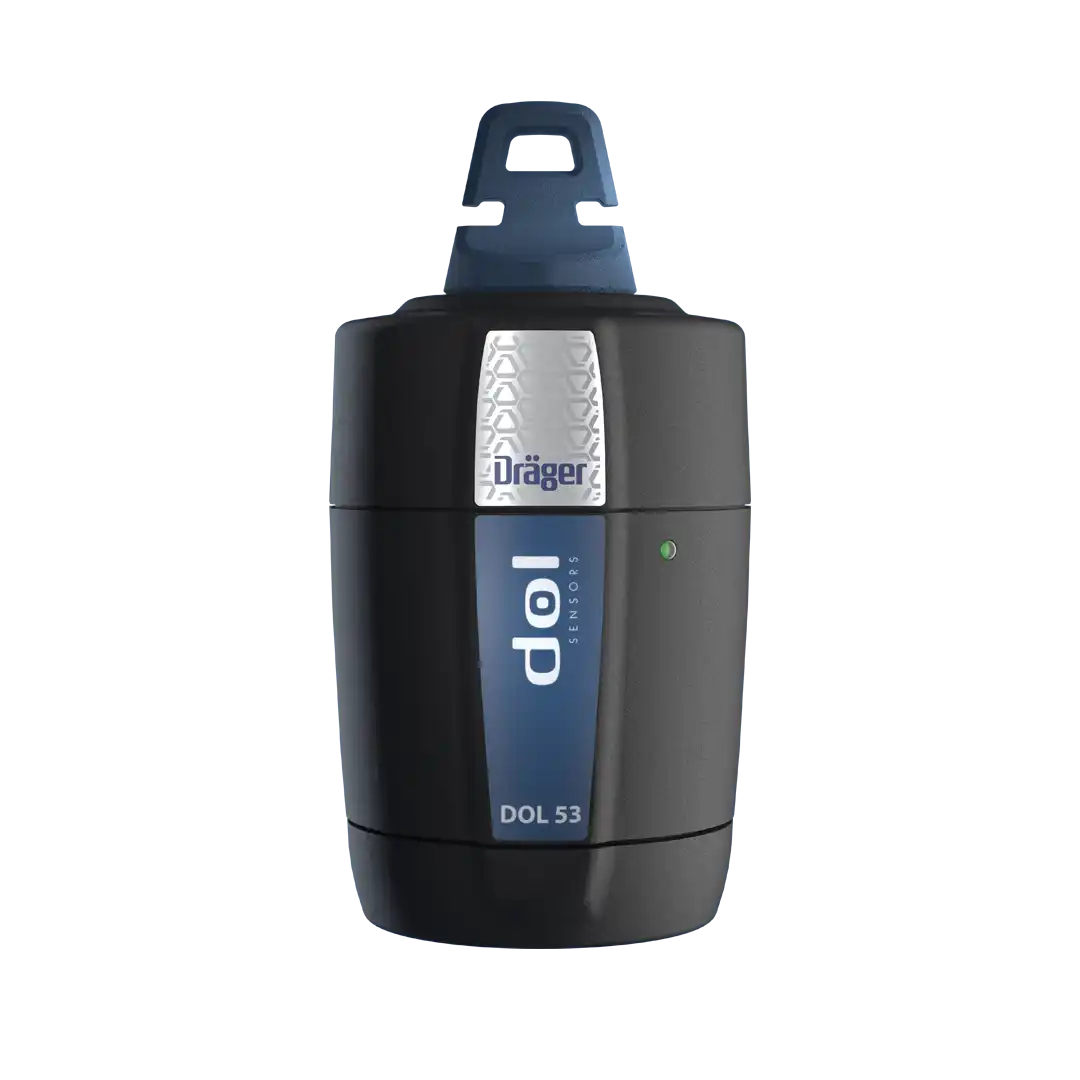
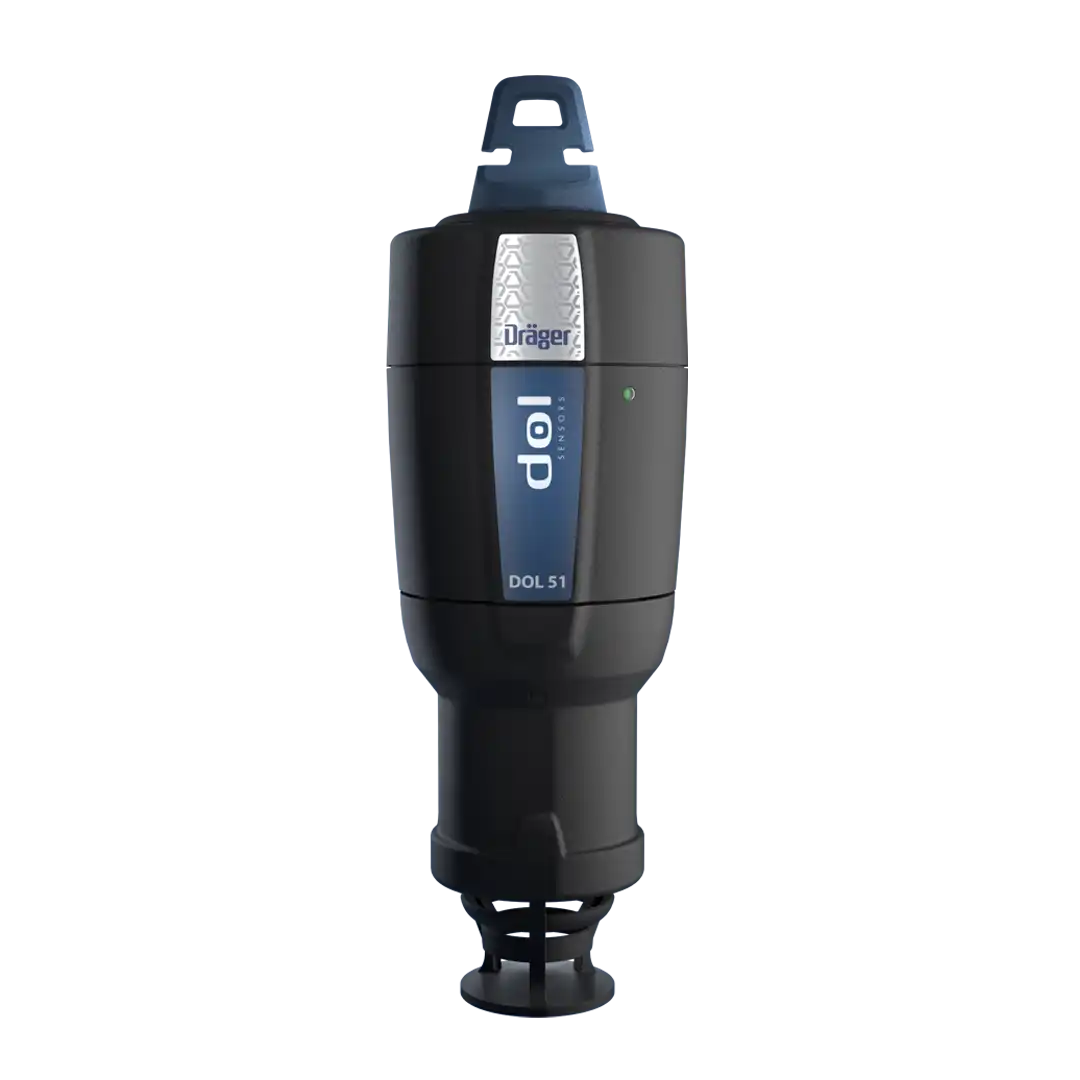
dol-sensors have two different ammonia sensors:

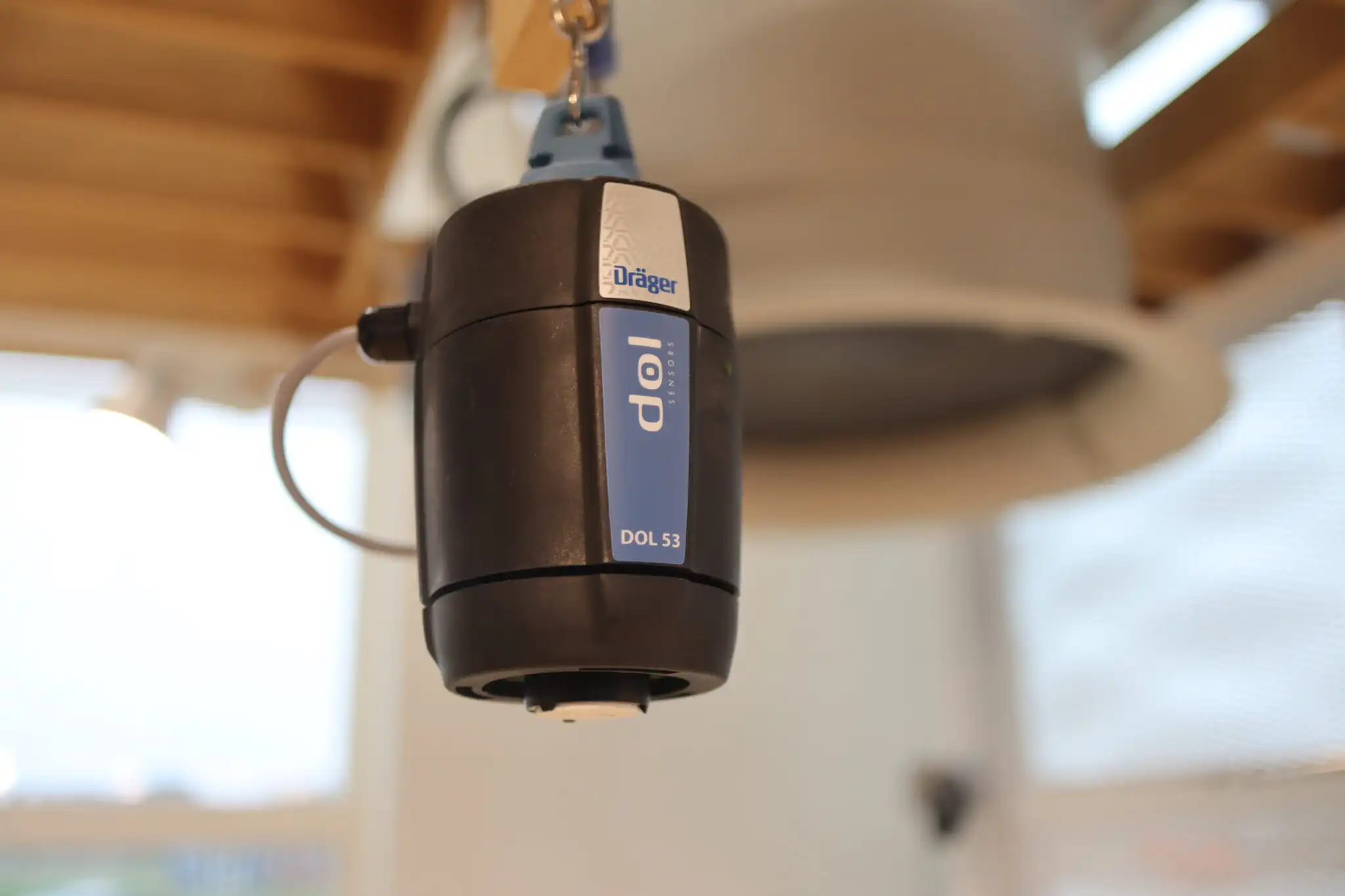
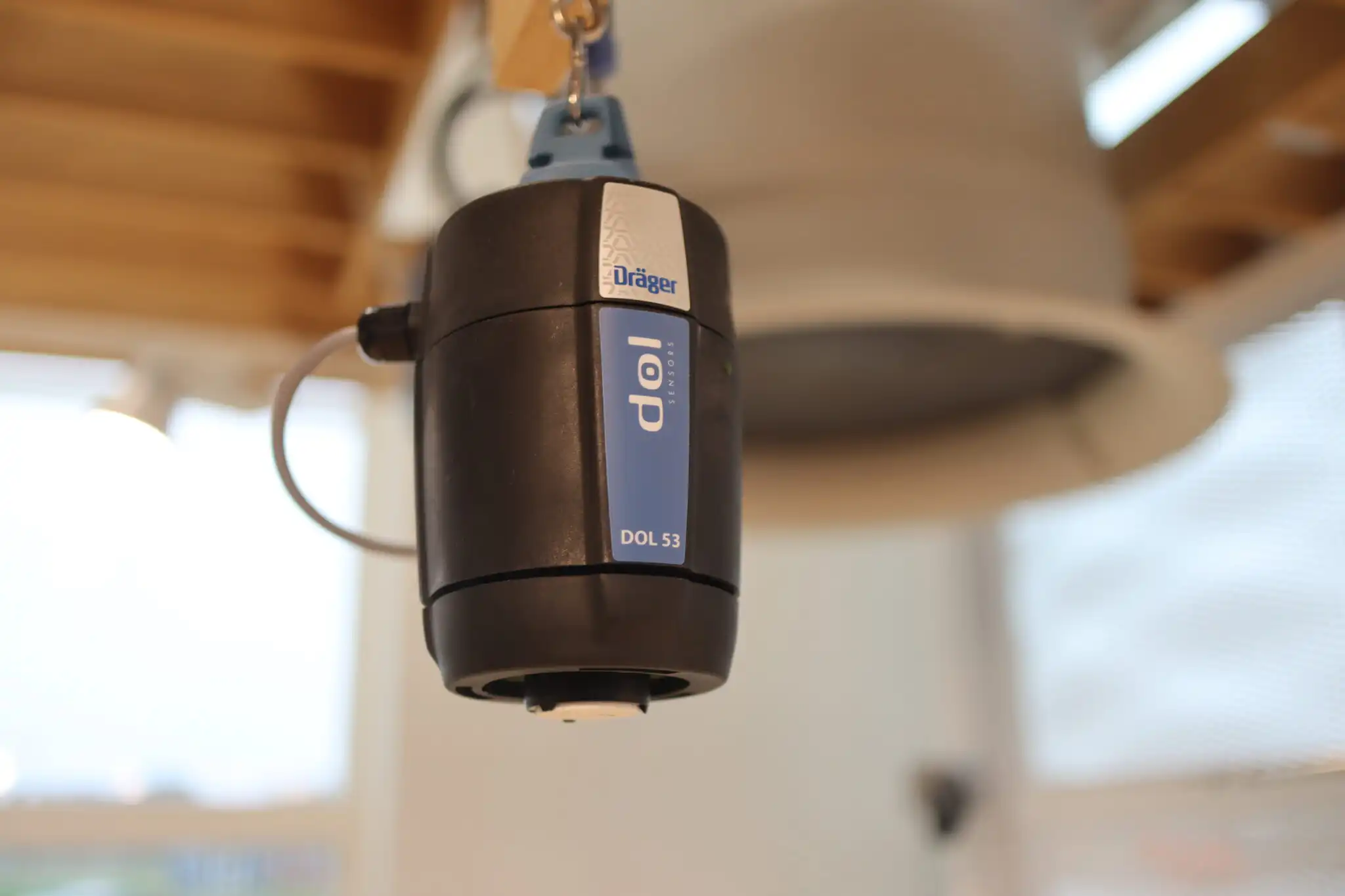
Both ammonia sensors are specially designed for the harsh environment in livestock houses and last a lifetime. The sensors require no calibration during service life and low maintenance. DOL 51 and DOL 53 Ammonia Sensors integrates easily into existing houses and climate control systems and are easy to install.

The service life of DOL 53 ammonia sensor is 36 months. The end of service life is printed on the green label on the sensor element (replace by date). To achieve the full 36 months of service life, the sensor element must be installed on or before the expiry date, which is indicated on the metal can, that the sensor is delivered in.

The sensor has a replacable sensor head and dust filter which enhances its durability. No need to buy and install a whole new sensor.

Ammonia Sensor for Pig Production
Learn how continuous monitoring helps producers identify developing production challenges through changes in water consumption, growth performance and other key production indicators.

Ammonia (NH₃) is one of the most significant environmental and welfare challenges in modern pig production. While it is a natural by-product of livestock systems, excessive ammonia emissions can negatively affect animal health, worker safety, and the surrounding environment. Understanding how ammonia is produced — and how it can be managed — is essential for sustainable, efficient pig farming.

What Is Ammonia and How Is It Produced?

In pig production, ammonia is primarily formed when urea and uric acid in manure and urine are broken down by bacteria. The enzyme urease, naturally present in feces, catalyzes this conversion, releasing ammonia gas into the air.

Key factors influencing ammonia formation include:

  • Temperature: Higher temperatures accelerate bacterial activity and volatilization.
  • pH: Ammonia release increases when manure pH is above 7.5.
  • Ventilation: Inadequate ventilation allows ammonia to accumulate in barns.
  • Manure management: Frequent removal and cooling of manure reduce emissions.

Learn more about the benefits of automated climate and ventilation in pig production.

Impacts of Ammonia in Pig Housing

1. Animal Health and Welfare

High concentrations of ammonia irritate the pigs’ respiratory tract, leading to:

  • Reduced lung function and increased susceptibility to respiratory diseases.
  • Lower feed intake and growth rates.
  • Increased stress and reduced overall welfare.

Concentrations above 20 ppm are considered harmful to pigs, and levels above 10 ppm are generally discouraged in modern facilities.

2. Worker Health

Ammonia exposure can cause eye and throat irritation, headaches, and long-term respiratory problems in farm workers. Maintaining clean air is therefore not only an animal welfare priority but also a matter of occupational safety.

3. Environmental Impact

Once emitted into the atmosphere, ammonia contributes to acid rain among other things. This has downstream effects on soil, water quality, and climate. The pig industry and other industries are under increasing regulatory pressure to reduce ammonia emissions as part of broader sustainability goals.

4. Production Performance and Efficiency

Ammonia doesn’t just affect welfare — it has a direct impact on productivity. Chronic exposure to elevated ammonia levels has been shown to:

  • Reduce average daily gain (ADG) and feed conversion efficiency (FCR).
  • Delay the time to reach market weight, increasing feed costs per kilogram of gain.
  • Lead to uneven growth within groups, complicating management and marketing.

Studies indicate that pigs exposed to ammonia concentrations above 25–30 ppm may experience growth rate reductions of 5–10%, depending on duration and housing conditions. Maintaining low ammonia levels therefore supports both animal health and economic performance.

Ammonia Measurement Sensors
Learn how continuous monitoring helps producers identify developing production challenges through changes in water consumption, growth performance and other key production indicators.

Ammonia (NH3) sensors

Ammonia is a colorless, pungent gas that is widely used in many industrial applications and found in agricultural production. It is a critical component in the manufacture of fertilizers, plastics, and explosives, among other things. However, ammonia can be hazardous to human and animal health and the environment when it is released into the atmosphere. As such, the need for accurate and reliable ammonia measurement sensors has become increasingly important in recent years.

Types of Ammonia Measurement Sensors

There are several types of ammonia measurement sensors available in the market, and each one operates on a different principle. Some of the most common ammonia measurement sensors include:

  1. Electrochemical sensors
  2. Metal-oxide sensors
  3. Photoionization detectors
  4. Infrared sensors
  5. Catalytic sensors

Electrochemical Ammonia Sensors

Electrochemical sensors are among the most widely used ammonia measurement sensors. These sensors operate by measuring the current produced when ammonia reacts with a sensing electrode. The magnitude of the current is proportional to the concentration of ammonia in the air. The sensor’s sensitivity can be adjusted by changing the composition of the sensing electrode, and the measurement range can be customized to meet specific application requirements.

Metal-Oxide Sensors

Metal-oxide sensors operate by detecting changes in the electrical conductivity of a metal oxide film when it comes into contact with ammonia. The metal oxide film is typically made of tin oxide, and the sensor’s sensitivity can be adjusted by varying the thickness of the film or the operating temperature. Metal-oxide sensors are highly sensitive and can detect ammonia at concentrations as low as a few parts per billion.

Compare Data From Multiple Farms
Learn how continuous monitoring helps producers identify developing production challenges through changes in water consumption, growth performance and other key production indicators.

Optimizing Poultry Farm Performance through Data-Driven Insights

In the era of precision agriculture, data has become a cornerstone in managing poultry farms efficiently. With advanced sensors and farm controllers, today’s poultry experts can gather a wealth of information, offering unprecedented insights into daily operations.

Data Collection

Key to any data-driven approach is the collection of relevant data. In poultry farming, this includes environmental parameters like temperature, humidity, ammonia level, CO2 level, feed and water consumption, bird weight, and health indicators. Modern farms employ an array of sensors connected to farm controllers, ensuring real-time data acquisition. This data forms the basis of all subsequent analysis and decision-making processes.

Selected Sensors

Documents

English
Leaflet
DOL 53 Ammonia Sensor_Onepager
English
Leaflet
DOL 51 Ammonia Sensor for Air Cleaning_Onepager

Join our newsletter

Stay ahead in livestock production.

Join our newsletter and get industry insights, expert perspectives, and practical strategies for optimizing performance and efficiency.