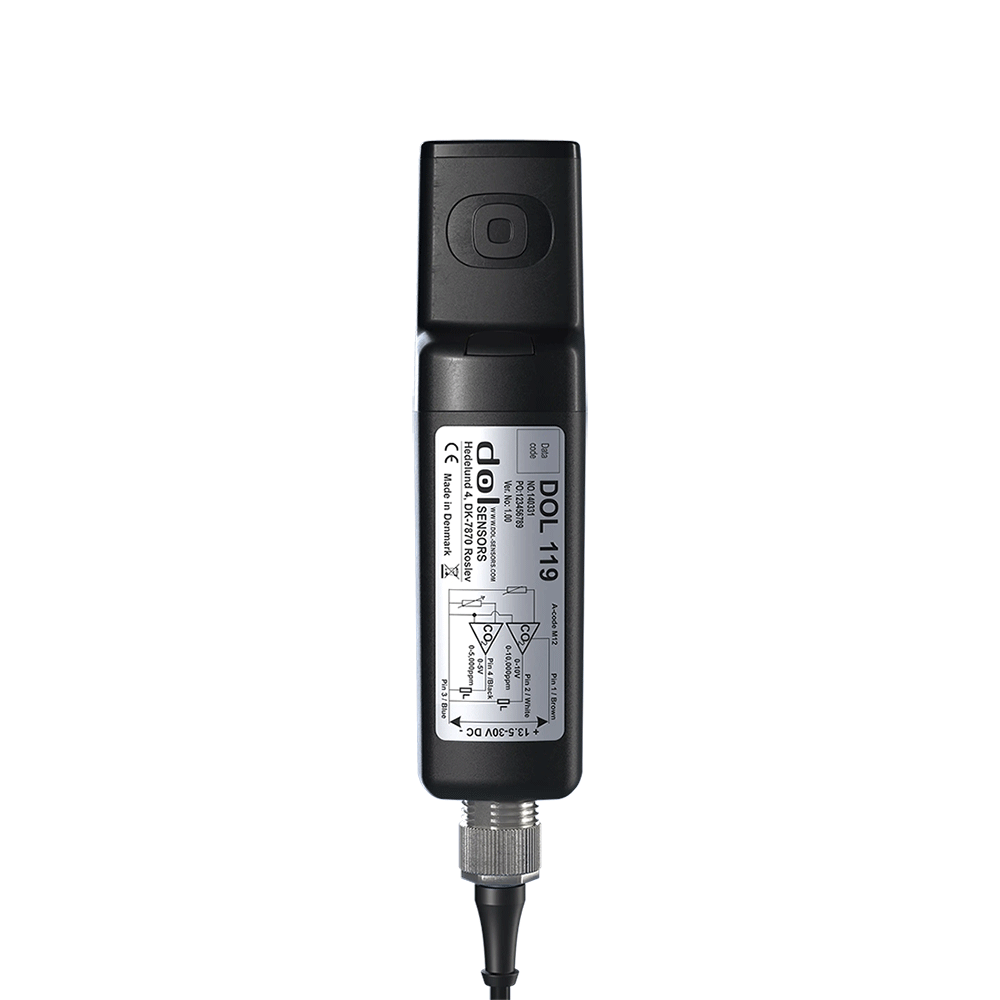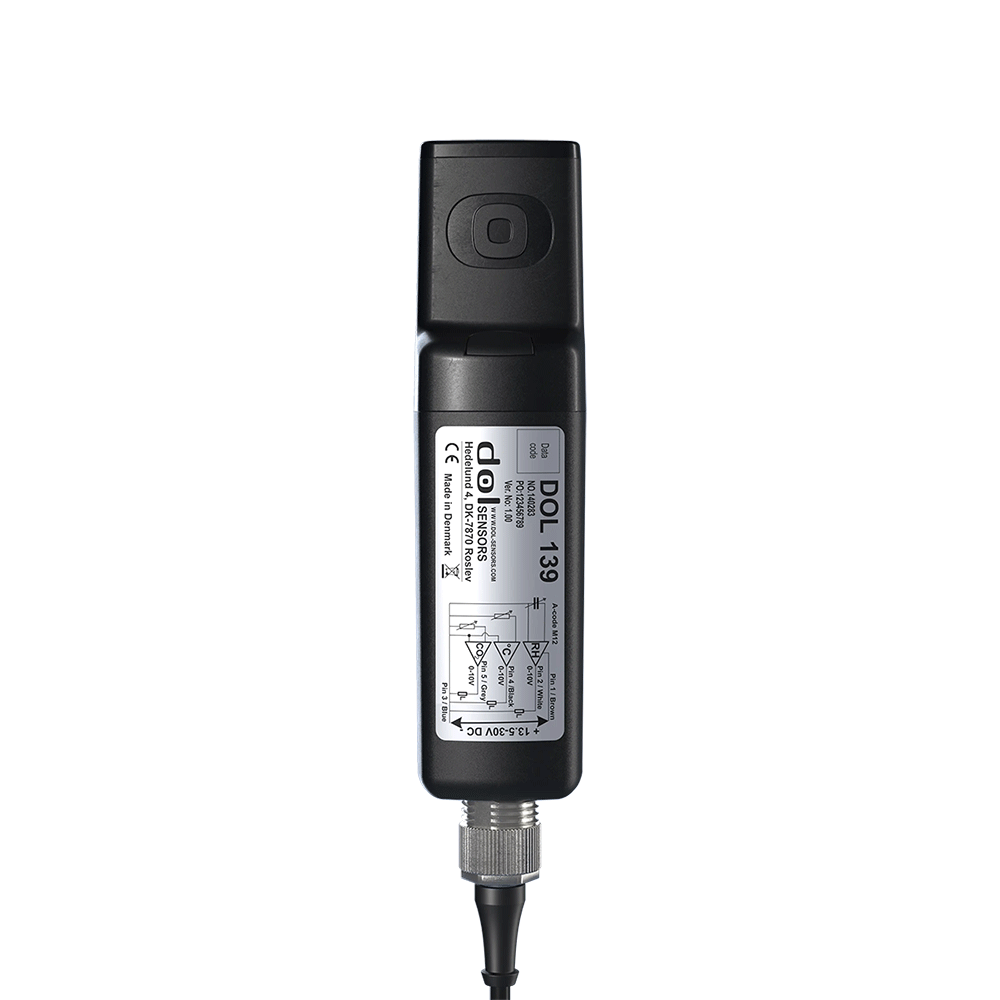

CO2 Levels in Livestock Farming
In livestock farming, CO2 levels are equally crucial, albeit for different reasons. Elevated CO2 levels in livestock facilities can be harmful to animals, affecting their health, productivity, and overall well-being.
High CO2 concentrations can lead to respiratory distress in animals, reducing their feed intake and growth rates. Prolonged exposure to high CO2 can also lead to increased susceptibility to diseases. Learn more about the importance of monitoring carbon dioxide levels in livestock buildings and how CO2 sensors help improve animal welfare and production performance.
Proper ventilation is paramount in maintaining optimal CO2 levels in livestock facilities. CO2 sensors can help farm managers determine when to increase or decrease ventilation, ensuring a healthy environment for the animals. Connected to a farm controller the sensor can provide data for automated ventilation and alarms.
Understanding CO2 Levels and Plant Growth
Plants primarily use carbon dioxide during photosynthesis, converting it into glucose, which fuels their growth. Optimal CO2 levels can significantly enhance plant growth and yield. However, it’s essential to strike a balance. While elevated CO2 levels can accelerate growth, excessively high levels can be detrimental, causing reduced stomatal conductance and potentially leading to water stress.
Monitoring Diurnal Variations
CO2 levels in agricultural settings can vary throughout the day. During daylight hours, plants actively photosynthesize, absorbing CO2. At night, the process slows down, leading to a rise in CO2 levels. Regularly monitoring these diurnal variations can provide insights into plant health and metabolic activity. If CO2 levels remain consistently low during the day, it might indicate that plants are rapidly using available CO2, signaling a thriving growth environment. Conversely, unusually high levels during the day might suggest issues like inadequate light or compromised plant health.
Adjusting Farming Practices
Data from CO2 sensors can guide various farming decisions:
- Ventilation: If CO2 levels are consistently high, improving ventilation can help regulate the concentration, ensuring plants have a fresh supply of CO2 for photosynthesis.
- Irrigation: Elevated CO2 levels can reduce plants’ water usage by causing stomata (tiny openings on leaves) to partially close. Monitoring CO2 can help adjust irrigation schedules to prevent overwatering or underwatering.
- Fertilization: Plants in a high CO2 environment might require more nutrients to support accelerated growth. Regular CO2 monitoring can guide fertilization schedules and quantities.