CO2 Sensors

CO2 Sensors For Better Animal Welfare

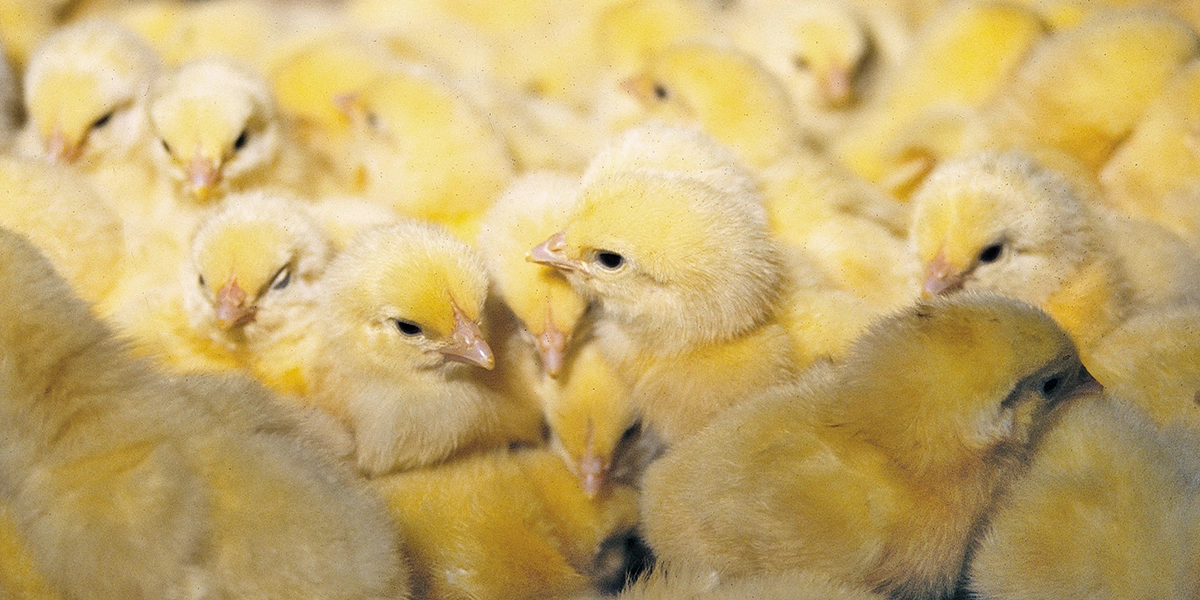
Keeping a low level of CO2 (carbon dioxide) is vital to agricultural production and animal welfare. In poultry and pig farms, a too high CO2 level can cause higher feed consdumption rates and higher mortality, thus impacting the performance of the production significantly and lower profits for farmers and farm managers.

Carbon dioxide accumilation in the barn, can cause respiratory problems and even death, which means that monitoring the CO2 level is vital to the production. Controlling the ventilation and eliminating CO2 in the house is one of the most important factors in poultry and pig production.

In addition, high levels of CO2 can cause stress and discomfort for the animals, leading to aggressive behavior and increased risk of injury. By monitoring the CO2 level and controlling the ventilation, farmers and farm managers can create a more comfortable and healthy environment for their animals, reducing the risk of disease and improving overall welfare.

CO₂ Sensors for Better Air Quality
Discover how CO₂ sensors help improve animal welfare, optimize ventilation, and support healthier, more productive livestock environments.

Benefits of Using CO2 Sensors in Animal Barns

There are several benefits to using CO2 sensors in animal barns, including:

  1. Improved animal welfare: By monitoring the CO2 level and controlling the ventilation, farmers can create a more comfortable and healthy environment for their animals, reducing the risk of respiratory problems and disease.
  2. Increased productivity: Maintaining optimal air quality can improve animal performance, reduce mortality rates, and increase profits for farmers.
  3. Energy savings: By monitoring the CO2 level and controlling the ventilation, farmers can optimize the use of energy and reduce heating and cooling costs.

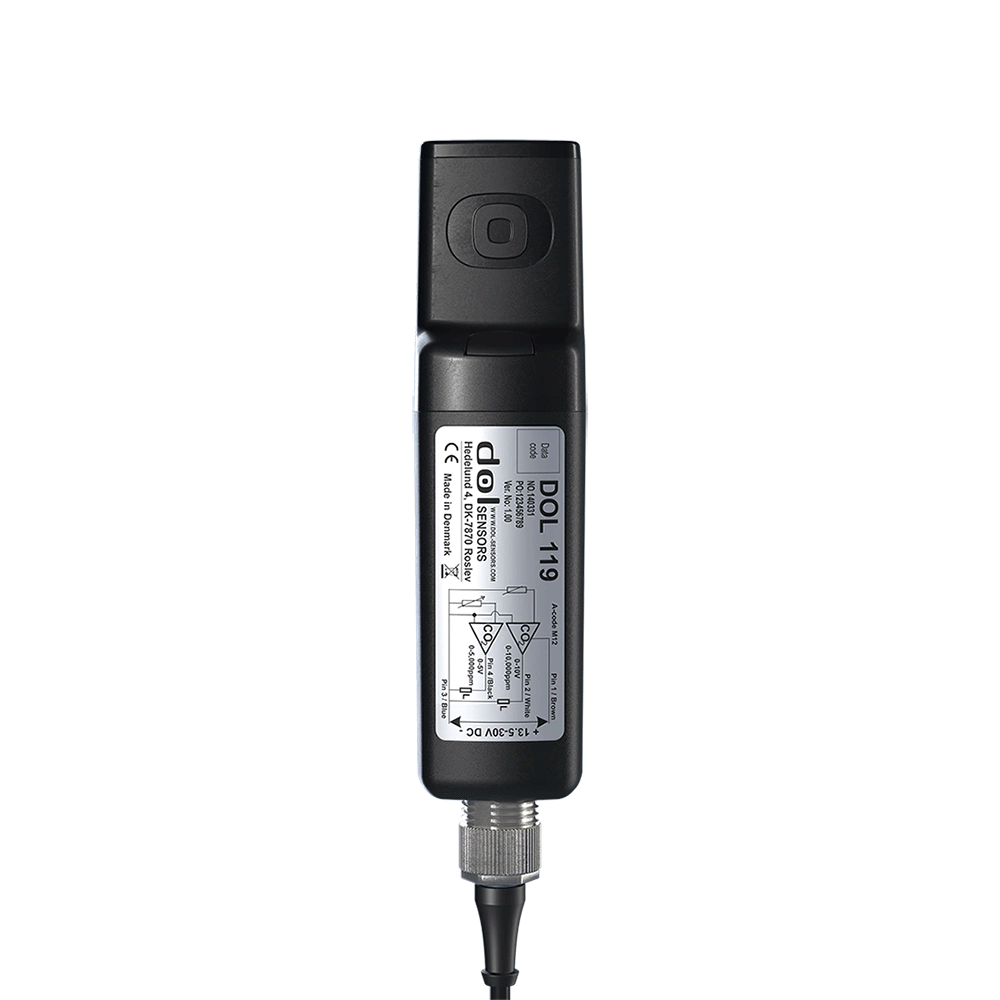
dol-sensors has innovated, designed, and produced two different CO2 sensors:

All of our sensors are specially designed for the harsh environment in livestock houses.
Environmental Sensors
Learn how continuous monitoring helps producers identify developing production challenges through changes in water consumption, growth performance and other key production indicators.

5 Benefits of Environmental Sensors in Livestock Houses

An environmental sensor is a device that measures the environment around us. It can be used to monitor air quality, temperature, humidity, etc. In livestock houses environmental sensors or climate sensors are used to ensure an optimum environment.

Get Better Animal Welfare With a High Air Quality

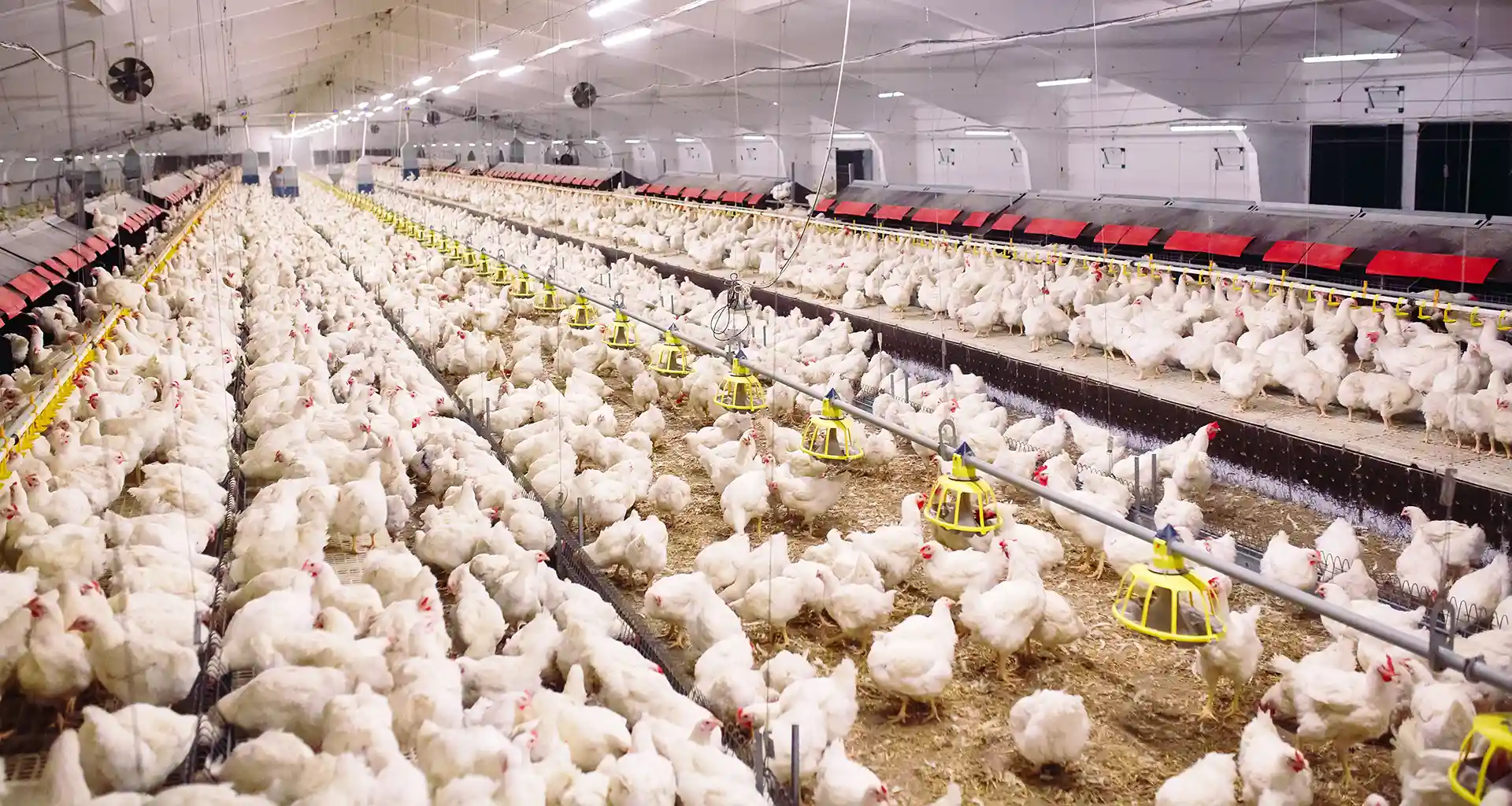
There are several ways to use environmental sensors in livestock farming. One way is to use them to measure air quality by using a carbon dioxide sensor and an ammonia sensor. Connected to a controller and your farm management system these sensors will provide data for alarms or for starting the ventilation in the house.

CO2 and ammonia are both to blame for the animals not thriving optimally. To high levels of CO2 and ammonia causes problems with breathing, corrosion damage on feed and skin, as well as irritation of the mucous membranes in the eyes and mouth. The high levels reduce the air quality thus increasing mortality and reducing production.

You can measure the level of ammonia with the award-winning DOL 53 Ammonia Sensor and keep track of the CO2 level with the robust DOL 119 CO2 Sensor or the 3-in-1 sensor DOL 139 that measures humidity, temperature and CO2.

Max Run Timer
Learn how continuous monitoring helps producers identify developing production challenges through changes in water consumption, growth performance and other key production indicators.

Prevent Costly Feed Spills and Auger Wear

If a feeding line or a drop tube is broken, a hopper is overturned or any other damage happens to the fill system you can expect costly feed spills and auger wear. Our sensors’ Max Run Timer helps prevent feed spills by regulating the maximum operating time of feed and fill system motors.

No Need for Extra Equipment

All dol-sensors’ capacitive sensors with NFC (iDOL sensors) have a built-in option for applying Max Run Timer. Normal sensors on the market do not have integrated Max Run Timer which means that you will need a seperate timer device for this.

Stocking Density In Poultry Production
Learn how continuous monitoring helps producers identify developing production challenges through changes in water consumption, growth performance and other key production indicators.

Finding the Right Balance

Stocking density—the number of birds kept per square meter - plays a crucial role in poultry farming. It directly affects welfare, behavior, health, and ultimately the profitability of production. While keeping more birds in the same space might seem like a way to maximize output, overcrowding often leads to hidden costs that undermine performance.

The Risks of High Stocking Density

Stress and Aggression

When space is limited, competition for feed, water, and resting areas increases. This can trigger aggression, feather pecking, and cannibalism. Stressed birds are less productive and more vulnerable to disease.

Poor Air Quality

Overcrowding accelerates the buildup of ammonia, CO₂, and moisture, making ventilation systems work harder. Poor air quality harms respiratory health and reduces growth rates, while increasing the risk of footpad dermatitis and other welfare problems.

Litter Deterioration

More birds mean more droppings in the same area. Wet, compacted litter not only produces ammonia but also creates conditions for bacterial growth. This negatively impacts both welfare and meat quality.

Selected Sensors

Documents

No items found.

Join our newsletter

Stay ahead in livestock production.

Join our newsletter and get industry insights, expert perspectives, and practical strategies for optimizing performance and efficiency.