Measure Wind Direction

Farmers who specialize in livestock production need to ensure that their animals are healthy and well cared for to maximize their yields. One factor that can greatly impact livestock farming is wind direction. Studies have found that the direction of the wind can affect the temperature, humidity, and air quality in the animal housing, which in turn can impact animal health and productivity. Measuring wind direction is therefore an important aspect of livestock farming.

Wind direction can affect the climate in livestock houses

Measuring wind direction is an important aspect of managing animal housing on livestock farms.

There are multiple studies that support the claim that wind direction can affect the temperature, humidity, and air quality in animal housing. For example, a study published in the journal Biosystems Engineering found that wind direction significantly affected temperature and relative humidity in a naturally ventilated animal housing facility. The study also found that wind direction impacted the concentration of airborne pollutants in the animal housing, such as ammonia and particulate matter.

Another study published in Agronomy found that wind direction and speed affect odour dispersion outside a livestock house. The study concluded that these factors can be used to consider the location of the farm, the design of the ventilation control, and the operation method.

Why is Measuring Wind Direction Important in Livestock Farming?

Wind direction plays a crucial role in the temperature and air quality of animal housing, which can greatly affect the health and productivity of the livestock. In the summer months, for example, wind blowing from the north can help to cool down animal housing, while wind blowing from the south can increase the temperature and make it uncomfortable for the animals. Similarly, in the winter months, wind blowing from the north can make animal housing too cold, while wind blowing from the south can warm it up.

In addition to temperature, wind direction can also impact the humidity and air quality in animal housing. If the wind is blowing in the direction of the animal housing, it can carry dust, odors, and other particles from nearby fields or facilities into the housing, which can be harmful to the animals. Measuring wind direction can help farmers to take measures to prevent or mitigate these issues, such as adjusting ventilation systems, planting windbreaks, or relocating animal housing.

Incease Profit
Discover how using the right sensors can contribute to optimizing your profit.

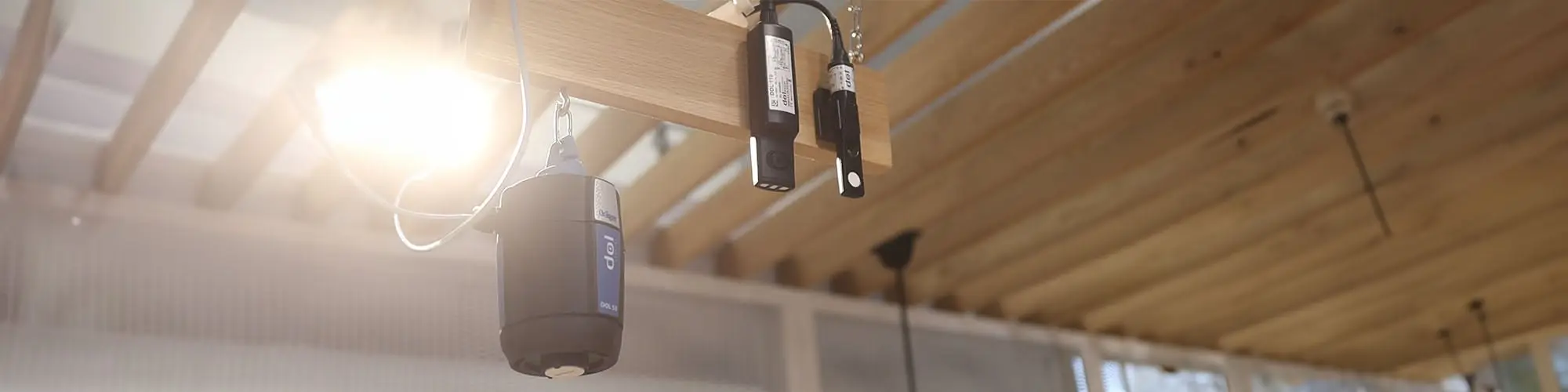
DOL 58 Weather Sensor Measures Wind Direction

To measure wind direction, you can use DOL 58 Weather Sensor. The sensor measures wind direction, wind speed, air pressure, and air temperature and is a highly reliable sensor that provides farmers and farm managers with accurate and immediate weather data.

The weather sensor has a long life time as it has no movable parts than can be blown off by heavy winds and gusts of winds.

Using the DOL 58 sensor together with a farm controller, can give you differentiated curtain opening to ensure optimal ventilation in the livestock facility, ensuring great animal welfare.

Optimize Your Profit With Sensors
Learn how continuous monitoring helps producers identify developing production challenges through changes in water consumption, growth performance and other key production indicators.

One of the most important things in farm management, when it comes to profit, is that the data you collect from your farms are accurate and easily withdrawn from the farms. Our climate sensors fit all farm controllers and can be customized for your specific needs. In this way you can collect, share, and compare data from all your farms in one system.

Identify the course of abnormal behaviour

Monitoring the level of ammonia and CO2 can reveal the course of abnormal behaviour at your farm.

Ammonia is a byproduct of animal urine and feces, and high levels of ammonia in the air can irritate the respiratory tract and cause coughing, sneezing, and other respiratory problems in animals. High levels of ammonia can also lead to reduced appetite and weight gain, as well as an increased risk of respiratory infections.

CO2 is a gas produced by the breathing of animals and the decomposition of organic matter. High levels of CO2 in the air can lead to respiratory problems and reduced productivity in animals. It can also be harmful to humans, causing symptoms like headache, dizziness, and fatigue.

Decrease The Need For Labour In Poultry Production
Learn how continuous monitoring helps producers identify developing production challenges through changes in water consumption, growth performance and other key production indicators.

How to Decrease the Need for Labour in Poultry Production

With rising costs, staff shortages, and growing demands for efficiency, producers are increasingly looking for ways to streamline operations without compromising animal welfare or productivity. The good news is that advances in management practices and technology are making it possible to reduce labour needs while maintaining—or even improving—flock performance.

The Challenge of Labour in Poultry Farming

Traditional poultry production requires a high level of manual work: feeding, monitoring climate conditions, checking water lines, collecting data, maintaining equipments, cleaning, and inspecting flock health. These repetitive and time-consuming tasks not only require manpower but also increase the risk of human error. By reducing the need for manual intervention, producers can save time, cut costs, and create a more consistent production flow.

Pigs Seek Human Attention, but on Their Own Terms
Learn how continuous monitoring helps producers identify developing production challenges through changes in water consumption, growth performance and other key production indicators.

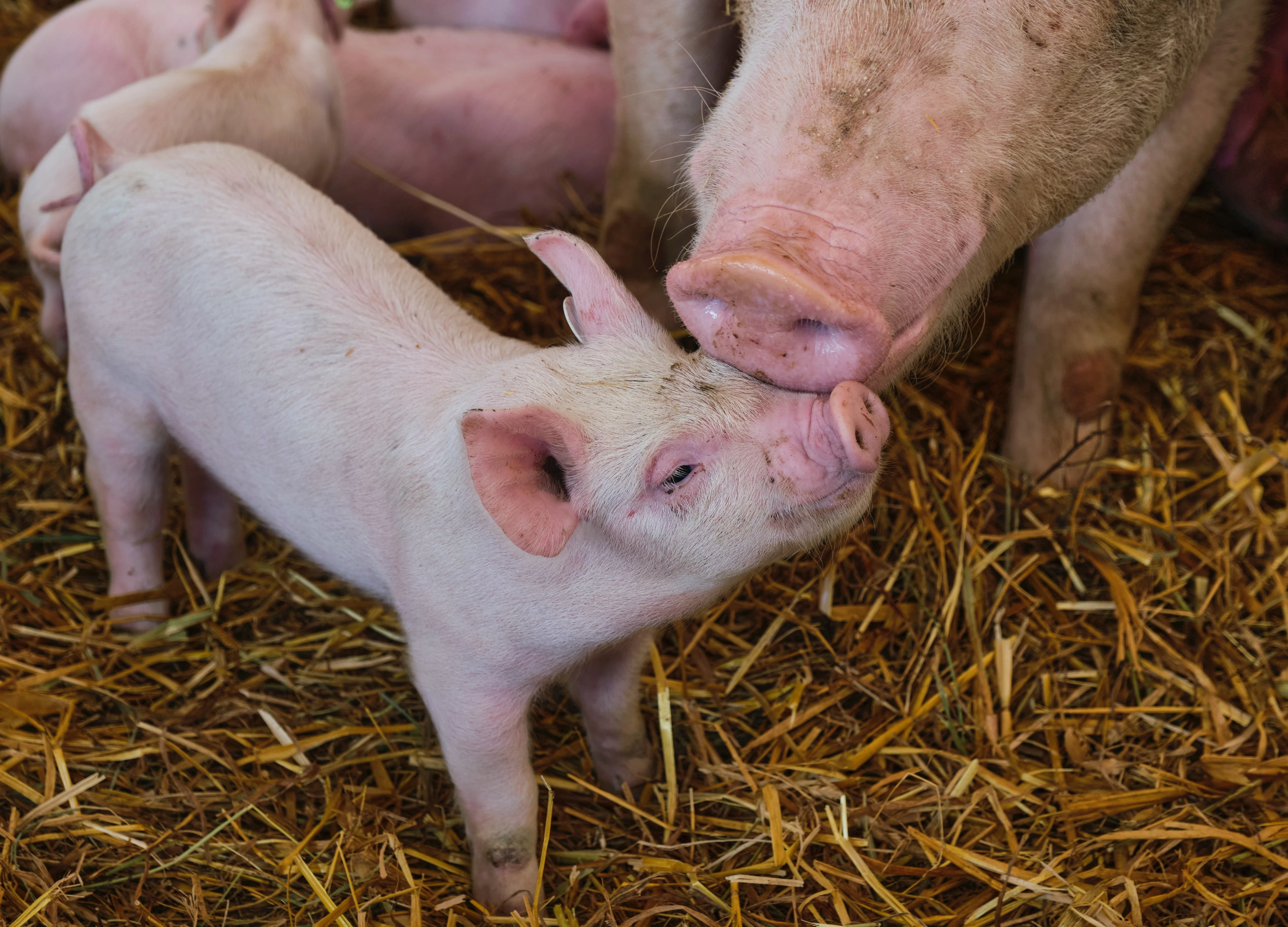
New research shows that pigs are far more socially aware than many people assume. When they want something, they actively try to get a human's attention -and they often use strategies similar to those seen in dogs. But unlike dogs, pigs tend to be a bit more self-reliant and selective in how they interact.

How Pigs Communicate with Humans

Research observed that pigs use a mix of vocalizations, body language, and direct eye contact when they want help or attention. They may nudge a person, stand in their line of sight, or repeatedly look back and forth between a human and an object - a behavior known from dogs trying to "show" their owners something.

A Key Difference from Dogs

While dogs have been bred for thousands of years to cooperate closely with humans, pigs have not undergone the same domestication process. This means pigs show attention-seeking behavior, but they don't rely on humans in the same way. They tend to switch strategies quickly and may try to solve the problem themselves if the human doesn't respond fast enough.

Selected Sensors

Documents

English
Technical User Guide
DOL 58_Technical User Guide_EN
English
Leaflet
Climate Brochure
English
Technical Information
DOL 58_Technical Information_EN
English
Declaration
DOL 58 - Declaration_EU_EN

Join our newsletter

Stay ahead in livestock production.

Join our newsletter and get industry insights, expert perspectives, and practical strategies for optimizing performance and efficiency.