Key Benefits of Automated Climate and Ventilation Systems
1. Optimized Bird Comfort and Performance
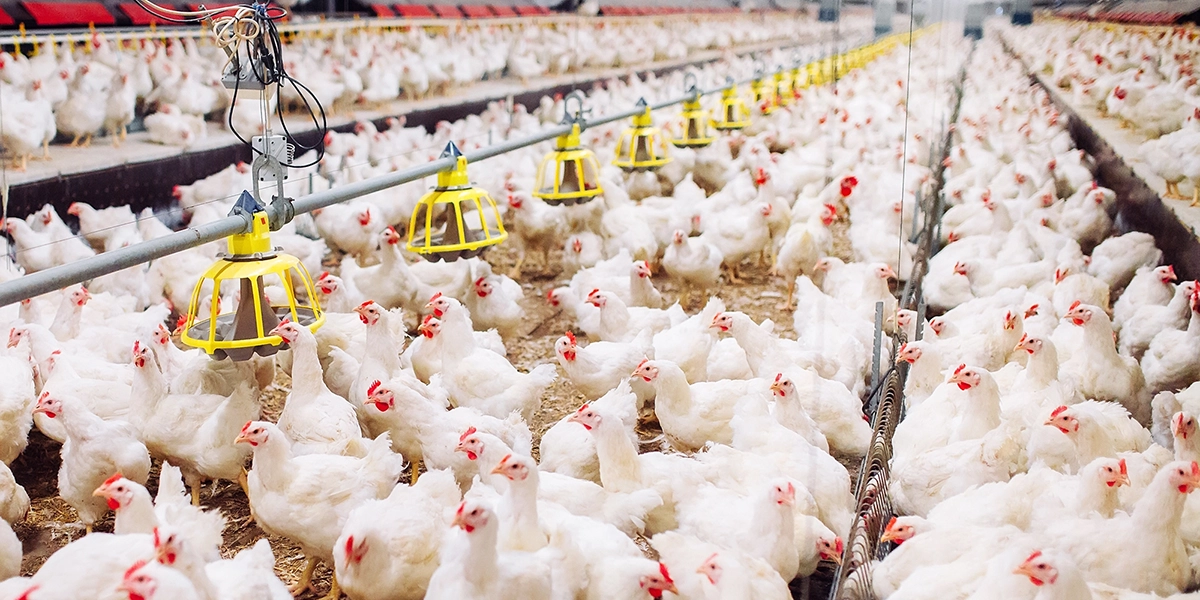
Precise climate control ensures birds remain within their thermal comfort zone. When conditions are stable, birds distribute evenly throughout the house, maintain normal feeding and drinking behavior, and achieve more uniform growth or egg production.
2. Improved Feed Conversion and Productivity
Environmental stress directly affects feed intake and nutrient utilization. Automated climate systems reduce stress-related performance losses, helping birds convert feed more efficiently into body weight or eggs.
3. Better Litter Quality and Foot Health
Proper ventilation removes excess moisture, keeping litter dry. Dry litter reduces the risk of footpad dermatitis, hock burns, and breast blisters — key welfare and economic indicators in poultry production.
4. Reduced Health Risks and Mortality
Consistent air exchange limits the buildup of ammonia, dust, and pathogens. Improved air quality supports respiratory health and immune function, lowering disease pressure and reducing mortality rates.
5. Energy Efficiency and Cost Control
Automated systems adjust ventilation and heating precisely according to bird age and external conditions. This avoids over-ventilation and unnecessary heating, significantly reducing energy consumption and operating costs over time.
6. Labor Efficiency and Management Control
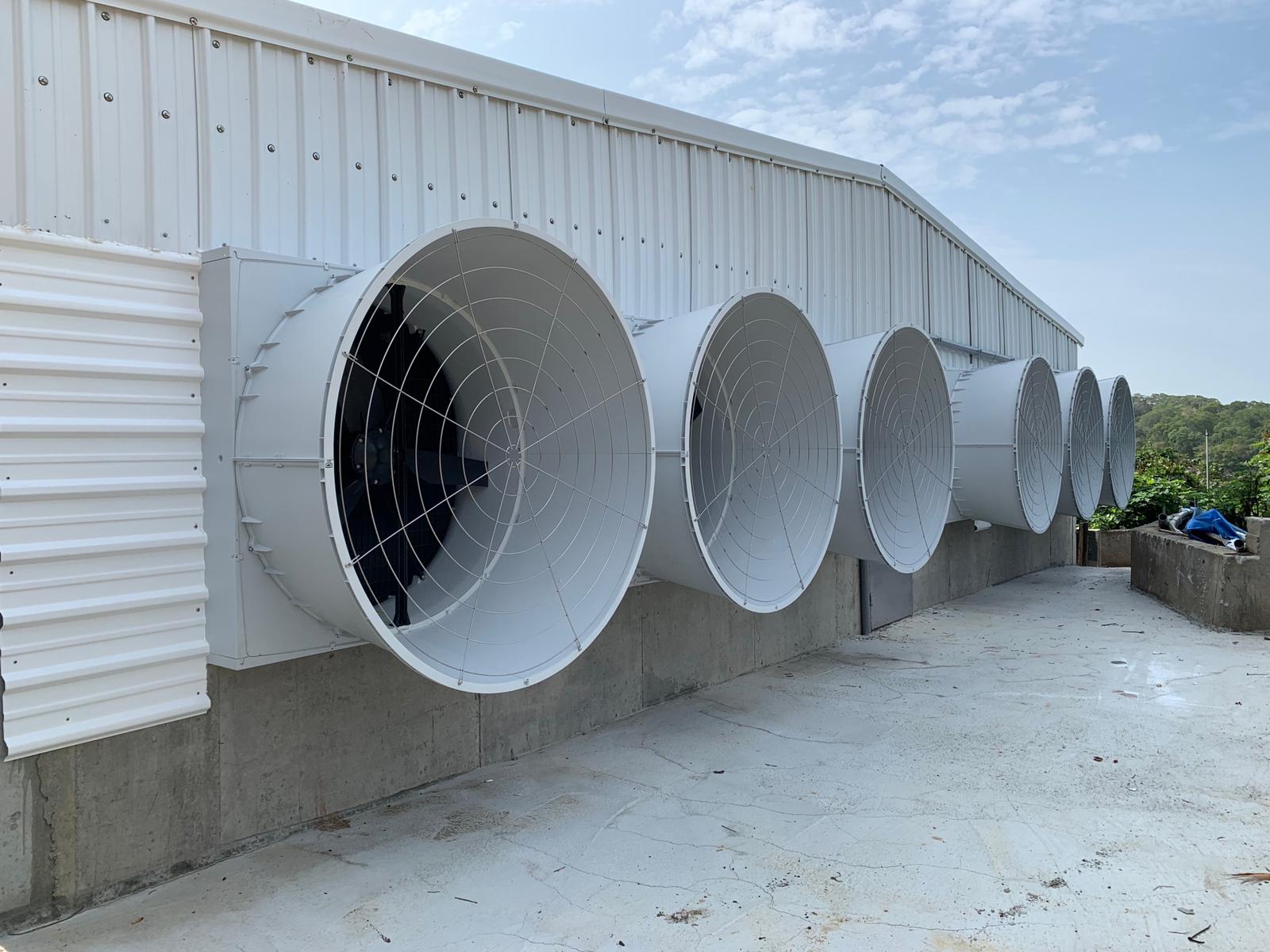
Automation minimizes the need for constant manual intervention. Producers can monitor and control multiple poultry houses from a central system or remotely, allowing faster response to issues and more consistent management across sites.
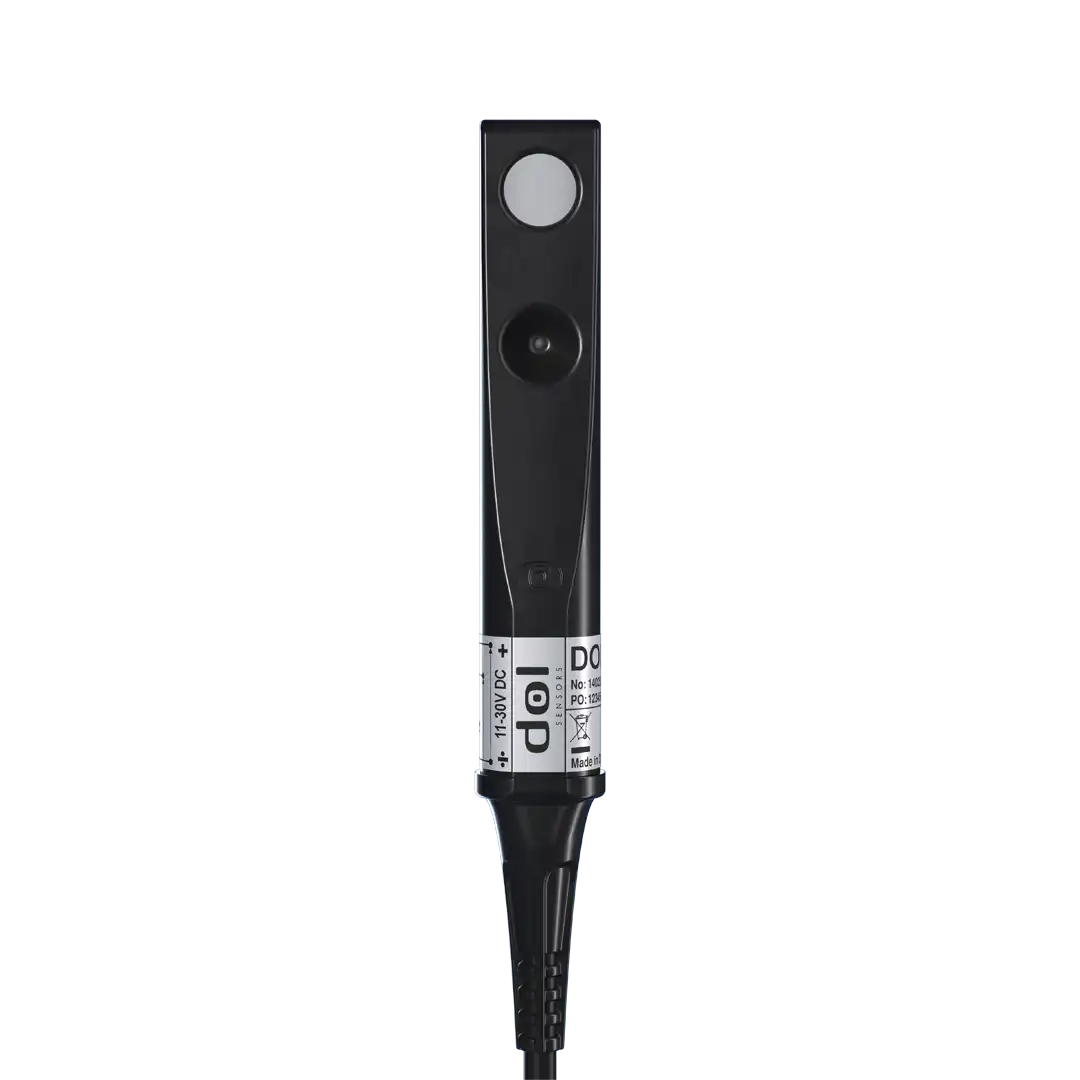
Improve house climate with reliable ammonia measurement
Maintaining low ammonia levels is essential for a healthy and efficient production environment.
Learn how modern sensor technology provides accurate data to support ventilation and climate control decisions.