Animal Welfare Depends On The Climate In The Barn
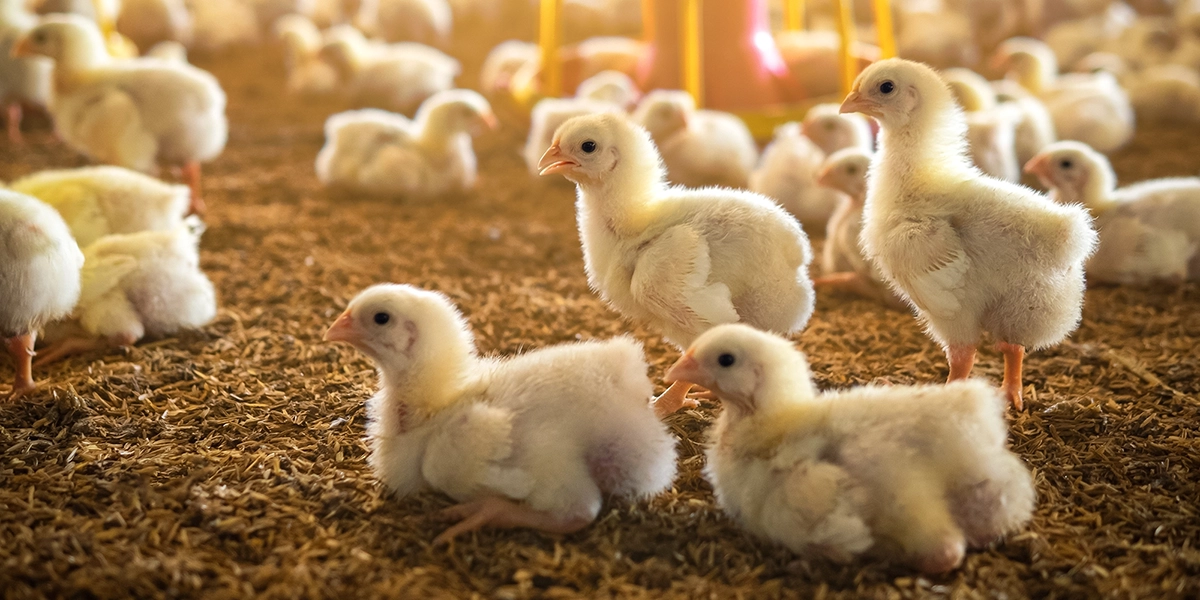
In addition to temperature and light intensity, humidity and air quality are also crucial factors that can affect the welfare of the animals. High levels of humidity can increase the risk of respiratory diseases, while high levels of ammonia can cause eye and respiratory irritation, leading to poor health conditions for the animals.
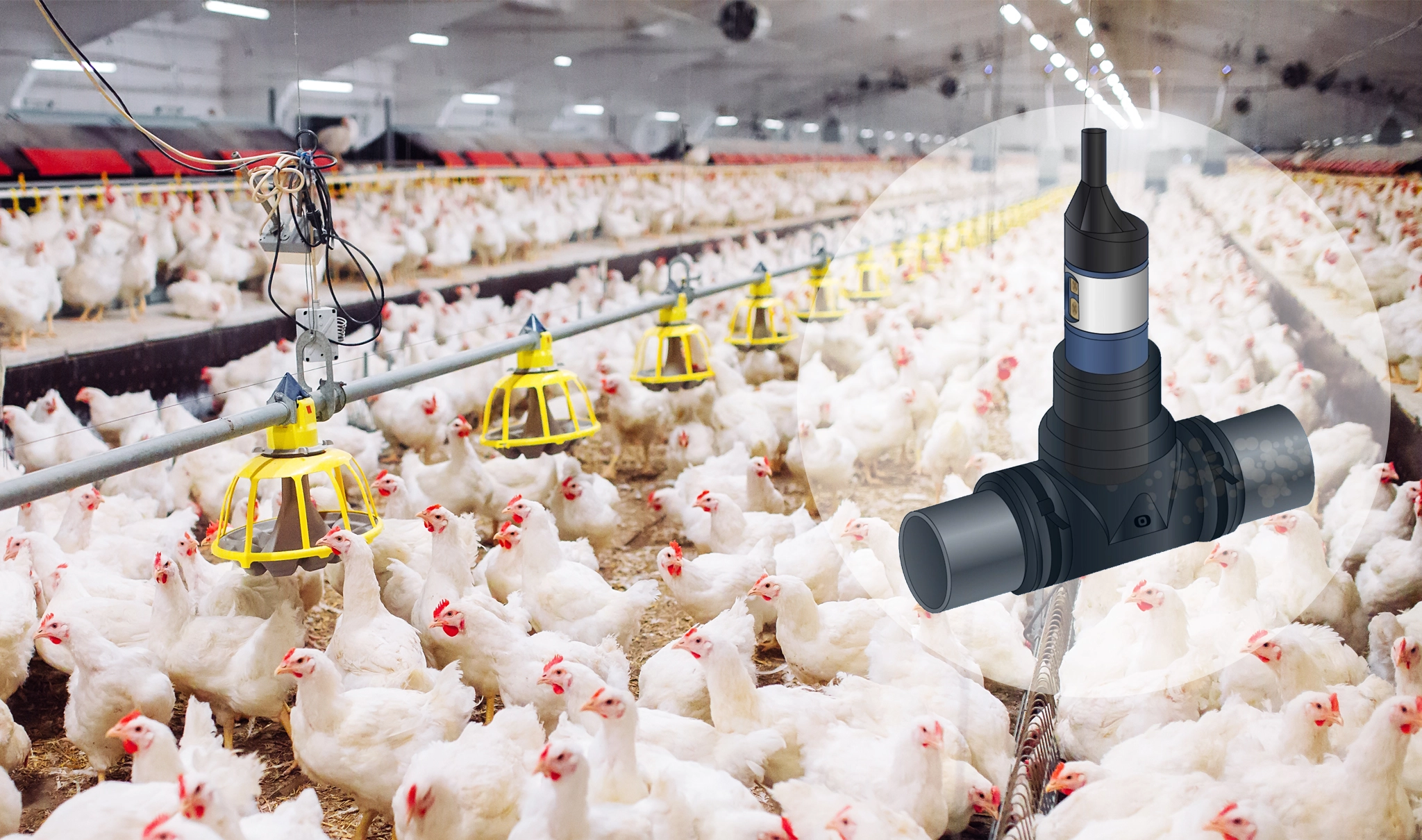
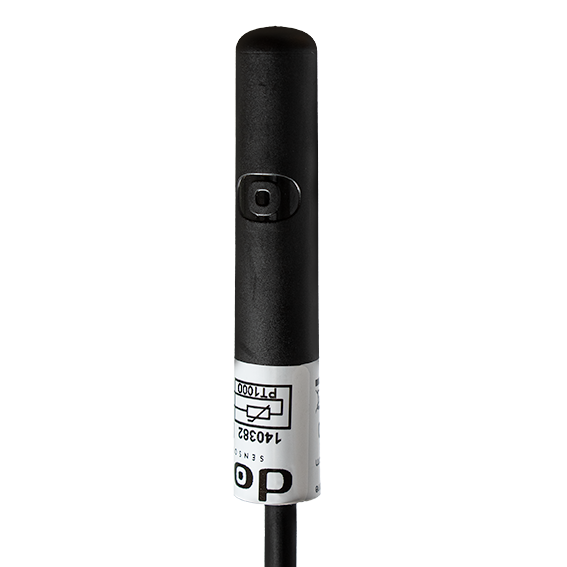
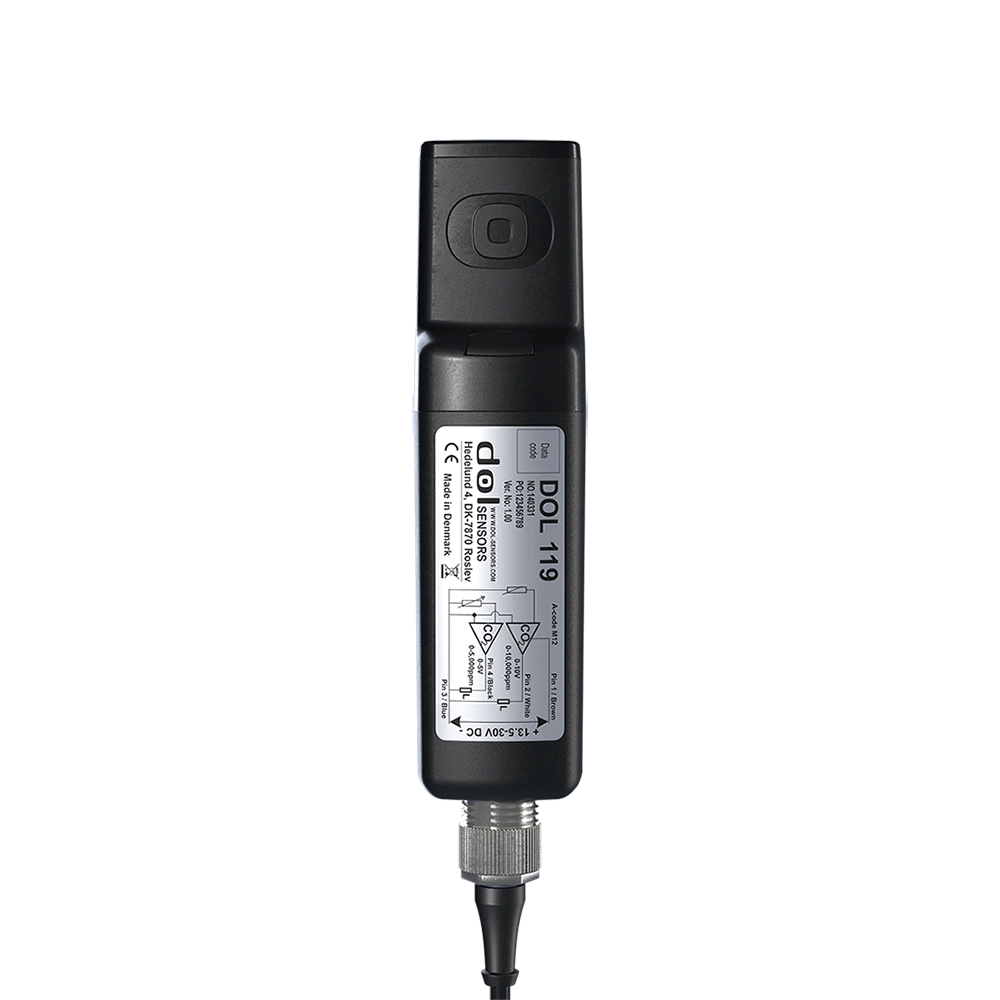
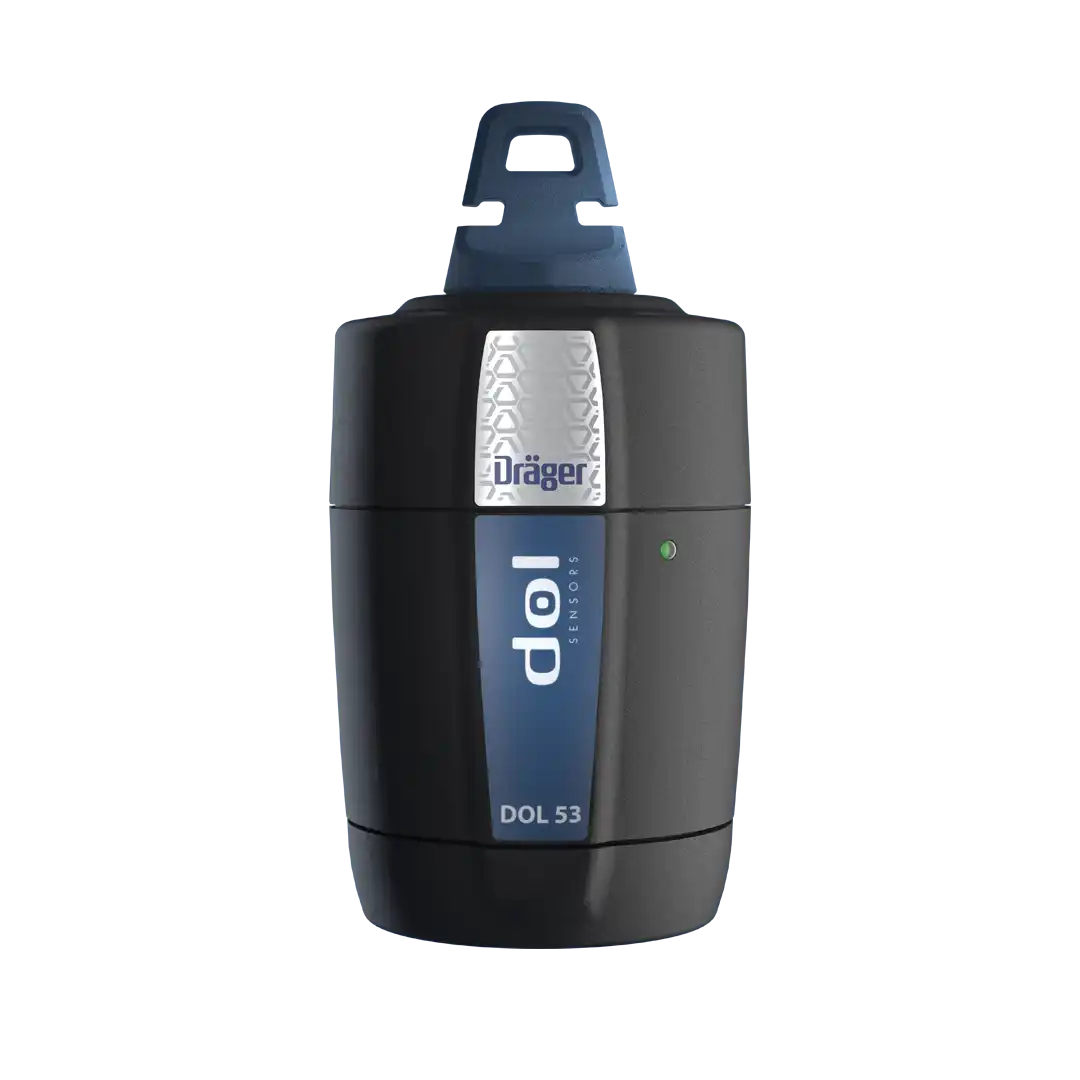
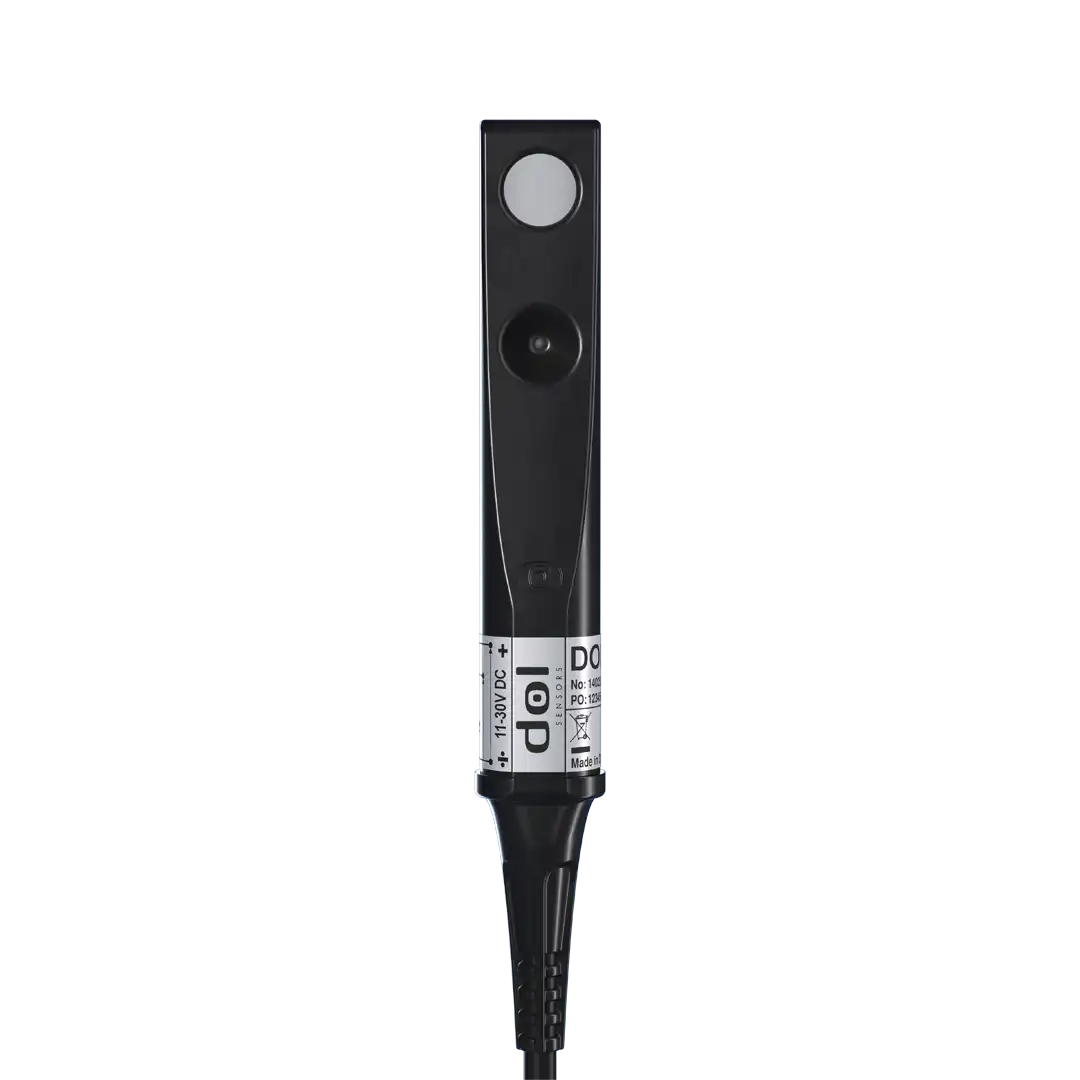
Climate sensors for poultry can help in monitoring these factors and ensuring that the environment is optimal for the animals to thrive. These sensors can measure the levels of humidity and ammonia in the air and provide real-time data to the farmer or farm manager, who can then take the necessary steps to improve the environment.
Climate Sensors in Poultry Continously Develops
The use of climate sensors in poultry production is not new. In fact, it has been around for several years, and many farmers and farm managers have already started using them. However, as technology continues to advance, newer and more advanced sensors are being developed to provide even more accurate and reliable data.
One such technology is the use of Internet of Things (IoT) sensors. These sensors can be connected to a network, allowing data to be transmitted in real-time to a centralized system for analysis and monitoring. With IoT sensors, farmers and farm managers can remotely monitor and control the environment of their poultry houses from anywhere, using their smartphones or computers.
Helps Reducing the Environmental Impact
Another benefit of using climate sensors in poultry production is that it can help farmers and farm managers to reduce their environmental impact. By monitoring and controlling the environment, farmers can reduce the amount of energy and resources used in the production process, leading to a more sustainable and eco-friendly operation.
Moreover, climate sensors can help farmers to comply with environmental regulations, such as those related to air and water quality. By monitoring the levels of ammonia and other pollutants, farmers can take necessary steps to reduce emissions and prevent environmental contamination.