Learn how continuous monitoring helps producers identify developing production challenges through changes in water consumption, growth performance and other key production indicators.
In many countries around the world, environmental regulations are made in the poultry industry. According to The Poultry Site, poultry producers in Australia must offer environmental enrichment for meat chicken breeders. The guidelines also include changes to the minimum light intensity and required periods of darkness, ventilation, and temperature parameters for all species.
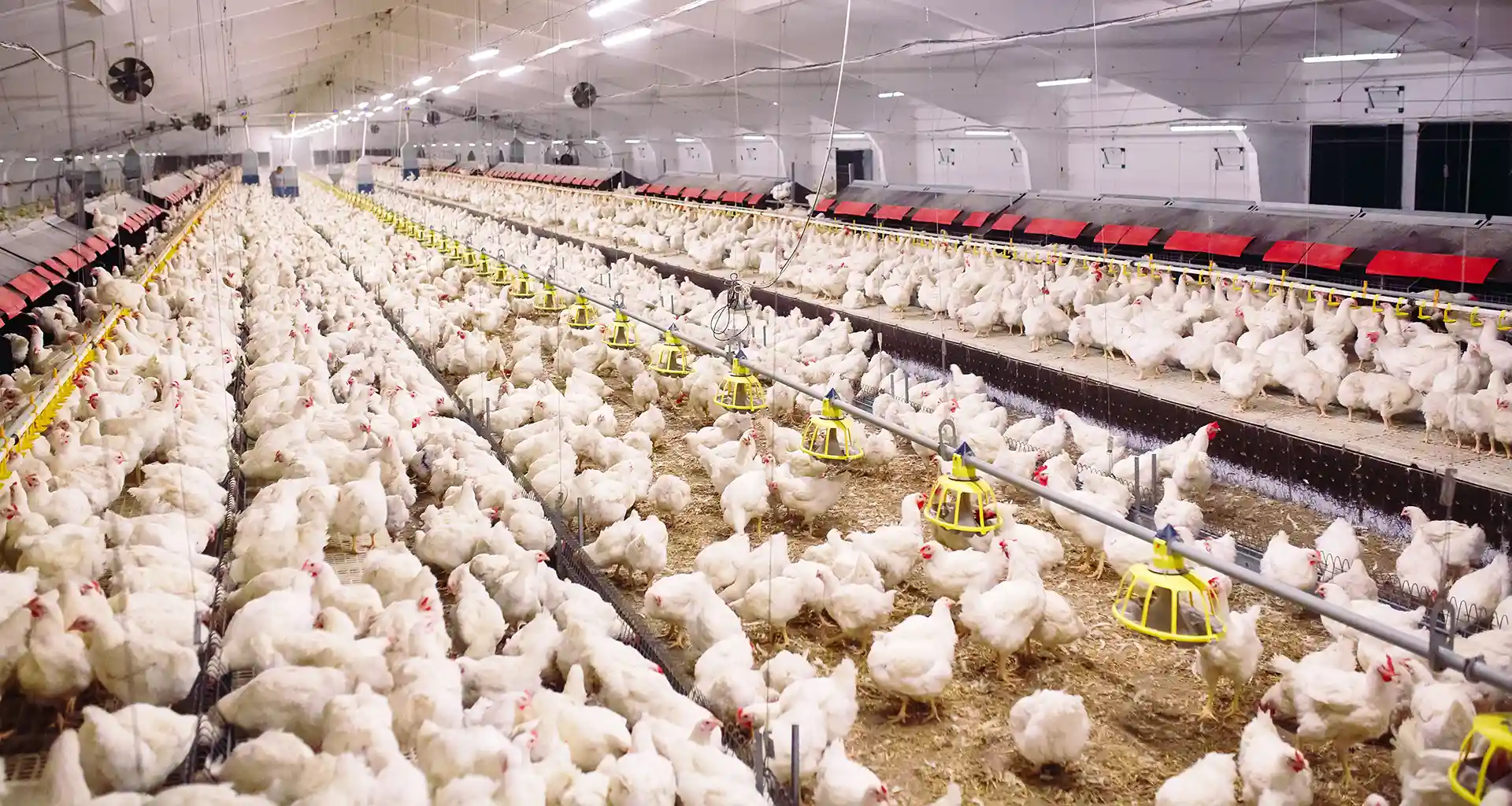
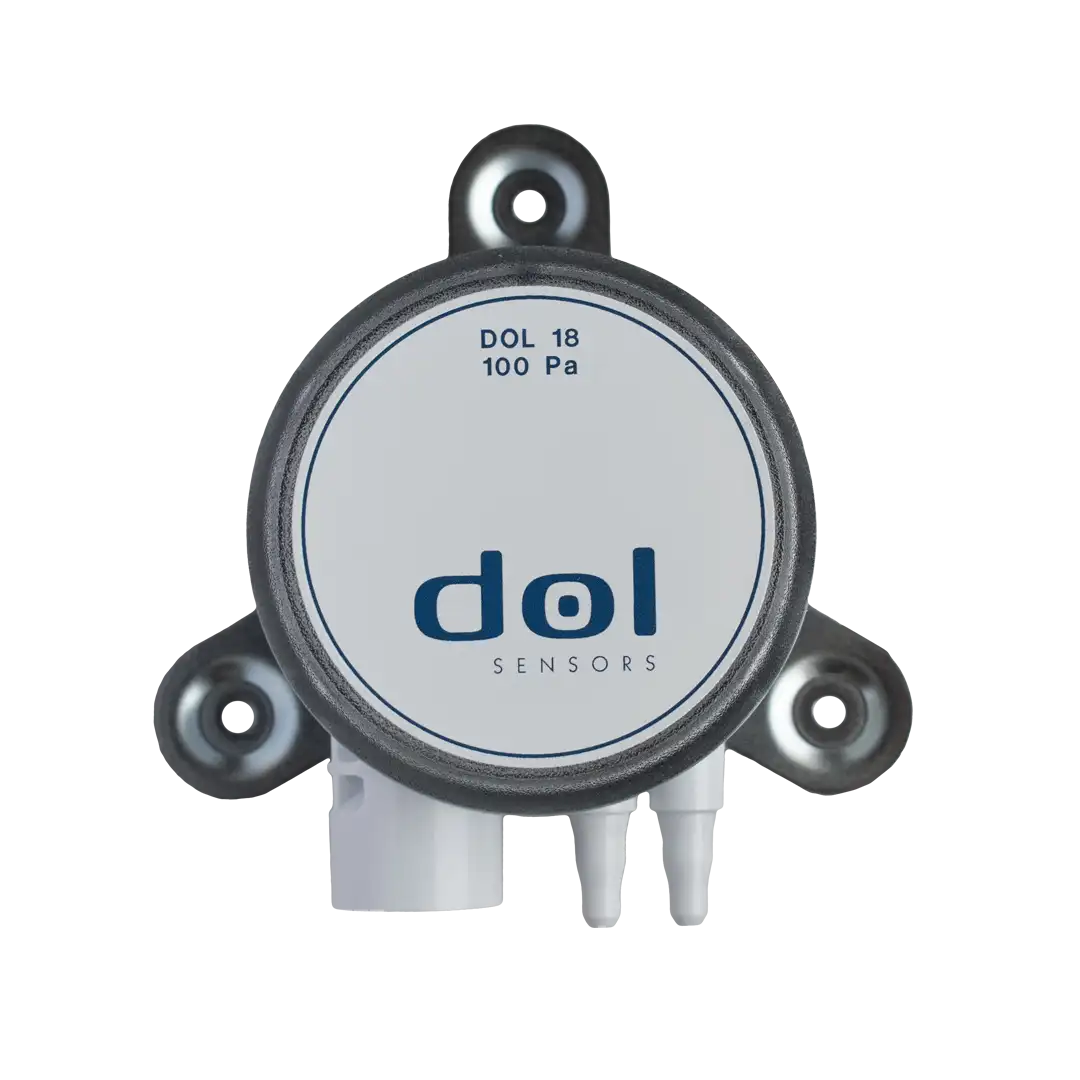
To ensure the required environmental enrichments, farmers and farm managers can take advantage of climate sensors for poultry. These are sensors that are specially designed to with-stand the harsh environment in livestock production, where dust, high humidity, temperature swings, as well as high levels of ammonia can harm the sensors and affect their performance.
Climate sensors for poultry comes in various versions, and can monitor the light intensity, level of humidity, CO2, and ammonia, and the temperature. In combination with a farm controller these climate sensors can help the farmer and farm manager controlling the ventilation system and the amount of light automatically. Furthermore, the data from the sensors can be shared with others for documentation purposes or for analysis.
Vital data from climate sensors in poultry
The data from the sensors is vital to the production. By controlling the ventilation system and light intensity automatically, the farmer or farm manager has full control of the environment and thus the animals’ welfare. In poultry, the light intensity can have a huge impact on how the animals grow, the FCR (Feed Consumption Rate), and egg laying.
The temperature is also an important factor in poultry production. A too low temperature will increase the mortality and make the birds clutch together to keep warm. They will most likely start eating more without gaining any weight due to the energy they use to keep warm.
During their life cycle, chickens require different temperatures. This is why an automatic regulation of the temperature is crusial.