The Future of Sustainable Agriculture
As the population continues to grow, and the need for sustainable food production becomes increasingly urgent, automated vertical farming is an exciting and viable solution.
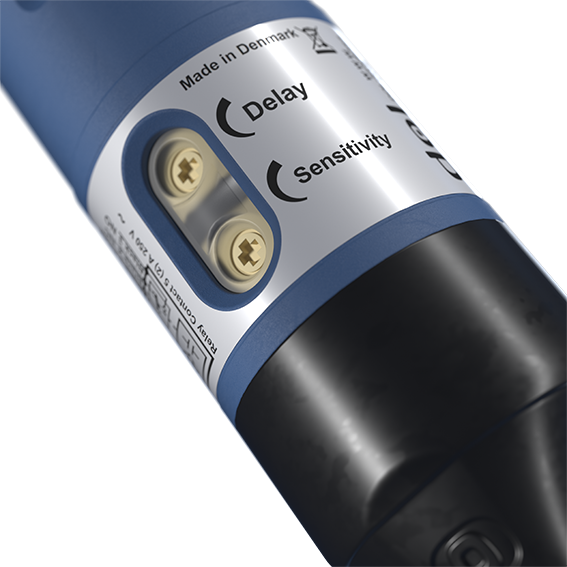
The automation aspect of the vertical farming technology allows for precise control over the growing environment, including temperature, humidity, and lighting, leading to higher crop yields and reduced need for human labor. Additionally, the lack of pesticides and the closed-loop system of the vertical farm means that produce grown in this way is often considered organic. The benefits of automated vertical farming include a reduced carbon footprint, increased food security, and the ability to grow crops year-round in a controlled environment. Accurate CO₂ monitoring is essential for maximizing crop growth and maintaining stable growing conditions. Learn more about agricultural CO₂ sensors.
What is Automated Vertical Farming?
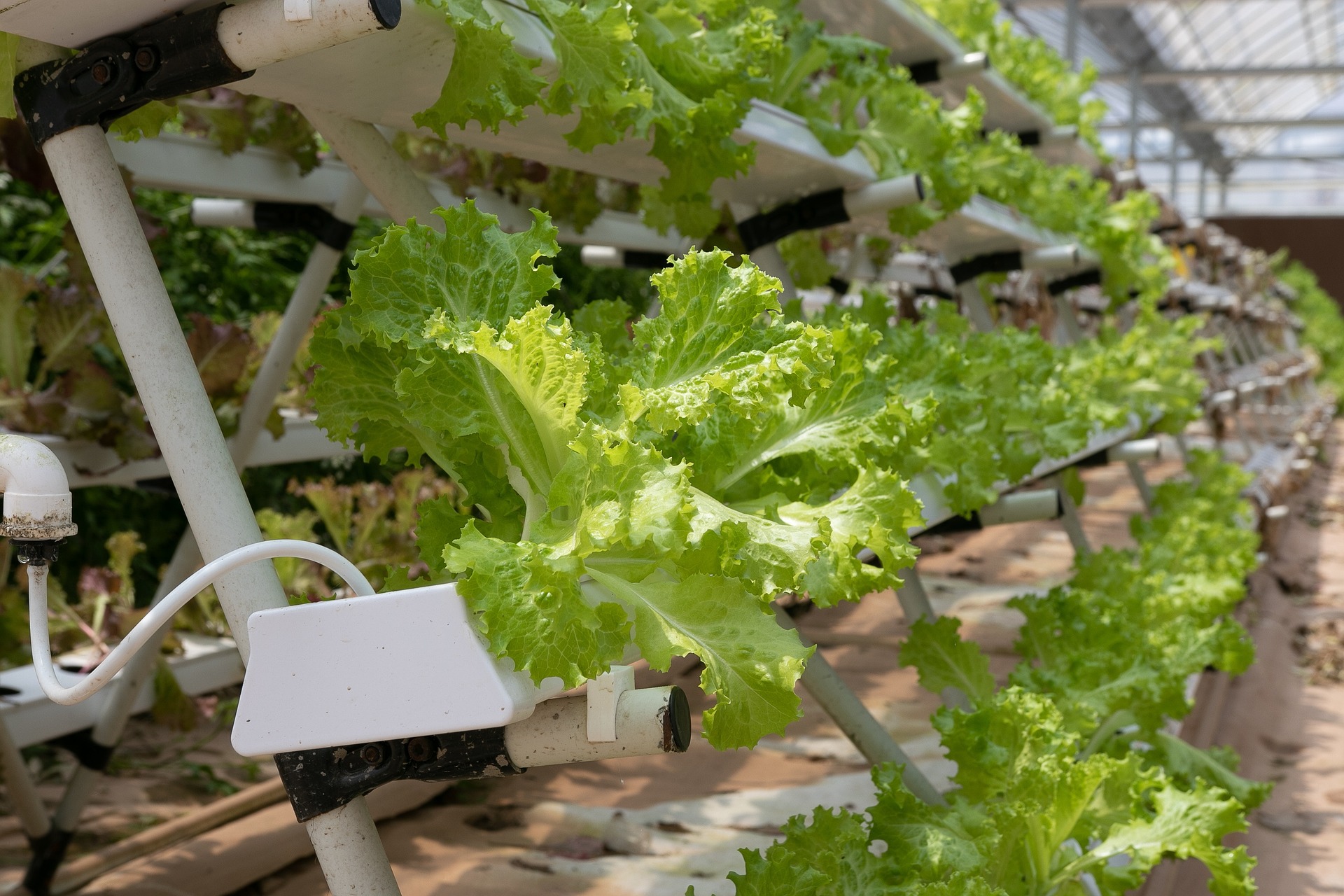
Automated vertical farming is a method of growing crops in stacked layers using trays that are placed in a controlled environment. The vertical farm maximizes space and minimizes the use of water and other resources, allowing for higher crop yields with less waste.
Benefits of Automated Vertical Farming
The benefits of automated vertical farming are numerous. One of the most significant benefits is the reduced carbon footprint of the technology. Traditional farming methods require large amounts of land, water, and energy, but automated vertical farming uses significantly less of all of these resources.
Another benefit of automated vertical farming is increased food security. As the population continues to grow and urbanization expands, the demand for food will continue to increase. Automated vertical farming allows for the efficient production of food in urban environments, reducing the need to transport food long distances and increasing the availability of fresh produce.
In addition, the closed-loop system of the vertical farm means that produce grown in this way is often considered organic. With less need for pesticides, the food grown in automated vertical farms is often considered healthier and safer for consumption.
Finally, the ability to grow crops year-round in a controlled environment means that automated vertical farming can provide a reliable source of food no matter the season or weather.
The Future of Farming
Discover the future of farming with smart sensor data, and support sustainable food production through advanced climate control and monitoring.