
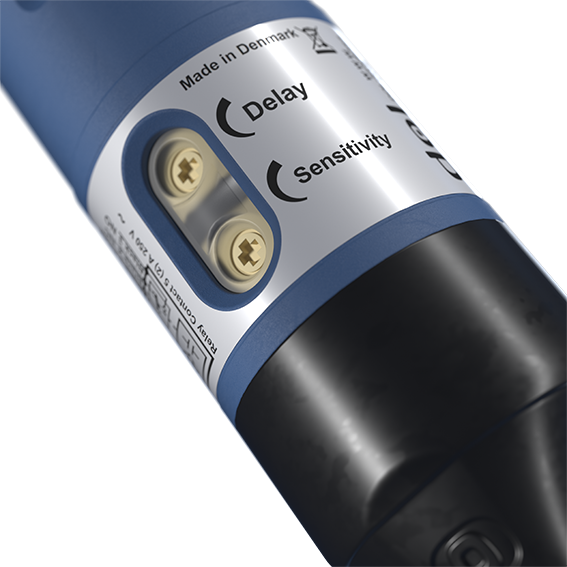
Using robust sensors in livestock production can help you increase production. Robust sensors need less maintenance and last longer.
Our sensors are specially designed for the harsh environment in livestock houses and withstand dust, high humidity, temperature swings, and high levels of ammonia.
By monitoring the climate and keeping it consistent and optimum for the animals the production outcome increases. Keeping track of the FCR also help raising the production.
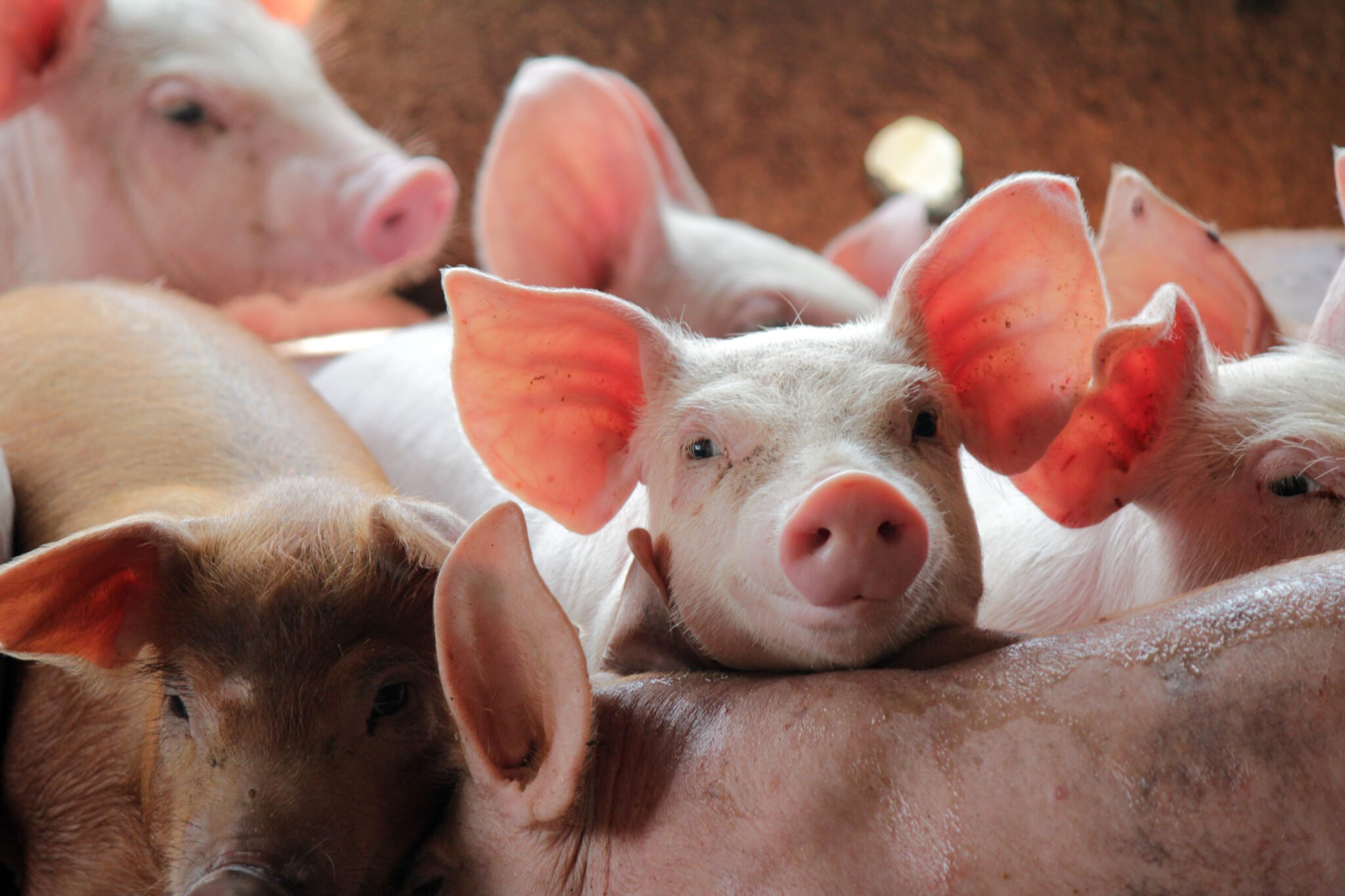
Raising pigs is a significant investment, both financially and in terms of resources. One of the key factors in ensuring the health and productivity of your pigs is providing an optimum environment. A well-managed environment not only promotes good health but also enhances the overall wellbeing of the pigs, leading to better growth rates and quality produce.
Pigs, like any other animals, have specific environmental needs. These include the right temperature, humidity, ventilation, and space. Understanding and meeting these needs is crucial for their health and growth.
Pigs are sensitive to temperature changes. Young piglets require a warmer environment as they cannot regulate their body temperature efficiently. As they grow, the optimum temperature can be gradually reduced. Overheating or chilling can lead to health issues and should be meticulously managed. To ensure that the temperature is kept stable and at the right level throughout the lifecycle of the pics, farm managers can use well-tested and accurate temperature sensors, to deliver data for the farm controller. The farm controller can automate the heating and cooling system, so that the temperature is optimum at all stages.
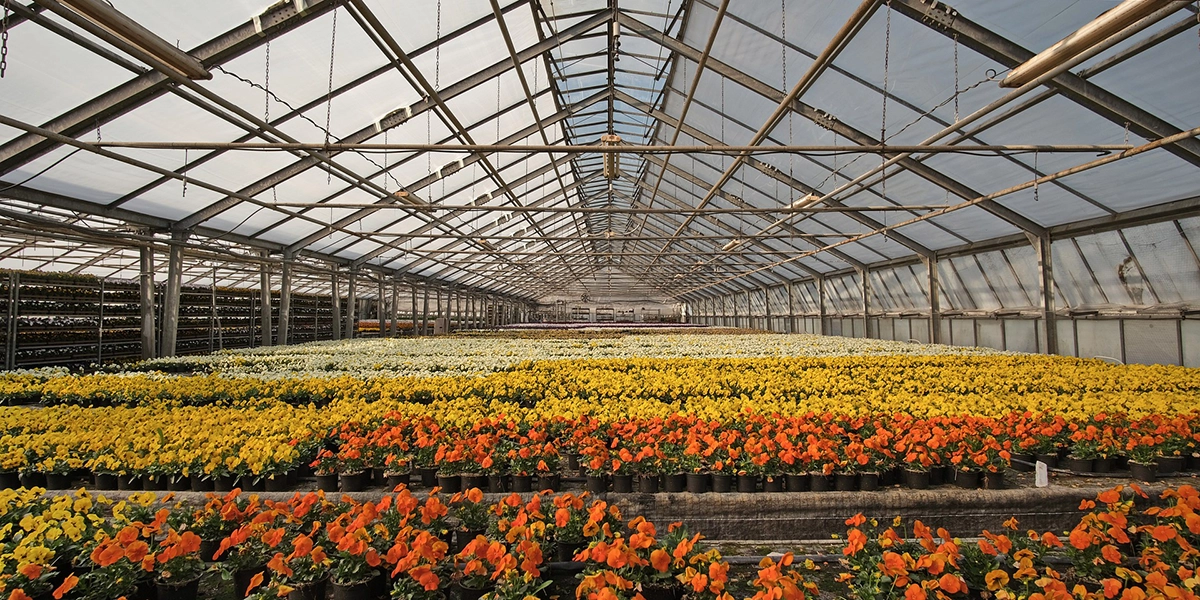
Automatic climate control in greenhouses has been shown to significantly increase production by creating a more optimal growing environment for plants.
One of the primary benefits of automatic climate control is the ability to maintain a consistent temperature and humidity level within the greenhouse. This helps to reduce stress on plants and allows them to grow more efficiently, resulting in higher yields. Accurate monitoring of CO₂ levels is an important part of greenhouse climate management and can help optimize plant growth and yield.
Learn more about agricultural CO₂ sensors.
Using accurate temperature and humidity sensors such as DOL 104 and DOL 114 in connection with a controller that regulates the climate system automatically will help you getting the optimum climate in your greenhouse.
In addition to temperature and humidity control, automatic climate control systems can also be used to regulate the amount of light that plants receive with use of e.g. DOL 16 light sensor, as well as the levels of CO2 (e.g. with DOL 119 or DOL 139)and other gases in the air. By optimizing these factors, farmers can create a more conducive environment for plant growth and increase production.
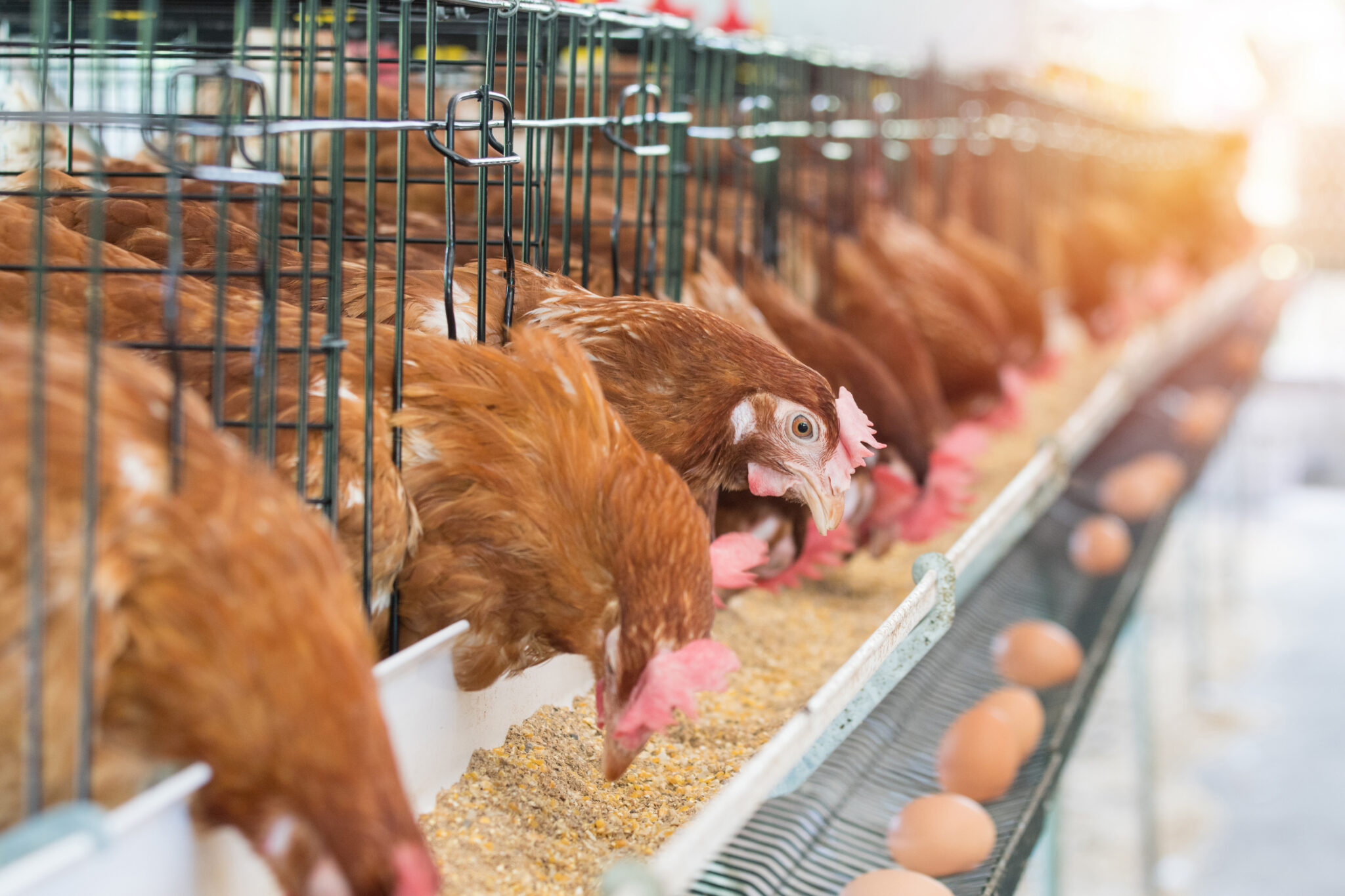
Most farm manager want to know what is going on in their productions; how are the broilers performing, how big is the mortality rate, and so on. Gaining control and insight into poultry production can have a significant impact on a farm’s efficiency, profitability, and overall success.
Being well-informed about the various aspects of poultry production — from breeding and feeding to health management and environmental control — enables farm managers to make better decisions. This understanding helps in improving animal welfare, and ultimately, enhancing productivity.
A thorough knowledge of poultry health and behavior empowers farm managers to swiftly identify and address issues. This leads to healthier flocks, lower mortality rates, and reduced need for medical interventions, which can be costly and sometimes detrimental to the birds’ health and the quality of the produce.
Farm managers who have a deeper understanding of their poultry’s performance can achieve higher product quality. This includes better meat texture and flavor, as well as higher egg production rates and quality. Such improvements are often the result of well-managed feeding programs, optimal living conditions, and stress reduction strategies.
Stay ahead in livestock production.
Join our newsletter and get industry insights, expert perspectives, and practical strategies for optimizing performance and efficiency.