
Sensors For Smart Farming

The world population is growing, concerns about the state of the environments are increasing, and people are caring more and more about the welfare of animals in agriculture. Food production must keep pace. This means that farmers need to use modern and intelligent technologies to improve efficiency, enhance animal welfare, and reduce costs.

3 Main Categories

There are 3 main categories of agricultural sensors:

  1. Climate sensors which are sensors that measure environmental variables (temperature, humidity, soil moisture, etc.)
  2. Capacitive sensors which detecs loose and solid material (grain, feed, water, etc.)
  3. Crop sensors that measure crop characteristics (plant growth, yield, quality).
The Importance of Sensor Data
Discover how sensor data leads to smarter farm manaement.

Sensor Types

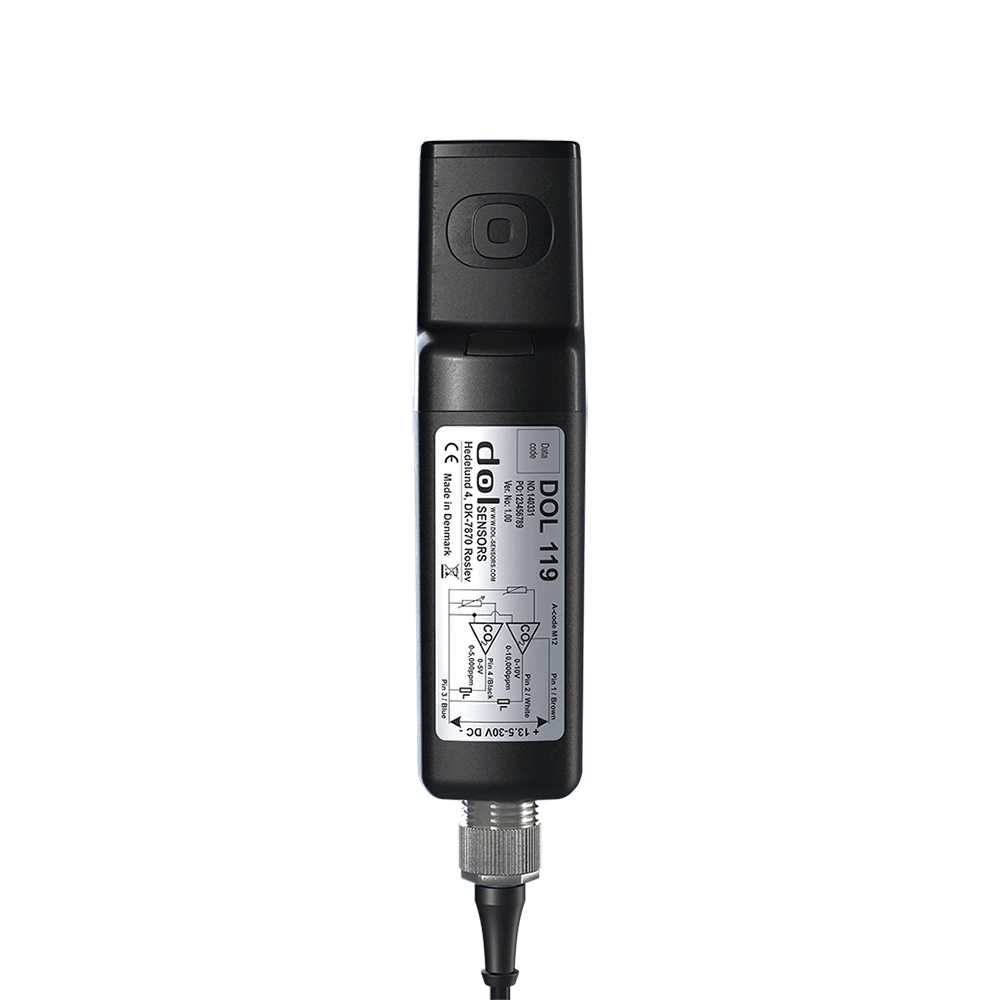
Environmental sensors can be placed on the outside of the farm building measuring things such as air temperature, wind speed, wind direction, precipitation, and humidity, og be placed inside of livestock houses measuring temperature, humidity, pressure, light, and the level of CO2 and ammonia. They are often used to monitor weather patterns and control climate systems to enhance animal welfare and reduce energy consumption.

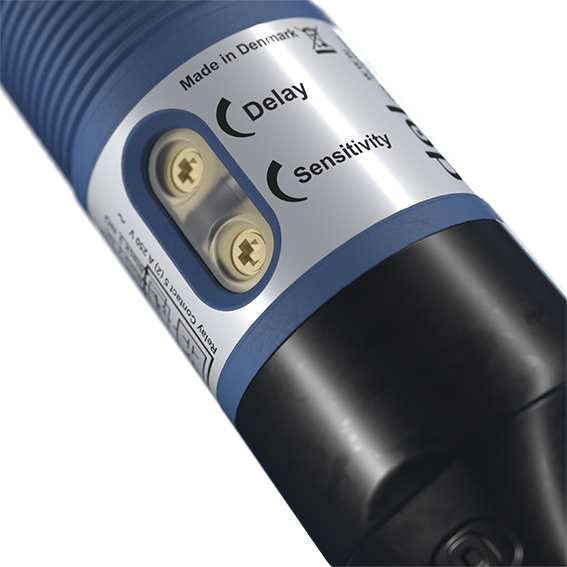
Capacitive proximity sensors are primarily used for detecting loose and solid material such as plastic or wood pellets, grain, bedding, as well as feed in the feed system and silos, to ensure sufficient feed distribution at the right time of the day.

Crop characteristic sensors are usually installed inside the farm building and measure plant growth, yield, and quality. These sensors are typically connected to a computer system that collects data and sends alerts when something goes wrong.

How do Sensors help Farmers?

With a network of sensors installed inside and outside of the farm building, farmers and farm managers can gather real-time data about the environment in livestock houses and automate ventilation to improve the welfare of the animals, the consumption of energy, and of course reduce the production cost.

Read more about Climate Smart Agriculture (CSA) here.

Ammonia Sensors
Learn how continuous monitoring helps producers identify developing production challenges through changes in water consumption, growth performance and other key production indicators.

The Impact of Ammonia on Poultry Production

It is well-proven that air polution due to high ammonia levels in broiler production results in a higher FCR, lower gain, and poorer animal welfare. Birds being exposed to high levels of ammonia can suffer from respiratory diseases, ammonia blindness, infections with Newcastle, the bronchitis virus and parasites, burned skin and feed, nutritional stress, suffocation, and even death. These sufferings will of course decrease production and increase breeding costs.

Why Continuous Ammonia Monitoring Matters

Early action benefits the productivity of the broilers as well as animal welfare. Thus, constantly monitoring the level of ammonia is essential for the poultry production. Furthermore, monitoring the level of humidity is also important, since a too high level of humidity in the livestock house can cause formation of ammonia.

There are different ways to minimize the level of ammonia in a poultry production. One is ensuring a good quality of litter, air flow and ventilation in the house, a low level of humidity, and keeping the temperature down. Minimizing the level of ammonia have a major impact on the financial yield of the production. In fact, studies* have shown that ammonia concentrations as low as 25 ppm can reduce bird weights at 28 days of age by 2-7% while 50 ppm ammonia has been shown to reduce bird weights from 16-19%. An increased ammonia concentration can cut profits by $3,000 or more per batch in a livestock house with 25,000 broilers.

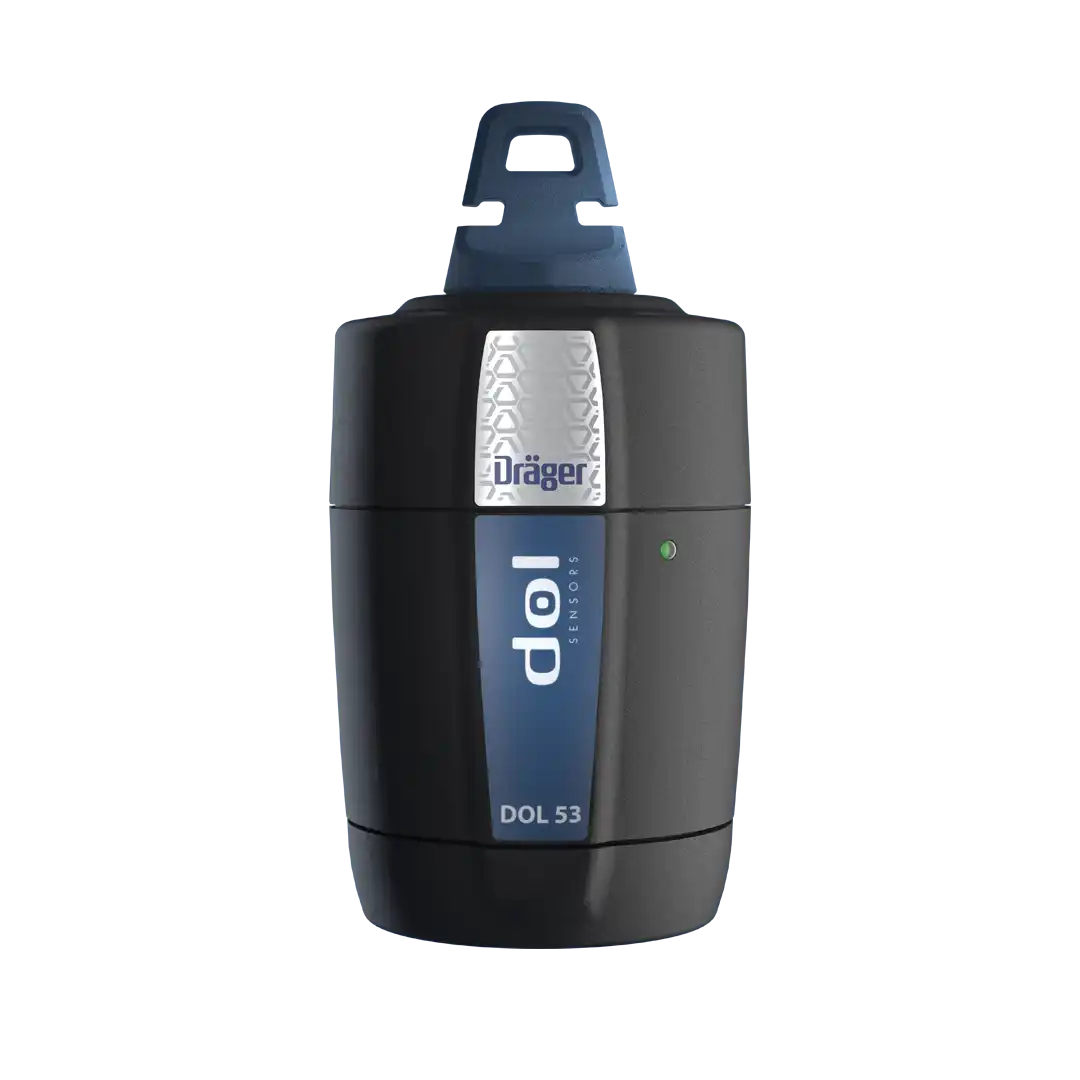
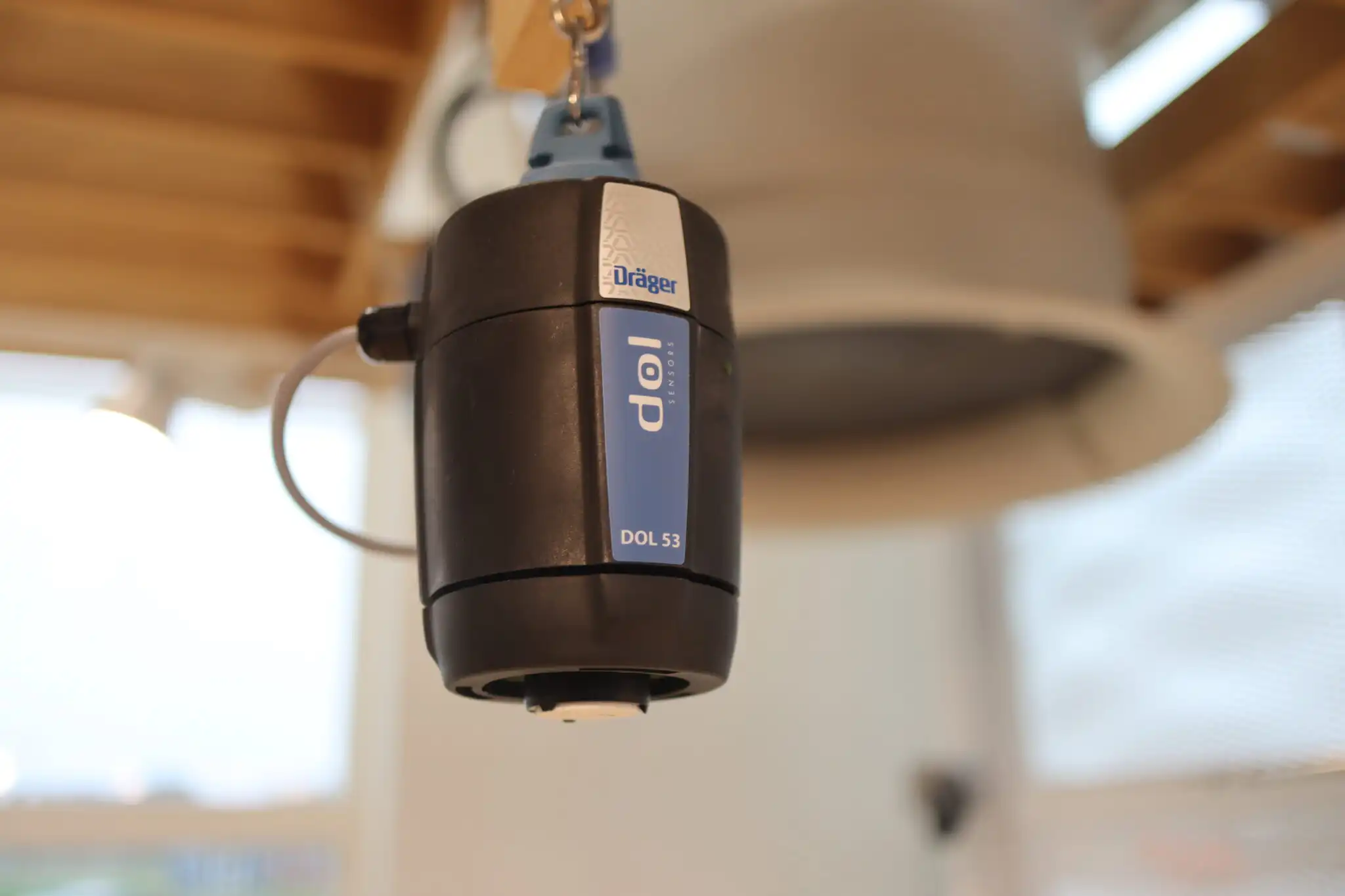
With dol-sensors’ ammonia sensors you can continuously monitor ammonia levels with great accuracy. Combined with a farm controller, the ammonia sensors can help ensuring automation of the ventilation system.

*Source: “Ammonia in the Atmosphere during Brooding Affects Performance of Broiler Chickens”, F. N. REECE, B. D. LOTT, and J. W. DEATON and “Poultry Housing Tips”, Volume 32, No. 1, University of Georgia

Climate Sensors Of The Future
Learn how continuous monitoring helps producers identify developing production challenges through changes in water consumption, growth performance and other key production indicators.

The demand for a more sustainable food production increases every year. To live up to this, food producers must keep enhancing their production and make sure that the animals have the best living conditions possible in order to avoid mortality, enhanced FCR, and poor meat quality. This calls for accurate real-time data.

Accurate Real-time Data

Constantly monitoring the climate in livestock houses is essential to create optimal animal welfare and the most efficient production. It is no longer enought to measure the temperature, humidity, CO2, and ammonia once in a while. Climate sensors of the future provide accurate real-time data allowing for more timely and effective decision-making, when it comes to managing the production, since the farmer or farm manager get an up-to-date picture of the production.

The Importance of Accurate Data

One of the key benefits of using climate sensors in poultry houses is that they can help prevent the spread of disease. Poultry are particularly susceptible to respiratory infections, which can be exacerbated by poor air quality. By monitoring the levels of carbon dioxide, ammonia, and humidity, you can make sure that the air inside the poultry house is fresh and free from harmful gases.

In a poultry production, the temperature and humidity play an important role during the entire life of the chicken from hatchery and hatching until they are sent to slaughter. Chickens are very sensitive to temperature changes. If it is too cold, the chickens might eat more and stick together to keep warm, meaning they produce more fat than meat due to the combination of high feed consumption and low movement. A low temperature might also cause egg laying problems.

Whether the data from the climate sensors is accurate or not has a huge impact on the production. As mentioned, temperature and humidity have a great effect on the production and animal welfare which makes it vital that the measurements are accurate. Accurate data can lead to less stress on birds and thus greater productivity.

Hardened Design For Agriculture
Learn how continuous monitoring helps producers identify developing production challenges through changes in water consumption, growth performance and other key production indicators.

Hardened Design for Agriculture

Our sensors are specially designed for withstanding the harsh environment in agriculture. Therefor all our capacitive and climate sensors are:

  • Robust
  • Accurate
  • Designed for lasting a lifetime

Read more about our different sensors here.

Ensuring Durability and Efficiency in Farming

Agriculture today is far more than just the simple cultivation of crops and raising of livestock—it’s a high-tech industry where precision and efficiency are key. Central to this modern approach are various types of sensors that help monitor everything from soil moisture and temperature to crop health and livestock conditions. However, the harsh environmental conditions of farming necessitate that these sensors not only be precise but also extremely durable. This is where the concept of a hardened design for agricultural sensors comes into play.

What is Hardened Design?

Hardened design refers to the process of making devices robust enough to withstand the harsh environments in which they are to be used. For agricultural sensors, this means ensuring that they can endure extreme environmental conditions, resist water and dust, and handle exposure to gases like CO2 and NH3 (ammonia). The objective is to create sensors that provide reliable data across a variety of challenging conditions without faltering.

Selected Sensors

Documents

English
Leaflet
DOL 119 One pager
English
Leaflet
DOL 53 Ammonia Sensor_Onepager

Join our newsletter

Stay ahead in livestock production.

Join our newsletter and get industry insights, expert perspectives, and practical strategies for optimizing performance and efficiency.