Get Control In Your Poultry Production

The Impact of Knowledge and Performance Management

Most farm manager want to know what is going on in their productions; how are the broilers performing, how big is the mortality rate, and so on. Gaining control and insight into poultry production can have a significant impact on a farm’s efficiency, profitability, and overall success.

Being well-informed about the various aspects of poultry production — from breeding and feeding to health management and environmental control — enables farm managers to make better decisions. This understanding helps in improving animal welfare, and ultimately, enhancing productivity.

Improved Health and Welfare

A thorough knowledge of poultry health and behavior empowers farm managers to swiftly identify and address issues. This leads to healthier flocks, lower mortality rates, and reduced need for medical interventions, which can be costly and sometimes detrimental to the birds’ health and the quality of the produce.

Higher Product Quality and Yield

Farm managers who have a deeper understanding of their poultry’s performance can achieve higher product quality. This includes better meat texture and flavor, as well as higher egg production rates and quality. Such improvements are often the result of well-managed feeding programs, optimal living conditions, and stress reduction strategies.

Transforming Pig Production
Discover how data-driven monitoring of climate, air quality, and feed supply helps improve flock health, performance, and production results.

Data-Driven Decisions

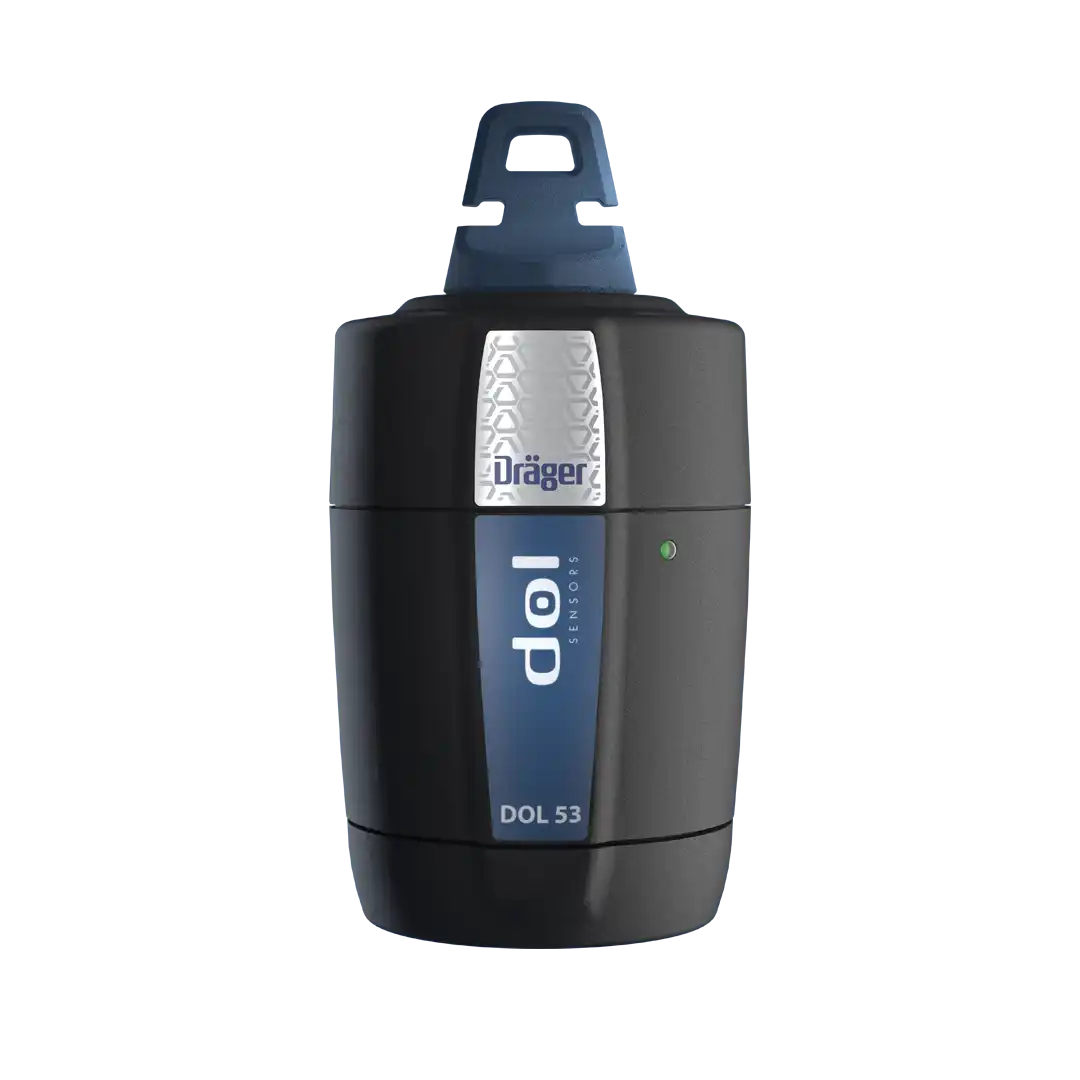
Modern poultry farms increasingly rely on data to inform their decisions. These data most often come from reliable and accurate sensors that are specially designed for the harsh environments in poultry houses. Monitoring data about the temperature, humidity, CO2 level, ammonia level, and feed supply can provide the farm manager with crucial data to ensure optimum living conditions in the barn.

Furthermore, control over the environment is essential in preventing the outbreak of diseases. Farmers with a good grasp of biosecurity measures can effectively protect their flocks from common diseases, ensuring continuous production and safeguarding against potential losses.

Automatic Climate Control In Greenhouses Increases Yield
Learn how continuous monitoring helps producers identify developing production challenges through changes in water consumption, growth performance and other key production indicators.

Automatic climate control in greenhouses increases yield

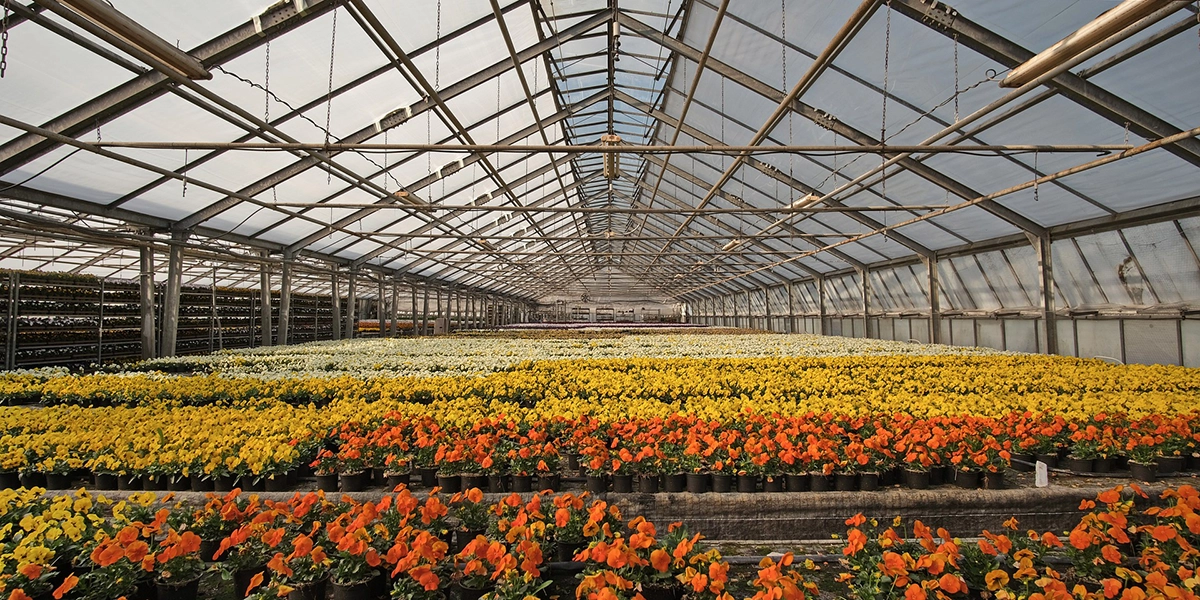
Automatic climate control in greenhouses has been shown to significantly increase production by creating a more optimal growing environment for plants.

One of the primary benefits of automatic climate control is the ability to maintain a consistent temperature and humidity level within the greenhouse. This helps to reduce stress on plants and allows them to grow more efficiently, resulting in higher yields. Accurate monitoring of CO₂ levels is an important part of greenhouse climate management and can help optimize plant growth and yield.

Learn more about agricultural CO₂ sensors.

Using accurate temperature and humidity sensors such as DOL 104 and DOL 114 in connection with a controller that regulates the climate system automatically will help you getting the optimum climate in your greenhouse.

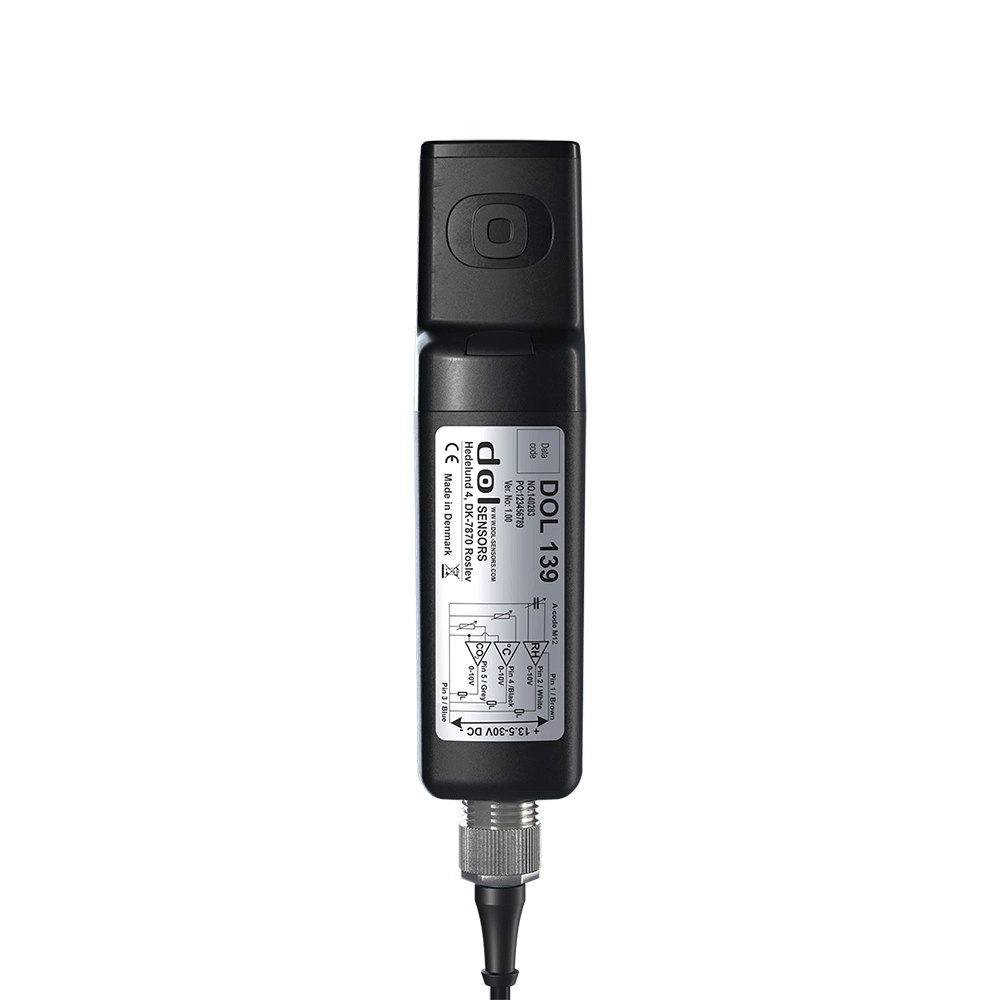
In addition to temperature and humidity control, automatic climate control systems can also be used to regulate the amount of light that plants receive with use of e.g. DOL 16 light sensor, as well as the levels of CO2 (e.g. with DOL 119 or DOL 139)and other gases in the air. By optimizing these factors, farmers can create a more conducive environment for plant growth and increase production.

Another advantage of automatic climate control is the ability to monitor and track conditions within the greenhouse in real-time. This allows farmers to quickly identify and address any issues that may arise, helping to minimize any disruptions to the growing process. The collected real-time data can be saved, shared, and compared to data from earlier or from other greenhouses.

Overall, the use of automatic climate control in greenhouses has been shown to significantly improve the growth and productivity of crops, making it an essential tool for modern greenhouse operations.

Consumer Trends Reshaping the Pork Market
Learn how continuous monitoring helps producers identify developing production challenges through changes in water consumption, growth performance and other key production indicators.

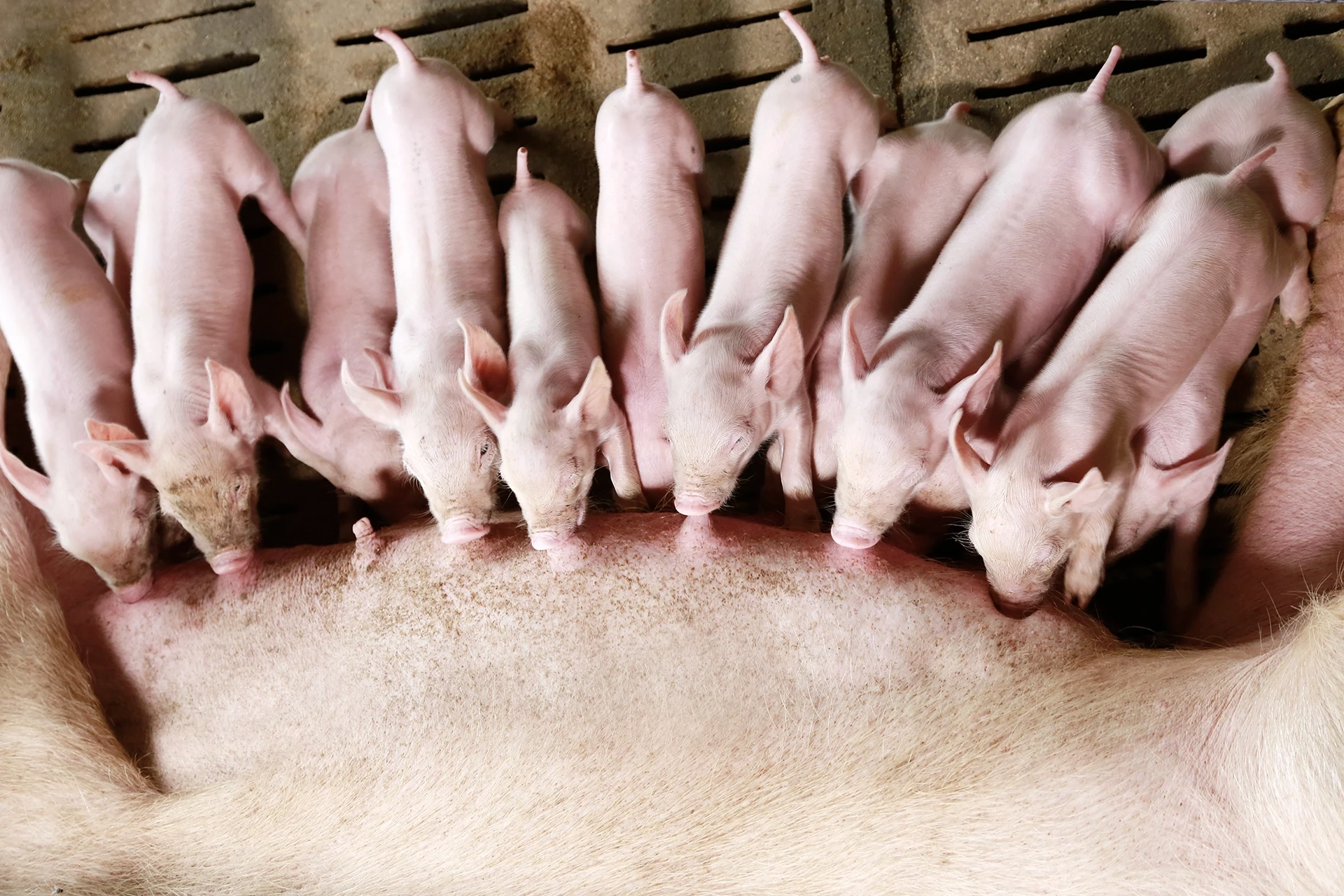
Global demand for pork continues to rise — but not evenly across the world. Developing regions are driving much of this growth, while consumption in many wealthier countries has slowed or even declined. As health awareness, sustainability concerns, and evolving lifestyles reshape consumer preferences, the pork industry faces both new challenges and exciting opportunities.

Global Growth: Developing Markets Lead the Way

In Asia, Latin America, and parts of Africa, pork remains a key source of affordable protein. Rising incomes, urbanization, and expanding middle classes are fueling demand for meat products — particularly pork, which is widely accepted and culturally significant in many regions.

China remains the world’s largest consumer and producer of pork, though other markets such as Vietnam, the Philippines, and Mexico are showing strong growth. Consumers in these regions are increasingly turning to processed and value-added pork products that offer convenience and food safety assurances.

Mature Markets: Shifting Priorities in Developed Economies

In contrast, pork consumption in North America and Europe has plateaued or declined slightly. Consumers in these markets are becoming more selective — prioritizing health, ethics, and sustainability over quantity. This shift is leading to new patterns in purchasing and product development, including:

  • Lean and low-fat options: Health-conscious consumers are reducing red meat intake but still seek lean, high-quality pork cuts.
  • Plant-protein competition: Flexitarian diets are gaining popularity, driving producers to emphasize the nutritional value and environmental efficiency of pork.
  • Premium and traceable products: There’s growing demand for pork raised with higher welfare standards, traceable origins, and antibiotic-free claims.

From Sensor Data to Smarter Farm Management
Learn how continuous monitoring helps producers identify developing production challenges through changes in water consumption, growth performance and other key production indicators.

Modern pig farms generate enormous amounts of data - but data alone doesn't create value. The real impact comes from integrating climate, feed, water, and weight data into one unified system.

What Integration Enables

Cross-parameter Insights

Correlating multiple data streams highlights trends that would remain hidden if viewed separately. For example, rising temperatures with declining feed intake can reveal early signs of heat stress before it comes visible in animal behavior.

Automated Reporting

Integrated data flows simplify documentation for audits, sustainability reporting, and compliance requirements - saving hours of manual work.

Predictive Analytics

Historical patterns support forecasting, allowing the system to alert before a potential issue escalates. This enables early interventions that protect both animal health and performance.

Benchmarking and Comparison

With all data in one place, farm managers can easily compare barns, batches, production cycles, or even farm locations. This visibility highlights improvement opportunities and supports more consistent results across operations.

Practical Examples

  • Detecting ventilation malfunction before pigs show symptoms of stress
  • Identifying feed system irregulates through water-feed correlation
  • Improving batch uniformity by adjusting climate based on growth data
  • Reducing labor time spent on manual checks
  • Identify issues in the barn online without being in the house

Selected Sensors

Documents

English
Technical Information
DOL 139_Technical Information_EN
English
Technical Information
DOL 44_DOL 44R and iDOL 44R_Technical Information_EN

Join our newsletter

Stay ahead in livestock production.

Join our newsletter and get industry insights, expert perspectives, and practical strategies for optimizing performance and efficiency.