Optimum Animal Welfare

Increased Production Due To Better Animal Welfare

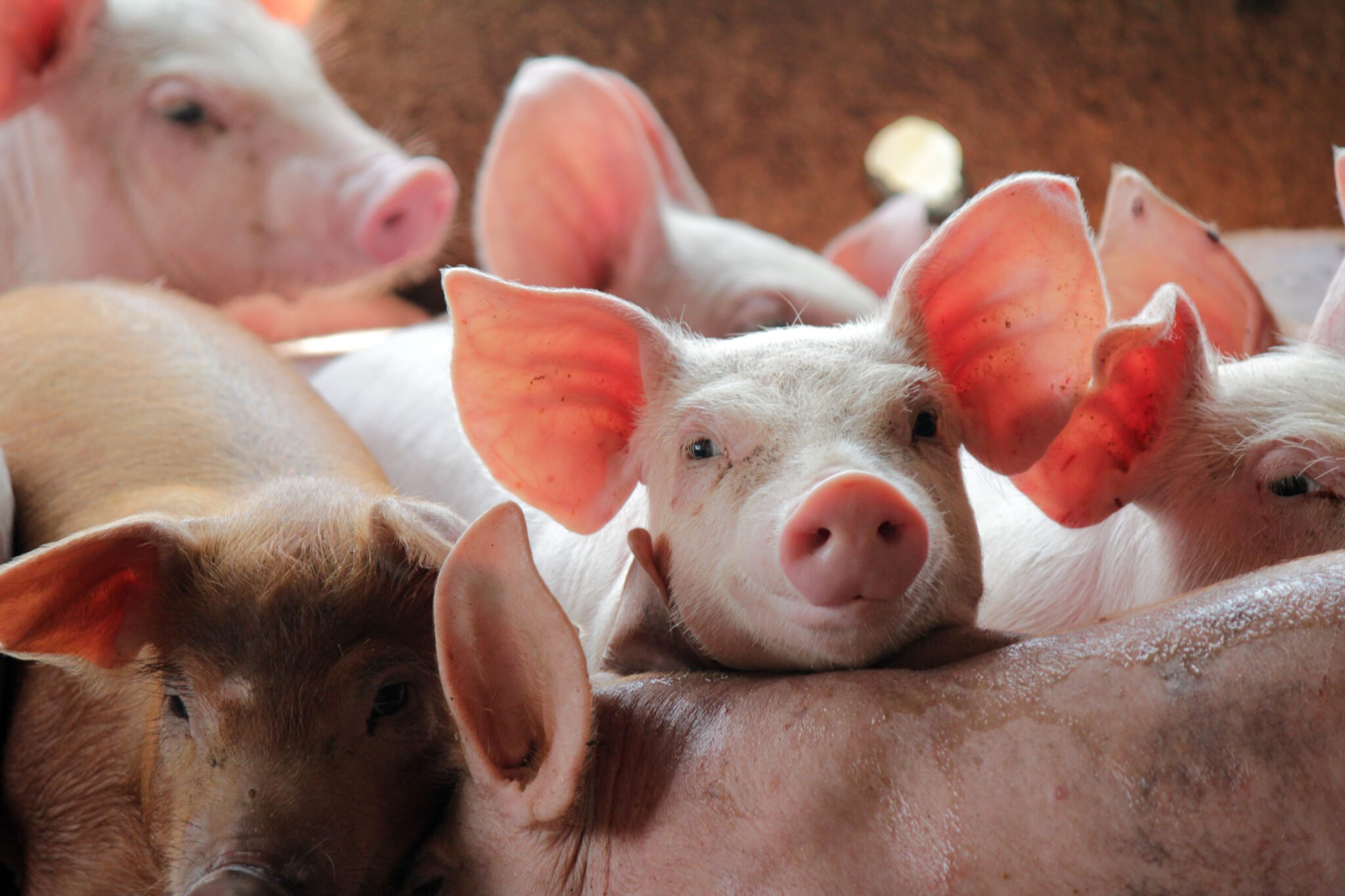
The welfare of your animals is essential to the yield and profit of your pig production. In recent years, there has been a growing recognition of the link between animal welfare and farm productivity. Farm managers who invest in better living conditions, health care, and nutrition for their pigs often see a noticeable increase in production, alongside improved quality of produce.

The Connection Between Animal Welfare and Production

Animal welfare refers to the physical and mental health and well-being of animals. In pig farming, this encompasses several aspects, including housing conditions, diet, health care, and the ability to engage in natural behaviors. Good welfare practices lead to healthier animals, and healthier animals are more productive. They grow faster, have better reproductive performance, and produce higher quality meat.

Increase Animal Welfare
Discover how better animal welfare supports pig health, growth, productivity, and overall farm performance.

Enhanced Growth and Health

Pigs raised in environments that meet their physiological and psychological needs tend to have stronger immune systems and are less susceptible to diseases. This reduces the need for antibiotics and other medications, which in turn leads to better growth rates and meat quality. Stress-free pigs, resulting from good welfare conditions, convert feed more efficiently, leading to faster growth.

Improved Reproductive Performance

The reproductive performance of pigs is significantly impacted by their welfare. Sows kept in comfortable conditions with proper nutrition and minimal stress are more likely to have successful pregnancies and healthy litters. This increases the overall productivity of the farm.

Quality of Produce

The quality of pork is directly related to the conditions in which pigs are raised. Stress and poor living conditions can lead to lower quality meat, often tougher and less flavorful. On the other hand, pigs raised in better conditions produce meat that is more tender, has better marbling, and is generally of higher quality.

Housing and Environment

Providing spacious, clean, and well-ventilated housing is crucial. Pigs need enough space to move around freely, rest comfortably, and engage in natural behaviors. Proper temperature control and adequate lighting also play a vital role in creating a stress-free environment.

Automated Climate and Ventilation in Pig Production
Learn how continuous monitoring helps producers identify developing production challenges through changes in water consumption, growth performance and other key production indicators.

Maintaining the right climate is one of the most critical factors in efficient pig production. Pigs are highly sensitive to changes in temperature, humidity, and air quality. Any imbalance can lead to heat stress, poor feed conversion, increased disease risk, and reduced growth rates. Automated climate and ventilation systems are transforming how farmers manage these challenges — ensuring healthier animals, greater efficiency, and higher profits.

The Importance of Climate Control in Pig Housing

Optimal climate control directly influences animal welfare and performance. Pigs cannot sweat, so managing heat and humidity within their environment is essential. Poor air quality caused by excess ammonia, carbon dioxide, or dust can also impact respiratory health and feed intake. Manual monitoring and adjustments can be time-consuming and inconsistent, especially in large-scale operations.

Automated systems solve this by continuously monitoring environmental factors such as:

  • Temperature and humidity levels
  • Ammonia and carbon dioxide concentrations
  • Airflow and ventilation rates
  • External weather conditions

By automatically adjusting fans, heaters, and inlets, these systems keep conditions stable around the clock.

Data Doesn't Replace Experience. It Strengthens It.
Learn how continuous monitoring helps producers identify developing production challenges through changes in water consumption, growth performance and other key production indicators.

Livestock production has always depended on experience.

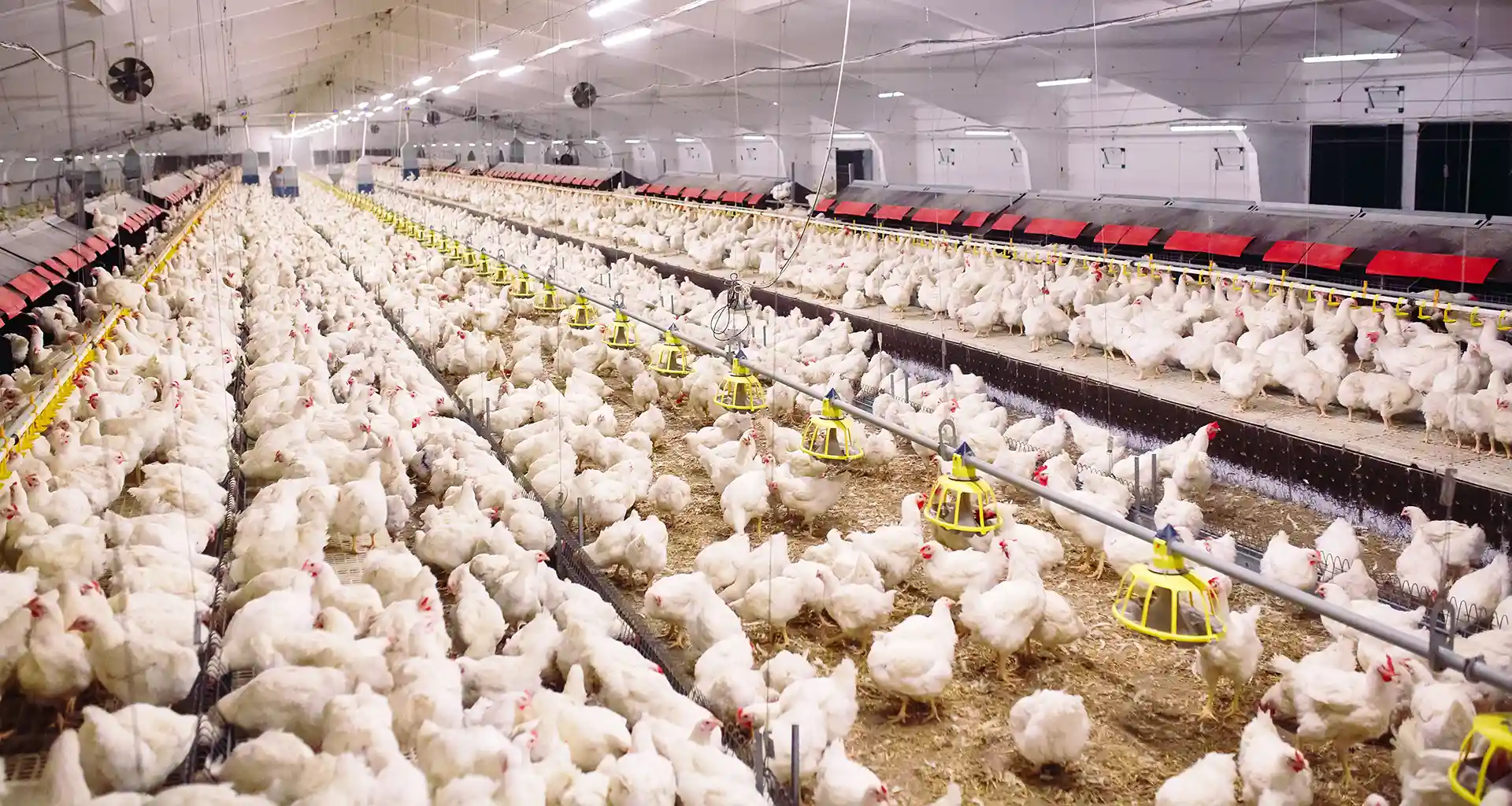
Whether managing a poultry house or a pig facility, experienced producers develop a strong understanding of animal behavior, environmental conditions, and daily operations. These insights are built over years of observation and hands-on management.

As monitoring technologies become more common in modern livestock production, some producers wonder whether data is replacing experience.

The reality is quite the opposite.

Experience Still Matters Most

No sensor can replace the knowledge that comes from working with animals every day.

Experienced producers can often spot subtle changes in behavior, identify unusual patterns, and recognize early signs of developing challenges before they become serious problems. That expertise remains one of the most valuable resources on any farm. However, even the most experienced manager cannot be everywhere at once.

The Need for Greater Visibility

Modern poultry and pig production is becoming increasingly complex.

Environmental conditions can change throughout the day, often without obvious signs. Ventilation performance, temperature, humidity, CO₂ levels, and water consumption may shift gradually before they become noticeable during routine inspections. This is where continuous monitoring adds value.

Rather than replacing human expertise, monitoring technologies provide an additional layer of visibility that helps producers better understand what is happening inside the house or barn.

→ Read: They Key Environmental Factors Every Poultry Barn Should Get Right

Better Information Supports Better Decisions

Reliable data helps producers make decisions based on facts rather than assumptions.

For example, the DOL 119 CO₂ Sensor provides insight into ventilation performance and indoor air quality, while the DOL 114 Humidity & Temperature Sensor helps monitor environmental conditions that influence animal welfare and productivity.

For producers seeking a broader environmental overview, the DOL 139 combines temperature, humidity, and CO₂ monitoring in a single sensor.

Production indicators are just as important. The DOL 90 Water Meter continuously monitors water consumption, often one of the earliest signs that something within the livestock house has changed. Together, these measurements provide valuable information that supports daily management decisions.

Livestock Sensors
Learn how continuous monitoring helps producers identify developing production challenges through changes in water consumption, growth performance and other key production indicators.

Sensors for Livestock

dol-sensors innovates, designs, and produces intelligent livestock monitoring sensors for agriculture and other industries.

Our product range contains capacitive sensors and climate sensors.

All of our sensors for livestock are specially designed for lasting a lifetime and to withstand the harsh environment in livestock houses.

What Are Livestock Sensors?

Livestock sensors are devices designed to monitor and gather data related to the environment in the barn and feed supply and consumption. They can be seen as the nexus where technology meets livestock management, providing farmers and farm managers with a detailed insight that was previously inaccessible or hard to obtain.

The primary drive behind the development of these sensors was the increasing need for real-time, accurate data to optimize farming operations. Traditionally, farmers and farm managers relied on periodic checks, intuition, sense of smell, or visible signs to assess the health and productivity of their livestock. However, such methods are often reactive rather than proactive. With sensors, farmers can now detect potential issues before they escalate, ensuring timely intervention and reducing losses.

Selected Sensors

No items found.

Documents

English
Technical Information
DOL 139_Technical Information_EN
English
Leaflet
Climate brochure Pig
English
Technical User Guide
DOL 53 Technical User Guide_EN
English
Technical Information
DOL 16_0-10V_Technical Information_EN
English
Leaflet
DOL 139 Humidity, Temperature and CO2 Sensor
English
Technical User Guide
DOL 139_Technical User Guide_EN
English
Technical Information
DOL 114_Technical Information_EN

Join our newsletter

Stay ahead in livestock production.

Join our newsletter and get industry insights, expert perspectives, and practical strategies for optimizing performance and efficiency.