The Value of Continuous Monitoring
Routine inspections remain a critical part of poultry management. However, modern poultry houses are dynamic environments where conditions can change throughout the day.
Continuous monitoring provides additional visibility into these changes.
Instead of relying solely on periodic observations, producers can monitor environmental conditions around the clock and identify trends that may otherwise go unnoticed.
This can support:
- Earlier detection of environmental challenges
- Improved ventilation management
- More informed decision-making
- Better animal welfare outcomes
- Greater production consistency
The goal is not simply to collect more data, but to transform that data into actionable insights.
Combining Key Environmental Parameters
To gain a complete understanding of house conditions, producers often need visibility into multiple environmental factors at the same time.
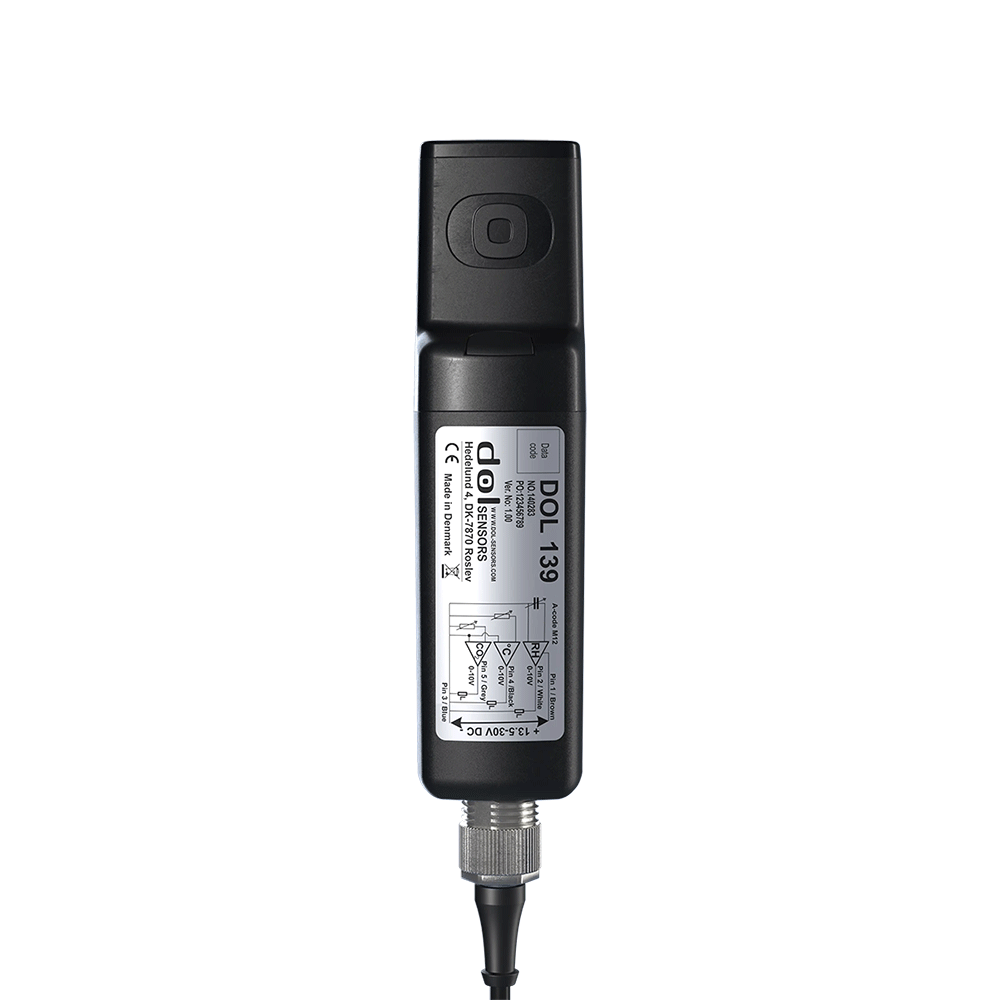
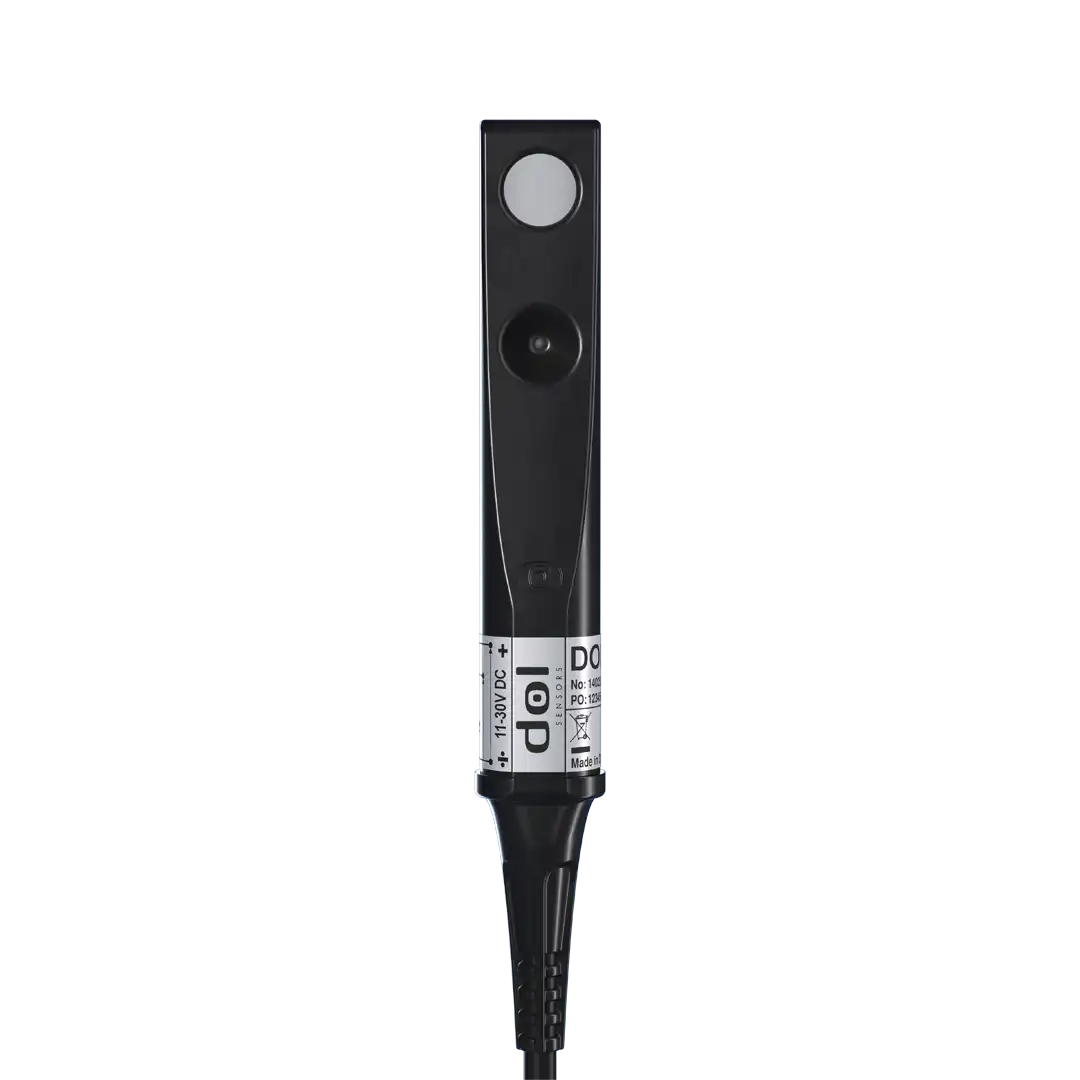
The DOL 139 combines temperature, humidity, and CO₂ monitoring in a single sensor solution, providing a comprehensive overview of key environmental conditions within the house.
By monitoring these parameters together, producers can more easily identify relationships between environmental changes and gain deeper insight into the overall production environment.
This supports a more proactive approach to flock management and helps create the conditions necessary for healthy and productive birds.
Recognizing the Signals Early
Production success is often determined long before visible problems emerge.
The ability to identify small environmental changes early can make a significant difference in both flock welfare and production performance.
While major challenges may seem to appear suddenly, they are often preceded by subtle signals that provide valuable opportunities for intervention.
Because in poultry production, the smallest changes often tell the biggest stories.