
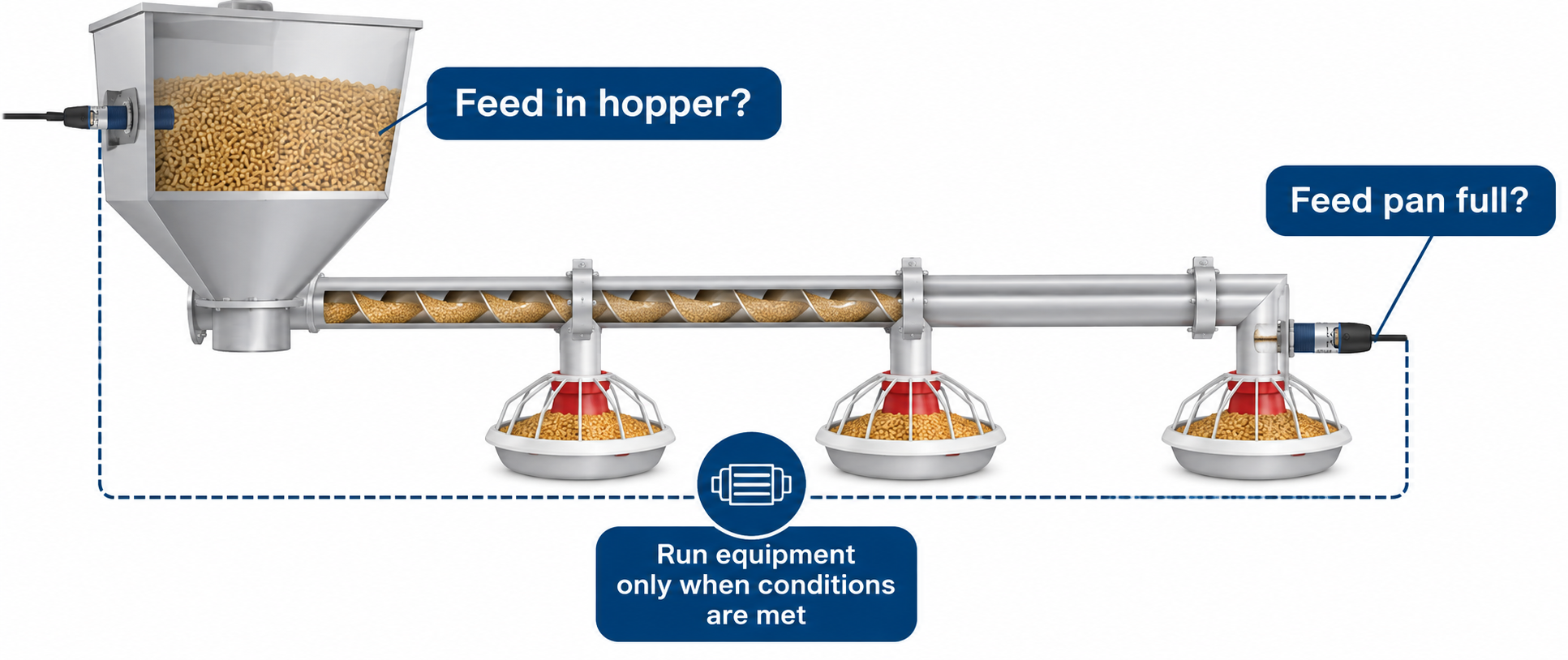
How series-connected sensors work
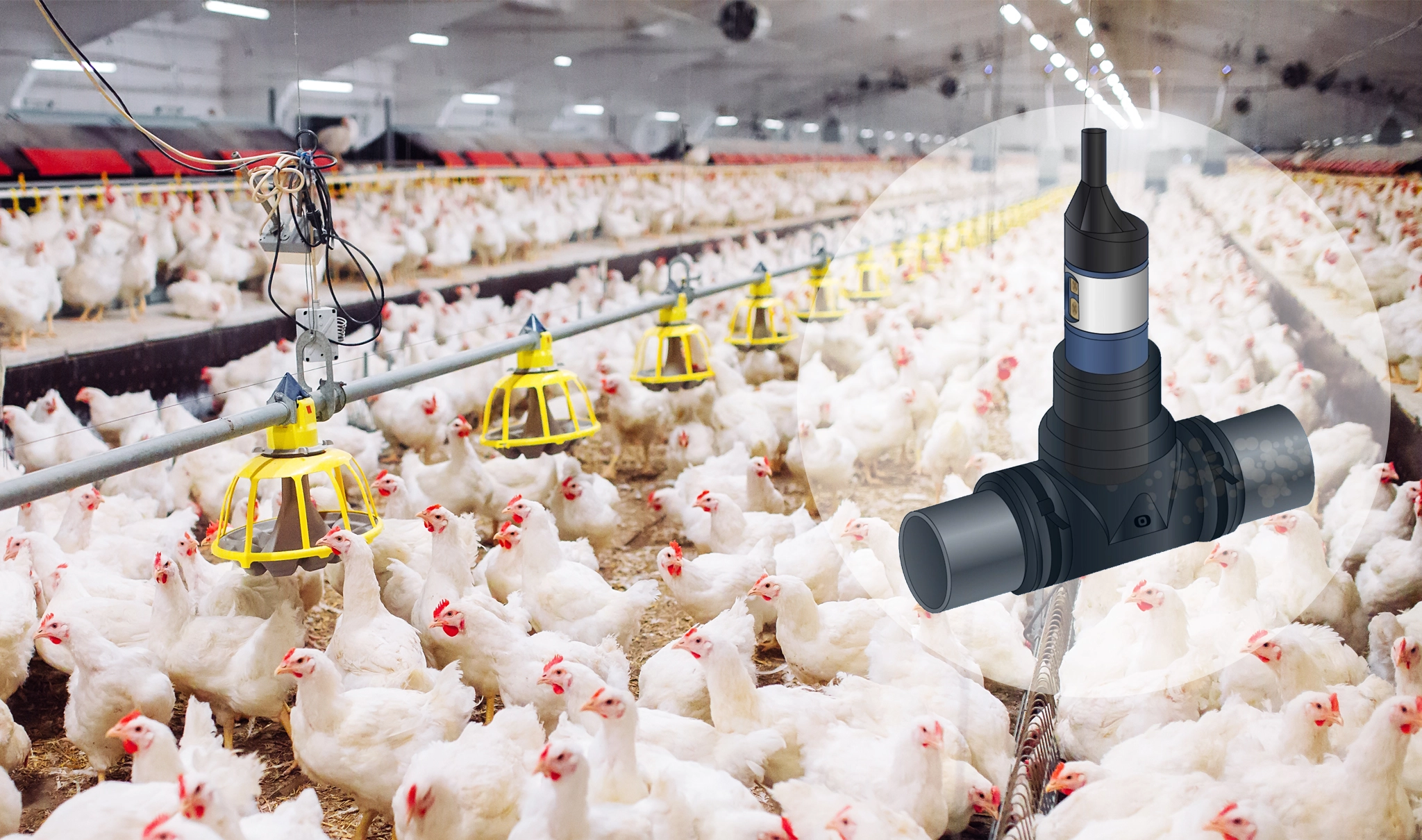
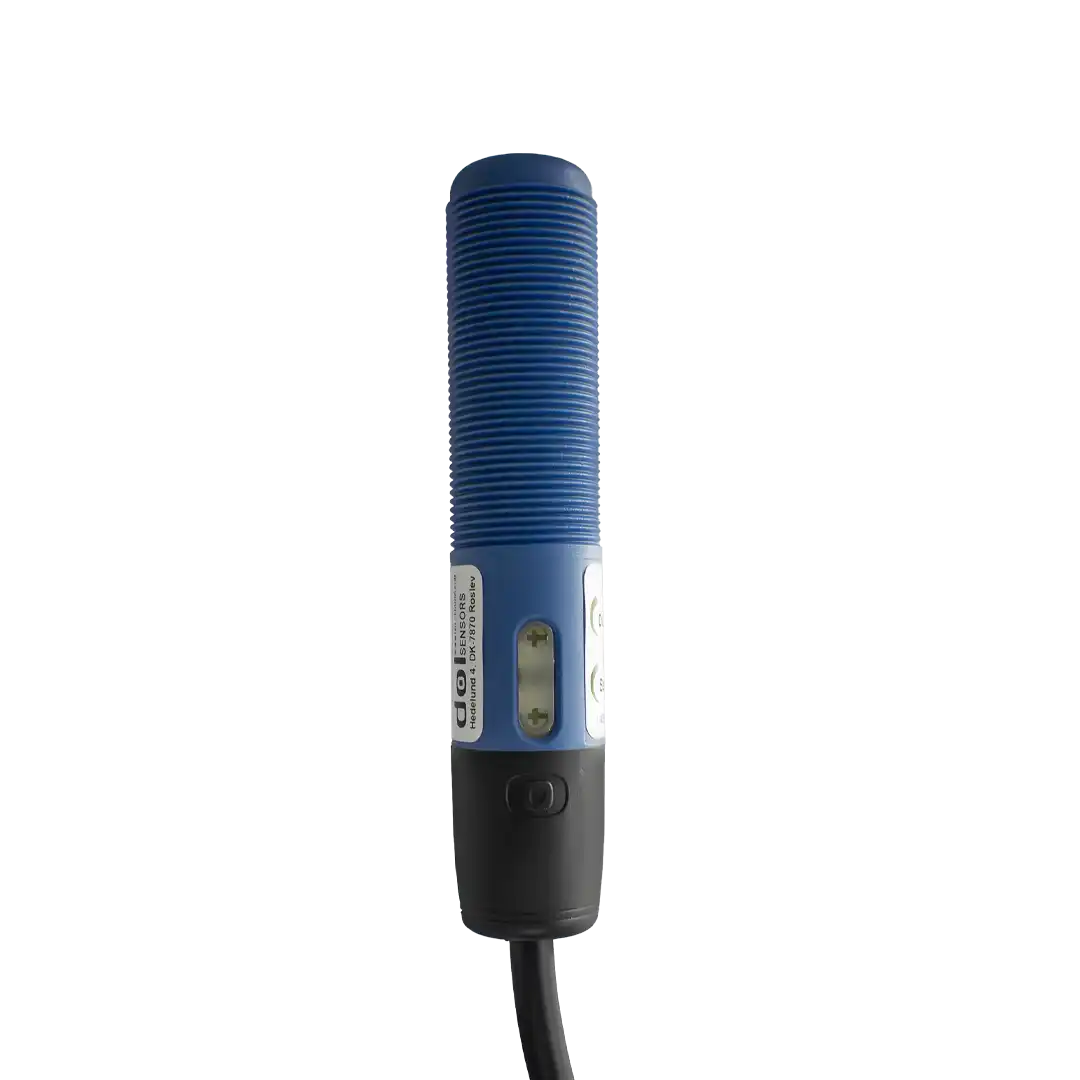
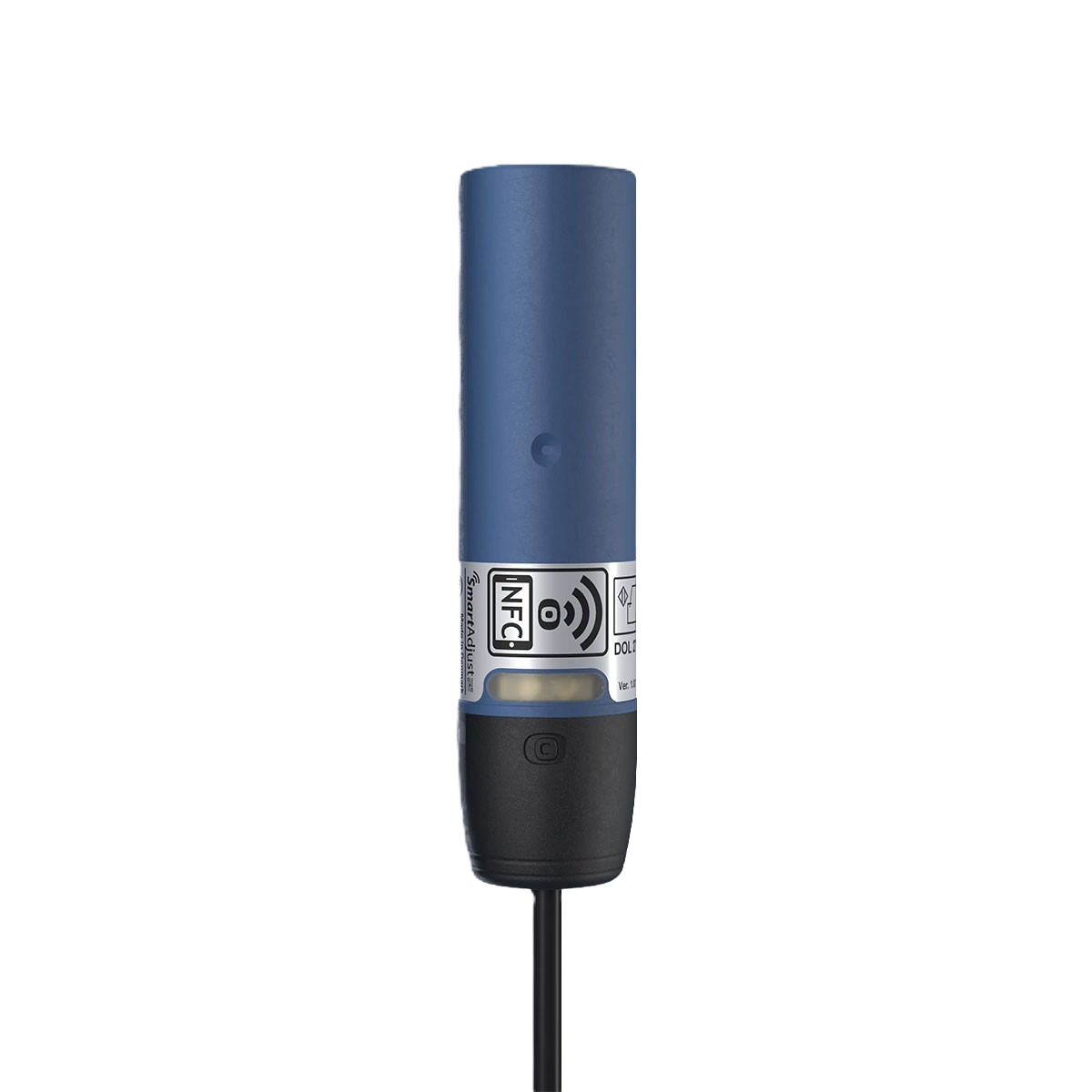
The SCR SE series from dol-sensors is designed for applications where two or more capacitive sensors need to be connected in series. When the sensors are connected in series, the output is activated only when all connected sensors are triggered. This makes it possible to verify conditions at multiple points before activating or deactivating equipment – without requiring a separate control signal from each sensor.
Sensor 1
Detects the material or condition at the first point.
+
Sensor 2
Detects the material or condition at the second point.
=
Equipment control
The output is activated when the required conditions are met.
A simple example: Controlling a feed auger
One sensor can be installed in the hopper to detect whether feed is available, while another sensor monitors the feed pan.
Connecting the two sensors in series allows the status at both locations to be taken into account when controlling the feed auger.
For example, this can prevent the auger from running when the hopper is empty.
The result is a simple way to reduce unnecessary empty running, helping to limit equipment wear and unnecessary energy consumption.
Simple series connection. No additional control system required.
The SCR SE sensors are connected directly in series with the load.
The sensors have no polarity requirements, making installation straightforward. Built-in overload and short-circuit protection also help protect the sensors in demanding applications.
For OEMs, this provides a simple way to introduce multi-point detection into feeding equipment without unnecessarily increasing system complexity.
Designed for demanding agricultural applications
dol-sensors capacitive sensors are developed for reliable detection in demanding environments found in poultry and pig production.
They can be used to detect feed and other materials without mechanical moving parts, making them well suited for automated feeding and material handling equipment.
Could series connection improve your equipment?
Every feeding system is different. The optimal sensor setup depends on what you need to detect, where the sensors are installed and how the equipment should respond.
Tell us about your application, and our sensor specialists can help you find the right solution.