You Can't Be Everywhere at Once: Why CO₂ Monitoring Matters in Modern Poultry Production
Learn how continuous monitoring helps producers identify developing production challenges through changes in water consumption, growth performance and other key production indicators.
Experience and daily observation remain at the heart of successful poultry production.
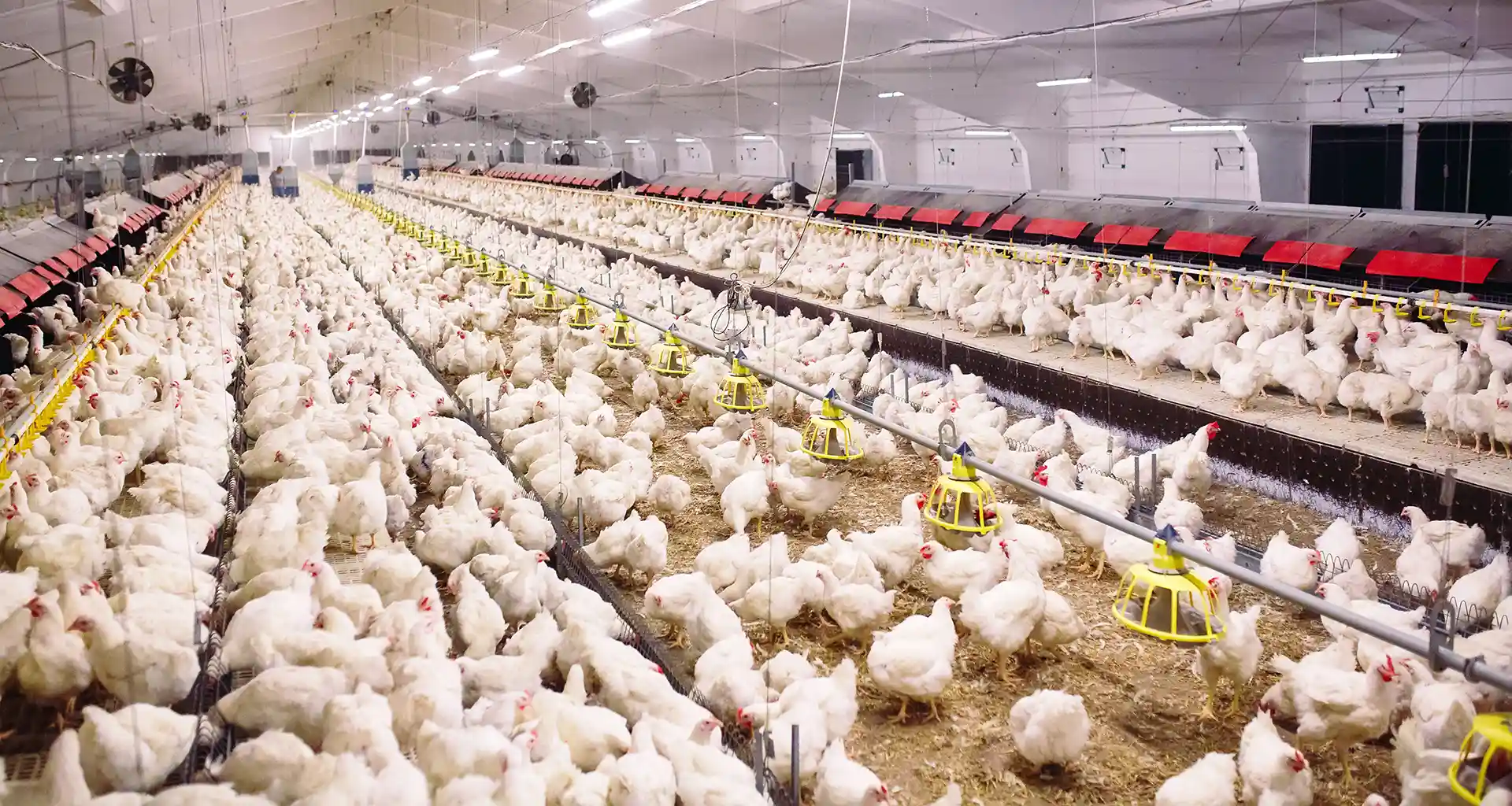
Experienced producers can often spot changes in flock behavior, identify environmental issues, and respond quickly to developing challenges. However, modern poultry houses are becoming increasingly complex, making it difficult to rely solely on what can be seen, heard, or physically observed.
Some of the most important indicators of house conditions are simply invisible.
Carbon dioxide (CO₂) is one example.
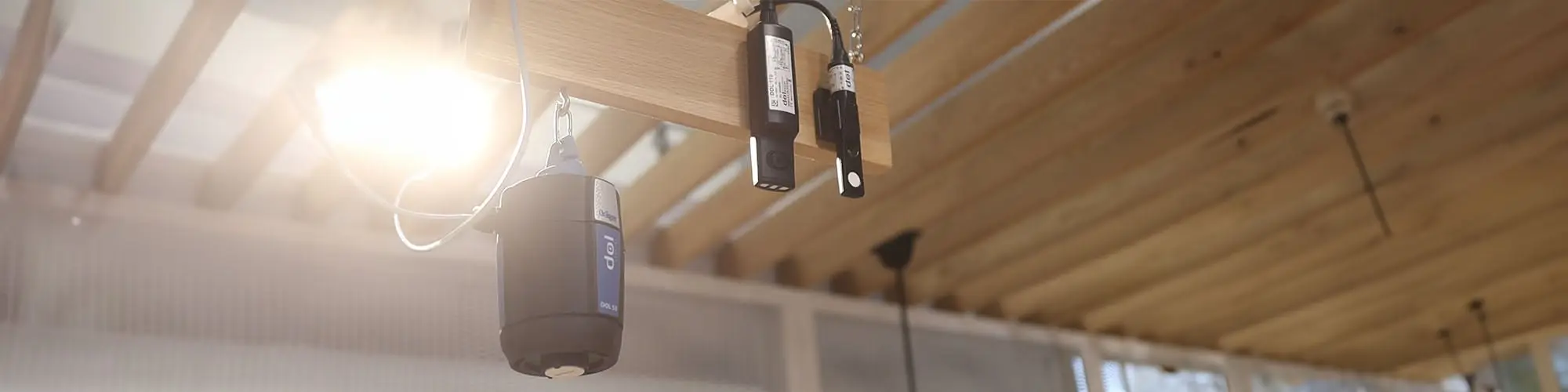
Although birds and farm staff cannot see CO₂ levels, this parameter can provide valuable insight into ventilation performance, air quality, and overall environmental conditions inside the poultry house.
What Can CO₂ Tell Us?
Carbon dioxide is naturally produced by both birds and heating systems. As a result, CO₂ levels continuously change throughout the day depending on factors such as flock size, bird age, ventilation rates, and outdoor conditions.
When ventilation is functioning effectively, fresh air replaces stale air, helping maintain a healthy indoor environment.
However, if ventilation becomes insufficient, CO₂ levels may begin to rise.
This makes CO₂ an important indicator for evaluating whether air exchange rates are meeting the needs of the flock.
Monitoring CO₂ can help producers identify:
- Ventilation inefficiencies
- Changes in indoor air quality
- Seasonal ventilation challenges
- Potential environmental stressors
- Opportunities to optimize climate control
While CO₂ alone does not tell the whole story, it provides valuable information that may not be apparent through visual observation alone.