Consistent And Reliable Feed Supply In Poultry Production

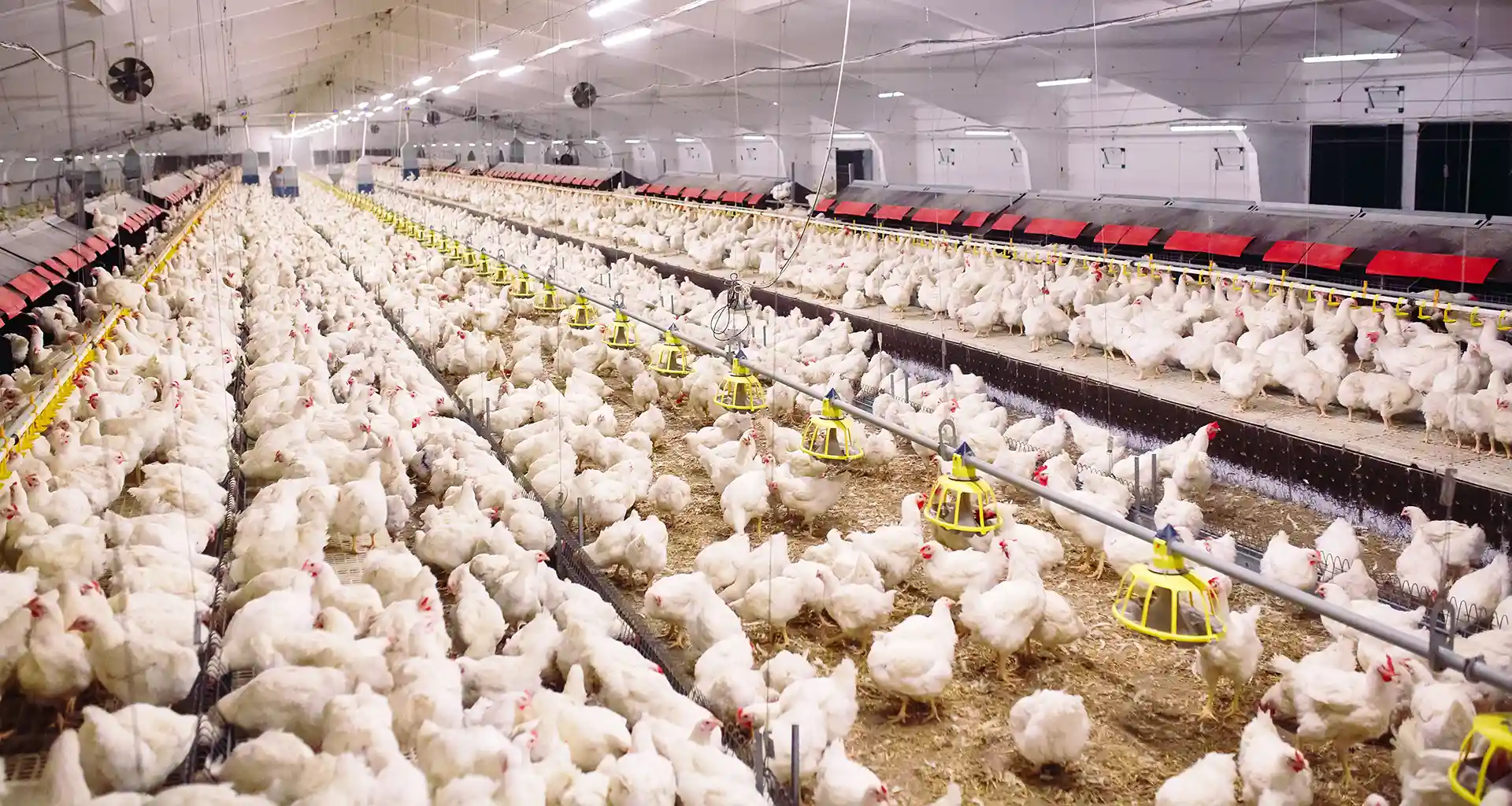
Feed supply involves the delivery of raw materials, ingredients, or mixed feed to production sites like factories, plants, or animal farming operations. Maintaining a steady and dependable supply of feed is essential for the efficient functioning of any production site and for the well-being of animals in farming contexts.

Incorporating Capacitive Sensors into Feed Supply Management

Enhancing the feed supply chain’s effectiveness can be achieved by integrating capacitive sensors. Capacitive sensors are electronic devices that measure the capacity or amount of electrical charge stored in a material. They work by detecting changes in capacitance, which is the ability of a material to store an electrical charge.

Capacitive sensors have a wide range of applications in managing feed supplies. For instance, they are effective in gauging the quantity of raw materials in storage facilities like bins, silos, or tanks. This monitoring helps in averting material shortages and guarantees uninterrupted production due to sufficient raw material or compound feed availability.

Monitoring The Flow Rate

Capacitive sensors can also be used to monitor the flow rate of raw materials being transported through pipes or conveyor belts. This can help to optimize the rate at which materials are supplied to the production process, ensuring that there is neither an excess nor a deficiency of raw materials.

Overall, the use of capacitive sensors in the feed supply process can help to improve efficiency, reduce costs, and prevent disruptions in production. They offer a reliable and cost-effective means of monitoring and controlling the flow of raw materials, ensuring that production can be maintained at optimal levels.

Reduce Your Feeding Costs
Learn how to reduce feeding costs in poultry production.

Impact On Animal Welfare

If the capacitive sensor are failing in reliability, the feed supply will no longer be consistent. This means that the animals are either feeded too much or too little. Too much feed in a feed pan can make the animals eat too much, increasing the production cost and the FCR. But it can also result in mould formation in the feed pan causing illness and bad animal welfare.

Too little feed supply will of course decrease animal welfare and weight gain and even increase mortality.

Thus, reliable and robust capacitive sensors are vital to the production performance.

Different Outputs

dol-sensors’ capacitive proximity sensors comes with 4 different outputs; Relay, PNP, NPN, and SCR:

  1. Relay (DOL 44, DOL 40 Series, iDOL 46 ATEX, DOL 28, and DOL 20)
  2. PNP (DOL 26 and DOL 27)
  3. NPN (DOL 26 and DOL 27)
  4. SCR (DOL 20, DOL 26 and DOL 27)

Capacitive Proximity Sensors with Relay Output

Sensors with relay output can manage feed supply systems or small motors like a snail in pellet stoves. They simply detect whether there is material in front of them or not and provide the motor or fees supply system with a signal to open or close. Our relay sensors have no voltage drop.

DOL 44, DOL 40 series (DOL 41, DOL 43 , and DOL 45), and iDOL 46 ATEX are capacitive proximity sensors with relay ourput.

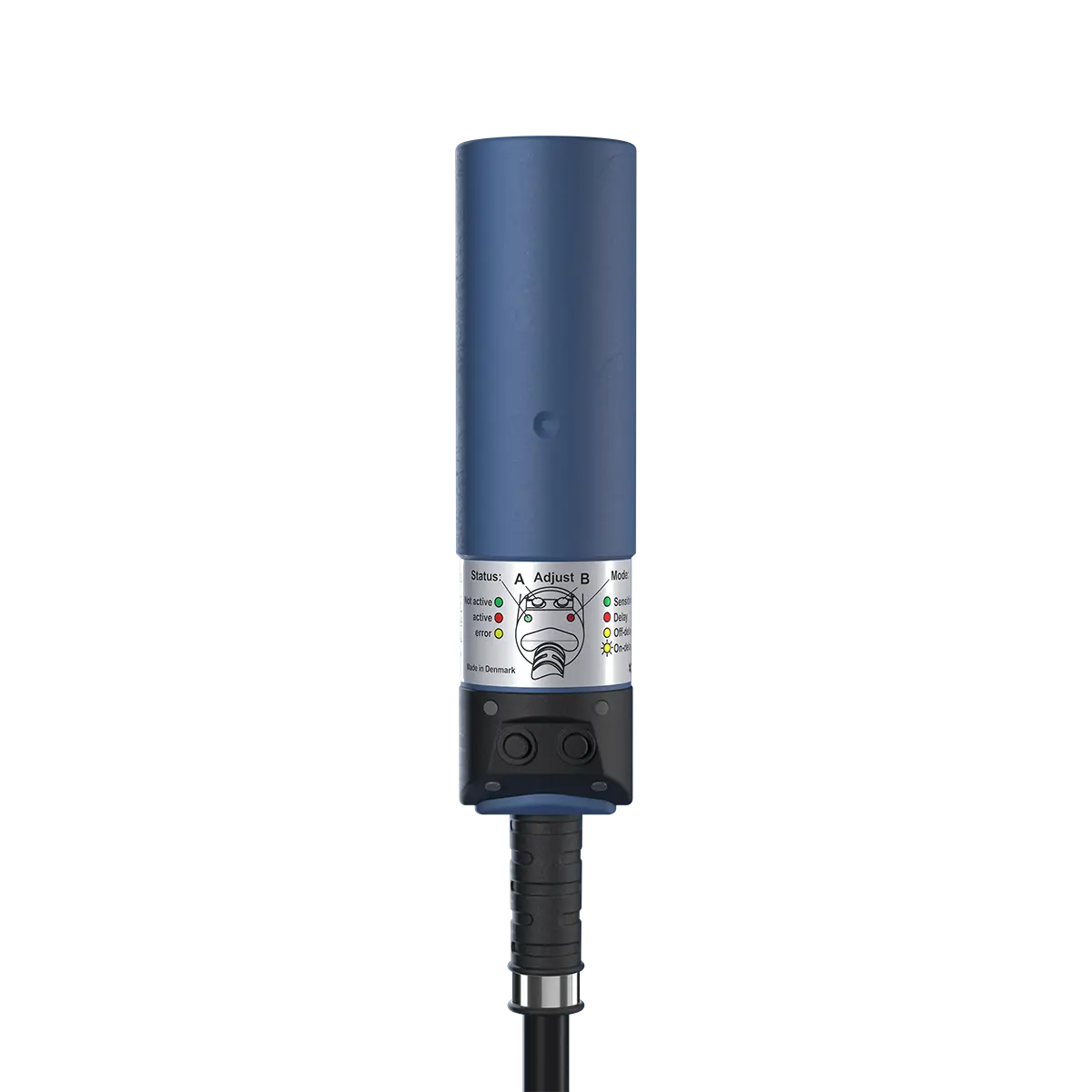
DOL 44 is a non-flushed sensor at 30 or 33mm with a sensitivity at 0-15mm. The sensor can be adjusted with two trimmers or with the SmartAdjust App for the iDOL 44. If you have the conical sensor DOL 33, you can replace it with the DOL 44 in 33mm.

The DOL 40 Series consist of 3 sensors with different types of relay; one with no delays – DOL 41, one with only off delay – DOL 43, and one with both on and off delays – DOL 45. The sensors can be adjusted with two switches.

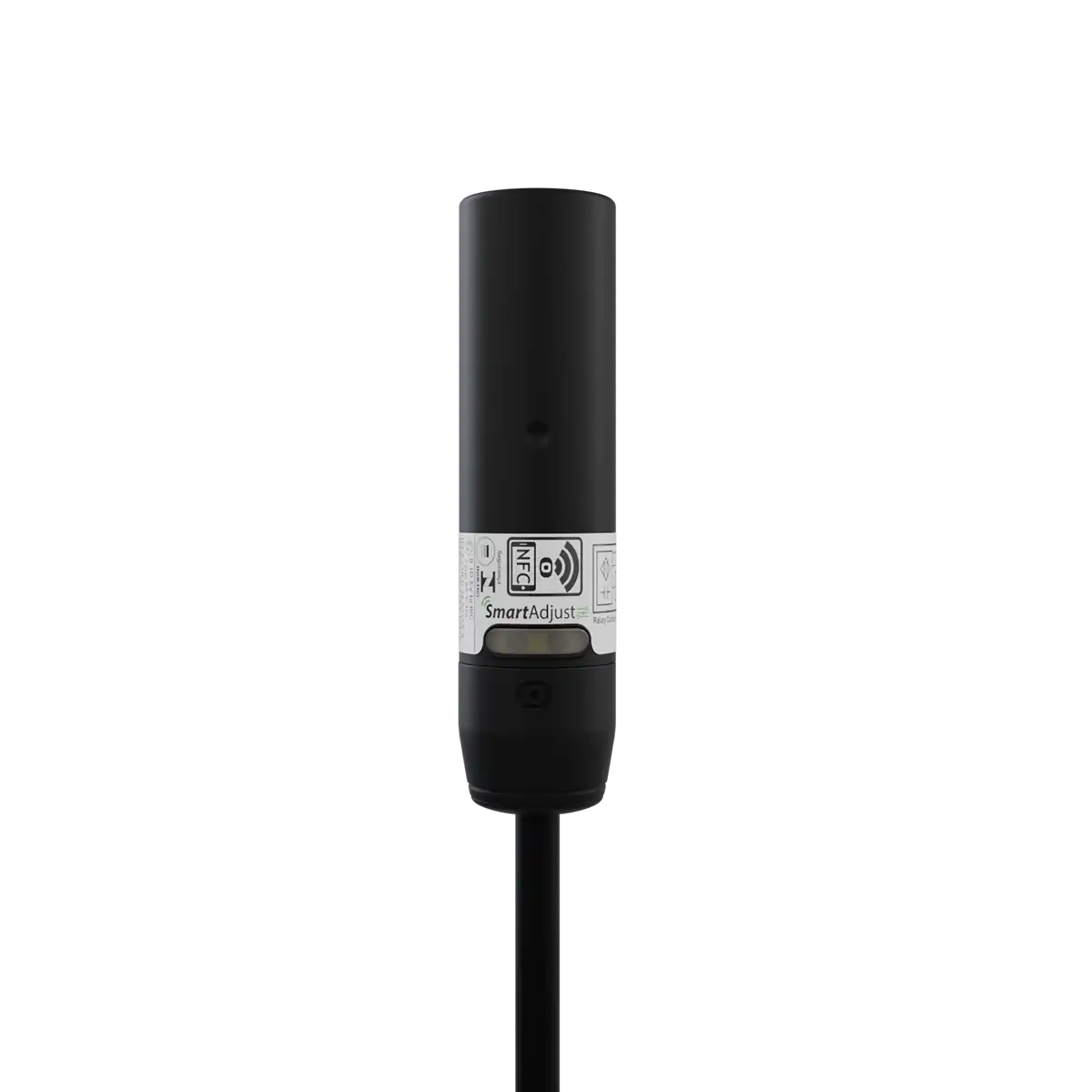
iDOL 46 ATEX is approved according to ATEX directive 2014/34/ EU for operation in potentially explosive dust atmospheres which is why it is suitable for the dusty environment in livestock houses. The sensor can be adjusted with the SmartAdjust App with a NFC connection to the sensor.

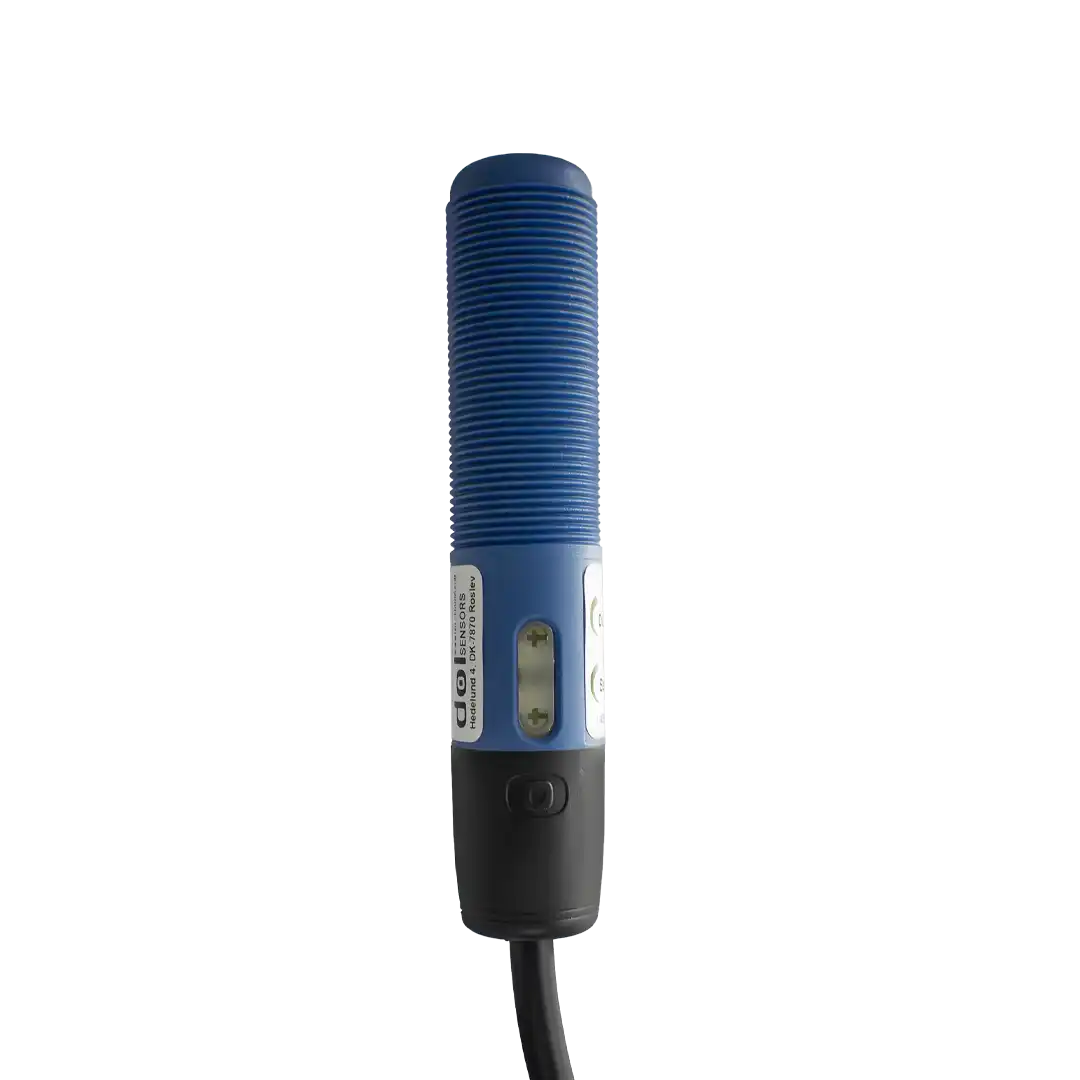
In a feed string you can place two capacitive proximity sensors; one in the beginning and one in the end. But in some cases you will place one sensors at the last feed pan in the feed string to make it monitor the level of feed and make sure no of the other feed pans are emptied. In this case, some people like having a light on the feed pan that is monitored by the sensor, since it can attract the broilers to this feed pan making it the most attractive one. Thus we have made DOL 28 with a light and two trimmers to adjust the sensor.

DOL 20 comes with both Relay and SCR output and due to its flat back it can be mounted outside of the container with screws or glue. The iDOL 20 can be adjusted with the SmartAdjust App and the DOL 20 with to trimmers.

Capacitive Proximity Sensors with PNP or NPN Output

Sensors with PNP or NPN outputs can manage industrial controls or custommade controls e.g. for feed supply systems and have a low voltage at 10-30V.

DOL 26 and DOL 27 are sensors with PNP, NPN or SCR outputs. The main difference between the two is that DOL 26 is only 18mm which makes it fit in narrow spaces and DOL 27 is 30mm which makes it detect loose or solid material on a futher distance with a sensitivity of 0-20mm. DOL 26 has a cable return to make it easy to strip the cable against the feed pan keeping it out of the animals’ reach. DOL 27 comes in a flushed version which means that it only detects loose and solid material in front of the sensor.

Capacitive Proximity Sensors with SCR Output

Sensors with a SCR output only have two conductors which makes them save power. These sensors are used as a substitute for at swich.

The sonsors that have SCR output are:

  • DOL 20
  • DOL 26
  • DOL 27

Adjusting Sensors with the SmartAdjust App

Our SmartAdjust App makes it possible for you to adjust your iDOL sensors with a NFC connection to the sensor. This gives you all our variant’s adjustment possiblities. with a DOL sensor you will have limited adjustment possiblities.
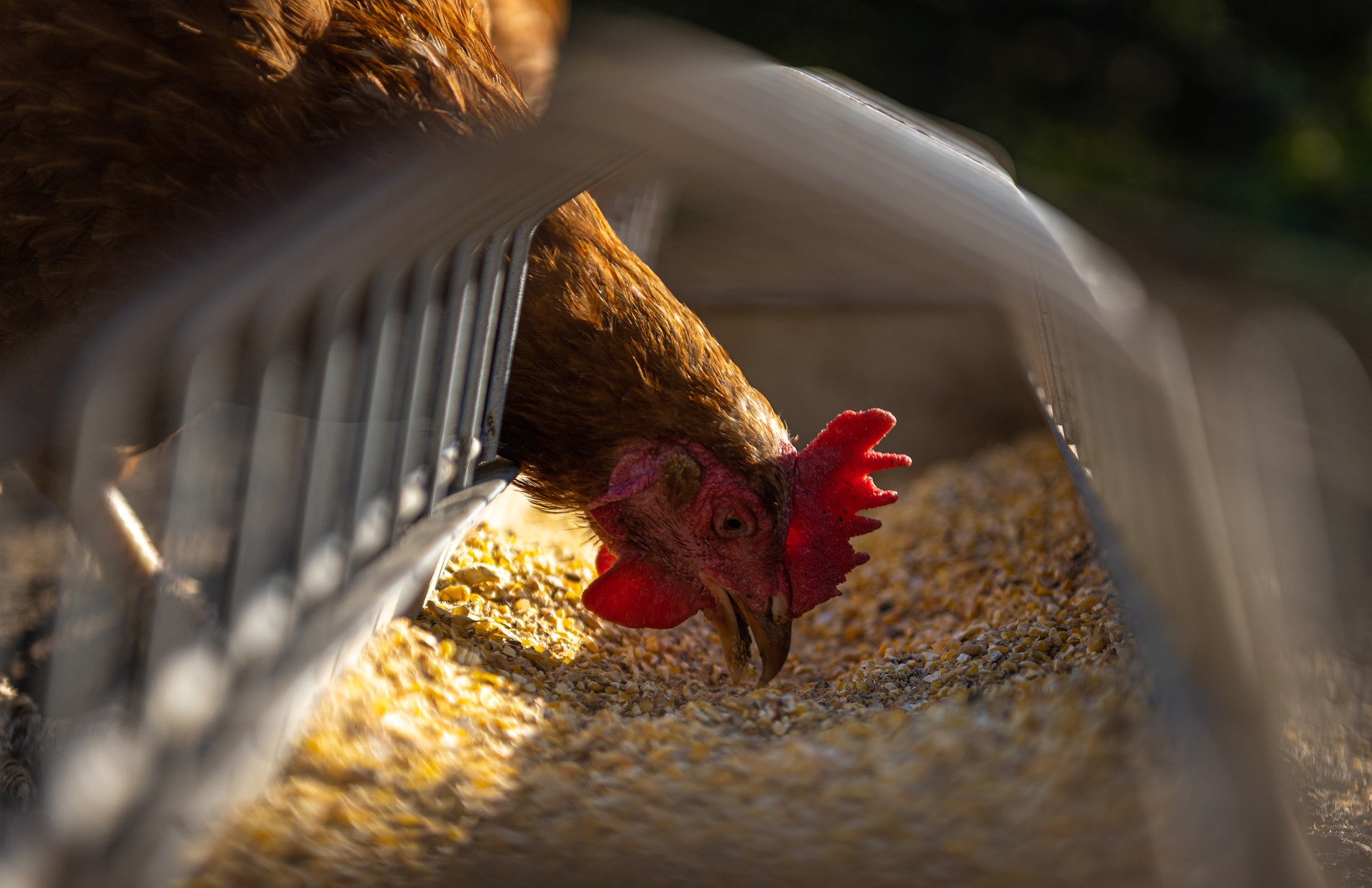
Busting the Most Common Poultry Myths
Learn how continuous monitoring helps producers identify developing production challenges through changes in water consumption, growth performance and other key production indicators.

Poultry farming is full of ideas that have been repeated for years, but not all of them hold up in modern production. As genetics, housing, and management practices evolve, it becomes increasingly important to challenge old assumptions and understand what truly drives flock health and performance.

Myth 1: The Birds Will Show You When Something Is Wrong

Poultry are prey animals, and they instinctively hide early signs of stress or illness. By the time symptoms become visible, the issues have often been developing for quite some time.

  • Early changes in behavior or environment are easy to miss
  • Relying only on visual checks often leads to late reactions
  • Continuous monitoring helps catch problems long before they escalate

Myth 2: Ventilation Is Only a Winter Concern

Many believe barns should be closed in colder weather to keep birds warm, but poor air exchange quickly creates new problems.

  • Humidity, ammonia, and CO₂ rise fast when airflow drops
  • These invisible changes affect growth, comfort, and respiratory health
  • Good ventilation is essential all year - not just in winter

Myth 3: More Feed Means Better Growth

Modern birds don't grow better simply because more feed is available.

CO2 Sensors
Learn how continuous monitoring helps producers identify developing production challenges through changes in water consumption, growth performance and other key production indicators.

CO2 Sensors For Better Animal Welfare

Keeping a low level of CO2 (carbon dioxide) is vital to agricultural production and animal welfare. In poultry and pig farms, a too high CO2 level can cause higher feed consdumption rates and higher mortality, thus impacting the performance of the production significantly and lower profits for farmers and farm managers.

Carbon dioxide accumilation in the barn, can cause respiratory problems and even death, which means that monitoring the CO2 level is vital to the production. Controlling the ventilation and eliminating CO2 in the house is one of the most important factors in poultry and pig production.

In addition, high levels of CO2 can cause stress and discomfort for the animals, leading to aggressive behavior and increased risk of injury. By monitoring the CO2 level and controlling the ventilation, farmers and farm managers can create a more comfortable and healthy environment for their animals, reducing the risk of disease and improving overall welfare.

Decrease The Need For Labour In Poultry Production
Learn how continuous monitoring helps producers identify developing production challenges through changes in water consumption, growth performance and other key production indicators.

How to Decrease the Need for Labour in Poultry Production

With rising costs, staff shortages, and growing demands for efficiency, producers are increasingly looking for ways to streamline operations without compromising animal welfare or productivity. The good news is that advances in management practices and technology are making it possible to reduce labour needs while maintaining—or even improving—flock performance.

The Challenge of Labour in Poultry Farming

Traditional poultry production requires a high level of manual work: feeding, monitoring climate conditions, checking water lines, collecting data, maintaining equipments, cleaning, and inspecting flock health. These repetitive and time-consuming tasks not only require manpower but also increase the risk of human error. By reducing the need for manual intervention, producers can save time, cut costs, and create a more consistent production flow.

Selected Sensors

Documents

English
Technical Information
DOL 40 series_DOL 41-43-45_Technical Information_EN
English
Technical Information
iDOL 46 ATEX_Technical Information_EN
English
Technical Information
DOL 44_DOL 44R and iDOL 44R_Technical Information_EN
English
Leaflet
Corporate Brochure Poultry
English
Leaflet
Capacitive Brochure

Join our newsletter

Stay ahead in livestock production.

Join our newsletter and get industry insights, expert perspectives, and practical strategies for optimizing performance and efficiency.