Get Control In Your Pig Production

The Effect of Knowledge and Performance Management in Pig Production

Farm managers in pig production are keen to understand the dynamics of their operations: how are the pigs growing, what’s the rate of mortality, and other key performance indicators. Gaining control and insight into pig production can significantly enhance a farm’s efficiency, profitability, and overall success.

Being knowledgeable about various aspects of pig production — from breeding and feeding to health management and environmental control — is crucial for farm managers. This knowledge aids in improving animal welfare and, consequently, boosts productivity.

Improved Health and Welfare in Pig Production

A comprehensive understanding of pig health and behavior enables farm managers to quickly identify and resolve issues. This leads to healthier herds, lower mortality rates, and a reduced need for medical interventions, which can be expensive and sometimes harmful to the pigs’ health and the quality of the produce.

Higher Product Quality and Yield

Farm managers with a deeper understanding of their pigs’ performance can achieve higher product quality. This includes better meat texture and flavor, as well as more efficient reproduction rates. Such improvements are often the result of well-managed feeding programs, optimal living conditions, and strategies to reduce stress.

Transforming Modern Pig Production
Discover how monitoring temperature, humidity, ammonia, CO₂, and feed systems helps optimize pig welfare, performance, and production results.

Data-Driven Decisions in Pig Farming

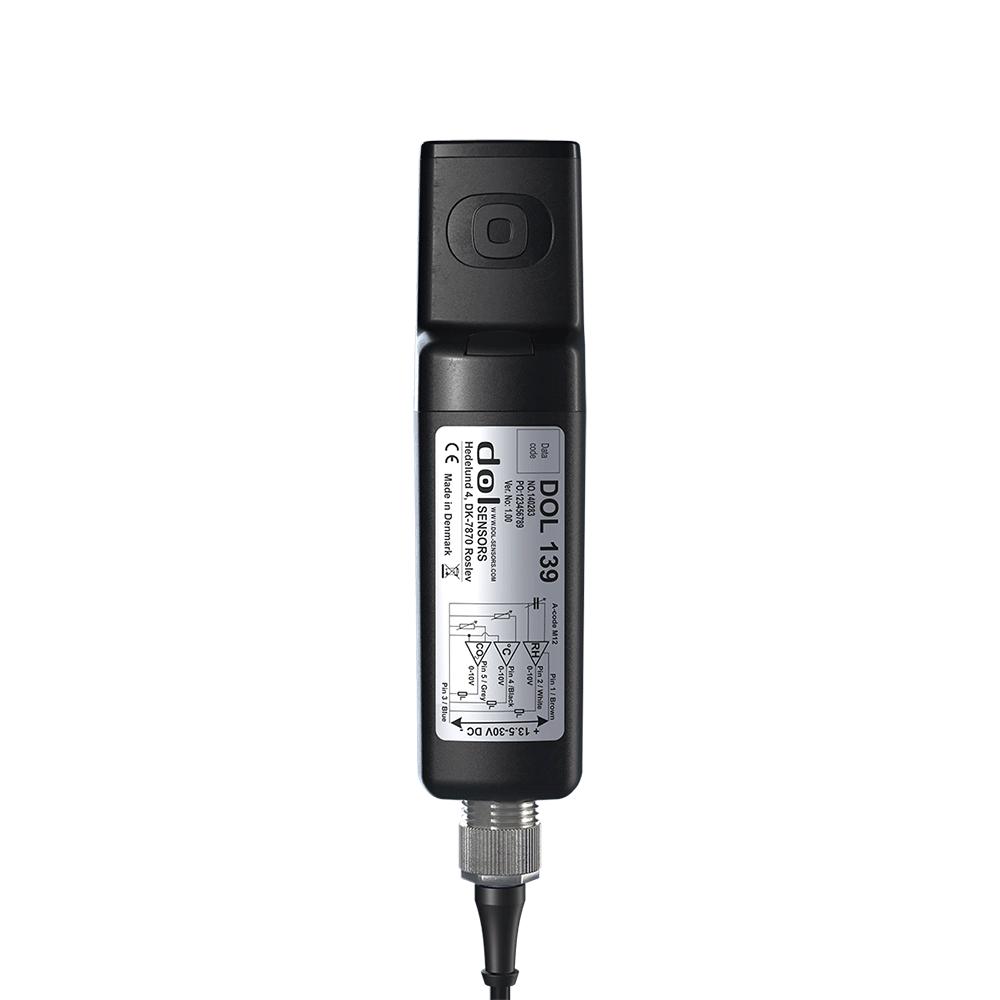
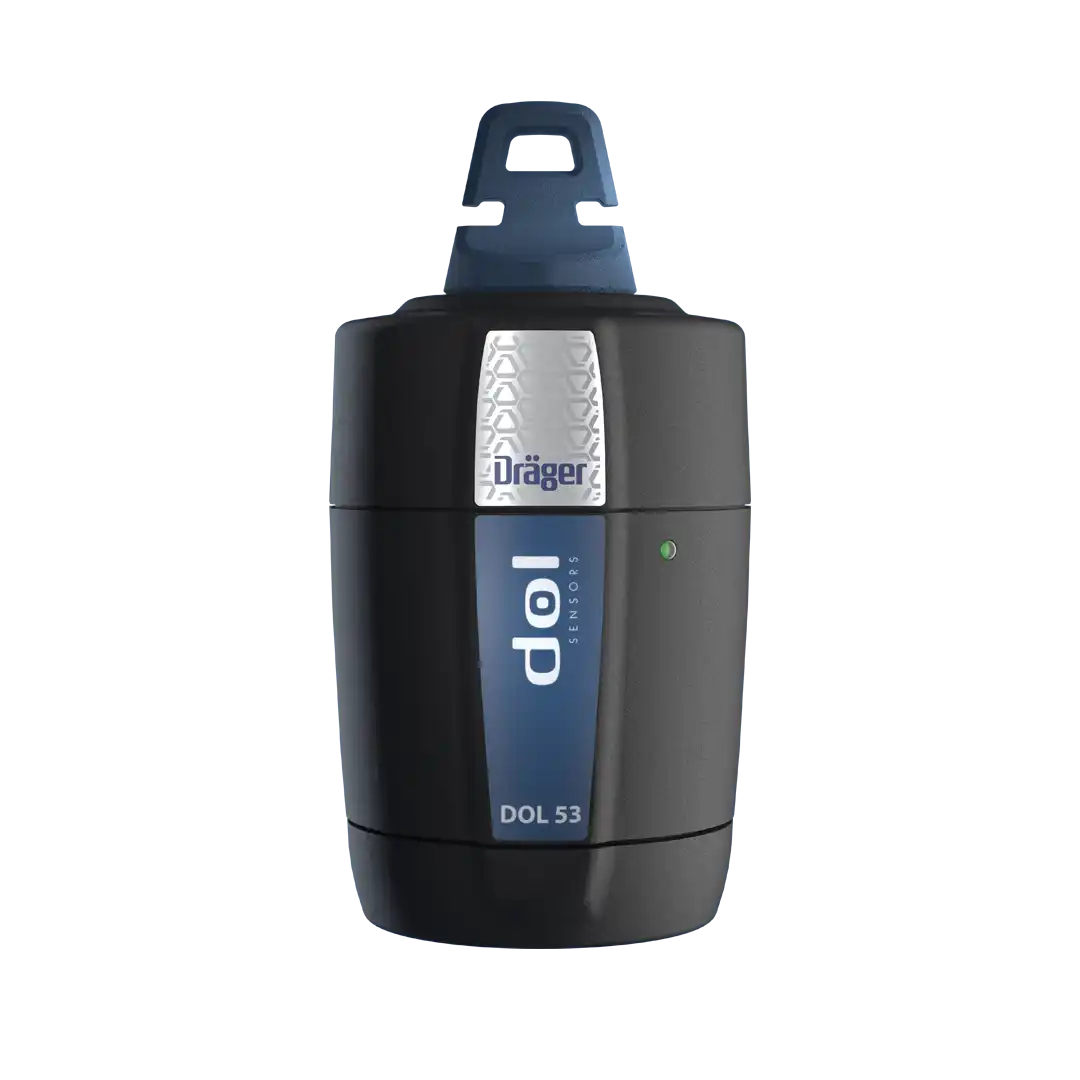
Modern pig farms are increasingly reliant on data to guide their decisions. This data often comes from reliable sensors designed for the challenging environments of pig barns. Monitoring data on temperature, humidity, CO2 levels, ammonia levels, and feed supply provides crucial information for maintaining optimal living conditions.

Moreover, controlling the environment is key to preventing disease outbreaks. Farmers knowledgeable in biosecurity measures can effectively protect their herds from common illnesses, ensuring continuous production and guarding against potential losses.

Economic Stability and Growth in Pig Production

Control over pig production leads to economic stability and potential growth. Efficient farms can operate at lower costs with higher output, leading to greater profitability. For instance, a stable and optimal barn environment results in better feed conversion ratios (FCR), meaning lower feed costs. Improved animal welfare also reduces losses and medical expenses, stabilizing finances.

How Staffing Challenges Affect Modern Pig Farming
Learn how continuous monitoring helps producers identify developing production challenges through changes in water consumption, growth performance and other key production indicators.

Modern pig farming depends heavily on a reliable workforce, yet many farm managers struggle to attract and keep staff. These shortages affect productivity, animal welfare, and long-term sustainability.

Why Labor Shortages Happen

  • Rural depopulation reduces the pool of available workers
  • Demanding working conditions - long hours, physical tasks, and weekend work - discourage applicants
  • Competition from other industries offering higher pay or easier jobs
  • Rising skill requirements as farms adopt more technology and stricter biosecurity

How Staffing Problems Affect Farm Operations

Lower Productivity

When there aren't enough workers, essential tasks may be rushed or skipped. This can lead to slower growth, higher mortality, and reduced efficiency.

Animal Welfare Risks

Understaffing means less time for monitoring animals, spotting illness early, or maintaining clean pens. Welfare issues can quickly escalate and affect meat quality and farm reputation.

Weaker Biosecurity

Strict hygiene and disease-prevention routines require time and attention. Staffing gaps increase the risk of disease outbreaks, which can be financially devastating.

Higher Costs

Labor shortages often force farm managers to pay higher wages, rely on temporary workers, or invest in automation - increasing overall production costs.

How To Measure Live Weight Of A Pig
Learn how continuous monitoring helps producers identify developing production challenges through changes in water consumption, growth performance and other key production indicators.

Knowing how to measure weight of a pig accurately is essential for proper feeding, health care, and farm management. Our Pig Weighing Camera helps you determine pig live weight quickly and reliably, even when a scale is not available. Whether you are managing a small farm with few houses or many farms with a lot of houses, understanding live weight pig data is key to making informed decisions.

How to measure live weight of a pig

Many farm managers ask how to measure live weight of a pig without causing stress to the animal. The most common method uses simple body measurements such as heart girth and body length. These measurements are used to calculate pig live weight with proven formulas that deliver accurate results in kilograms, but the method is time consuming and stressful to the animals. Using our iDOL 65 Pig Weighing Camera gives you a stressfree average weight in pen.

How to measure pig live weight without a scale in kg

If you’re searching for how to measure pig weight without scale in kg, our camera solution is the ideal solution. Instead of lifting or moving pigs onto a scale, you can safely measure pig live weight using the camera, which is mounted in the ceiling and doesn't interrupt with the pigs.

How to measure the weight of a live pig

Understanding how to measure the weight of a live pig is especially important during growth monitoring and preparing pigs for sale. Reliable pig live weight data allows you to track performance and ensure animals are managed efficiently at every stage.

Ammonia Sensor for Pig Production
Learn how continuous monitoring helps producers identify developing production challenges through changes in water consumption, growth performance and other key production indicators.

Ammonia (NH₃) is one of the most significant environmental and welfare challenges in modern pig production. While it is a natural by-product of livestock systems, excessive ammonia emissions can negatively affect animal health, worker safety, and the surrounding environment. Understanding how ammonia is produced — and how it can be managed — is essential for sustainable, efficient pig farming.

What Is Ammonia and How Is It Produced?

In pig production, ammonia is primarily formed when urea and uric acid in manure and urine are broken down by bacteria. The enzyme urease, naturally present in feces, catalyzes this conversion, releasing ammonia gas into the air.

Key factors influencing ammonia formation include:

  • Temperature: Higher temperatures accelerate bacterial activity and volatilization.
  • pH: Ammonia release increases when manure pH is above 7.5.
  • Ventilation: Inadequate ventilation allows ammonia to accumulate in barns.
  • Manure management: Frequent removal and cooling of manure reduce emissions.

Learn more about the benefits of automated climate and ventilation in pig production.

Impacts of Ammonia in Pig Housing

1. Animal Health and Welfare

High concentrations of ammonia irritate the pigs’ respiratory tract, leading to:

  • Reduced lung function and increased susceptibility to respiratory diseases.
  • Lower feed intake and growth rates.
  • Increased stress and reduced overall welfare.

Concentrations above 20 ppm are considered harmful to pigs, and levels above 10 ppm are generally discouraged in modern facilities.

2. Worker Health

Ammonia exposure can cause eye and throat irritation, headaches, and long-term respiratory problems in farm workers. Maintaining clean air is therefore not only an animal welfare priority but also a matter of occupational safety.

3. Environmental Impact

Once emitted into the atmosphere, ammonia contributes to acid rain among other things. This has downstream effects on soil, water quality, and climate. The pig industry and other industries are under increasing regulatory pressure to reduce ammonia emissions as part of broader sustainability goals.

4. Production Performance and Efficiency

Ammonia doesn’t just affect welfare — it has a direct impact on productivity. Chronic exposure to elevated ammonia levels has been shown to:

  • Reduce average daily gain (ADG) and feed conversion efficiency (FCR).
  • Delay the time to reach market weight, increasing feed costs per kilogram of gain.
  • Lead to uneven growth within groups, complicating management and marketing.

Studies indicate that pigs exposed to ammonia concentrations above 25–30 ppm may experience growth rate reductions of 5–10%, depending on duration and housing conditions. Maintaining low ammonia levels therefore supports both animal health and economic performance.

Selected Sensors

Documents

English
Leaflet
Climate brochure Pig
English
Leaflet
Corporate brochure Pig

Join our newsletter

Stay ahead in livestock production.

Join our newsletter and get industry insights, expert perspectives, and practical strategies for optimizing performance and efficiency.