LoRaWAN Sensors for Farm Monitoring

Modern farms depend on sensor data to optimize production, monitor conditions, and respond quickly to changes. When deploying sensors across large facilities or multiple buildings, producers often need to choose between wired and wireless solutions.

Wired sensors offer stable communication and are well suited for fixed installations. However, cabling can be expensive and time-consuming to install, especially across large farm sites.

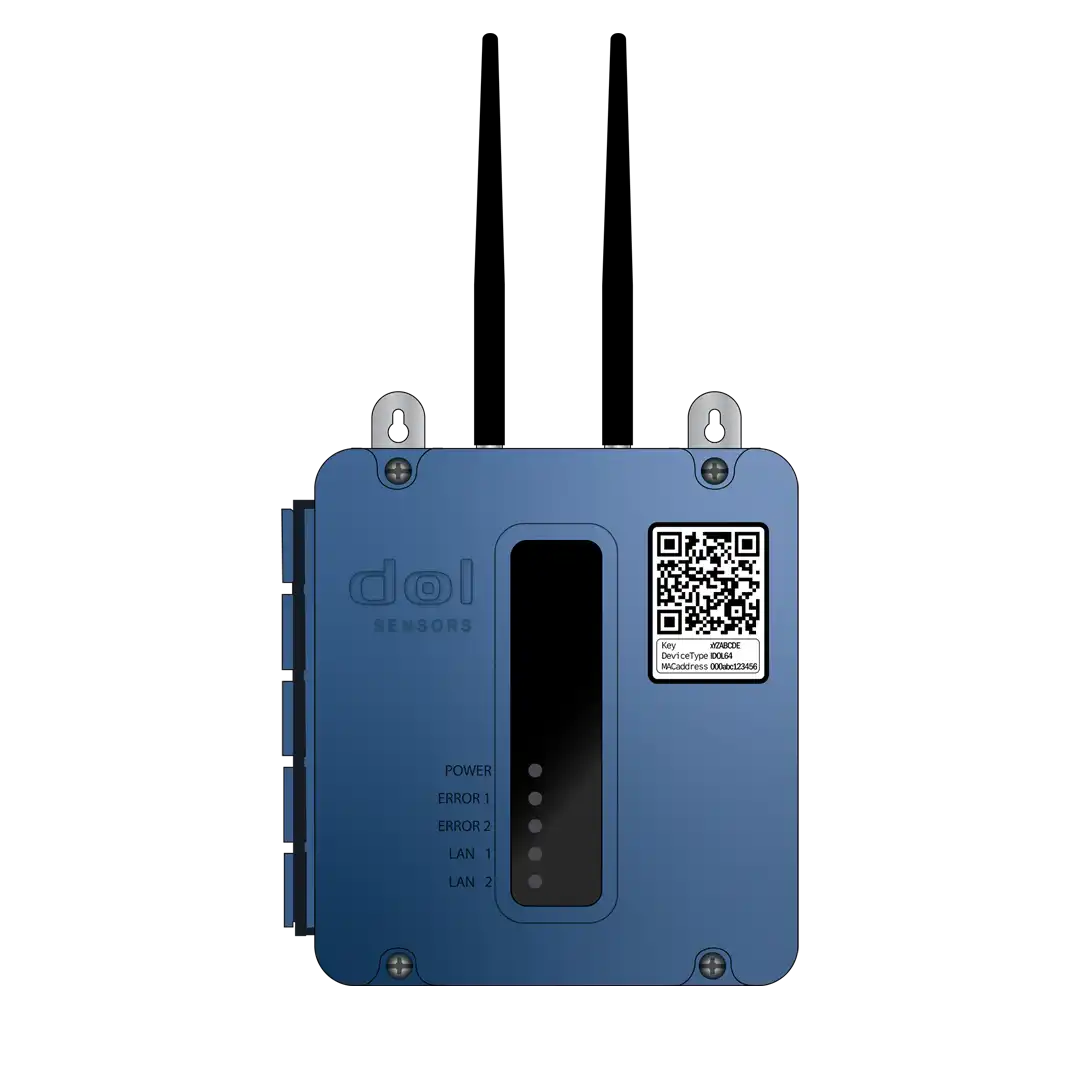
LoRaWAN technology provides a flexible alternative by enabling long-range wireless communication with low power consumption. Combined with, for instance, the iDOL 64 LoRa Gateway, producers can collect data from multiple buildings and remote locations without extensive wiring infrastructure.

Learn more → LoRa Sensors

Best Wireless Sensor Option for Remote Farm Monitoring

For large farms and remote monitoring applications, LoRaWAN-based solutions provide reliable communication over long distances while simplifying installation and expansion.

The iDOL 64 LoRa Gateway acts as a central communication hub, collecting data from wireless devices and making it available for monitoring and management. This allows producers to monitor conditions across multiple buildings or locations without the complexity of additional cabling.

Benefits of LoRaWAN-based monitoring include:

Remote Monitoring Made Simple
Discover how LoRaWAN technology helps farmers collect sensor data across large sites without extensive cabling.
→ Read:
LoRa Sensors

Flexible Monitoring for Modern Farms

For farms looking to expand monitoring capabilities across large areas, LoRaWAN offers a scalable and cost-effective alternative to traditional wired systems.

Combined with the iDOL 64 LoRa Gateway, it enables reliable wireless data collection and improved visibility into farm operations.

How Continuous Monitoring Enables Earlier Detection of Production Problems
Learn how continuous monitoring helps producers identify developing production challenges through changes in water consumption, growth performance and other key production indicators.

Production problems rarely appear overnight.

Whether the outcome is declining growth, reduced performance or increasing mortality, production losses are often the result of small changes that began much earlier.

Animals continuously respond to changes in their environment by drinking, eating, growing and behaving differently.

The challenge is recognising these changes before they begin affecting production performance.

As livestock production becomes larger and more complex, many producers are looking for better ways to identify developing challenges earlier.

Continuous monitoring helps improve visibility into these early changes by providing ongoing insight into production conditions throughout the day.

Why Production Problems Are Often Difficult To Detect

Many factors can influence production performance.

Examples include:

  • Changes in water consumption
  • Reduced growth rates
  • Environmental stress
  • Ventilation issues
  • Emerging health challenges

Initially, these changes may be small and difficult to observe.

When production teams manage multiple barns or large numbers of animals, subtle deviations can easily go unnoticed until performance has already been affected.

Continuous monitoring is valuable because it reveals trends that are difficult to identify through routine inspections alone.

Why Are Small Production Changes So Important?

Learn how early production changes can provide valuable insight before performance begins to decline.

→ Read: How to Detect Health Problems Earlier in Pig Production and How to Detect Health Problems Earlier in Poultry Production

You Can't Be Everywhere at Once: Why CO₂ Monitoring Matters in Modern Poultry Production
Learn how continuous monitoring helps producers identify developing production challenges through changes in water consumption, growth performance and other key production indicators.

Experience and daily observation remain at the heart of successful poultry production.

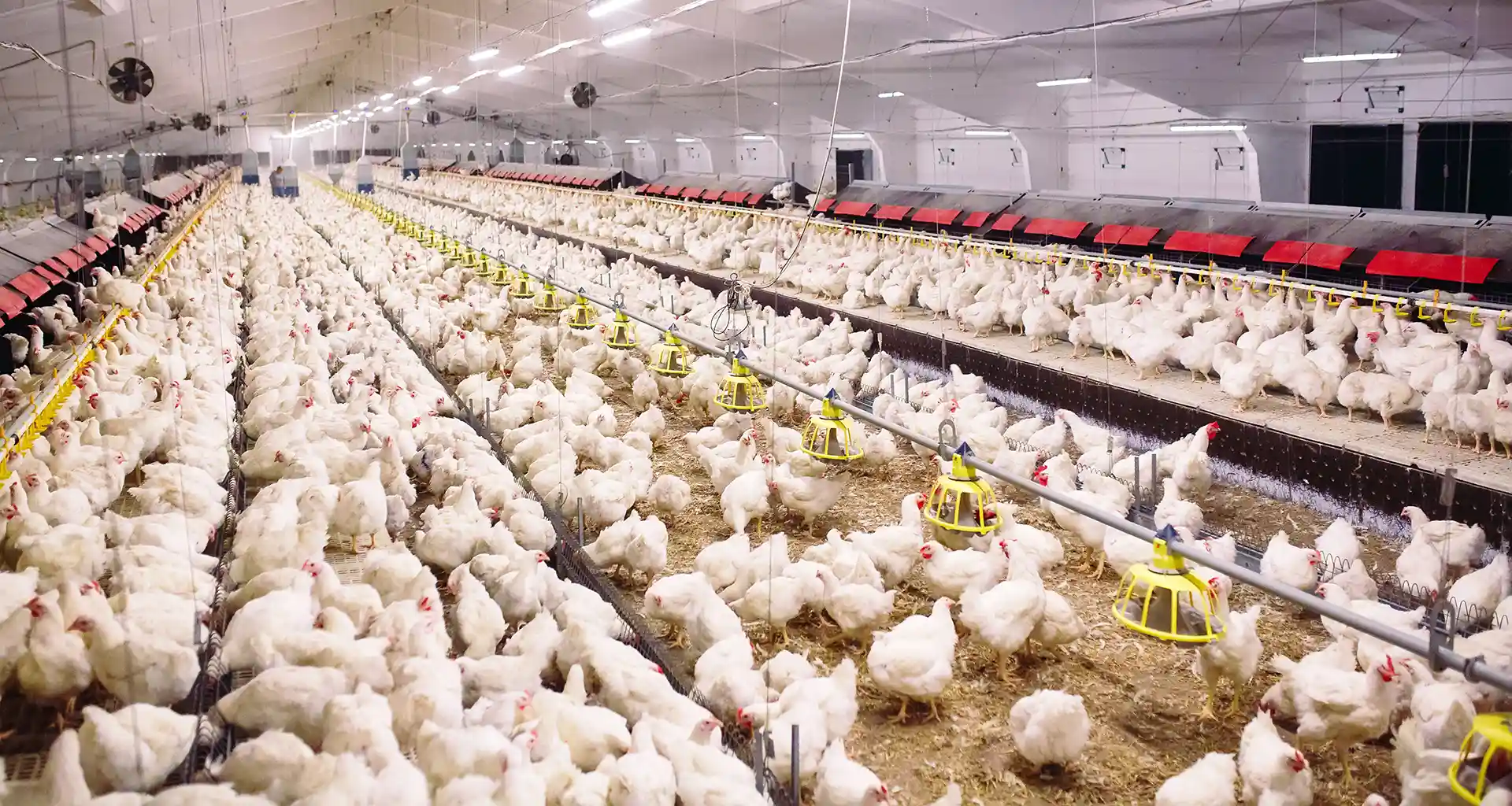
Experienced producers can often spot changes in flock behavior, identify environmental issues, and respond quickly to developing challenges. However, modern poultry houses are becoming increasingly complex, making it difficult to rely solely on what can be seen, heard, or physically observed.

Some of the most important indicators of house conditions are simply invisible.

Carbon dioxide (CO₂) is one example.

Although birds and farm staff cannot see CO₂ levels, this parameter can provide valuable insight into ventilation performance, air quality, and overall environmental conditions inside the poultry house.

What Can CO₂ Tell Us?

Carbon dioxide is naturally produced by both birds and heating systems. As a result, CO₂ levels continuously change throughout the day depending on factors such as flock size, bird age, ventilation rates, and outdoor conditions.

When ventilation is functioning effectively, fresh air replaces stale air, helping maintain a healthy indoor environment.

However, if ventilation becomes insufficient, CO₂ levels may begin to rise.

This makes CO₂ an important indicator for evaluating whether air exchange rates are meeting the needs of the flock.

Monitoring CO₂ can help producers identify:

  • Ventilation inefficiencies
  • Changes in indoor air quality
  • Seasonal ventilation challenges
  • Potential environmental stressors
  • Opportunities to optimize climate control

While CO₂ alone does not tell the whole story, it provides valuable information that may not be apparent through visual observation alone.

Monitoring Systems in Livestock Production
Learn how continuous monitoring helps producers identify developing production challenges through changes in water consumption, growth performance and other key production indicators.

The future of livestock farming is data-driven. By turning accurate, real-time insights into actionable decisions, producers can improve animal health and welfare, optimize performance, and build more sustainable operations. Data is becoming the foundation for smarter farming and a more resilient future.

Why Traditional Monitoring Is No Longer Enough

For generations, livestock management has relied heavily on visual observations and routine inspections. Experienced farmers can often identify changes in animal behavior, health, or performance through daily interactions with their animals.

However, modern livestock operations are becoming larger and more complex. Managing hundreds or thousands of animals makes it increasingly difficult to detect subtle changes that may indicate health issues, stress, or production inefficiencies.

Many problems develop gradually and may not become visible until they have already affected animal welfare or farm performance. Delayed detection can result in increased treatment costs, reduced productivity, and preventable losses.

Monitoring systems help bridge this gap by providing continuous observation and objective data that support faster and more informed decisions.

Key Areas Where Sensors Make the Biggest Impact

Selected Sensors

Documents

iDOL 90 LoRa Water Meter_One pager
English
Technical User Guide
iDOL 139 LoRa Technical User Guide
English
Technical Information
iDOL 64 LoRa Gateway Technical Information
English
Technical User Guide
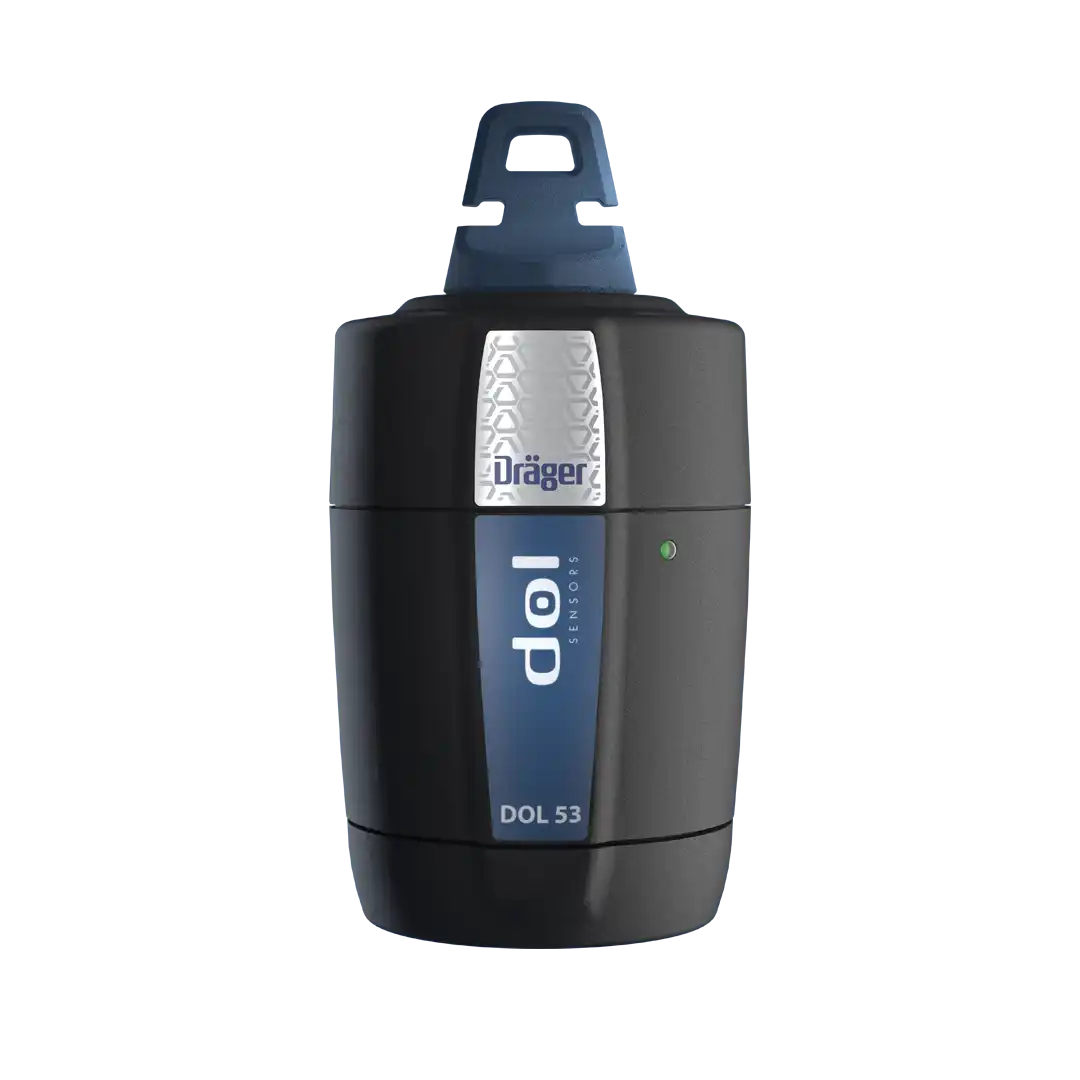
iDOL 53 LoRa Technical User Guide

Join our newsletter

Stay ahead in livestock production.

Join our newsletter and get industry insights, expert perspectives, and practical strategies for optimizing performance and efficiency.