
Optimize FCR
You can optimize the feed conversion ratio (FCR) of your livestock and improve the efficiency of your operation in different ways using sensors.
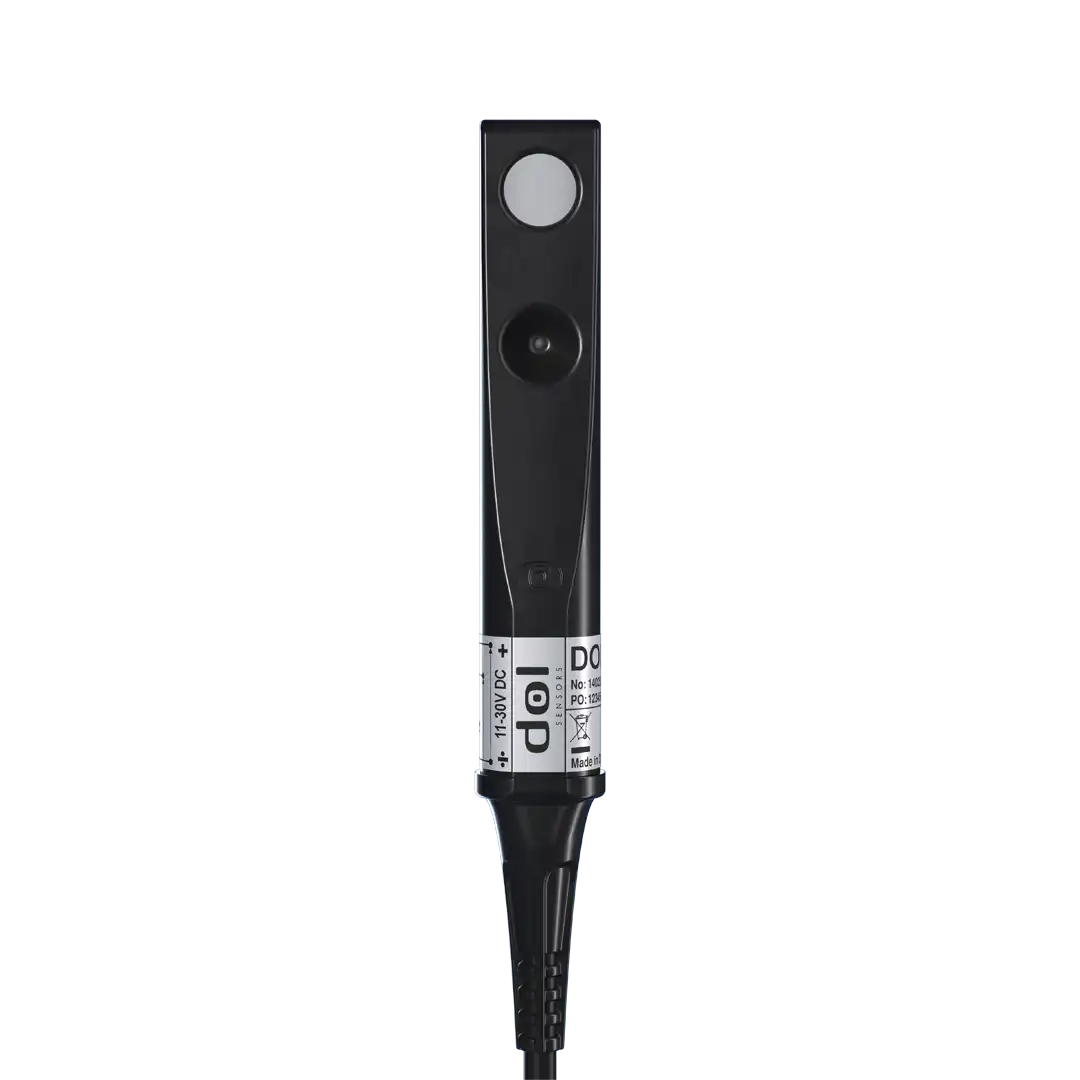
Using a capacitive sensor you can monitor feed intake by keeping track of how much feed your animals are consuming, and make adjustments as needed to ensure that they are receiving the right amount. You can also use a capacitive sensor to make sure you reduce the amount of feed that is wasted by minimizing spillage.
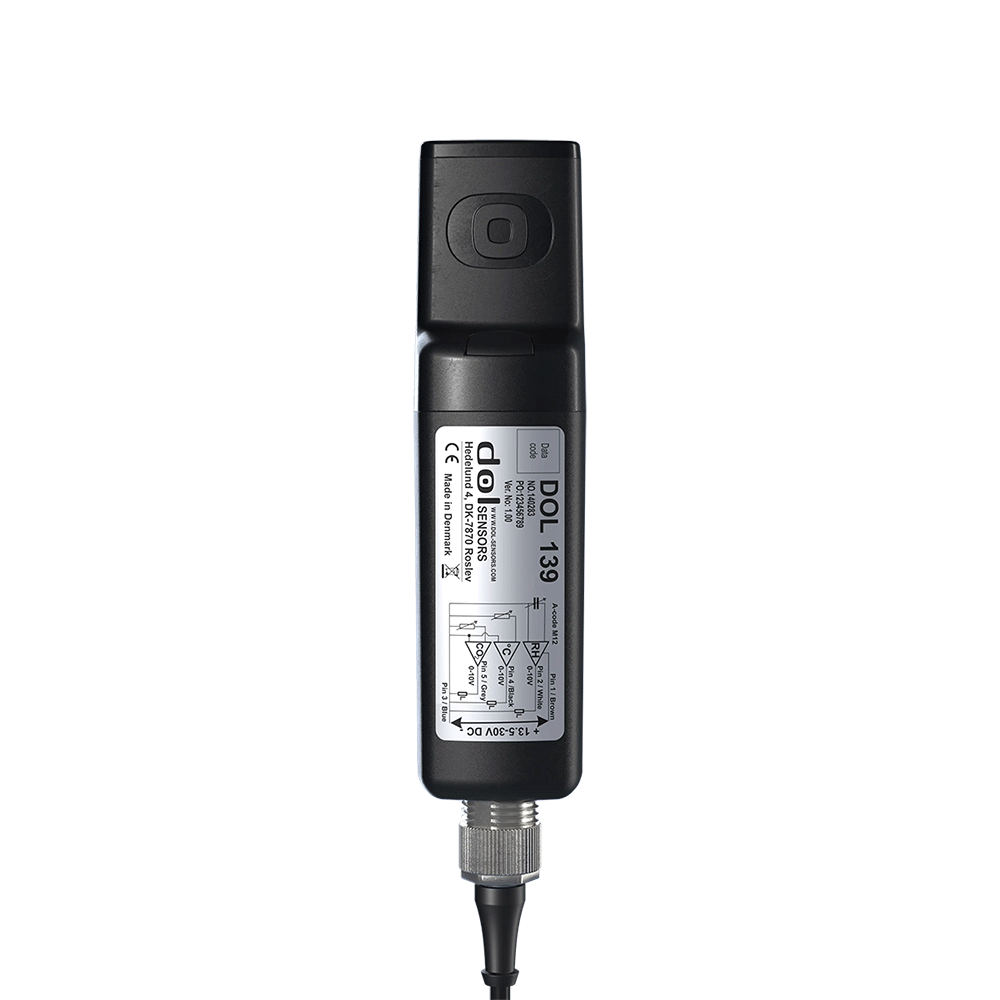
Make sure the climate is optimum so the animals does not freeze or get sick due to high levels of humidity, CO2, or ammonia.
Minimize Stress
By minimizing stress your animals will have a better wellfare and your production will increase.
Using sensors that need minimal maintenance and replacements lower the amount of physical visits insite the farm house. Livestock does not like to have people visit the stable and most often it makes them flee in fear, which creates insecurity and stresses them.
Avoid Mold And Ammonia Formation
High humidity can contribute to the formation of mold and the production of ammonia in a livestock facility.
Mold thrives in moist environments, and high humidity can provide the ideal conditions for mold growth. In a livestock facility, mold can grow on feed, bedding, and other surfaces, and can cause respiratory problems and other health issues in animals.
Ammonia is produced by the decomposition of animal urine and feces, and high humidity can accelerate the decomposition process, leading to higher levels of ammonia in the air. High levels of ammonia can irritate the respiratory tract and cause coughing, sneezing, and other respiratory problems in animals.
To minimize the formation of mold and the production of ammonia in a livestock facility, it is important to maintain good ventilation and keep the environment as dry as possible. To do that you can monitor humidity with a humidity sensor connected to your farm controller that regulates your ventilation system.