
Improve Insulation and Building Design
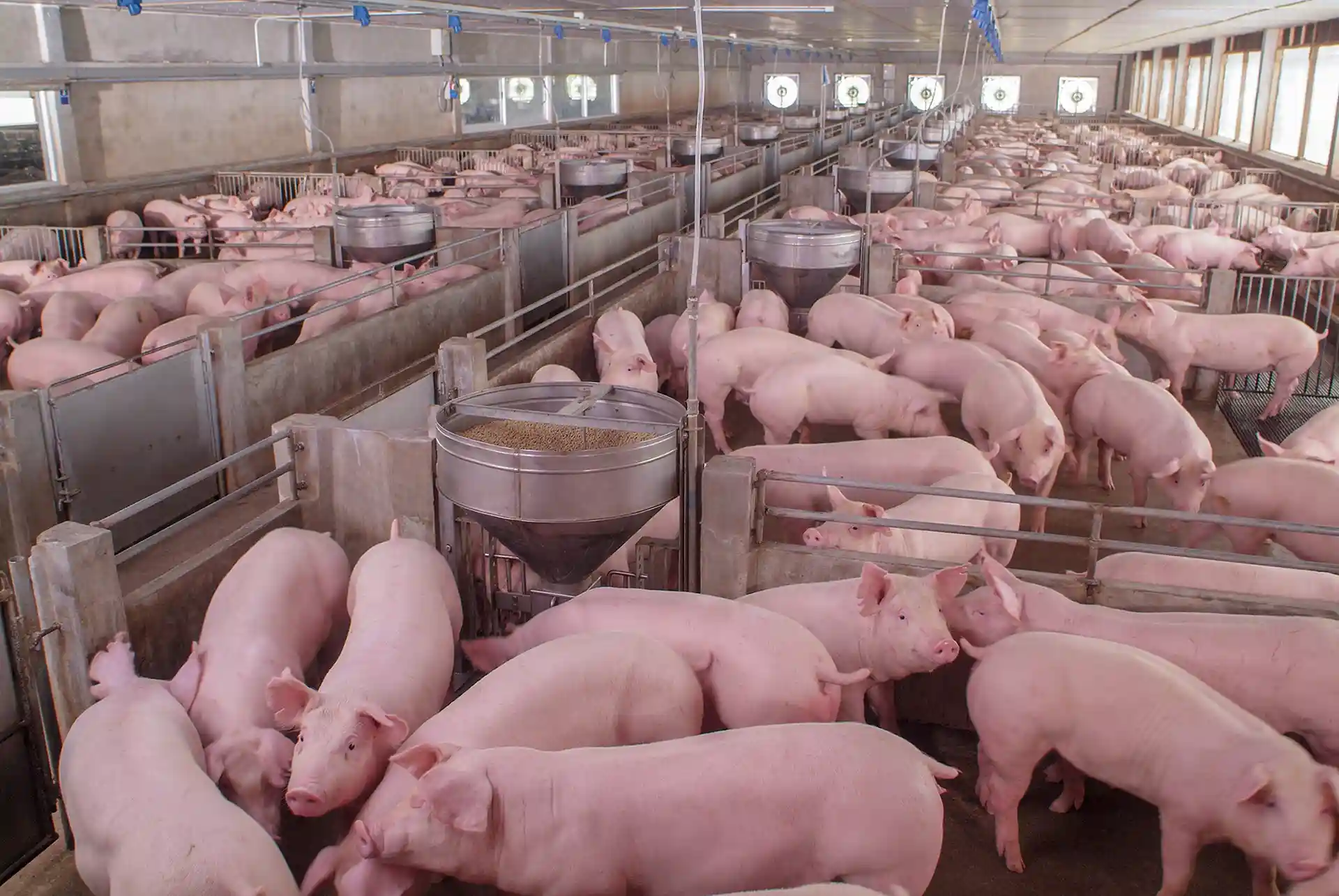
A well-insulated barn maintains stable temperatures with less heating or cooling effort. Insulation improvements are often overlooked but can yield long-term savings and improved comfort for animals and workers alike.
Practical steps:
- Inspect roofs, walls, and flooring for air leaks and insulation gaps.
- Use materials with high thermal efficiency — especially in farrowing and nursery units.
- Ensure doors and ventilation openings close properly to avoid heat loss.
- Consider reflective roofing or wall coatings to reduce summer heat load.
Good insulation helps maintain optimal indoor climates year-round — reducing the need for mechanical heating or cooling.
Maintain Equipment and Monitor Energy Use
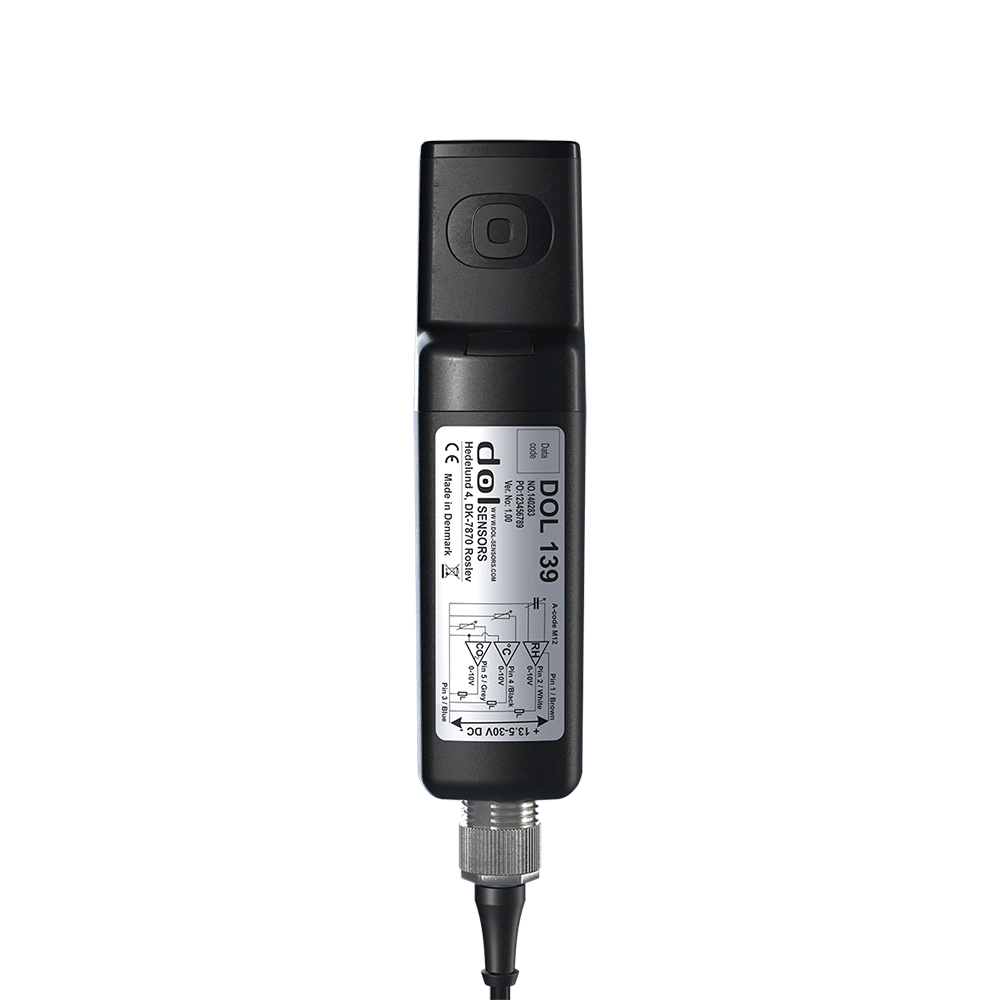
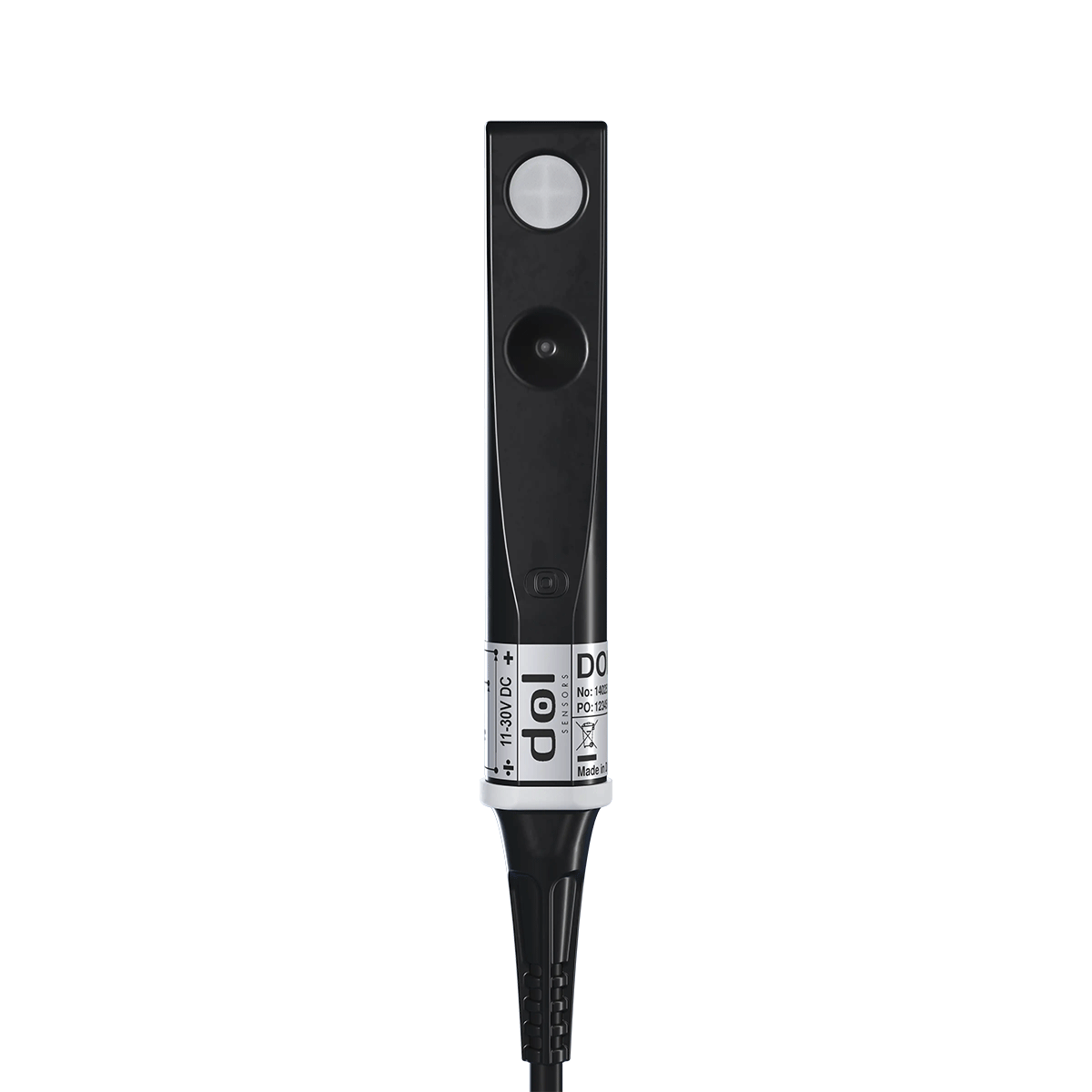
Regular maintenance keeps systems running efficiently. Dirty heat exchangers, clogged fans, or uncalibrated sensors can all waste energy.
Best practices:
- Schedule regular equipment inspections and cleanings.
- Calibrate thermostats and controllers annually.
- Track energy usage through smart meters to identify inefficiencies.
- Train staff on energy-conscious habits, such as turning off unused equipment.
Data-driven monitoring allows producers to make informed decisions and continuously improve efficiency.
Consider Renewable Energy Options
Many pig farms are now investing in renewable energy — not only to cut costs but also to enhance sustainability.
Popular options include:
- Solar panels for powering lighting and ventilation.
- Biogas systems that convert manure into renewable energy.
- Heat recovery systems that reuse waste heat from ventilation or slurry handling.
These technologies reduce dependence on fossil fuels and can provide a new income stream through energy