Monitor NH3 Emission Online

Growing Need for Emission Control

Regulations on emissions are emmerging worldwide, creating an increasing demand for monitoring and documenting emissions - including ammonia emissions.

Robust Sensor for Air Cleaning

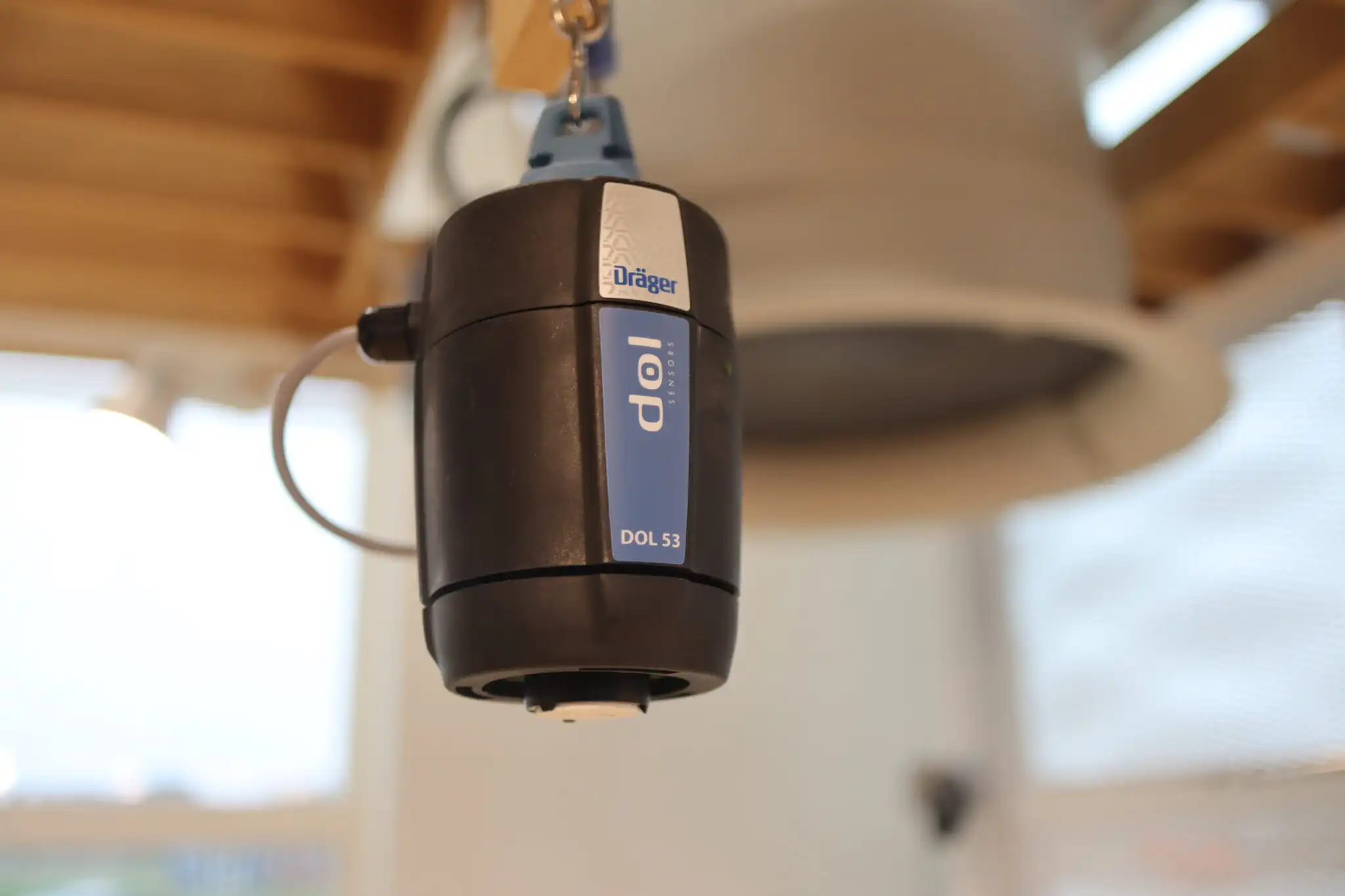
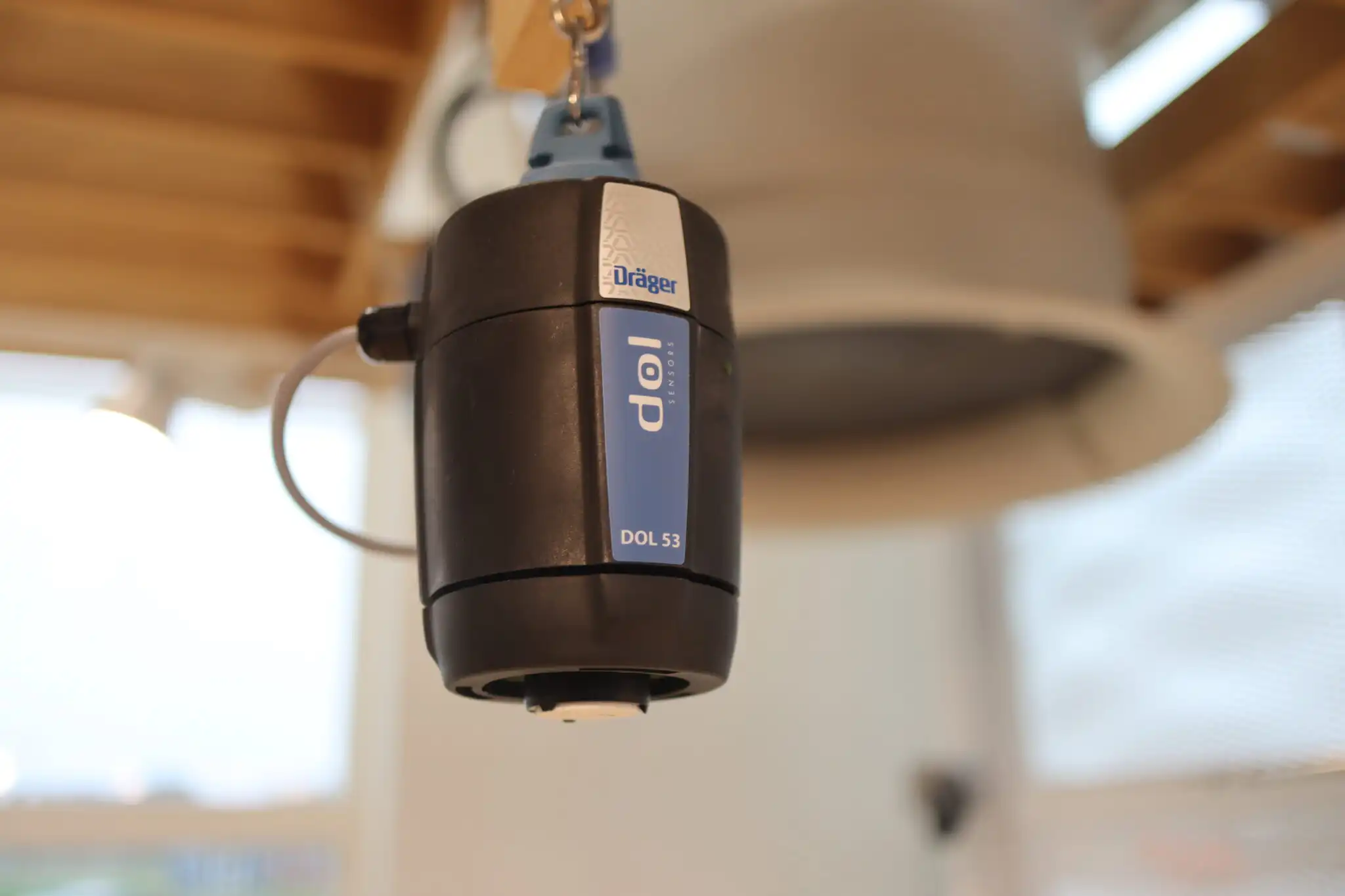
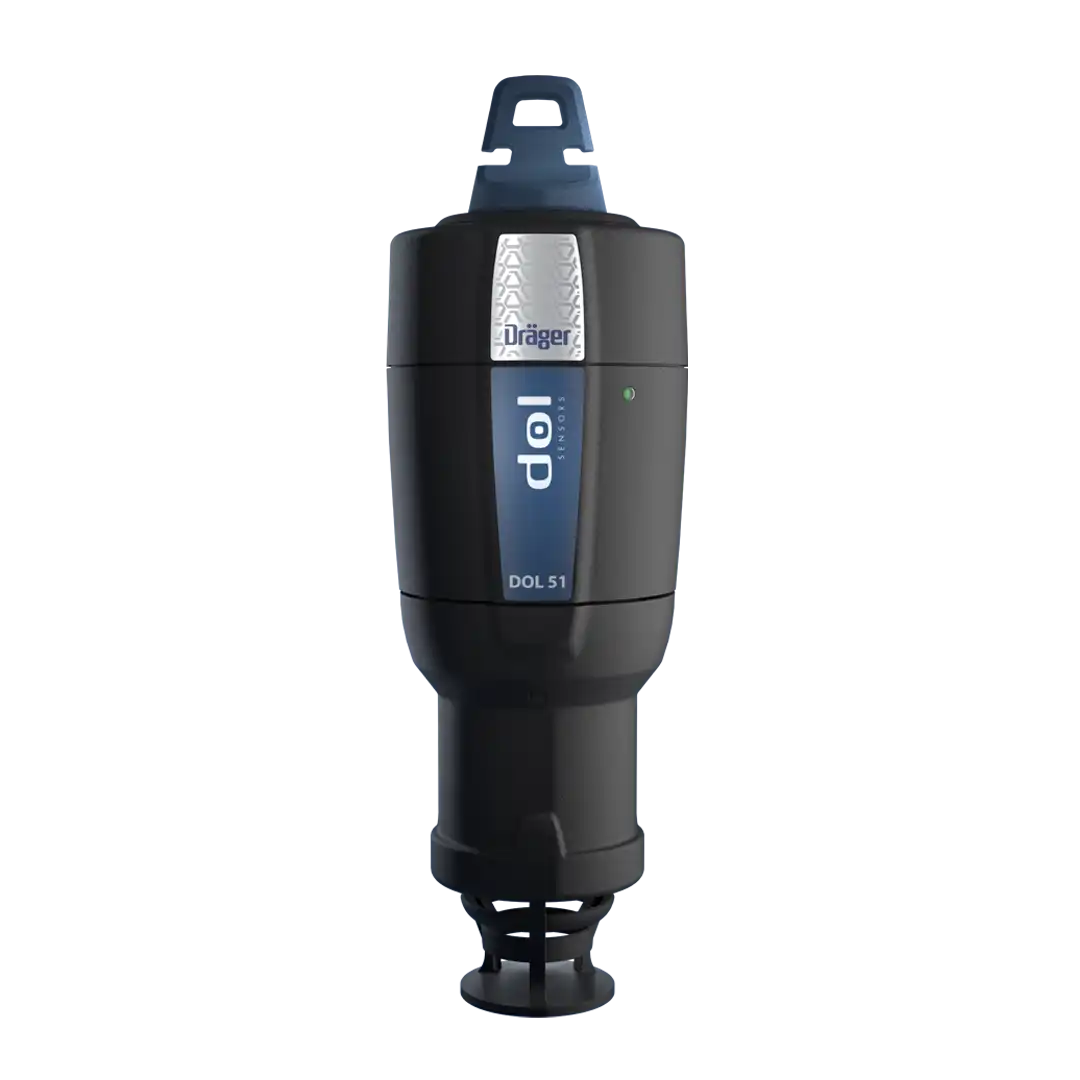
dol-sensors’ DOL 51 Ammonia Sensor for Air Cleaning is a specially designed, durable sensor for monitoring and documenting the cleanliness of exhaust air from, for example, livestock houses.

Reliable Operation in Harsh Conditions

The sensor is built to perform under extreme conditions with humidity levels of 95–100%. It delivers accurate ammonia measurements at concentrations up to 50 ppm, with negligible cross-sensitivity to other gases.

NH₃ Sensors Help Monitor Ammonia Levels
Track ammonia emissions remotely with accurate monitoring, secure data access, and scalable solutions for multiple facilities.
→ Read:
NH3 Sensors
No items found.

Secure data collection

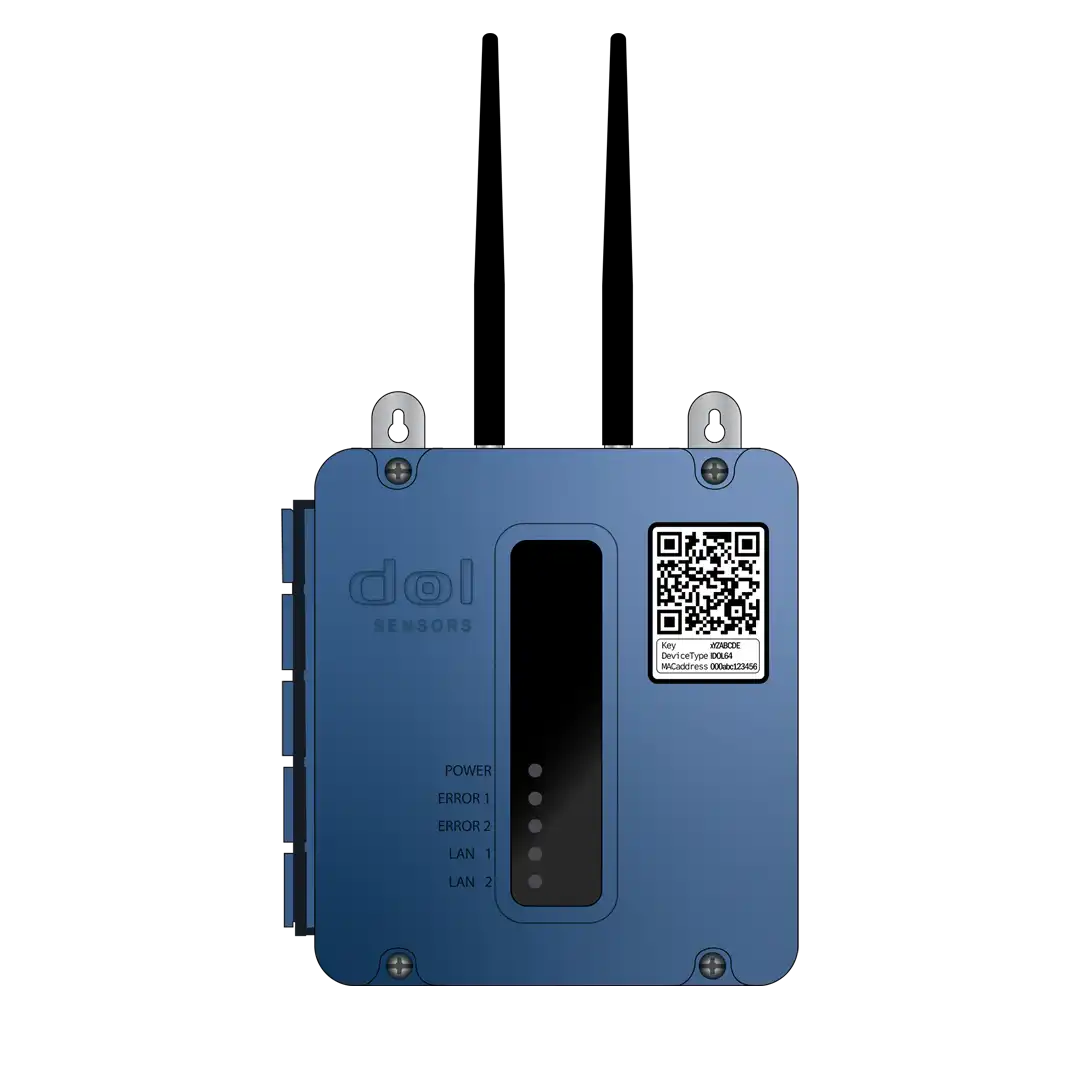
By connecting the DOL 51 Ammonia Sensor to our iDOL 64 LoRa Gateway, measurement data can be accessed via an API directly on your server. Your data is protected and belongs exclusively to you, unless you choose to share it.

Scalable for Multiple Facilities

If you operate more than one facility with this setup, all data is centralized on your server. This eliminates the need for on-site visits to view or collect measurements.

Benefits:

√ Document the cleanness of the exhaust air

√ Accurate ammonia measurements

√ Operates in harsh conditions

Ammonia Measurement Sensors
Learn how continuous monitoring helps producers identify developing production challenges through changes in water consumption, growth performance and other key production indicators.

Ammonia (NH3) sensors

Ammonia is a colorless, pungent gas that is widely used in many industrial applications and found in agricultural production. It is a critical component in the manufacture of fertilizers, plastics, and explosives, among other things. However, ammonia can be hazardous to human and animal health and the environment when it is released into the atmosphere. As such, the need for accurate and reliable ammonia measurement sensors has become increasingly important in recent years.

Types of Ammonia Measurement Sensors

There are several types of ammonia measurement sensors available in the market, and each one operates on a different principle. Some of the most common ammonia measurement sensors include:

  1. Electrochemical sensors
  2. Metal-oxide sensors
  3. Photoionization detectors
  4. Infrared sensors
  5. Catalytic sensors

Electrochemical Ammonia Sensors

Electrochemical sensors are among the most widely used ammonia measurement sensors. These sensors operate by measuring the current produced when ammonia reacts with a sensing electrode. The magnitude of the current is proportional to the concentration of ammonia in the air. The sensor’s sensitivity can be adjusted by changing the composition of the sensing electrode, and the measurement range can be customized to meet specific application requirements.

Metal-Oxide Sensors

Metal-oxide sensors operate by detecting changes in the electrical conductivity of a metal oxide film when it comes into contact with ammonia. The metal oxide film is typically made of tin oxide, and the sensor’s sensitivity can be adjusted by varying the thickness of the film or the operating temperature. Metal-oxide sensors are highly sensitive and can detect ammonia at concentrations as low as a few parts per billion.

Ammonia Sensors
Learn how continuous monitoring helps producers identify developing production challenges through changes in water consumption, growth performance and other key production indicators.

The Impact of Ammonia on Poultry Production

It is well-proven that air polution due to high ammonia levels in broiler production results in a higher FCR, lower gain, and poorer animal welfare. Birds being exposed to high levels of ammonia can suffer from respiratory diseases, ammonia blindness, infections with Newcastle, the bronchitis virus and parasites, burned skin and feed, nutritional stress, suffocation, and even death. These sufferings will of course decrease production and increase breeding costs.

Why Continuous Ammonia Monitoring Matters

Early action benefits the productivity of the broilers as well as animal welfare. Thus, constantly monitoring the level of ammonia is essential for the poultry production. Furthermore, monitoring the level of humidity is also important, since a too high level of humidity in the livestock house can cause formation of ammonia.

There are different ways to minimize the level of ammonia in a poultry production. One is ensuring a good quality of litter, air flow and ventilation in the house, a low level of humidity, and keeping the temperature down. Minimizing the level of ammonia have a major impact on the financial yield of the production. In fact, studies* have shown that ammonia concentrations as low as 25 ppm can reduce bird weights at 28 days of age by 2-7% while 50 ppm ammonia has been shown to reduce bird weights from 16-19%. An increased ammonia concentration can cut profits by $3,000 or more per batch in a livestock house with 25,000 broilers.

With dol-sensors’ ammonia sensors you can continuously monitor ammonia levels with great accuracy. Combined with a farm controller, the ammonia sensors can help ensuring automation of the ventilation system.

*Source: “Ammonia in the Atmosphere during Brooding Affects Performance of Broiler Chickens”, F. N. REECE, B. D. LOTT, and J. W. DEATON and “Poultry Housing Tips”, Volume 32, No. 1, University of Georgia


Climate Sensors Of The Future
Learn how continuous monitoring helps producers identify developing production challenges through changes in water consumption, growth performance and other key production indicators.

The demand for a more sustainable food production increases every year. To live up to this, food producers must keep enhancing their production and make sure that the animals have the best living conditions possible in order to avoid mortality, enhanced FCR, and poor meat quality. This calls for accurate real-time data.

Accurate Real-time Data

Constantly monitoring the climate in livestock houses is essential to create optimal animal welfare and the most efficient production. It is no longer enought to measure the temperature, humidity, CO2, and ammonia once in a while. Climate sensors of the future provide accurate real-time data allowing for more timely and effective decision-making, when it comes to managing the production, since the farmer or farm manager get an up-to-date picture of the production.

The Importance of Accurate Data

One of the key benefits of using climate sensors in poultry houses is that they can help prevent the spread of disease. Poultry are particularly susceptible to respiratory infections, which can be exacerbated by poor air quality. By monitoring the levels of carbon dioxide, ammonia, and humidity, you can make sure that the air inside the poultry house is fresh and free from harmful gases.

In a poultry production, the temperature and humidity play an important role during the entire life of the chicken from hatchery and hatching until they are sent to slaughter. Chickens are very sensitive to temperature changes. If it is too cold, the chickens might eat more and stick together to keep warm, meaning they produce more fat than meat due to the combination of high feed consumption and low movement. A low temperature might also cause egg laying problems.

Whether the data from the climate sensors is accurate or not has a huge impact on the production. As mentioned, temperature and humidity have a great effect on the production and animal welfare which makes it vital that the measurements are accurate. Accurate data can lead to less stress on birds and thus greater productivity.

Selected Sensors

Documents

English
Leaflet
DOL 51 Ammonia Sensor for Air Cleaning_Onepager
English
Leaflet
Monitoring Solutions Brochure

Join our newsletter

Stay ahead in livestock production.

Join our newsletter and get industry insights, expert perspectives, and practical strategies for optimizing performance and efficiency.