How does capacitive detection work?
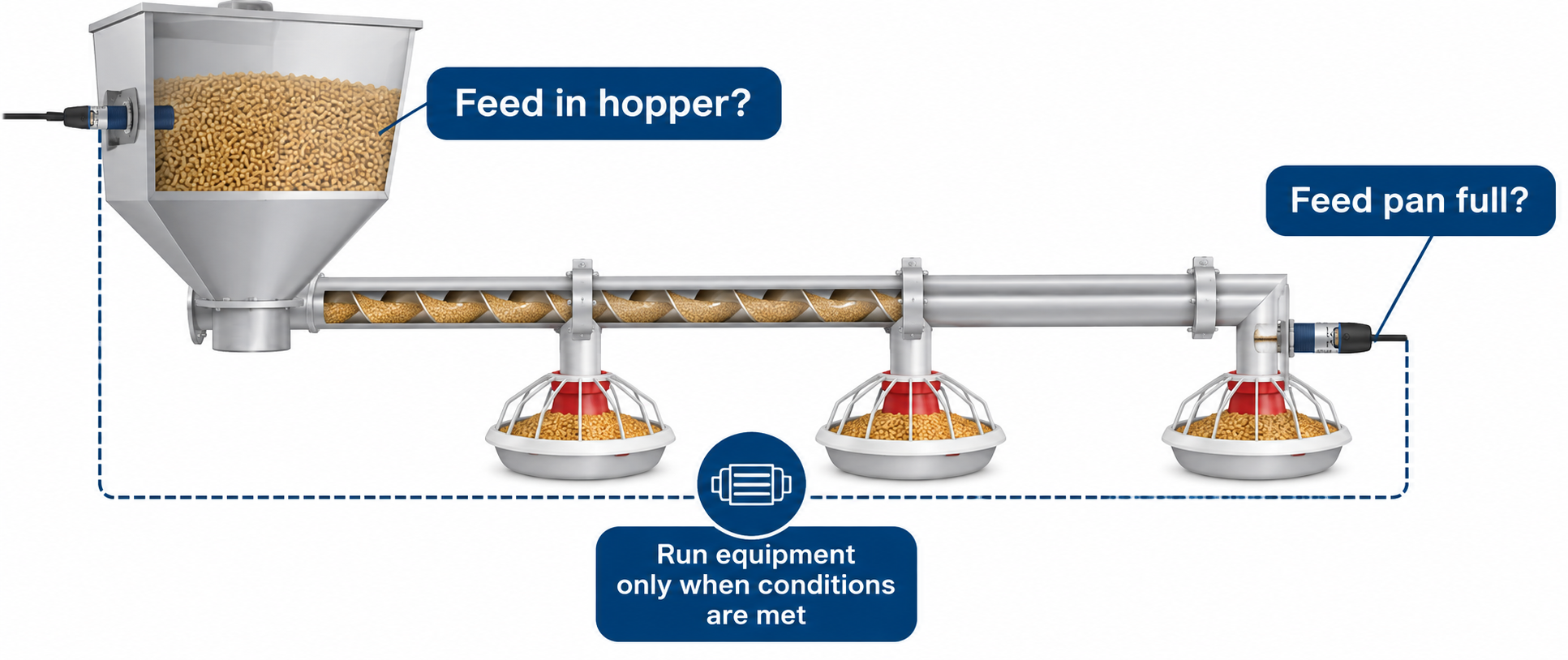
A capacitive sensor detects changes in the electrical field around its sensing surface. When material enters the detection area, the sensor registers the change and switches its output.
Unlike mechanical switches, capacitive sensors can detect material without moving parts. They can be used to detect many non-metallic materials, including feed and grain, and can in some applications detect material through a non-metallic surface.
This makes capacitive sensing particularly useful for automated feeding and material-handling systems.
What to look for when choosing a small capacitive sensor
Size is important, but it should not be the only consideration. The right sensor also depends on what you need to detect, where the sensor will be installed, the surrounding environment, mounting conditions, and how the signal will be used by the equipment or controller.
For agricultural equipment, it is also important to consider exposure to dust, moisture, temperature changes, cleaning, and electrical interference.
DOL 26 – a compact solution
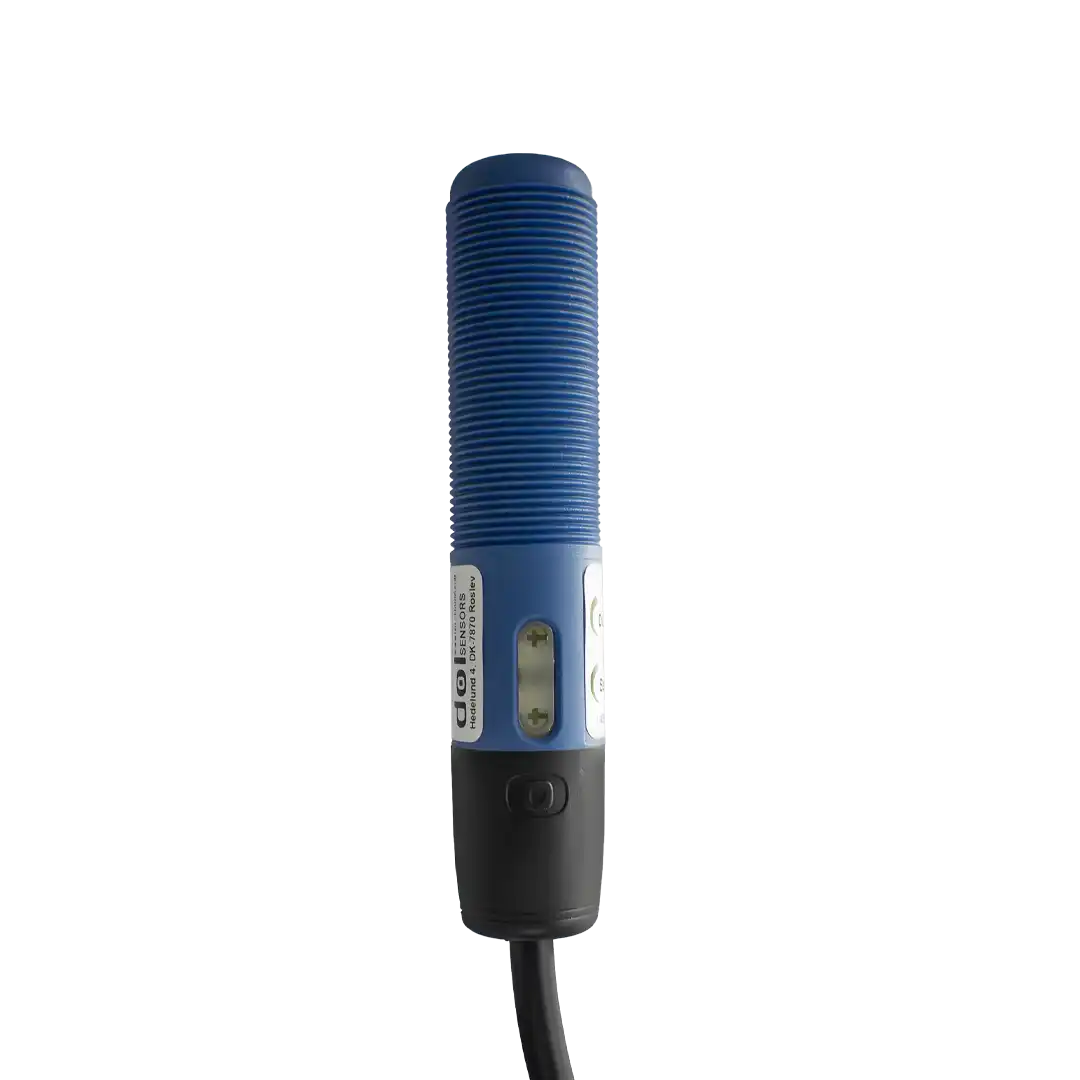
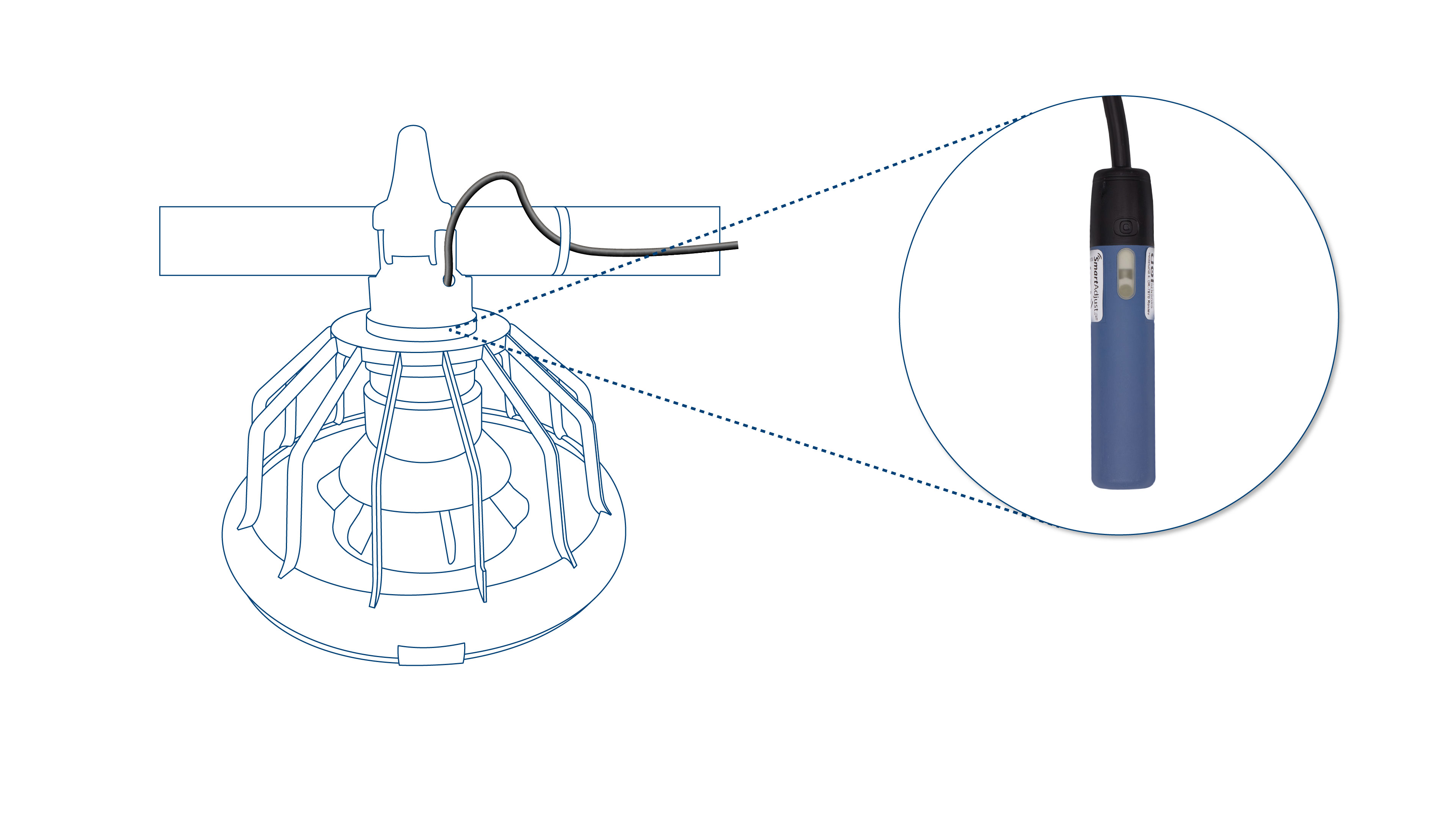
The DOL 26 is a small capacitive proximity sensor designed for applications where installation space is limited.
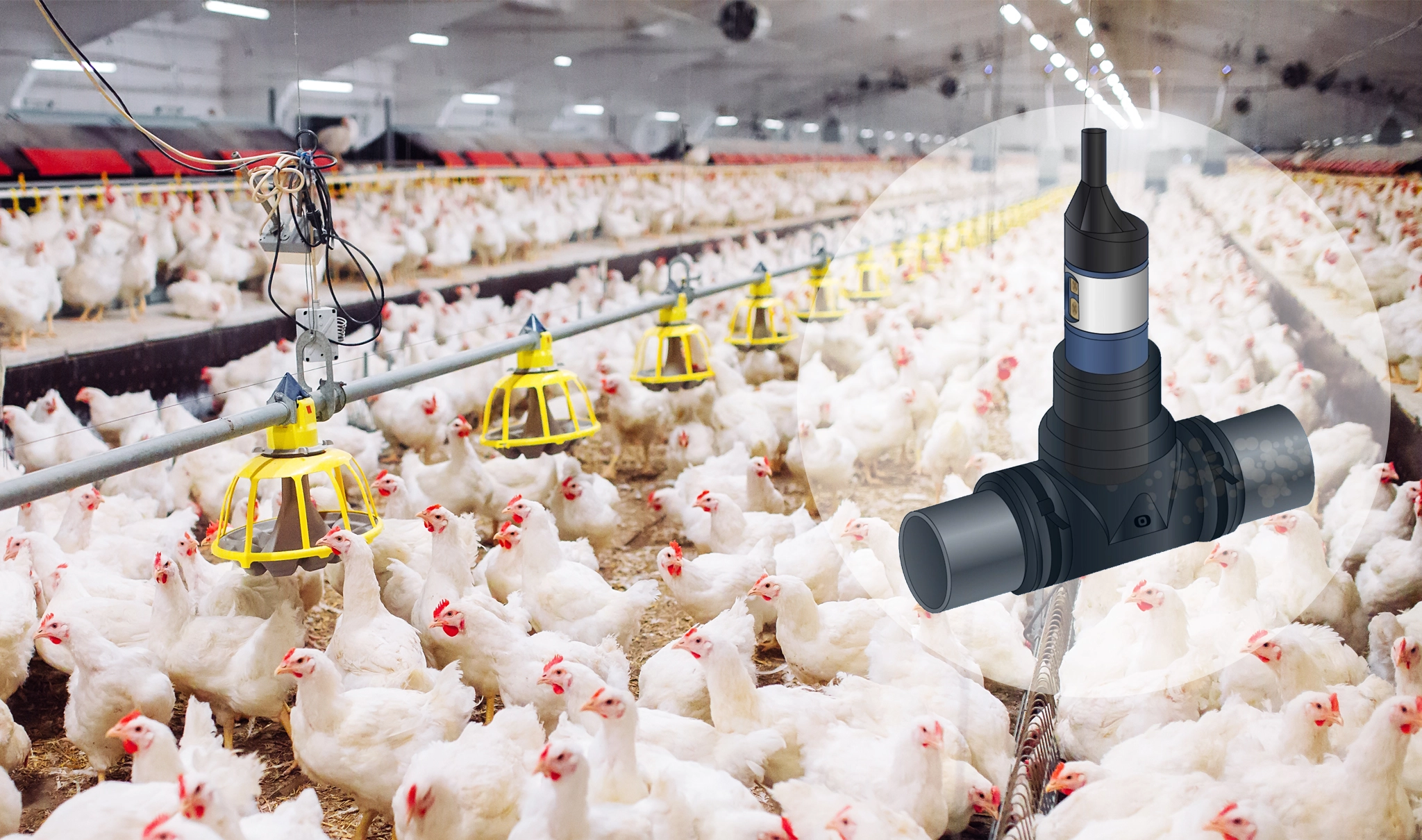
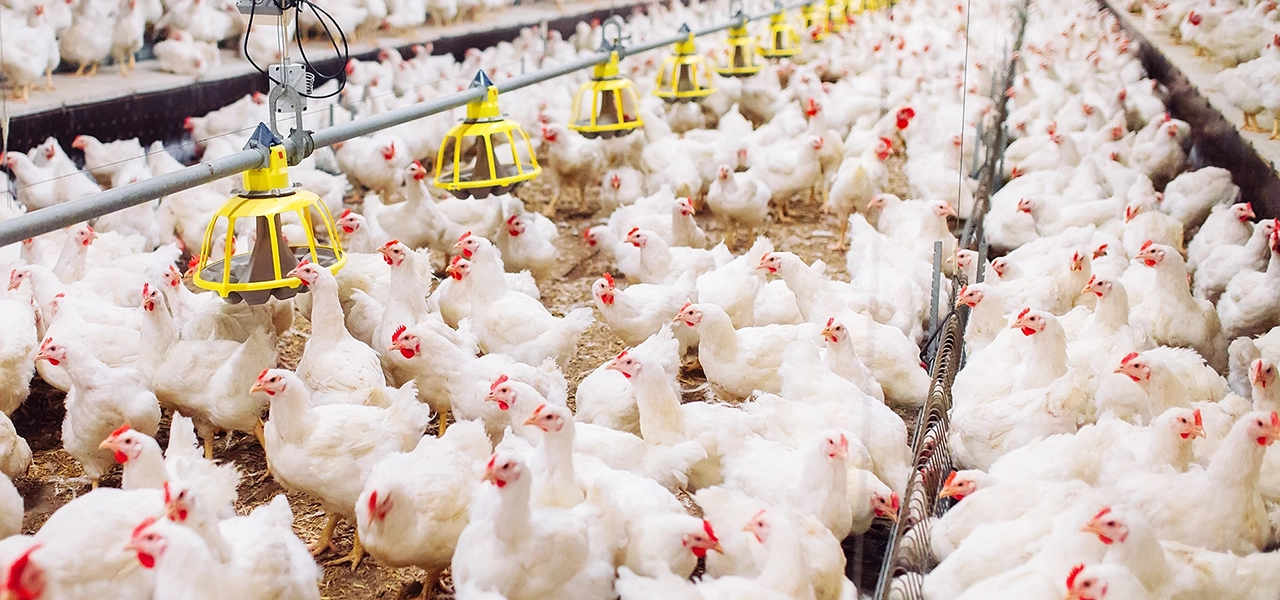
Its compact design makes it well suited for detecting feed and other materials in feeding and material-handling equipment. Like other capacitive sensors from dol-sensors, it is designed for reliable operation in demanding agricultural environments.
DOL 26 is available in different variants, making it possible to select a solution that fits the requirements of the application and control system.
Explore DOL 26 small capacitive sensor
For equipment manufacturers and OEMs
Looking for a sensor to integrate into your equipment?
Choosing a sensor for an automated system is about more than finding a component that fits. It needs to provide reliable detection, work with your control system, withstand the operating environment, and continue performing over the lifetime of the equipment.
DOL Sensors works with equipment manufacturers and system integrators worldwide to find sensor solutions for feeding and other automated systems.
Tell us what you need to detect, where the sensor will be installed, and how it needs to interface with your system. We can help you determine whether DOL 26 – or another capacitive sensor – is the right solution.