Reduced Oxygen and Respiratory Distress
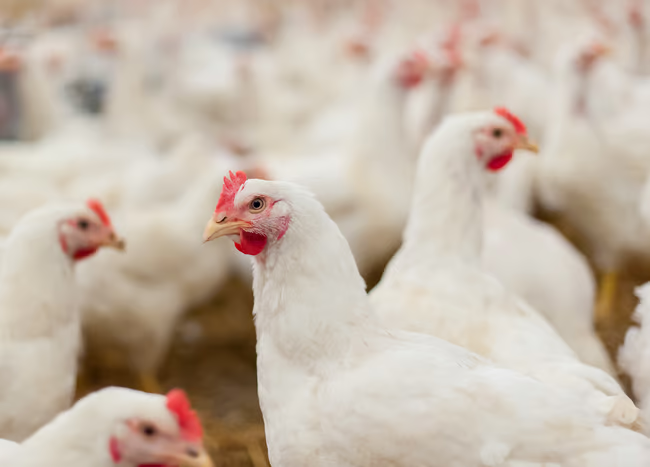
High CO₂ levels decrease the effective oxygen available to birds. This condition places stress on the respiratory system, often leading to visible signs such as panting, gasping, and labored breathing. When birds expend extra energy just to breathe, less energy is available for growth and feed conversion.
Impact on Growth and Mortality
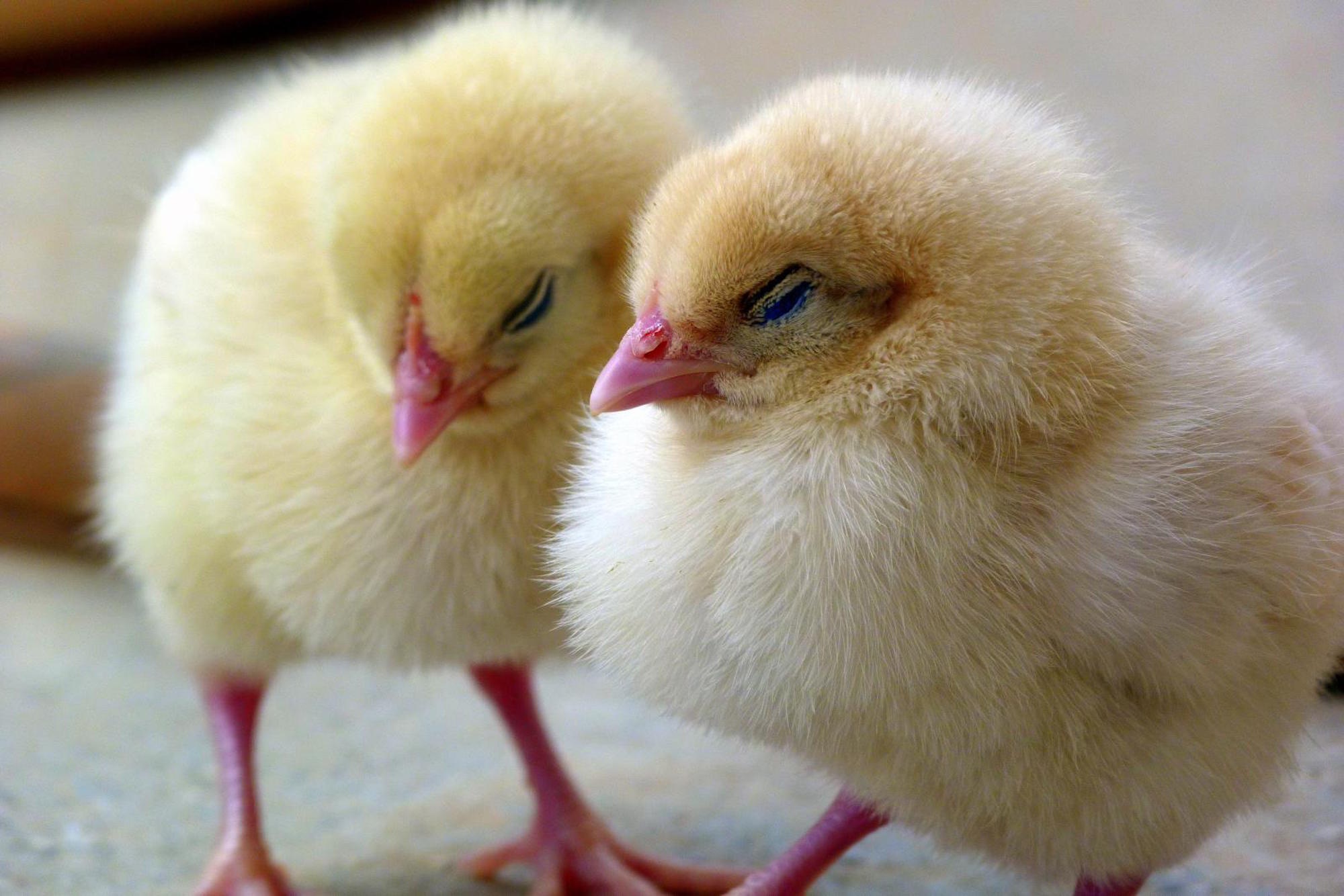
Poor oxygen availability has a direct effect on growth performance. Birds exposed to elevated CO₂ often show slower weight gain and poorer feed efficiency compared to flocks raised in well-ventilated environments. The problem is especially acute in chicks, where high CO₂ levels can increase mortality rates and reduce overall flock uniformity. Over time, these setbacks translate into lower productivity and higher production costs.
Compounding Air Quality Issues
Excess CO₂ not only harms birds directly but also aggravates other air quality problems. Poor ventilation that allows CO₂ to accumulate often results in higher concentrations of ammonia and humidity as well. These combined stressors weaken the immune system, make birds more susceptible to disease, and contribute to long-term damage in production performance.
Preventing the Problem
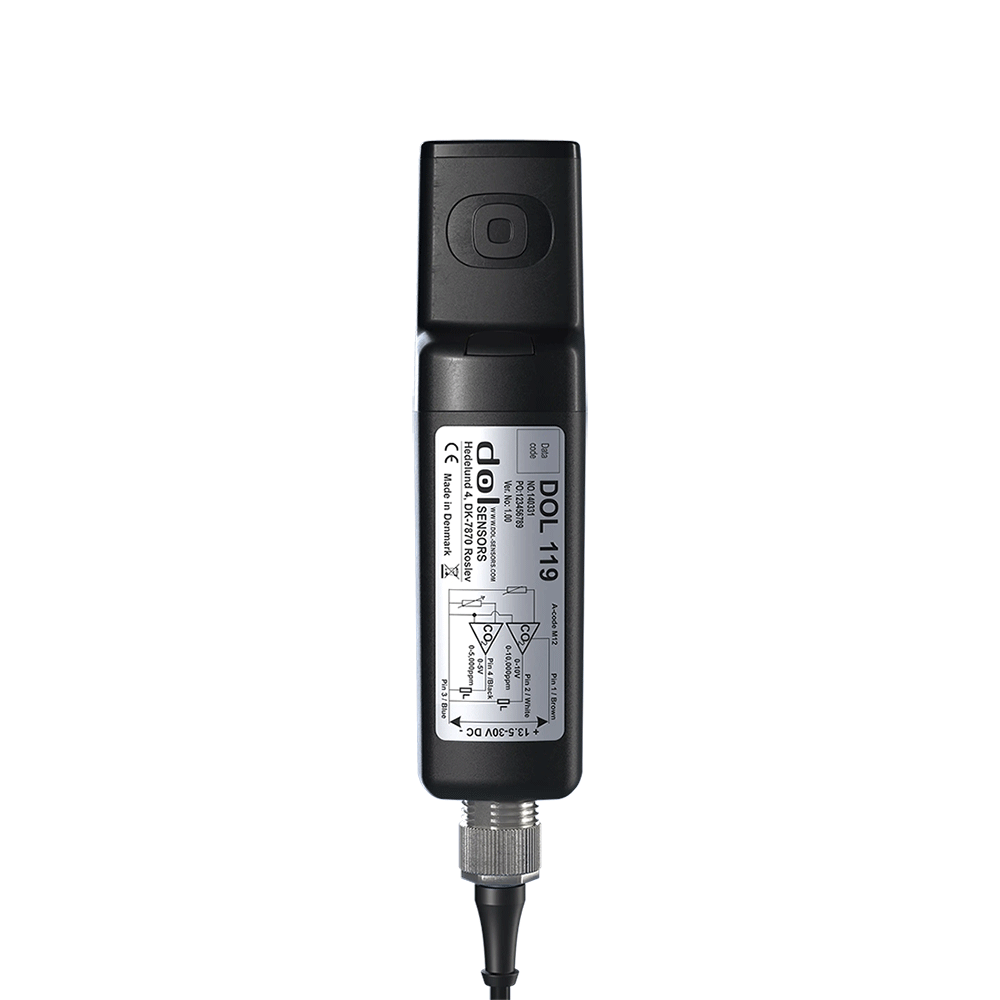
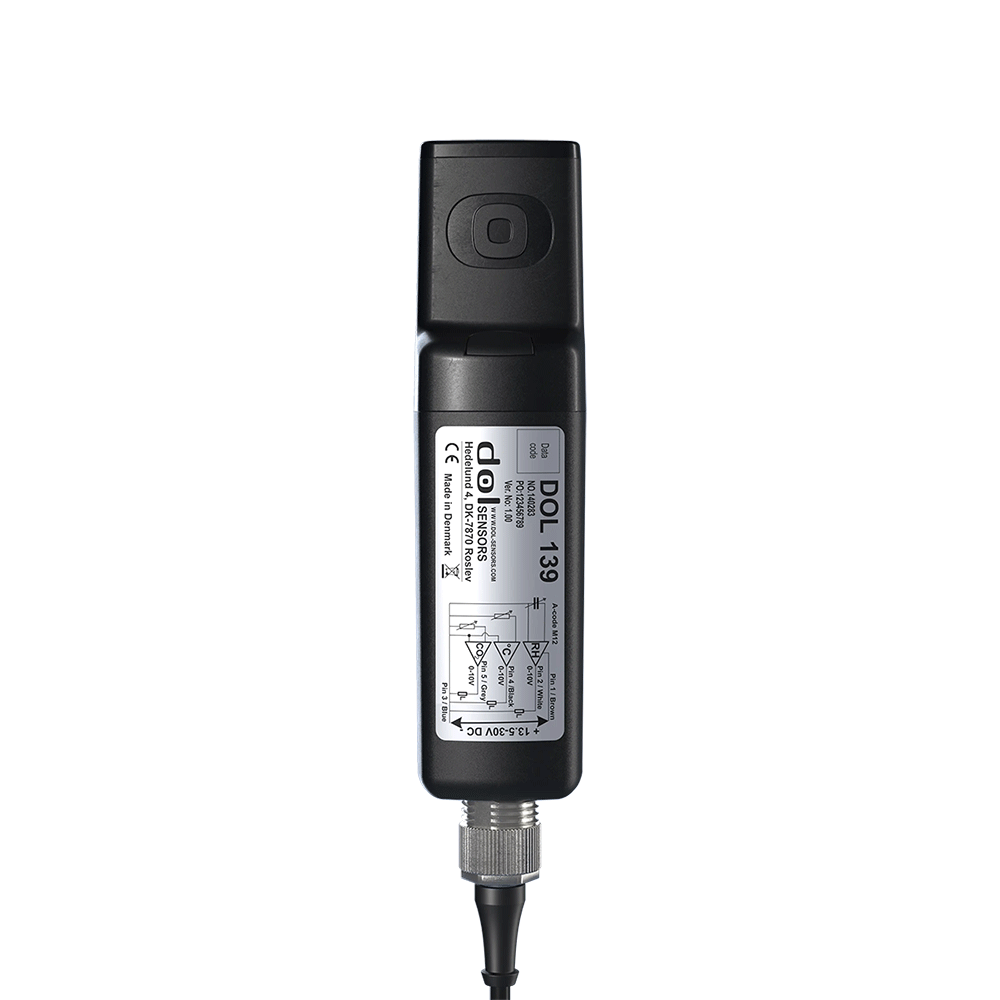
Addressing CO₂ buildup begins with effective ventilation design and management. Proper air exchange is critical, even in colder climates, to maintain oxygen balance while minimizing heat loss. Regular monitoring of CO₂ levels—alongside ammonia and humidity—can help producers detect problems early and adjust systems accordingly. Investing in ventilation efficiency and air quality management pays dividends not only in bird health but also in growth rates, feed conversion, and overall profitability.