The Importance Of Light In Pig Production

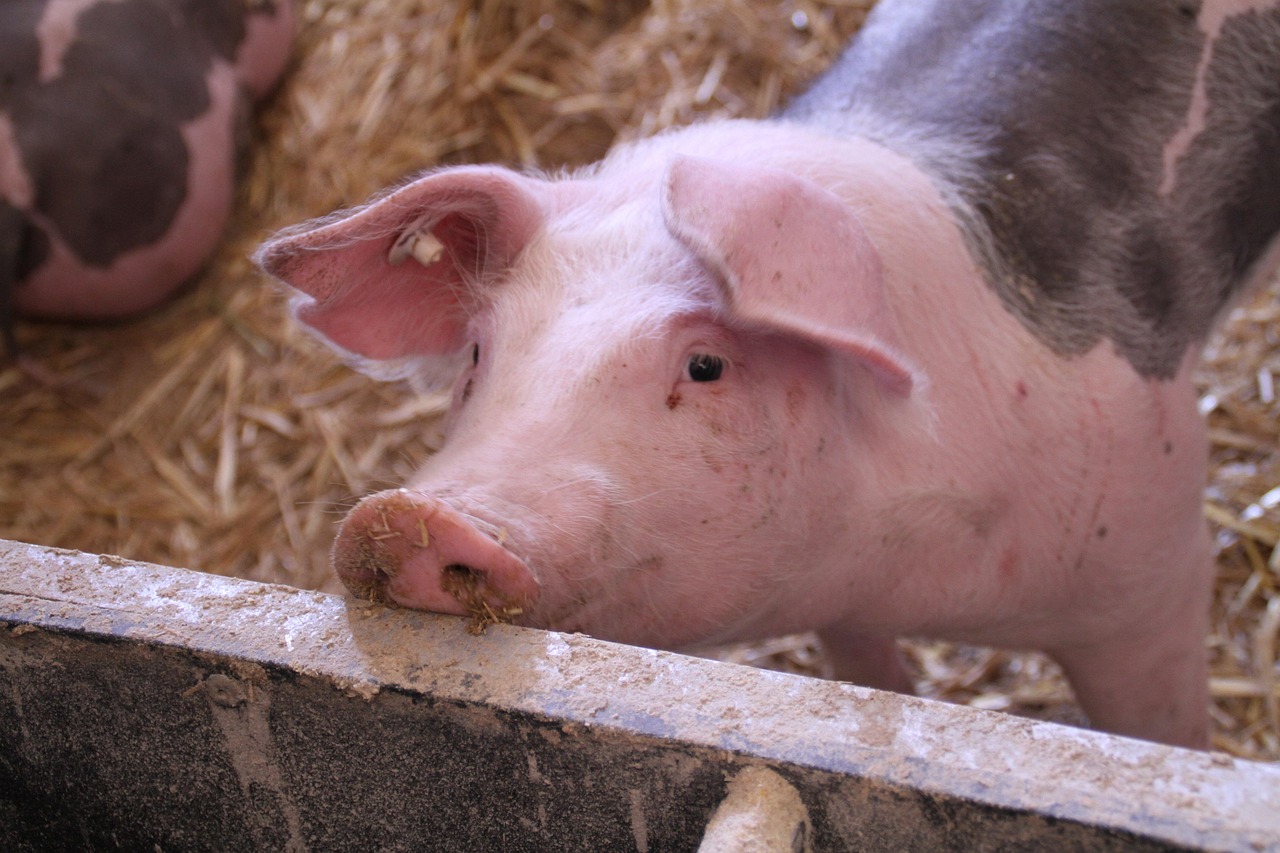
Lighting is far more than just a way to illuminate pig housing — it’s a powerful management tool that influences behavior, reproduction, and overall productivity. Understanding how light intensity, duration, and spectrum affect pigs can help producers optimize performance, improve welfare, and streamline daily operations.

Why Lighting Matters in Pig Production

Light influences many biological processes in pigs. Just like humans, pigs respond to light through hormonal and behavioral changes. Proper lighting affects:

  • Reproductive cycles and fertility
  • Feed intake and growth rates
  • Activity levels and welfare
  • Sleep and circadian rhythm

By controlling the lighting environment, producers can create consistent conditions that support better performance throughout all stages of production.

Optimizing Light for Different Production Stages

Breeding and Gestation

Lighting plays a direct role in regulating sow fertility. Adequate light exposure (typically around 14–16 hours per day) helps maintain regular estrous cycles and stimulates reproductive hormones. Insufficient or inconsistent lighting can lead to irregular heat cycles and reduced conception rates.

Farrowing and Lactation

Newborn piglets rely on visual cues to locate their mother and find the udder. Providing gentle, uniform lighting in farrowing areas helps reduce piglet mortality by improving nursing behavior and comfort. For lactating sows, appropriate light levels also encourage feed intake and milk production.

Growing and Finishing

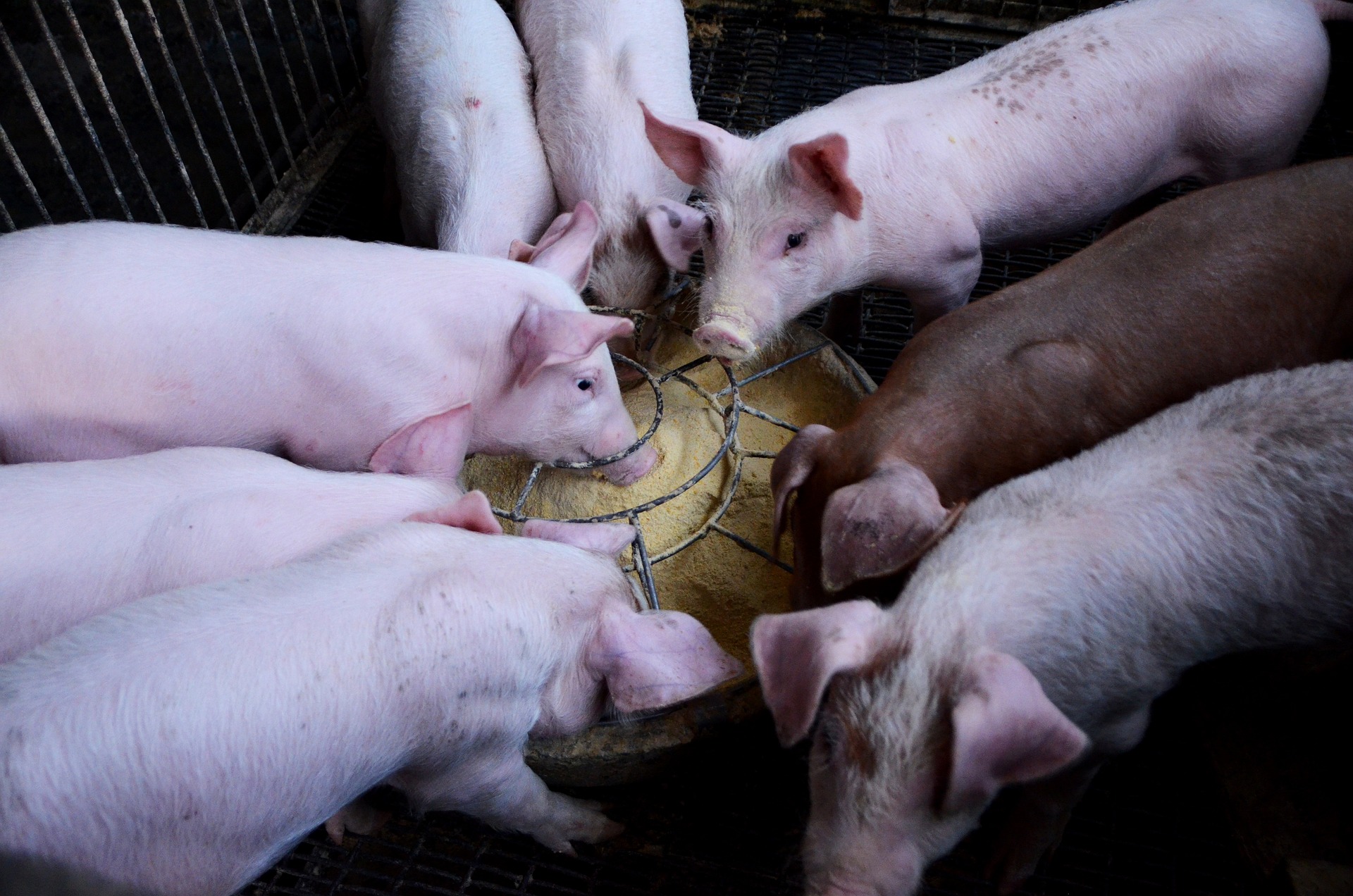
In grower and finisher units, lighting affects both activity and feed conversion. Moderate light intensity encourages feeding and movement, promoting uniform growth. Consistent light schedules help pigs establish natural rhythms, improving feed efficiency and reducing stress.

The Importance of Light
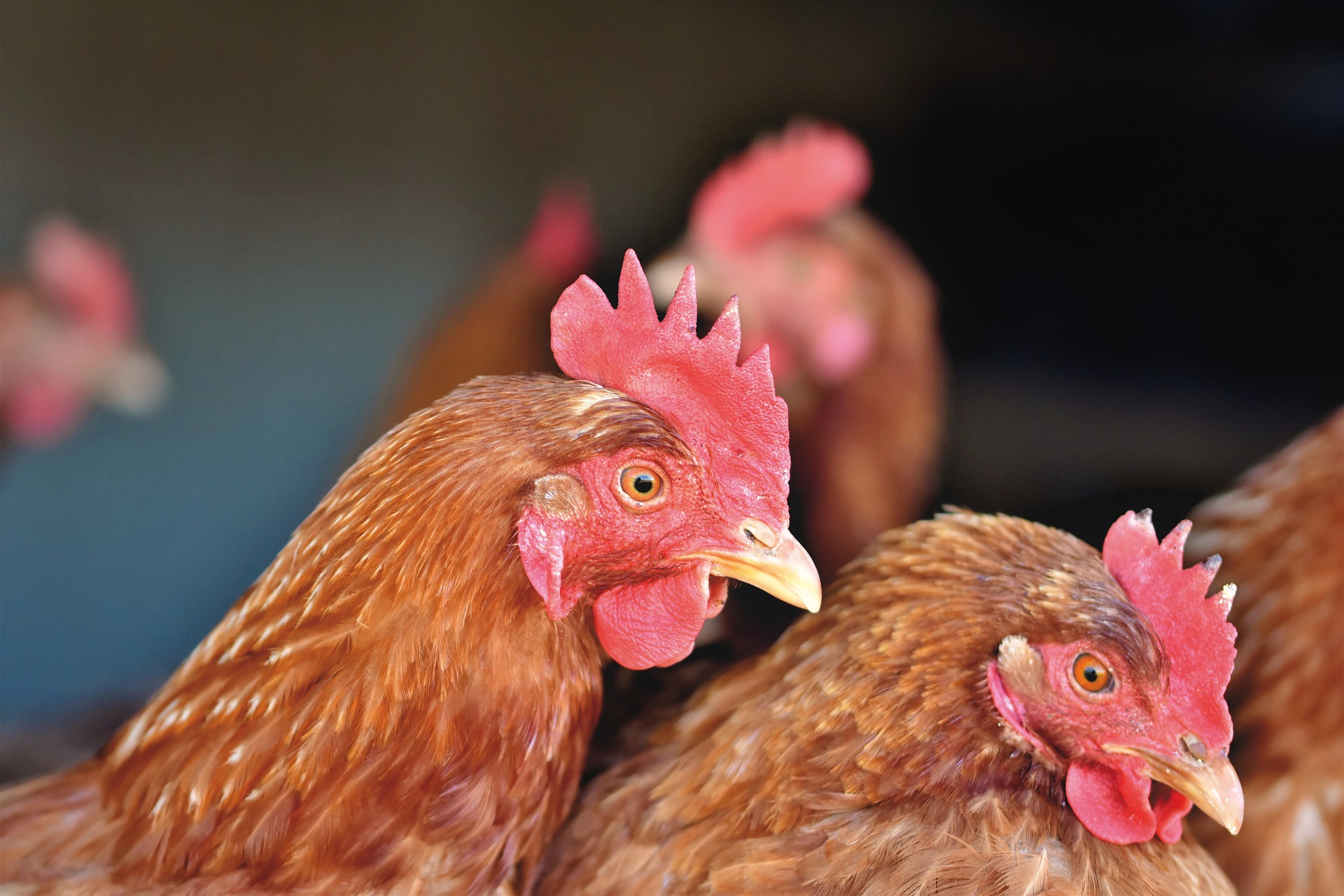
Discover how lighting affects poultry behavior, reproduction, welfare, and overall production performance.

Benefits of Proper Lighting Systems

Enhanced Fertility and Reproductive Performance

Well-managed lighting supports sow fertility by mimicking natural daylength, keeping hormone levels stable and encouraging consistent breeding cycles.

Improved Feed Intake and Growth

Balanced light schedules help maintain normal activity patterns, which can lead to higher feed intake and better weight gain — especially when combined with appropriate ventilation and temperature control.

Better Animal Welfare

Proper lighting reduces stress, aggression, and fatigue. Pigs are calmer and easier to handle under steady, non-glare light conditions.

Simplified Daily Management

Automated lighting systems can simulate sunrise and sunset, allowing for smooth transitions and reducing disruptions during feeding or cleaning times. They also save labor and energy through programmable settings.

Energy Efficiency and Sustainability

LED lighting technology provides bright, uniform illumination while reducing energy costs. Long-lasting bulbs also mean fewer replacements and less maintenance.
Farming
Learn how continuous monitoring helps producers identify developing production challenges through changes in water consumption, growth performance and other key production indicators.

Welcome to the Future of Farming Sensors!

At dol-sensors, we are passionate about revolutionizing agriculture through the use of cutting-edge technology. Our farming sensors are designed to help farmers and farm managers to optimize their production, lower their costs, lower FCR and mortality, increase animal welfare, and reduce ammonia emmission.

Imagine being able to monitor the climate in your livestock house, controlling the filling and emptying of silos, automate the ventilation, heating, and cooling of the farm house, and make informed decisions on how to manage your production. Combined with a farm controller, that’s exactly what our sensors can do for you. Whether you’re a small-scale farmer or a large agribusiness, our sensors can help you improve your production and increase your profits.

Vast experience within farming

dol-sensors has more than 50 years of experience in the farming industry. We strive to be the leading supplier through innovation of climate and capacitive sensors for food production and other industries.

Our mission is to provide intelligent sensor solutions to contribute to global efficient and sustainable food production.

Feed and Gut Health: The Foundation of Strong, Active Pigs
Learn how continuous monitoring helps producers identify developing production challenges through changes in water consumption, growth performance and other key production indicators.

Healthy pigs start with a healthy gut. When digestion works smoothly and nutrients are absorbed efficiently, pigs grow faster, stay more resilient, and remain active throughout the production cycle. Gut health is one of the biggest drivers of performance, and one of the easiest to overlook.

Why Gut Health Shapes Performance

Feed Quality Sets the Tone

Balanced protein, the right fiber levels, and consistent feed structure all support stable digestion. Clean water and high-quality raw materials help pigs maintain a healthy gut and steady appetite.

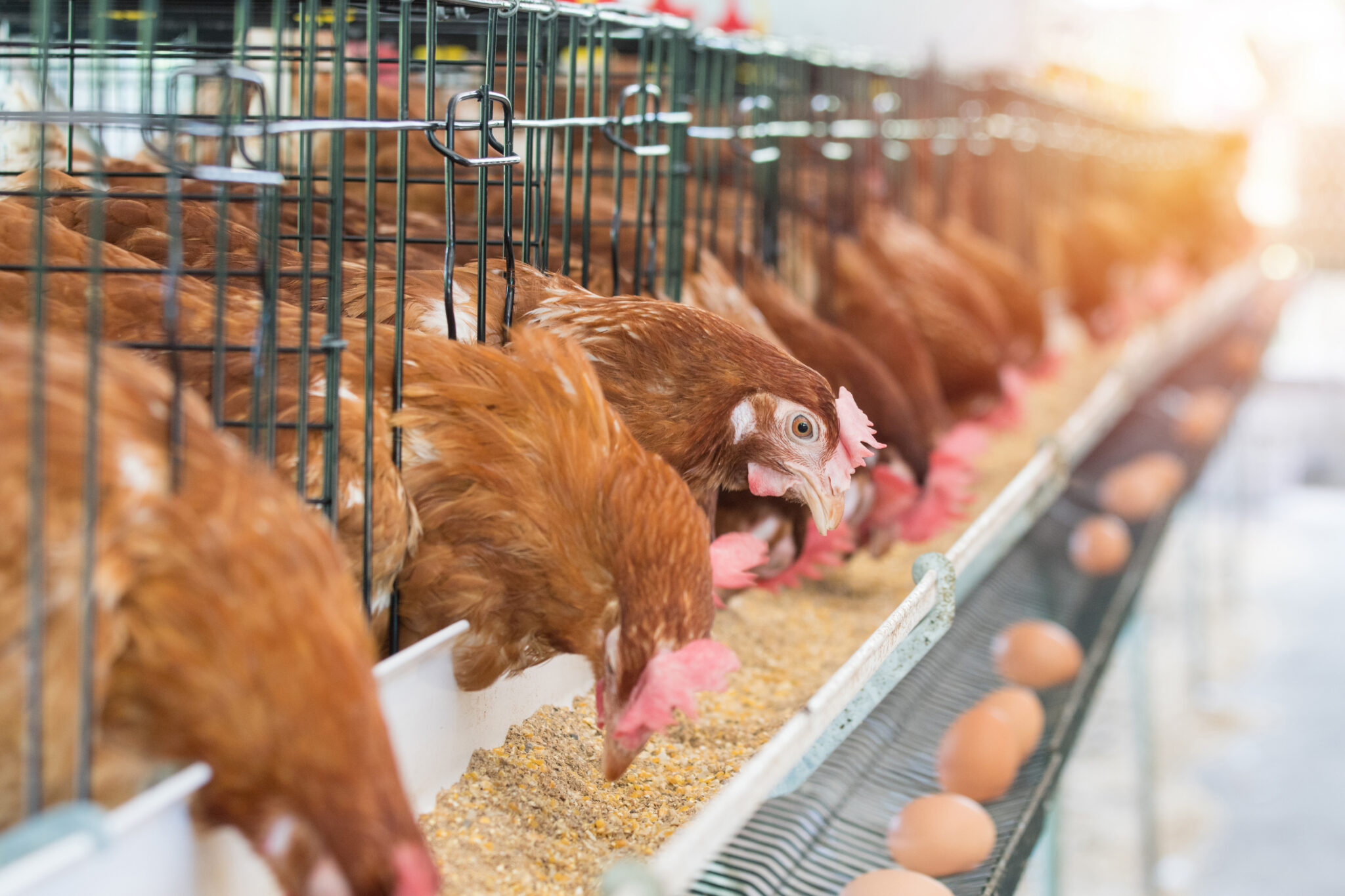
Get Control In Your Poultry Production
Learn how continuous monitoring helps producers identify developing production challenges through changes in water consumption, growth performance and other key production indicators.

The Impact of Knowledge and Performance Management

Most farm manager want to know what is going on in their productions; how are the broilers performing, how big is the mortality rate, and so on. Gaining control and insight into poultry production can have a significant impact on a farm’s efficiency, profitability, and overall success.

Being well-informed about the various aspects of poultry production — from breeding and feeding to health management and environmental control — enables farm managers to make better decisions. This understanding helps in improving animal welfare, and ultimately, enhancing productivity.

Improved Health and Welfare

A thorough knowledge of poultry health and behavior empowers farm managers to swiftly identify and address issues. This leads to healthier flocks, lower mortality rates, and reduced need for medical interventions, which can be costly and sometimes detrimental to the birds’ health and the quality of the produce.

Higher Product Quality and Yield

Farm managers who have a deeper understanding of their poultry’s performance can achieve higher product quality. This includes better meat texture and flavor, as well as higher egg production rates and quality. Such improvements are often the result of well-managed feeding programs, optimal living conditions, and stress reduction strategies.

Selected Sensors

Documents

English
Leaflet
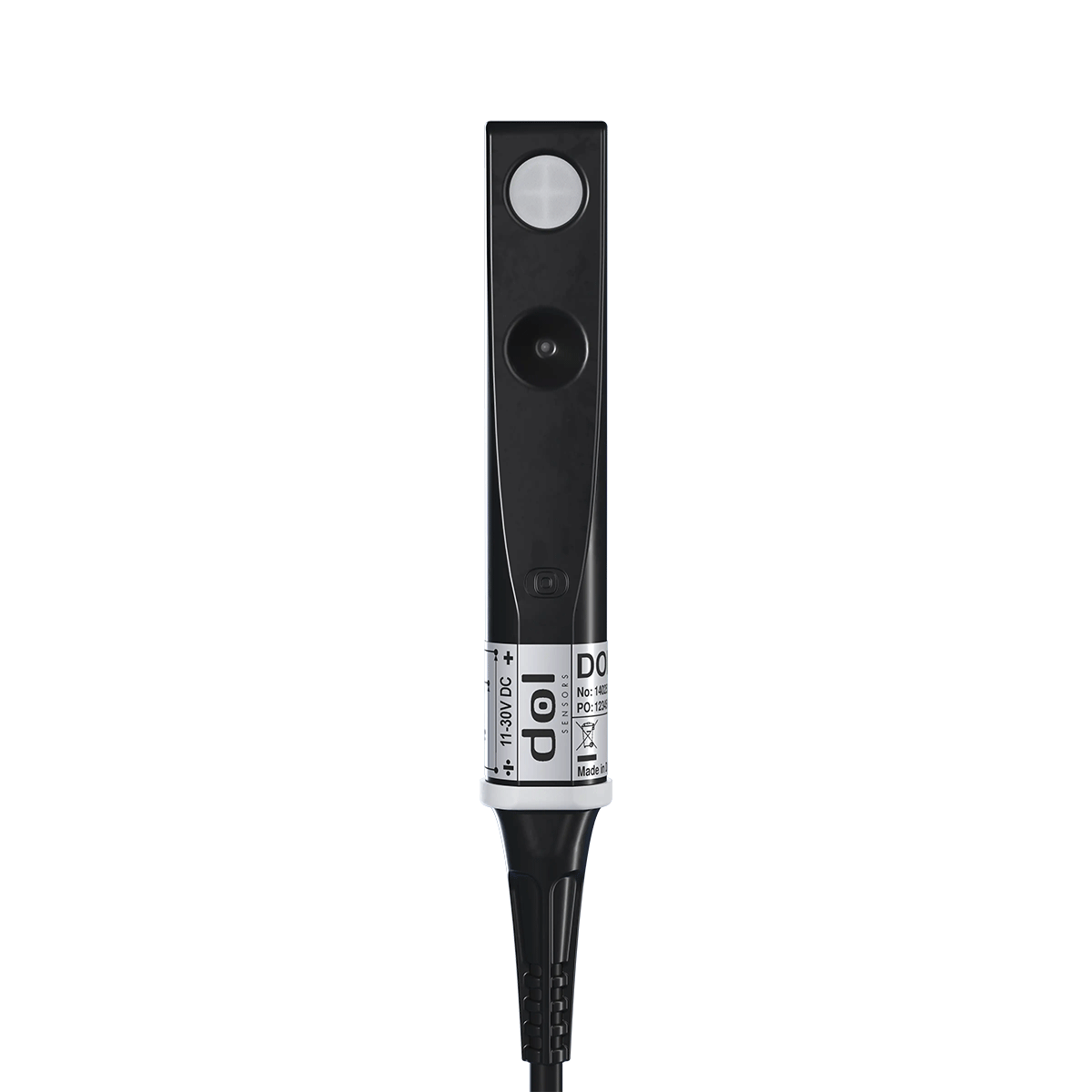
DOL 16 Light Sensor_Onepager
English
Technical User Guide
DOL 16_0-50_1000 LUX_0-10V_Technical User Guide_EN
English
Technical Information
DOL 16_0-10V_Technical Information_EN
English
Technical User Guide
DOL 16_0-100_1000 LUX_0-10V_Technical User Guide_EN
English
Technical User Guide
DOL 16_0-100_1000 LUX_4-20mA_Technical User Guide_EN

Join our newsletter

Stay ahead in livestock production.

Join our newsletter and get industry insights, expert perspectives, and practical strategies for optimizing performance and efficiency.