Feed and Gut Health: The Foundation of Strong, Active Pigs

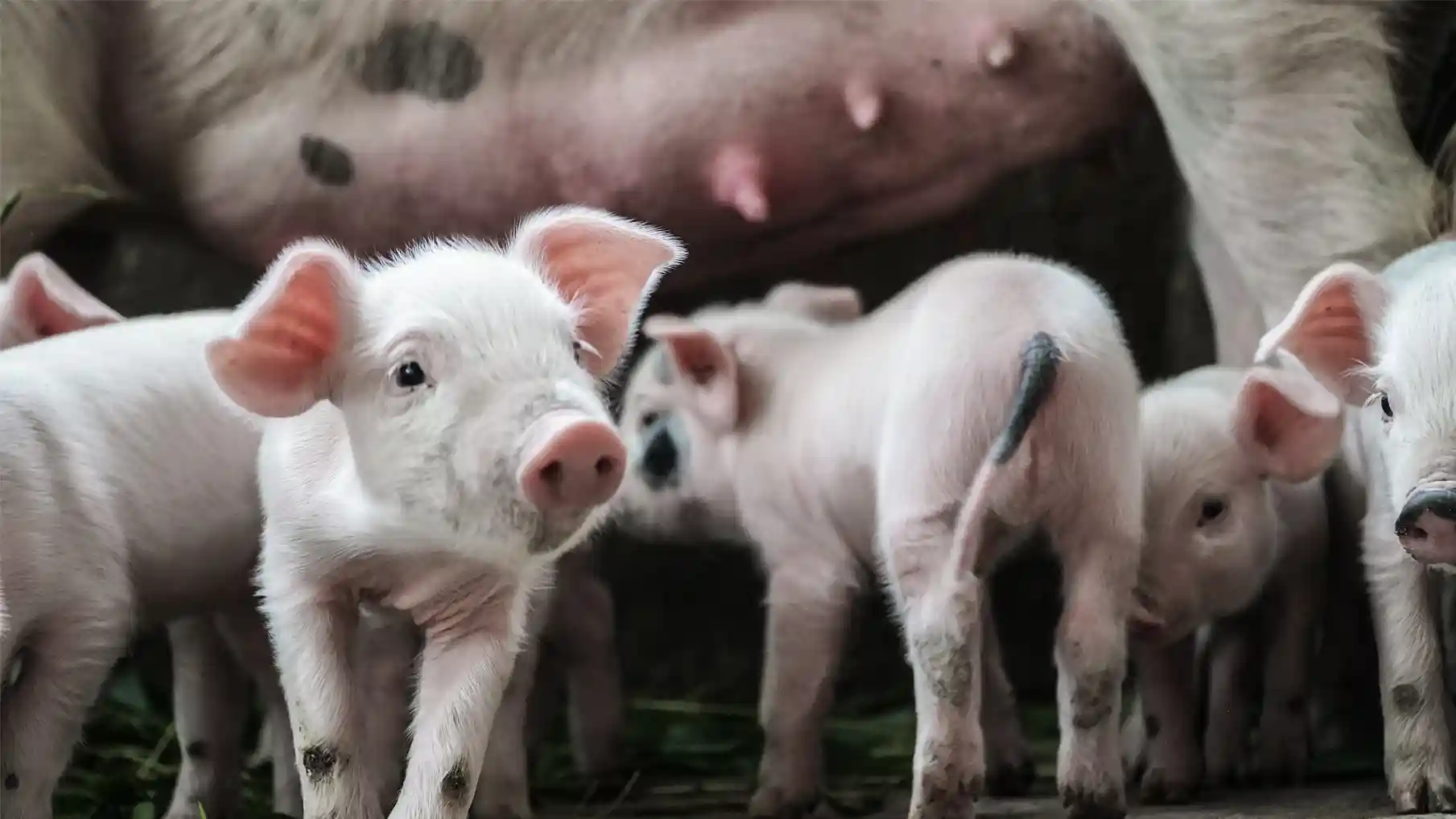
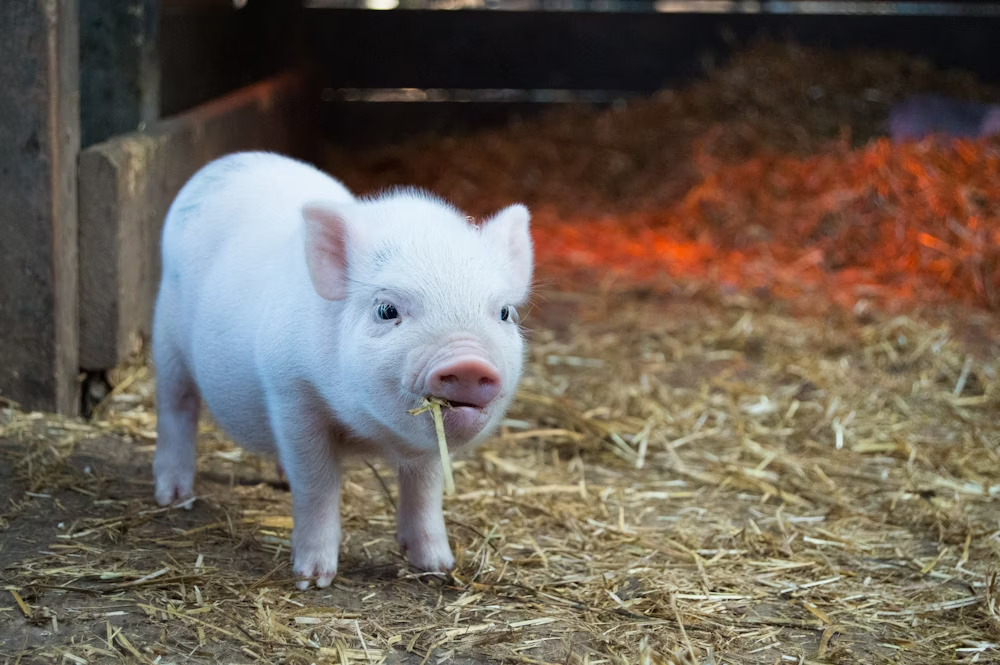
Healthy pigs start with a healthy gut. When digestion works smoothly and nutrients are absorbed efficiently, pigs grow faster, stay more resilient, and remain active throughout the production cycle. Gut health is one of the biggest drivers of performance, and one of the easiest to overlook.

Why Gut Health Shapes Performance

Feed Quality Sets the Tone

Balanced protein, the right fiber levels, and consistent feed structure all support stable digestion. Clean water and high-quality raw materials help pigs maintain a healthy gut and steady appetite.

Strong Pigs Start with Gut Health
Discover how gut health, feed quality, and barn conditions influence pig growth, resilience, and performance.

Barn Conditions Influence Digestion

Heat stress, poor air quality, and humidity swings can disrupt gut function and reduce feed intake. Stable temperature, airflow, and low gas levels help pigs digest feed properly and maintain growth.

Data Helps Spot Gut Issues and Weight Gain Early

Changes in feed or water intake often signal digestive problems before factors appear. Monitoring these patterns - along with shifts in weight gain - gives farm managers early warnings so they can act quickly and protect performance.

Decrease Low Weight Gain In Pig Production
Learn how continuous monitoring helps producers identify developing production challenges through changes in water consumption, growth performance and other key production indicators.

Understanding the Impact of Ammonia on Pig Weight Gain

In the realm of pig production, achieving optimal weight gain is crucial for maximizing profitability and ensuring the overall health and performance of the herd. However, low weight gain in pigs can be a persistent challenge for producers, and one often overlooked factor contributing to this issue is the presence of elevated levels of ammonia in the swine housing environment.

Ammonia, a byproduct of pig waste, can accumulate in housing facilities, negatively impacting respiratory health, nutrient utilization, and ultimately, weight gain in pigs. In this article, we will explore the impact of ammonia on pig weight gain and discuss strategies for mitigating its effects to promote healthier and more productive herds.

Respiratory Health Risks

Ammonia is a potent respiratory irritant that can cause irritation and inflammation in the respiratory tract of pigs. Prolonged exposure to high levels of ammonia can lead to respiratory distress, compromised lung function, and increased susceptibility to respiratory infections such as pneumonia. Respiratory issues induced by ammonia inhalation can result in reduced feed intake, impaired nutrient absorption, and ultimately, poor weight gain in affected pigs.

Stress Response

Exposure to elevated levels of ammonia can induce stress responses in pigs, triggering the release of stress hormones such as cortisol. Chronic stress not only compromises immune function but also disrupts metabolic processes and growth hormone regulation. Pigs experiencing prolonged stress due to ammonia exposure may exhibit reduced appetite, decreased nutrient utilization, and impaired growth performance, leading to suboptimal weight gain and production outcomes.

Nutrient Utilization

Ammonia toxicity can interfere with nutrient utilization and metabolism in pigs, particularly protein digestion and amino acid absorption. Elevated levels of ammonia in the environment can disrupt the balance of gut microflora, leading to gut dysbiosis and impaired nutrient absorption in the gastrointestinal tract. Consequently, pigs may experience reduced growth efficiency despite consuming adequate feed, as their ability to convert nutrients into body mass is compromised.

Save Energy in Your Pig Production
Learn how continuous monitoring helps producers identify developing production challenges through changes in water consumption, growth performance and other key production indicators.

Energy is one of the biggest costs in pig farming — from heating and ventilation to lighting and feeding systems. With rising energy prices and growing pressure to reduce environmental impact, improving energy efficiency has never been more important.

The good news? You can cut energy consumption without compromising herd welfare or performance. With a few smart changes — in climate control, lighting, and insulation — pig producers can unlock significant savings while maintaining ideal conditions for animal health and growth.

Optimize Climate Control Systems

Heating and ventilation typically account for the largest share of energy use in pig housing. Modern automated climate systems can make a huge difference by adjusting temperature and airflow in real time based on animal needs and barn conditions.

Energy-saving tips:

These systems not only save energy but also improve air quality, reducing stress and disease risks.

Invest in Energy-Efficient Lighting

Lighting often operates longer than necessary in pig housing. Switching to LED technology can reduce electricity use by up to 60% compared to traditional fluorescent or incandescent bulbs.

Smart lighting strategies:

  • Install motion sensors or timers to automatically adjust lighting based on occupancy and daylight.
  • Optimize light intensity and duration according to production stages — for instance, lower levels in finishing barns and higher levels for breeding sows.
  • Clean fixtures regularly to maintain brightness and efficiency.

Proper lighting management not only saves power but also supports better reproduction, feeding behavior, and welfare.

The Hidden Cost of CO₂ in Pig Barns
Learn how continuous monitoring helps producers identify developing production challenges through changes in water consumption, growth performance and other key production indicators.

Did you know that high CO₂ levels inside pig housing don’t just affect air quality — they quietly eat into your profits? Carbon dioxide (CO₂) is often overlooked in ventilation management, but it can have a significant impact on animal performance, energy efficiency, and even worker health. From slower growth rates and higher veterinary costs to reduced feed efficiency and fatigue among staff, poor barn air can be surprisingly costly.

Where Does CO₂ Come From in Pig Housing?

In pig barns, CO₂ primarily originates from two sources:

  1. Animal respiration – Pigs naturally exhale CO₂ as part of normal breathing. The more pigs in a barn, the higher the concentration.
  2. Combustion systems – Gas-fired heaters used for temperature control can contribute additional CO₂, especially if ventilation is inadequate.

Without proper airflow, CO₂ can accumulate quickly — particularly in cold seasons when barns are tightly sealed to conserve heat.

Why High CO₂ Levels Matter

While CO₂ itself is not toxic at typical barn levels, concentrations above 3,000 ppm can begin to affect animal health and performance. Prolonged exposure may lead to:

  • Reduced oxygen availability, causing pigs to breathe faster and use more energy.
  • Slower growth rates, as pigs prioritize maintenance over weight gain.
  • Weakened immune systems, increasing susceptibility to respiratory infections.
  • Behavioral changes, such as reduced feed intake or restlessness.

High CO₂ also impacts humans working in the barn — leading to fatigue, headaches, and reduced concentration, all of which can decrease efficiency and safety.

The Economic Impact of Poor Air Quality

Even moderate CO₂ elevations can quietly erode profitability. Producers may notice:

  • Increased feed costs per kilogram of gain — as pigs convert feed less efficiently.
  • Higher veterinary expenses — due to respiratory diseases or stress-related conditions.
  • Energy inefficiencies — when heating and ventilation systems are not properly balanced.
  • Reduced labor productivity — as workers experience discomfort in poorly ventilated environments.

These hidden losses can add up over time, making air quality management a smart economic decision — not just an animal welfare one.

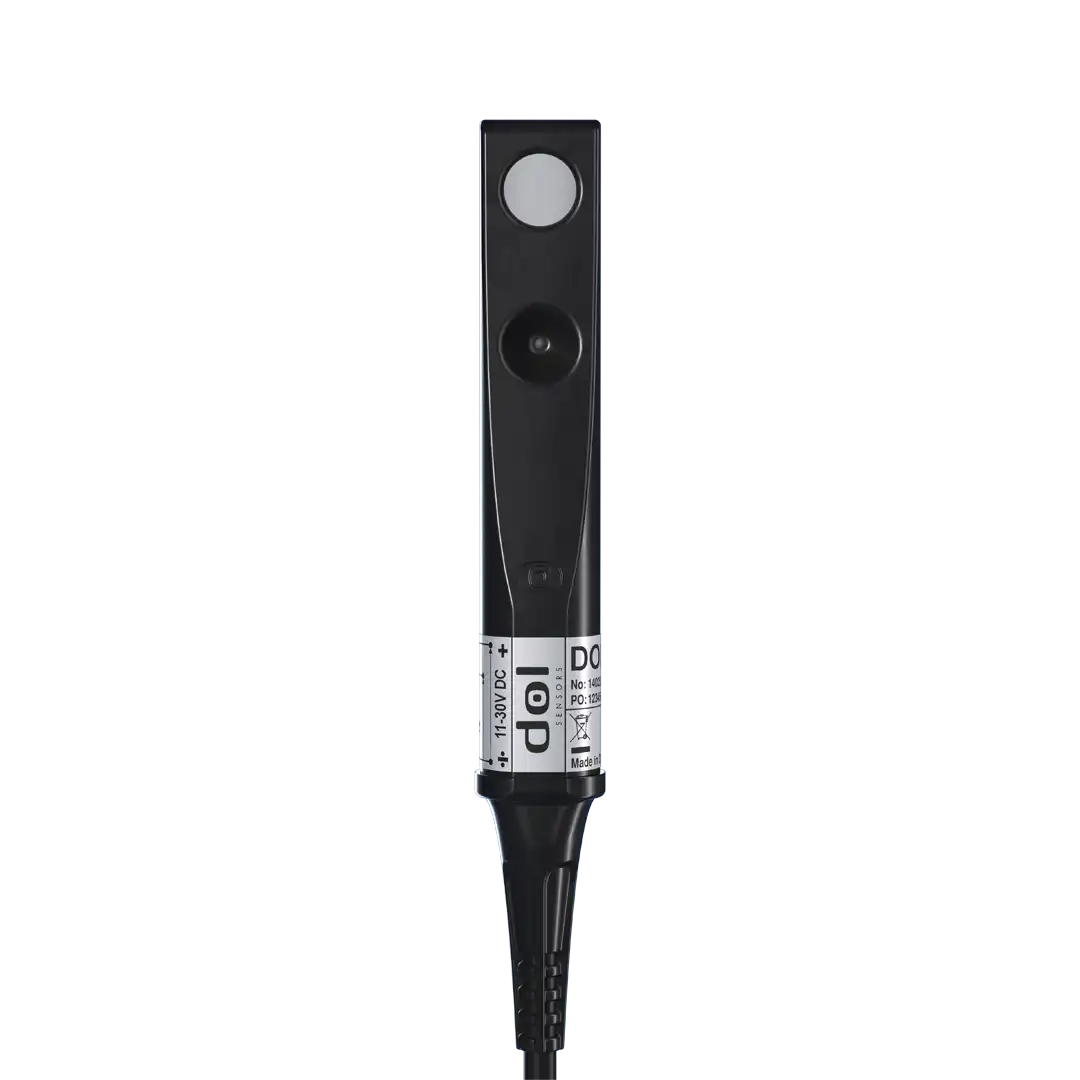
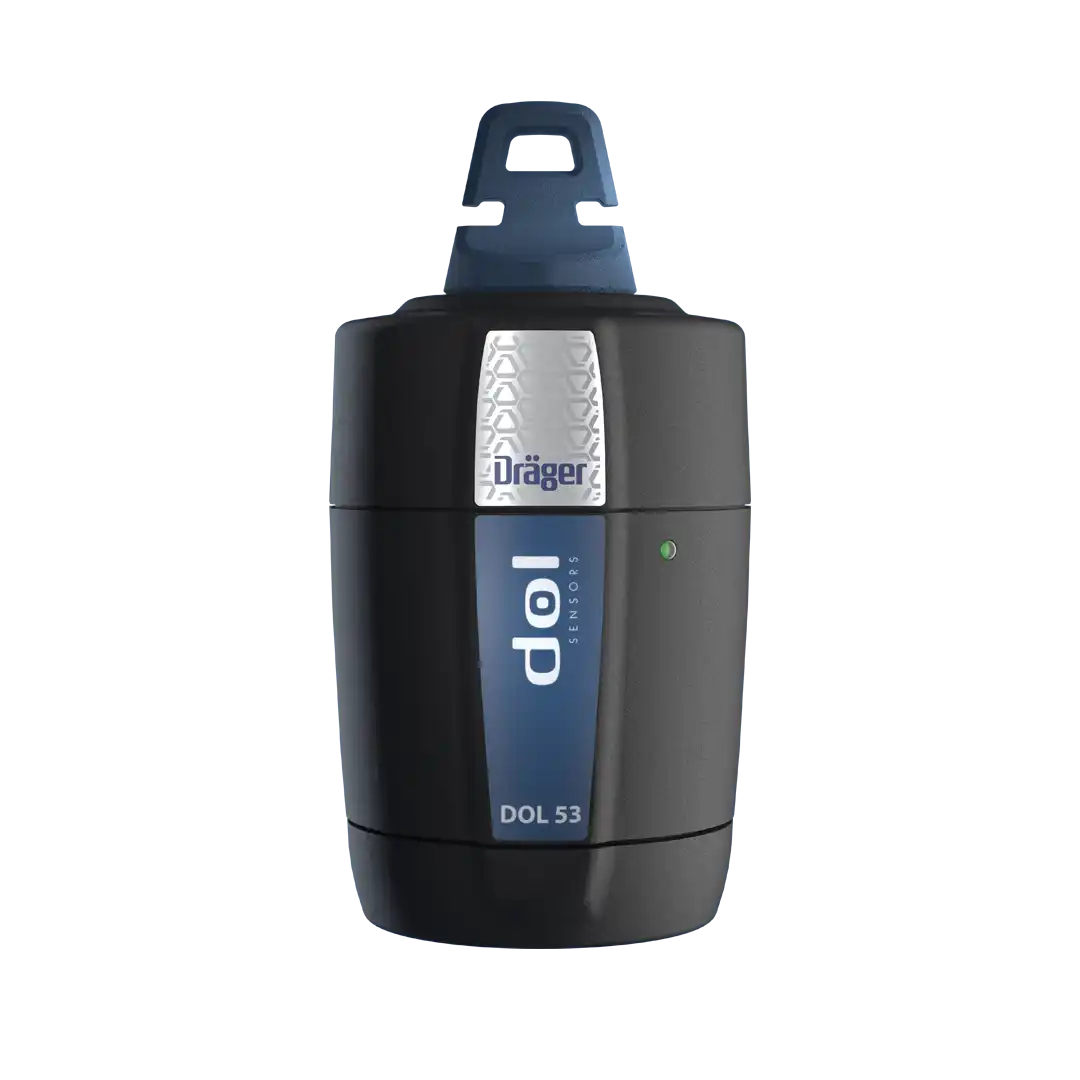
Selected Sensors

Documents

English
Leaflet
Climate brochure Pig
English
Leaflet
DOL 114 Humidity and Temperature Sensor_Onepager
English
Leaflet
DOL 53 Ammonia Sensor_Onepager
English
Leaflet
DOL 26 Capacitive/Proximity Sensor_Onepager
English
Leaflet
iDOL 65 Pig Weighing Camera Brochure

Join our newsletter

Stay ahead in livestock production.

Join our newsletter and get industry insights, expert perspectives, and practical strategies for optimizing performance and efficiency.