How Electrochemical Ammonia Sensors Work and Why They Matter in Poultry Production

Ammonia (NH3) is one the most important environmental factors to monitor poultry production. Even relatively low concentrations can affect animal welfare and overall performance. Thus, producers should invest in ammonia monitoring rather than relying on manual checks or periodic measurements. Studies* have shown that high ammonia concentrations in poultry production results in a high FCR, reduced gain, and low animal welfare.

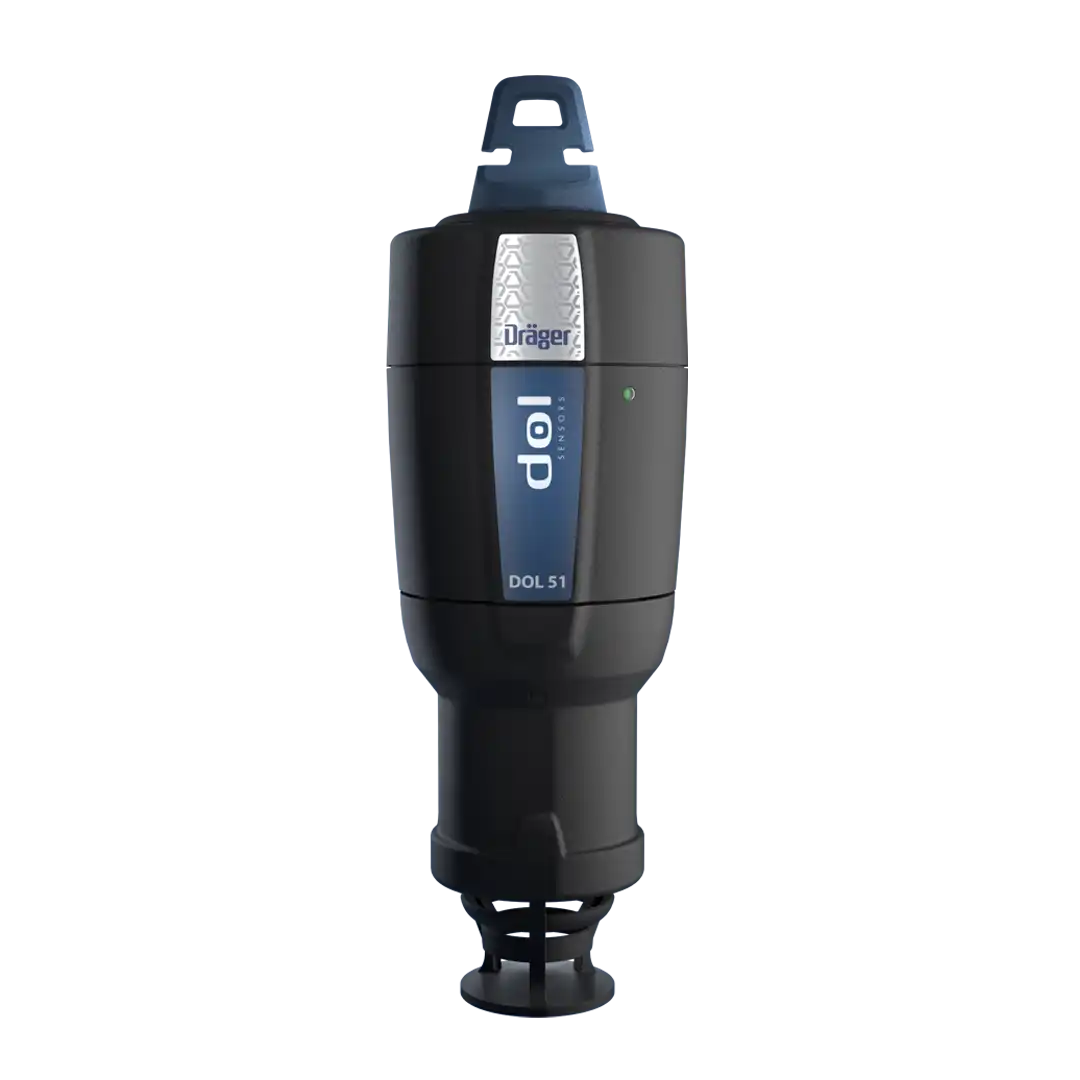
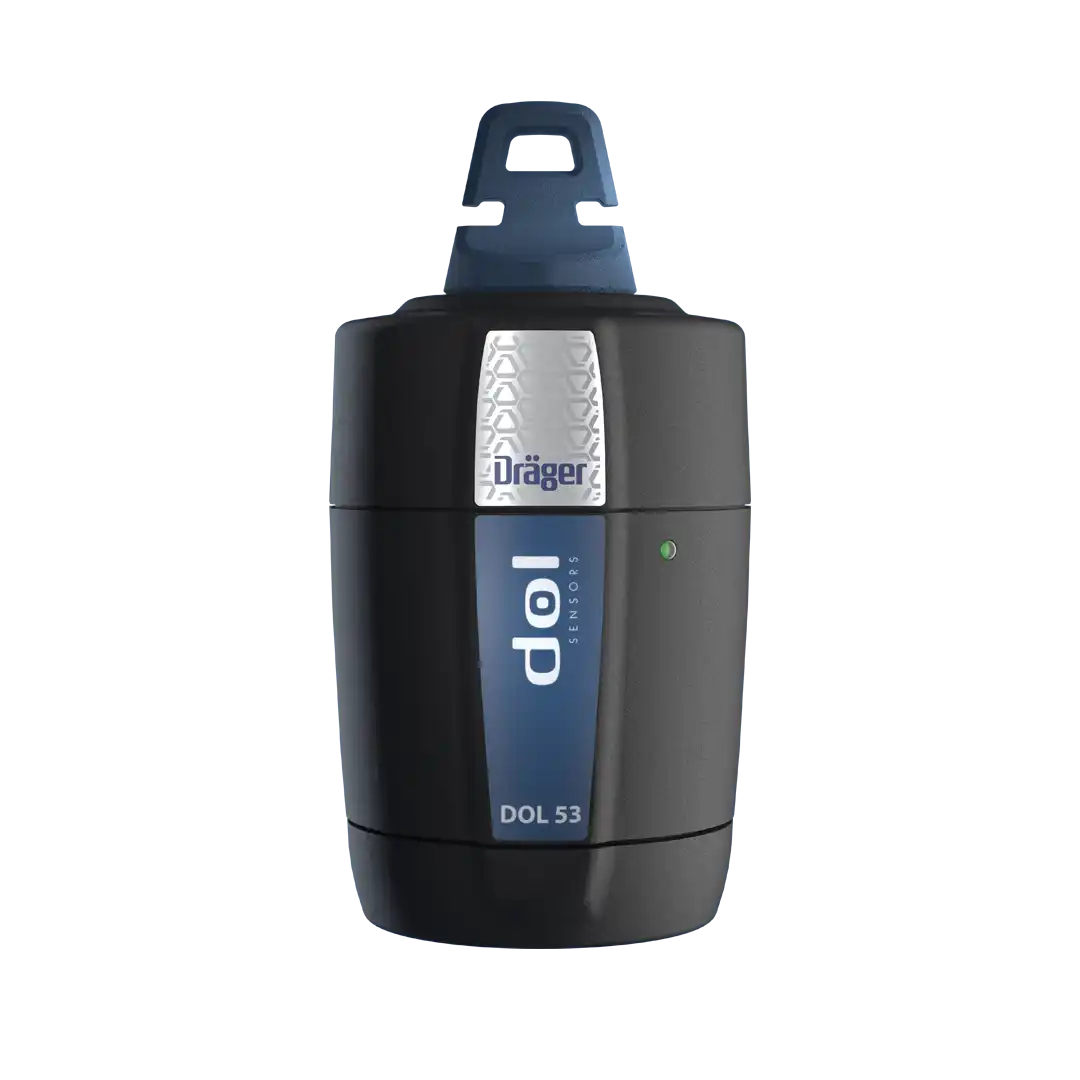
DOL 51 and DOL 53 are examples of electrochemical ammonia sensors designed specifically for the demanding conditions found in livestock houses.

How Does An Electrochemical Ammonia Sensor Work?

Agricultural environments often expose sensors to dust, humidity, and corrosive gases, making sensor durability and measurement stability essential. Electrochemical ammonia sensors measure NH3 concentrations by detecting chemical reactions between ammonia molecules and the sensor’s active element.

The resulting electrical signal is converted into a concentration value that can be transmitted to climate control systems. To maintain measurement accuracy over time, sensor performance depends on factors such as temperature compensation, calibration stability, and protection against environmental contamination.

Read more: Ammonia Sensors for Poultry Houses

Advantages of Ammonia Sensors

Electrochemical sensors have become one the most widely used technology for continuous monitoring in livestock production.

Key advantages include: 

  • High sensitivity at low ammonia concentrations
  • Fast response times
  • Reliable detection of ammonia build-up
  • Less installation costs
  • Easy integration
  • Low power consumption
  • Well suited for automated ventilation control systems

For poultry producers, these advantages are particularly important because ammonia levels can change rapidly due to litter quality, humidity, stocking density, and ventilation performance.

Disadvantages of Electrochemical Sensors

Like any technology, electrochemical sensors also have limitations. They typically have a shorter service life because the sensing element gradually degrades as it reacts with ammonia. As a result, sensor elements require periodic replacement to maintain measurement accuracy.

Potential challenges include:

  • Exposure to severe environmental conditions can reduce lifespan
  • Dust accumulation can affect performance if sensors are not properly protected
  • Sensor elements eventually require replacement
  • Require more frequent maintenance

Many ammonia sensors used in agriculture were originally developed for industrial applications. While the sensors can provide accurate measurements, they may not be optimized for continuous operation in poultry houses, where high dust levels, humidity, and corrosive conditions place additional demands on sensor durability and long-term stability.

What Causes Ammonia in Poultry Houses?
Ammonia is one of the most important indicators of poultry house conditions, but not all sensors perform equally. Learn how electrochemical ammonia sensors work, what affects their lifespan, and how to achieve reliable long-term monitoring.

What Makes DOL 51 and DOL 53 Different?

Our sensors are specifically designed for continuous measurement of ammonia (NH3) concentration in livestock houses.

The DOL 51 and DOL 53 features:

  • Electrochemical sensing technology optimized for ammonia measurement
  • Livestock-specific construction
  • Low maintenance requirements
  • Easy integration with existing climate control systems
  • Continuous measurement for automated ventilation control
  • Components designed to withstand dusty agricultural environments
  • Replaceable filter supports easy maintenance and helps extend sensor performance
  • Measurements are highly selective and are not affected by the presence of other gases

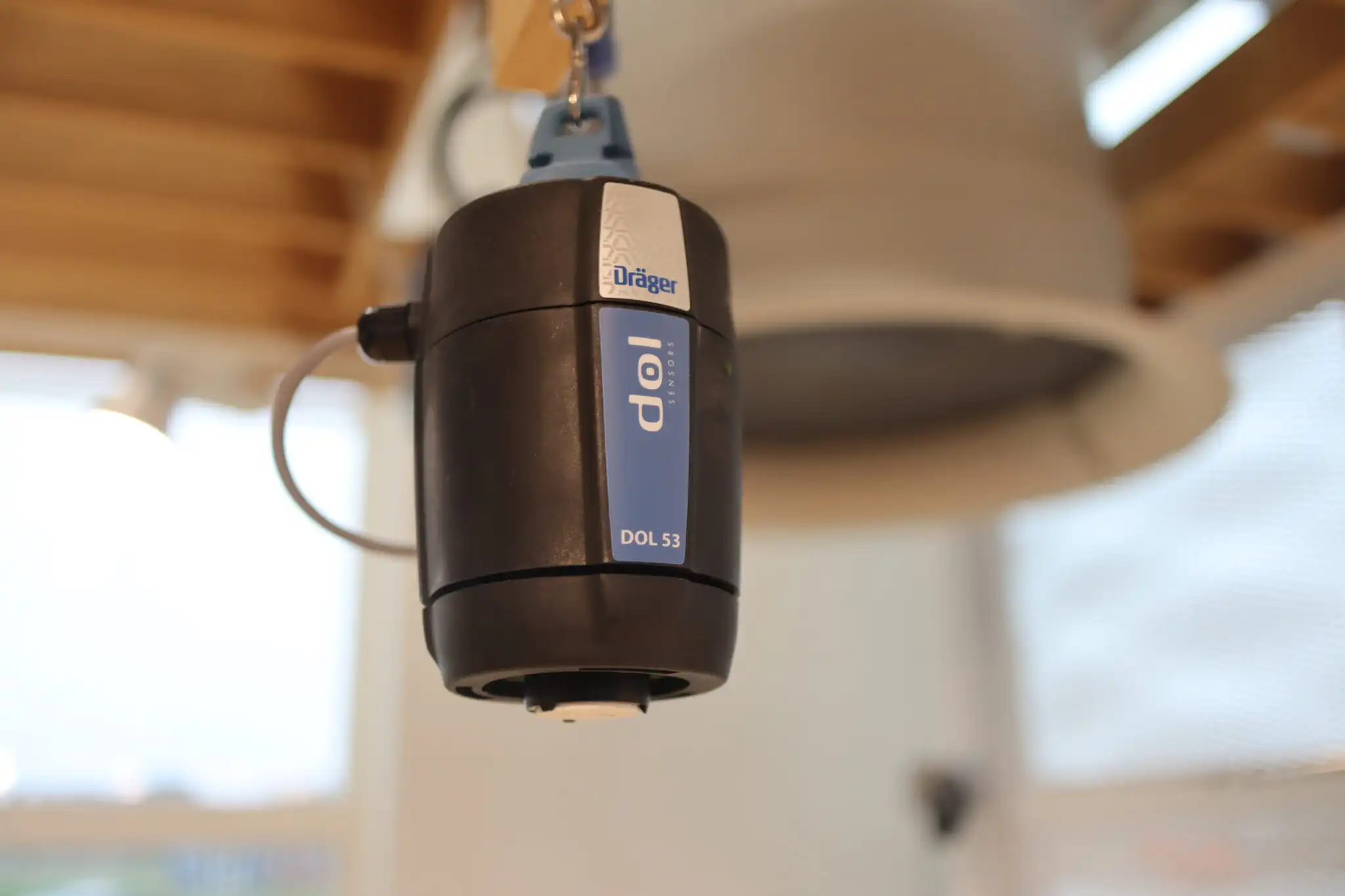
While both DOL 51 and DOL 53 use electrochemical sensing technology, they are optimized for different applications. DOL 53 is designed for continuous ammonia monitoring inside poultry houses to support ventilation control and production management, while DOL 51 is optimized for air cleaning systems where extremely high humidity and condensation resistance are critical.

How to Keep Sensors Working in High-Ammonia Conditions

Proper maintenance plays a major role in maximizing sensor performance and lifespan.

Some best practices include:

1. Install Sensors Correctly

Avoid locations with excessive dust accumulation, water exposure, or direct wash-down contact. Follow manufacturer recommendations regarding mounting height and placement.

2. Keep Filters Clean

Dust is one of the biggest threats to measurement accuracy. Regular inspection and cleaning of sensor protection components can significantly improve reliability.

3. Monitor Environmental Conditions

High humidity and condensation can affect sensor performance. Maintaining stable ventilation helps protect both the sensor and the birds.

4. Replace Wear Components Proactively

Waiting until a sensor completely fails can result in periods without accurate ammonia monitoring. Planned replacement schedules help prevent unexpected downtime.

Why Poultry Producers Choose dol-sensors

Ammonia monitoring is only valuable if the sensor can deliver reliable measurements day after day in the demanding conditions of a livestock house. Dust, humidity, temperature fluctuations, and continuous ammonia exposure create challenges that many sensors must withstand throughout their service life.

Together, DOL 53 and DOL 51 offer livestock producers a complete ammonia monitoring solution designed specifically for agricultural environments. With long service life, proven reliability, and technology tailored to real-world farm conditions, they help producers make more informed ventilation decisions while reducing maintenance and monitoring costs.

Ammonia Sensors for Poultry Houses
Learn how continuous monitoring helps producers identify developing production challenges through changes in water consumption, growth performance and other key production indicators.

Ammonia sensors for poultry houses provide continuous measurement of NH₃ levels, helping producers monitor air quality and react to increasing ammonia levels. Reliable ammonia monitoring is particularly important in poultry houses, where dust, humidity and changing temperatures place high demands on sensor performance.

What Is Ammonia in Poultry Houses?

Ammonia is a chemical compound between the elements nitrogen (N) and hydrogen (H), and has the formula NH₃. The substance is found everywhere in nature and occurs naturally in manure and urine.

The smell of ammonia is known, among other things, from the pungent smell of manure or in the environment of a chicken farm.

Ammonia is formed in humans and animals by the breakdown of proteins (albumin) from the diet, or in connection with the ongoing remodeling of all tissues in the body. A part is also formed in the intestine from the breakdown of proteins and other nitrogenous compounds by bacteria.

What Causes Ammonia in Poultry Houses?

In poultry houses, ammonia is a byproduct of manure. When nitrogen compounds are decomposed the result is formation of ammonia (NH3+) and ammonium (NH4-). Ammonia is lighter than air and therefore it floats into the air causing respiratory problems and bad smell. High litter moisture, temperature and pH can increase ammonia release in poultry houses. Good litter management and ventilation therefore play an important role in keeping ammonia levels under control.

Ammonia Measurement Sensors
Learn how continuous monitoring helps producers identify developing production challenges through changes in water consumption, growth performance and other key production indicators.

Ammonia (NH3) sensors

Ammonia is a colorless, pungent gas that is widely used in many industrial applications and found in agricultural production. It is a critical component in the manufacture of fertilizers, plastics, and explosives, among other things. However, ammonia can be hazardous to human and animal health and the environment when it is released into the atmosphere. As such, the need for accurate and reliable ammonia measurement sensors has become increasingly important in recent years.

Types of Ammonia Measurement Sensors

There are several types of ammonia measurement sensors available in the market, and each one operates on a different principle. Some of the most common ammonia measurement sensors include:

  1. Electrochemical sensors
  2. Metal-oxide sensors
  3. Photoionization detectors
  4. Infrared sensors
  5. Catalytic sensors

Electrochemical Ammonia Sensors

Electrochemical sensors are among the most widely used ammonia measurement sensors. These sensors operate by measuring the current produced when ammonia reacts with a sensing electrode. The magnitude of the current is proportional to the concentration of ammonia in the air. The sensor’s sensitivity can be adjusted by changing the composition of the sensing electrode, and the measurement range can be customized to meet specific application requirements.

Metal-Oxide Sensors

Metal-oxide sensors operate by detecting changes in the electrical conductivity of a metal oxide film when it comes into contact with ammonia. The metal oxide film is typically made of tin oxide, and the sensor’s sensitivity can be adjusted by varying the thickness of the film or the operating temperature. Metal-oxide sensors are highly sensitive and can detect ammonia at concentrations as low as a few parts per billion.

家禽舍气候监测不足的后果
Learn how continuous monitoring helps producers identify developing production challenges through changes in water consumption, growth performance and other key production indicators.

环境稳定对于维持健康、福利和家禽生产的均匀增长至关重要。如果不对温度、空气质量和气流进行持续监测,偏差通常会逐渐出现,并且在影响羊群性能之前一直不会被注意到。这些变化会影响鸟类的行为和整体生产力。

温度漂移和生长不均衡

温度变化是监测不足的最早后果之一。鸟类的反应是聚集在较温暖的区域并避开较冷的区域,这会改变饲料获取途径并增加竞争。随着时间的推移,这些行为调整会导致体重和饲料转化率的显著差异。由于温度漂移发展缓慢,因此很少仅通过定期检查就能检测到温度漂移。

湿度上升和垃圾停滞

通风减少时,湿度会迅速增加,尤其是在夜间或寒冷的天气中。如果不进行监测,直到垃圾变湿或压实,这些波动才会被注意到。湿度升高会加速氨的释放并降低休息舒适度。鸟类避开潮湿区域,将牲畜密度集中在较干燥的地区,并加剧了不均匀的生长模式。

空气质量下降:二氧化碳和氨的积累

二氧化碳和氨是不可见的,无法通过感官线索进行可靠评估。当通风减弱时,二氧化碳会迅速积累,从而减少鸟类活动并抑制饲料摄入。随着垃圾水分的增加,氨气会升高,刺激呼吸道并损害免疫防御能力。手动检查发现空气质量问题为时已晚,因为二氧化碳和氨在人类发现之前很久就可能达到有害水平。

氨水平直接影响家禽生产中的动物福利、生长和饲料效率。 探索准确的氨气测量如何帮助您保持最佳条件并改善整体结果

Selected Sensors

Documents

English
Leaflet
Climate Brochure
English
Leaflet
DOL 53 Ammonia Sensor_Onepager
English
Leaflet
DOL 51 Ammonia Sensor for Air Cleaning_Onepager

Join our newsletter

Stay ahead in livestock production.

Join our newsletter and get industry insights, expert perspectives, and practical strategies for optimizing performance and efficiency.