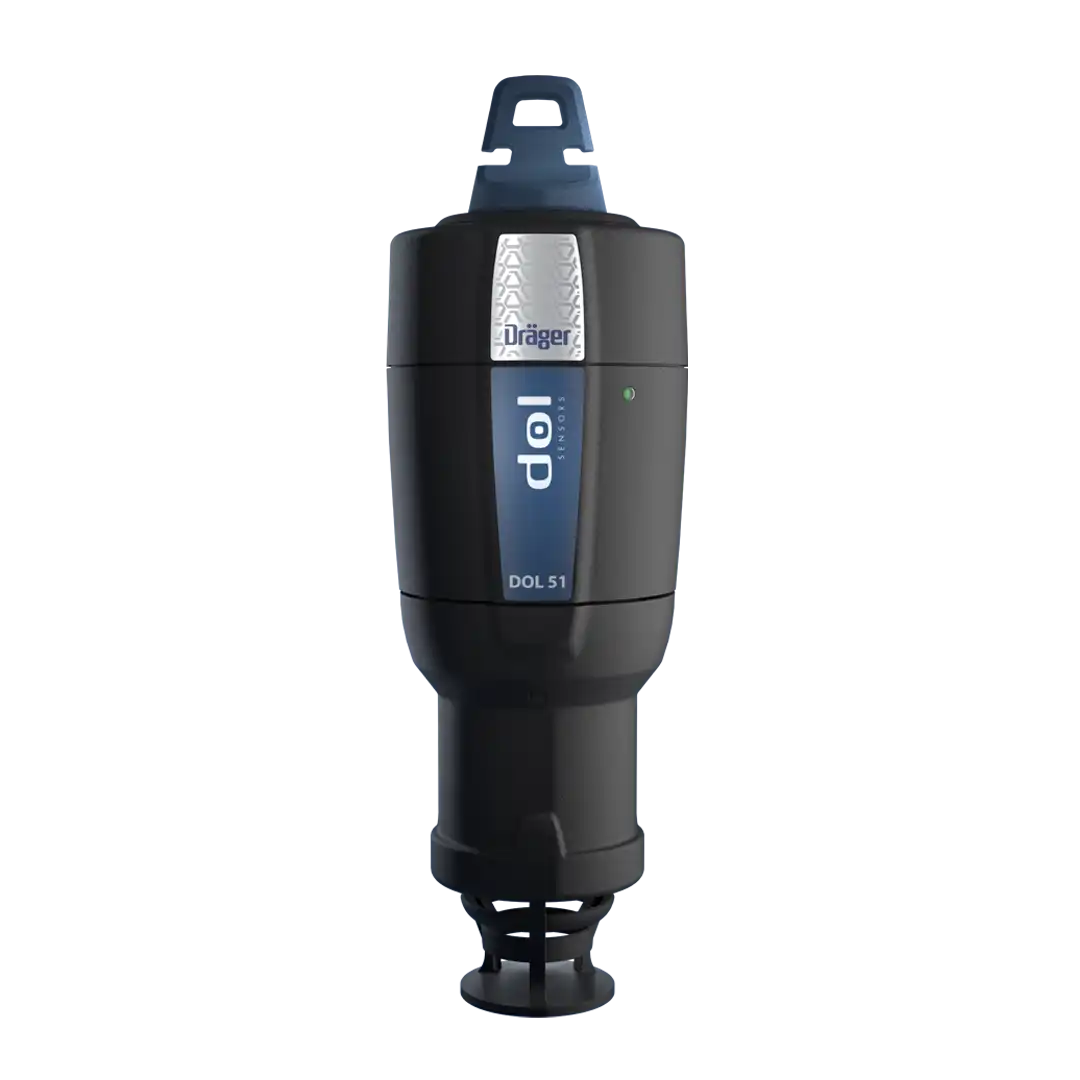
Ammonia Sensors for Poultry Houses

Ammonia sensors for poultry houses provide continuous measurement of NH₃ levels, helping producers monitor air quality and react to increasing ammonia levels. Reliable ammonia monitoring is particularly important in poultry houses, where dust, humidity and changing temperatures place high demands on sensor performance.

What Is Ammonia in Poultry Houses?

Ammonia is a chemical compound between the elements nitrogen (N) and hydrogen (H), and has the formula NH₃. The substance is found everywhere in nature and occurs naturally in manure and urine.

The smell of ammonia is known, among other things, from the pungent smell of manure or in the environment of a chicken farm.

Ammonia is formed in humans and animals by the breakdown of proteins (albumin) from the diet, or in connection with the ongoing remodeling of all tissues in the body. A part is also formed in the intestine from the breakdown of proteins and other nitrogenous compounds by bacteria.

What Causes Ammonia in Poultry Houses?

In poultry houses, ammonia is a byproduct of manure. When nitrogen compounds are decomposed the result is formation of ammonia (NH3+) and ammonium (NH4-). Ammonia is lighter than air and therefore it floats into the air causing respiratory problems and bad smell. High litter moisture, temperature and pH can increase ammonia release in poultry houses. Good litter management and ventilation therefore play an important role in keeping ammonia levels under control.

Learn More About Ammonia Sensors
Discover how accurate ammonia monitoring helps reduce health risks, improve flock welfare, optimize ventilation, and support better poultry production results.
→ Read:
Ammonia Sensors
How to Measure Ammonia in Poultry Houses
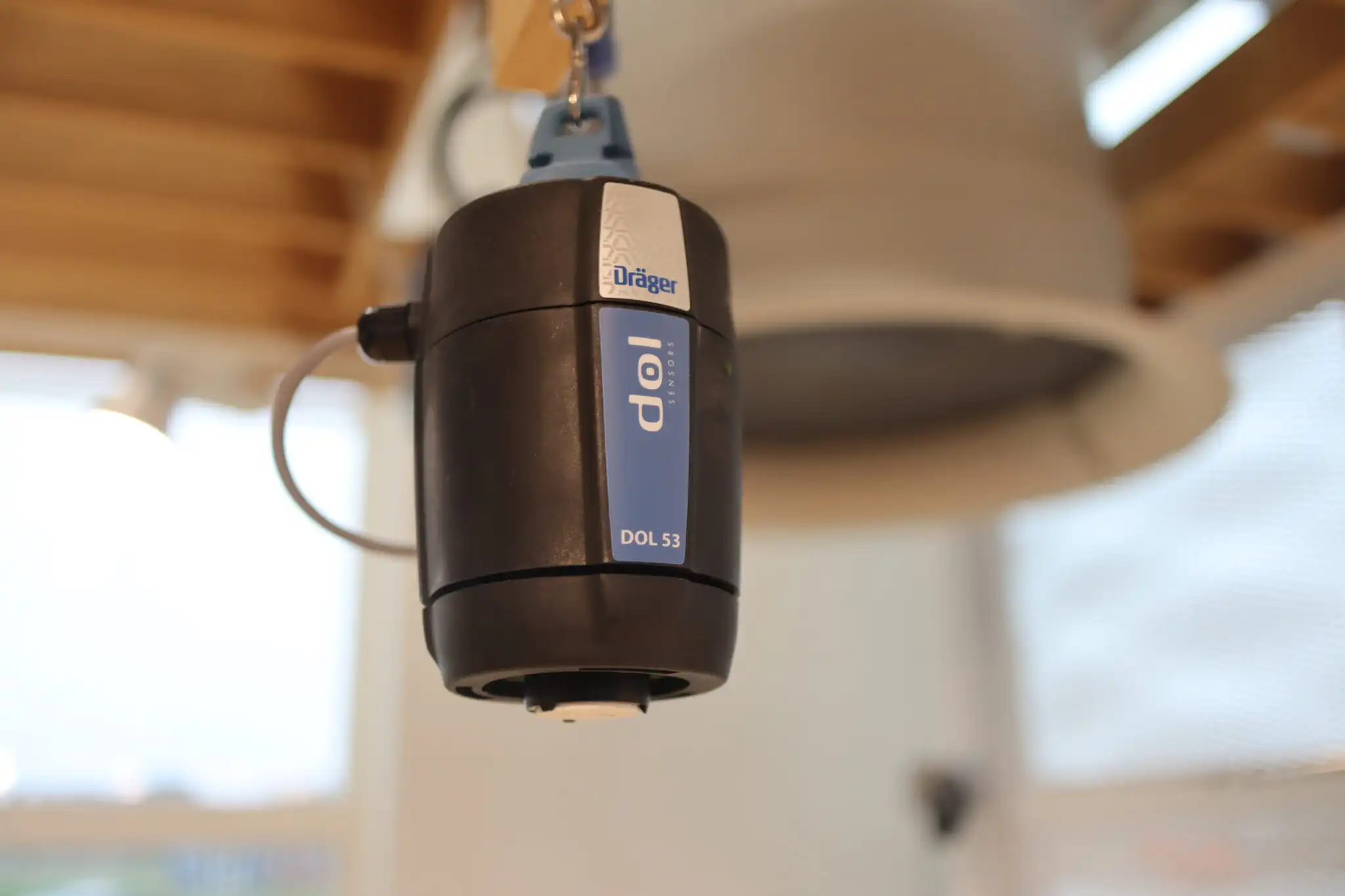
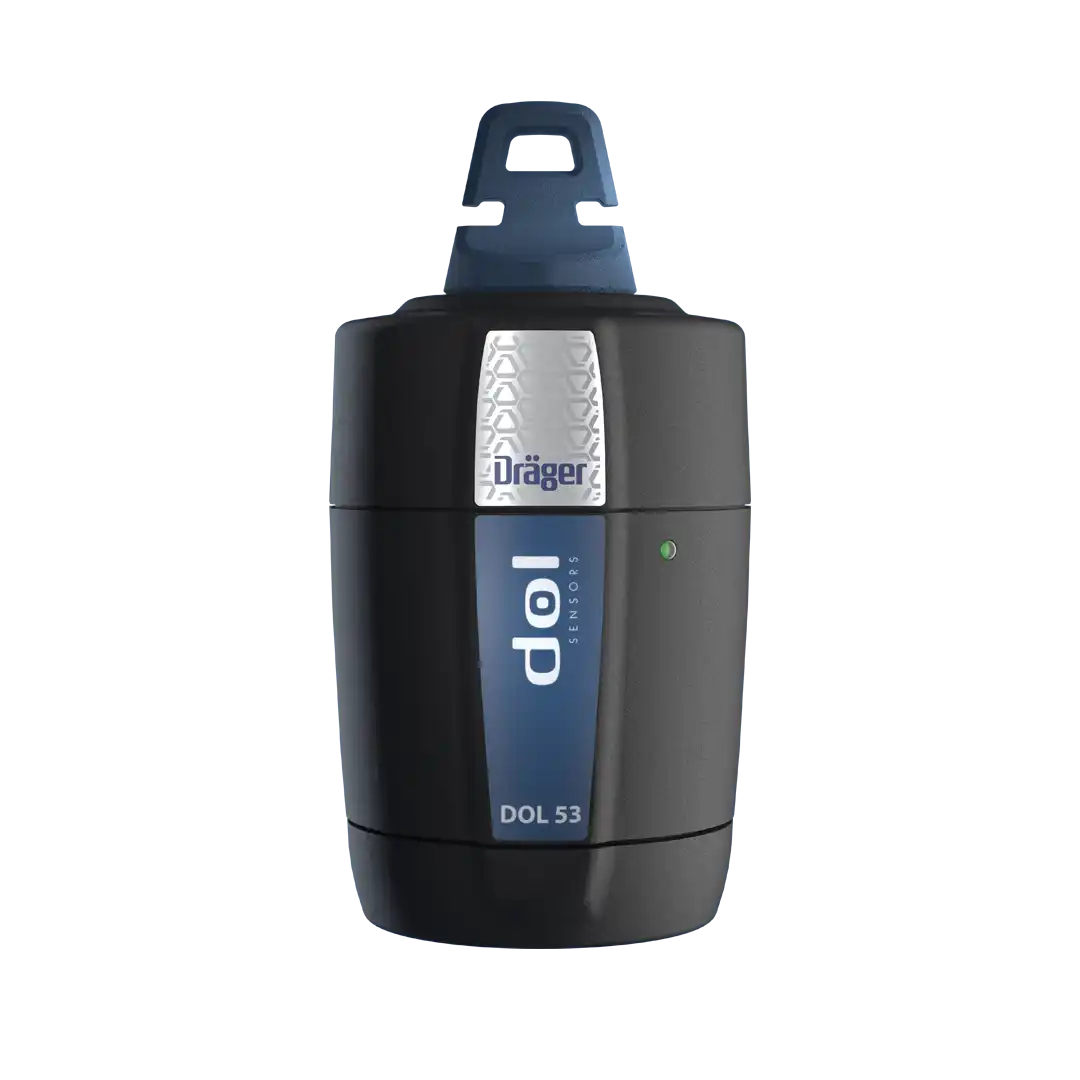
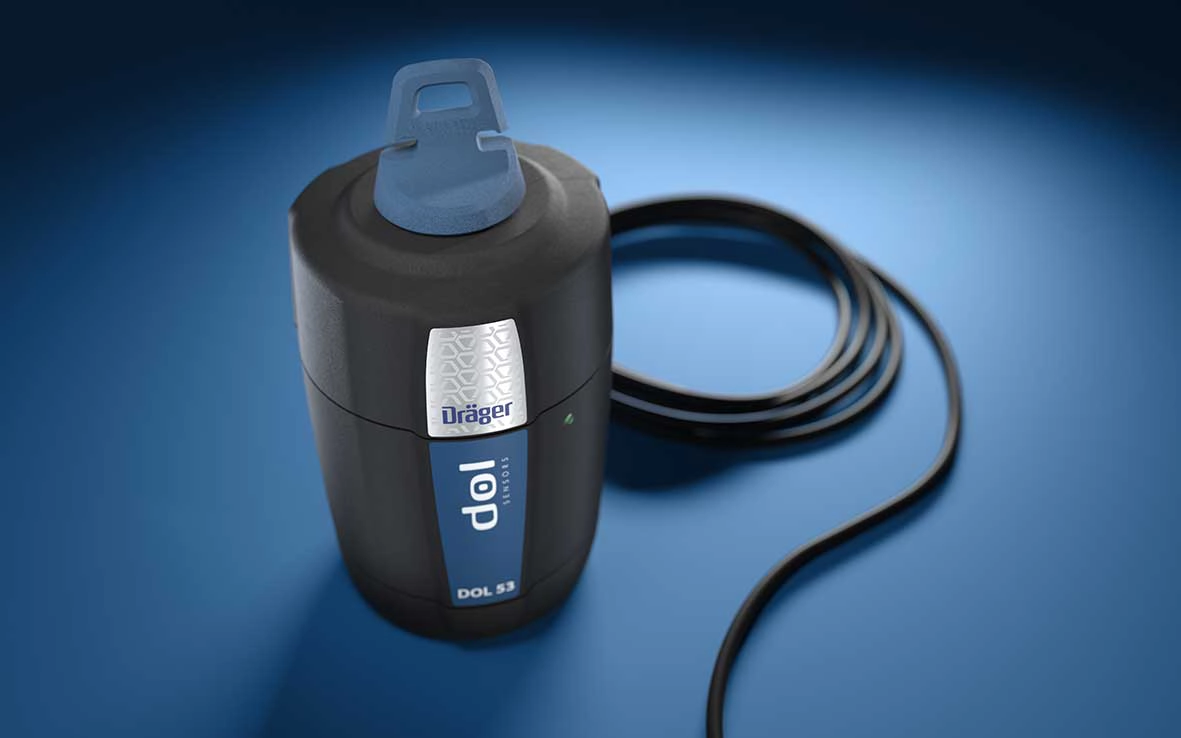
Continuous ammonia monitoring requires a sensor designed for the conditions inside poultry houses. Dust, high humidity, temperature changes and other gases can affect measurement performance, making sensor accuracy, durability and cross-sensitivity important factors when selecting an ammonia sensor.The DOL 53 Ammonia Sensor is designed specifically for continuous ammonia measurement in poultry houses and other agricultural environments. It provides accurate NH₃ measurements in both high and low concentrations and is designed for environments with dust, humidity and temperature variations. For OEMs and system integrators, the ammonia sensor can be integrated into climate and farm management systems, making NH₃ measurements available alongside other climate data.

Why Monitor Ammonia Levels in Poultry Houses?

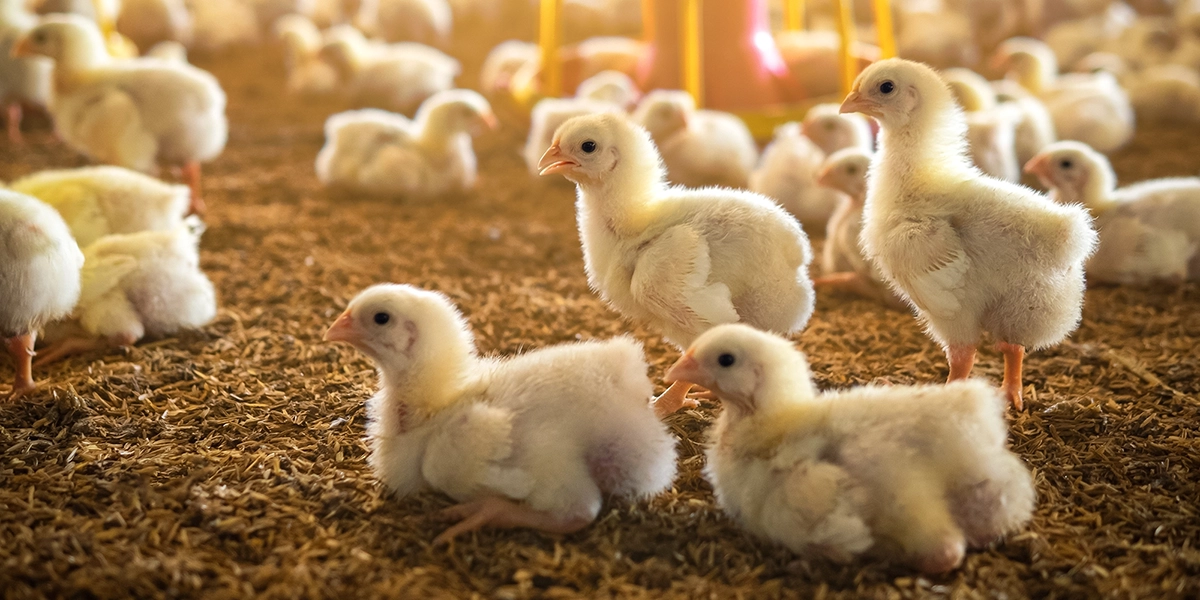
Ammonia is a major cause of respiratory problems in chickens and a high level of ammonia in the bedding in a poultry house can cause severe sores on the breast and feet of the animals. Ammonia also causes lower weight gain, higher FCR, and decreased animal welfare.

Furthermore, working in an environment with high levels of ammonia is unpleasant and unhealthy to humans.

In some countries in the world, there are legislation on how much NH₃ livestock farming can deduce to the surroundings.

How to Reduce Ammonia Levels in Poultry Houses

Since chickens are depending on fairly high temperatures, lowering the temperature is not a possibility, when aiming at reducing the formation of ammonia.

However, lowering humidity and litter pH will have a very positive effect on formation of ammonia. This can be done by adjusting the ventilation rate and changing bedding between batches.

You can use DOL 114 to keep track on the temperature and humidity in poultry.

Learn More About Ammonia Sensors
Discover how accurate ammonia monitoring helps reduce health risks, improve flock welfare, optimize ventilation, and support better poultry production results.
Ammonia Measurement Sensors
Learn how continuous monitoring helps producers identify developing production challenges through changes in water consumption, growth performance and other key production indicators.

Ammonia (NH3) sensors

Ammonia is a colorless, pungent gas that is widely used in many industrial applications and found in agricultural production. It is a critical component in the manufacture of fertilizers, plastics, and explosives, among other things. However, ammonia can be hazardous to human and animal health and the environment when it is released into the atmosphere. As such, the need for accurate and reliable ammonia measurement sensors has become increasingly important in recent years.

Types of Ammonia Measurement Sensors

There are several types of ammonia measurement sensors available in the market, and each one operates on a different principle. Some of the most common ammonia measurement sensors include:

  1. Electrochemical sensors
  2. Metal-oxide sensors
  3. Photoionization detectors
  4. Infrared sensors
  5. Catalytic sensors

Electrochemical Ammonia Sensors

Electrochemical sensors are among the most widely used ammonia measurement sensors. These sensors operate by measuring the current produced when ammonia reacts with a sensing electrode. The magnitude of the current is proportional to the concentration of ammonia in the air. The sensor’s sensitivity can be adjusted by changing the composition of the sensing electrode, and the measurement range can be customized to meet specific application requirements.

Metal-Oxide Sensors

Metal-oxide sensors operate by detecting changes in the electrical conductivity of a metal oxide film when it comes into contact with ammonia. The metal oxide film is typically made of tin oxide, and the sensor’s sensitivity can be adjusted by varying the thickness of the film or the operating temperature. Metal-oxide sensors are highly sensitive and can detect ammonia at concentrations as low as a few parts per billion.

Ammonia Sensors
Learn how continuous monitoring helps producers identify developing production challenges through changes in water consumption, growth performance and other key production indicators.

The Impact of Ammonia on Poultry Production

It is well-proven that air polution due to high ammonia levels in broiler production results in a higher FCR, lower gain, and poorer animal welfare. Birds being exposed to high levels of ammonia can suffer from respiratory diseases, ammonia blindness, infections with Newcastle, the bronchitis virus and parasites, burned skin and feed, nutritional stress, suffocation, and even death. These sufferings will of course decrease production and increase breeding costs.

Why Continuous Ammonia Monitoring Matters

Early action benefits the productivity of the broilers as well as animal welfare. Thus, constantly monitoring the level of ammonia is essential for the poultry production. Furthermore, monitoring the level of humidity is also important, since a too high level of humidity in the livestock house can cause formation of ammonia.

There are different ways to minimize the level of ammonia in a poultry production. One is ensuring a good quality of litter, air flow and ventilation in the house, a low level of humidity, and keeping the temperature down. Minimizing the level of ammonia have a major impact on the financial yield of the production. In fact, studies* have shown that ammonia concentrations as low as 25 ppm can reduce bird weights at 28 days of age by 2-7% while 50 ppm ammonia has been shown to reduce bird weights from 16-19%. An increased ammonia concentration can cut profits by $3,000 or more per batch in a livestock house with 25,000 broilers.

With dol-sensors’ ammonia sensors you can continuously monitor ammonia levels with great accuracy. Combined with a farm controller, the ammonia sensors can help ensuring automation of the ventilation system.

*Source: “Ammonia in the Atmosphere during Brooding Affects Performance of Broiler Chickens”, F. N. REECE, B. D. LOTT, and J. W. DEATON and “Poultry Housing Tips”, Volume 32, No. 1, University of Georgia

Climate Sensors Poultry
Learn how continuous monitoring helps producers identify developing production challenges through changes in water consumption, growth performance and other key production indicators.

In many countries around the world, environmental regulations are made in the poultry industry. According to The Poultry Site, poultry producers in Australia must offer environmental enrichment for meat chicken breeders. The guidelines also include changes to the minimum light intensity and required periods of darkness, ventilation, and temperature parameters for all species.

To ensure the required environmental enrichments, farmers and farm managers can take advantage of climate sensors for poultry. These are sensors that are specially designed to with-stand the harsh environment in livestock production, where dust, high humidity, temperature swings, as well as high levels of ammonia can harm the sensors and affect their performance.

Climate sensors for poultry comes in various versions, and can monitor the light intensity, level of humidity, CO2, and ammonia, and the temperature. In combination with a farm controller these climate sensors can help the farmer and farm manager controlling the ventilation system and the amount of light automatically. Furthermore, the data from the sensors can be shared with others for documentation purposes or for analysis.

Vital data from climate sensors in poultry

The data from the sensors is vital to the production. By controlling the ventilation system and light intensity automatically, the farmer or farm manager has full control of the environment and thus the animals’ welfare. In poultry, the light intensity can have a huge impact on how the animals grow, the FCR (Feed Consumption Rate), and egg laying.

The temperature is also an important factor in poultry production. A too low temperature will increase the mortality and make the birds clutch together to keep warm. They will most likely start eating more without gaining any weight due to the energy they use to keep warm.

During their life cycle, chickens require different temperatures. This is why an automatic regulation of the temperature is crusial.

Selected Sensors

Documents

No items found.

Join our newsletter

Stay ahead in livestock production.

Join our newsletter and get industry insights, expert perspectives, and practical strategies for optimizing performance and efficiency.