How Electrochemical Ammonia Sensors Work and Why They Matter in Poultry Production

Ammonia (NH3) is one the most important environmental factors to monitor poultry production. Even relatively low concentrations can affect animal welfare and overall performance. Thus, producers should invest in ammonia monitoring rather than relying on manual checks or periodic measurements. Studies* have shown that high ammonia concentrations in poultry production results in a high FCR, reduced gain, and low animal welfare.

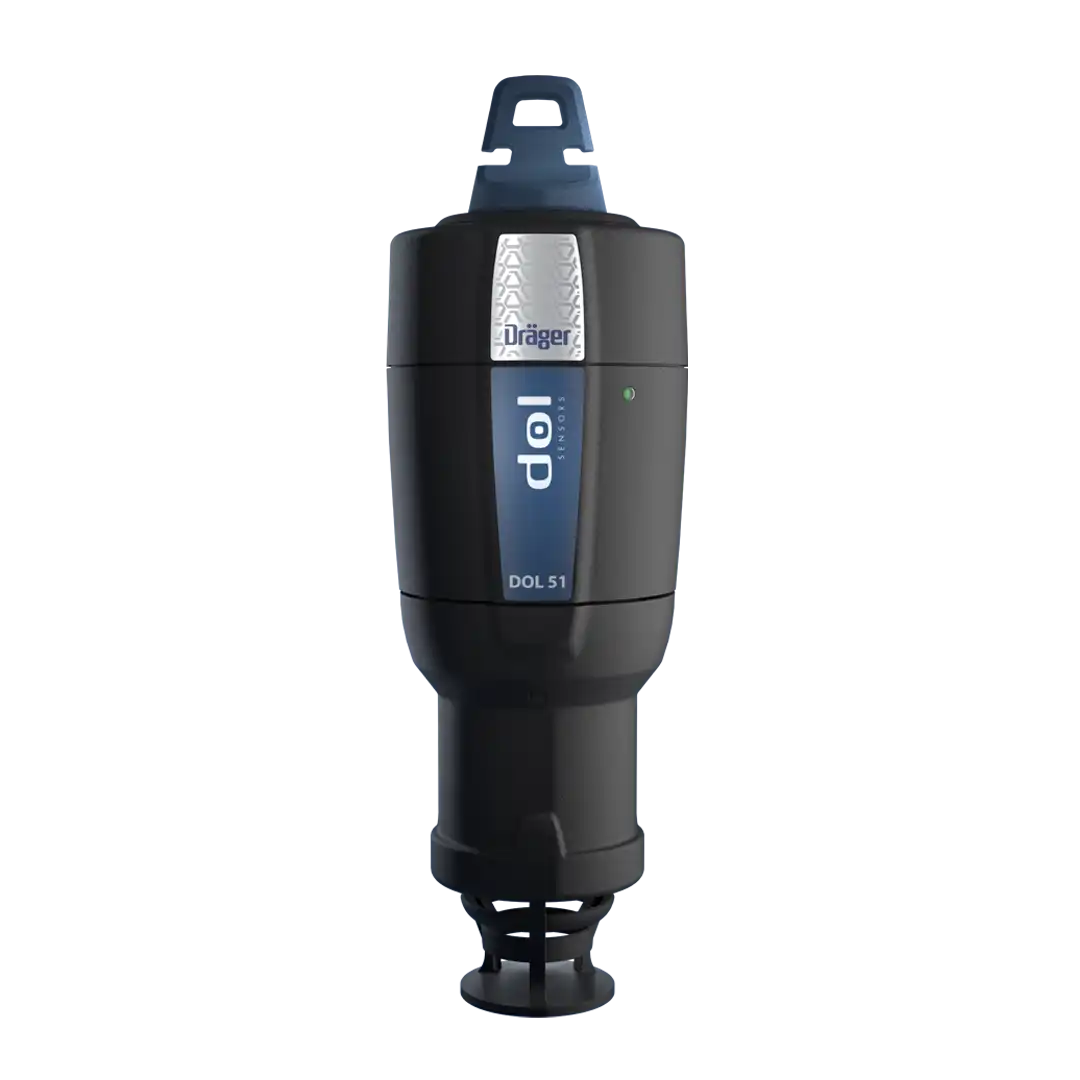
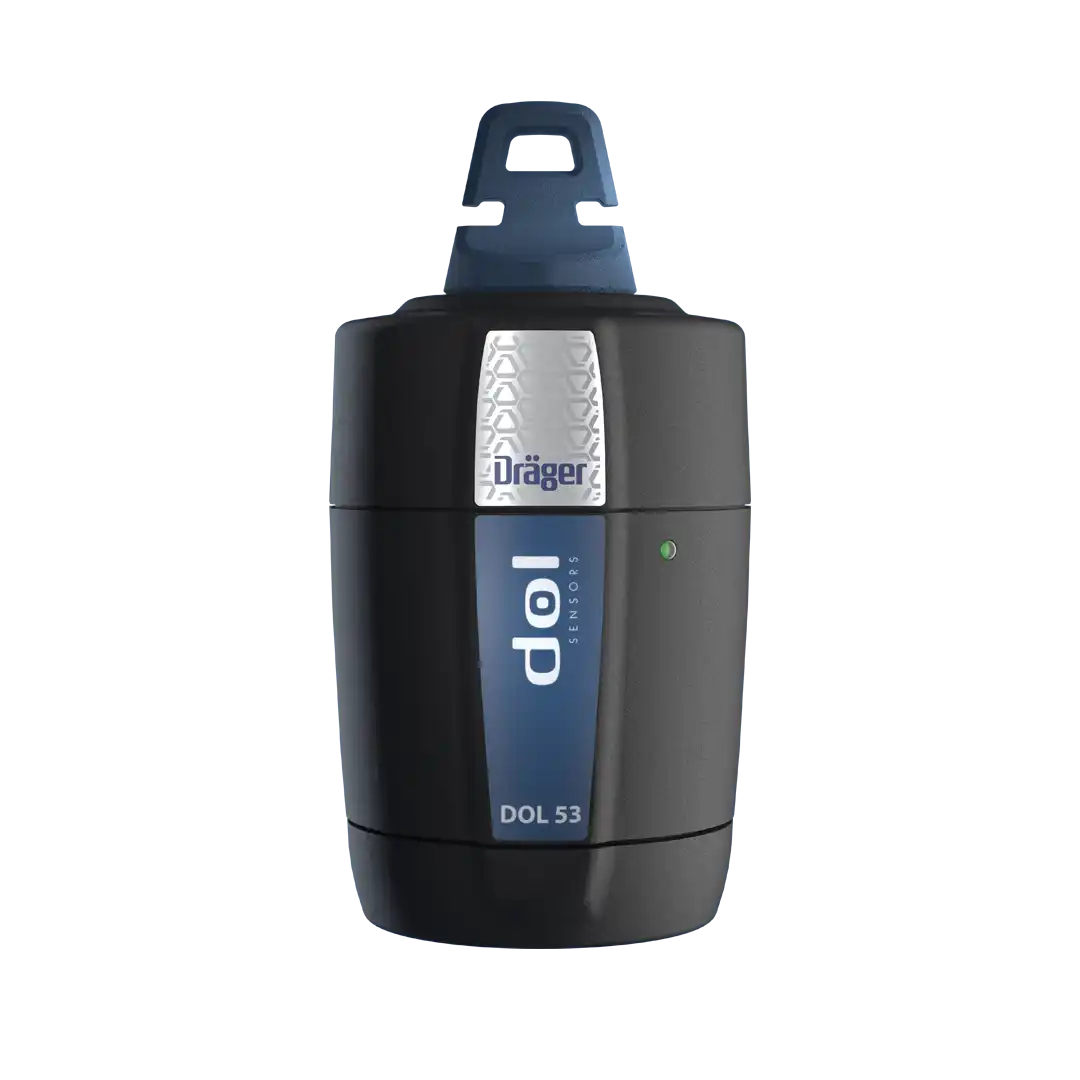
DOL 51 and DOL 53 are examples of electrochemical ammonia sensors designed specifically for the demanding conditions found in livestock houses.

How Does An Electrochemical Ammonia Sensor Work?

Agricultural environments often expose sensors to dust, humidity, and corrosive gases, making sensor durability and measurement stability essential. Electrochemical ammonia sensors measure NH3 concentrations by detecting chemical reactions between ammonia molecules and the sensor’s active element.

The resulting electrical signal is converted into a concentration value that can be transmitted to climate control systems. To maintain measurement accuracy over time, sensor performance depends on factors such as temperature compensation, calibration stability, and protection against environmental contamination.

Read more: Ammonia Sensors for Poultry Houses

Advantages of Ammonia Sensors

Electrochemical sensors have become one the most widely used technology for continuous monitoring in livestock production.

Key advantages include: 

  • High sensitivity at low ammonia concentrations
  • Fast response times
  • Reliable detection of ammonia build-up
  • Less installation costs
  • Easy integration
  • Low power consumption
  • Well suited for automated ventilation control systems

For poultry producers, these advantages are particularly important because ammonia levels can change rapidly due to litter quality, humidity, stocking density, and ventilation performance.

Disadvantages of Electrochemical Sensors

Like any technology, electrochemical sensors also have limitations. They typically have a shorter service life because the sensing element gradually degrades as it reacts with ammonia. As a result, sensor elements require periodic replacement to maintain measurement accuracy.

Potential challenges include:

  • Exposure to severe environmental conditions can reduce lifespan
  • Dust accumulation can affect performance if sensors are not properly protected
  • Sensor elements eventually require replacement
  • Require more frequent maintenance

Many ammonia sensors used in agriculture were originally developed for industrial applications. While the sensors can provide accurate measurements, they may not be optimized for continuous operation in poultry houses, where high dust levels, humidity, and corrosive conditions place additional demands on sensor durability and long-term stability.

What Causes Ammonia in Poultry Houses?
Ammonia is one of the most important indicators of poultry house conditions, but not all sensors perform equally. Learn how electrochemical ammonia sensors work, what affects their lifespan, and how to achieve reliable long-term monitoring.

What Makes DOL 51 and DOL 53 Different?

Our sensors are specifically designed for continuous measurement of ammonia (NH3) concentration in livestock houses.

The DOL 51 and DOL 53 features:

  • Electrochemical sensing technology optimized for ammonia measurement
  • Livestock-specific construction
  • Low maintenance requirements
  • Easy integration with existing climate control systems
  • Continuous measurement for automated ventilation control
  • Components designed to withstand dusty agricultural environments
  • Replaceable filter supports easy maintenance and helps extend sensor performance
  • Measurements are highly selective and are not affected by the presence of other gases

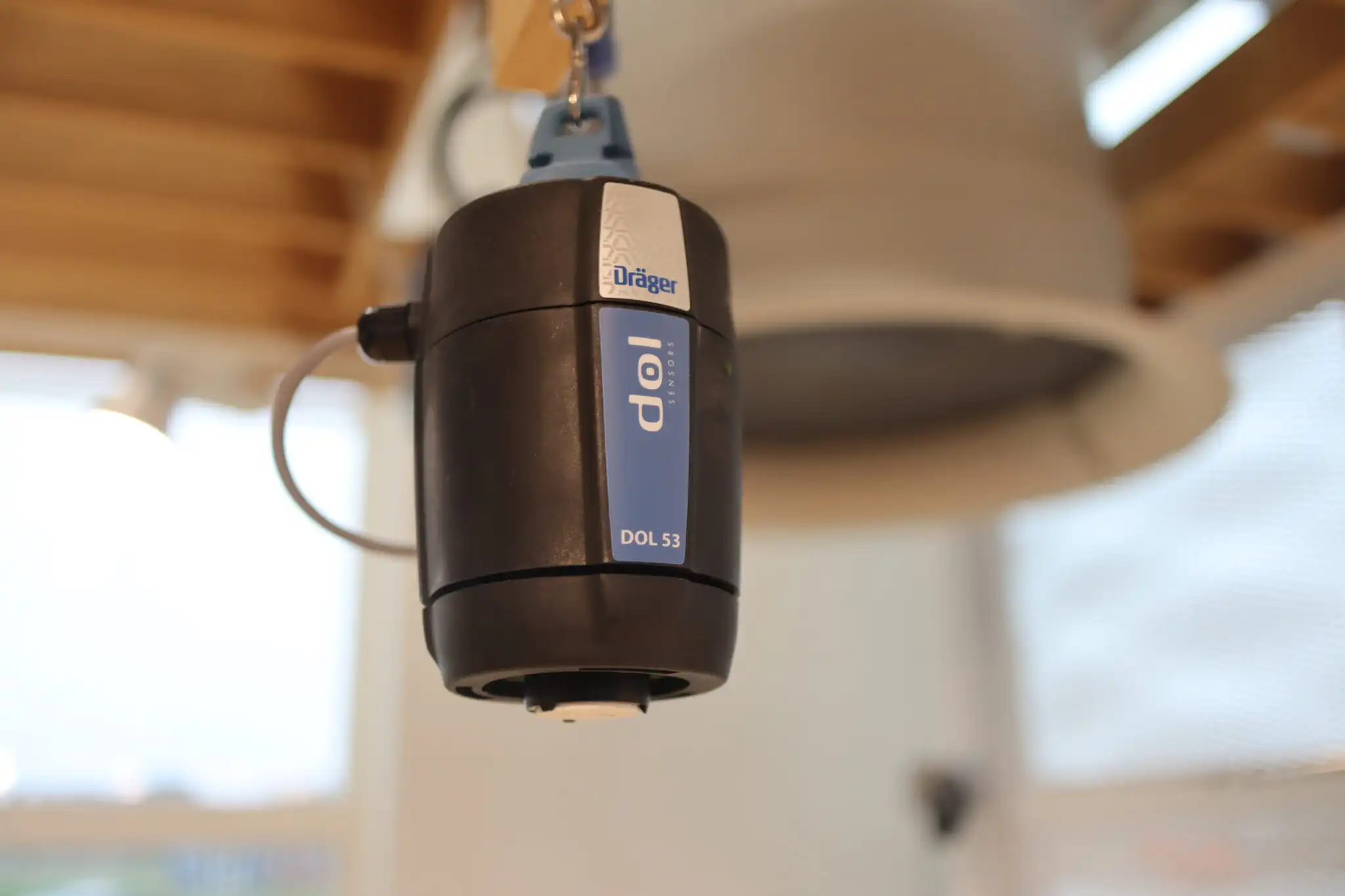
While both DOL 51 and DOL 53 use electrochemical sensing technology, they are optimized for different applications. DOL 53 is designed for continuous ammonia monitoring inside poultry houses to support ventilation control and production management, while DOL 51 is optimized for air cleaning systems where extremely high humidity and condensation resistance are critical.

How to Keep Sensors Working in High-Ammonia Conditions

Proper maintenance plays a major role in maximizing sensor performance and lifespan.

Some best practices include:

1. Install Sensors Correctly

Avoid locations with excessive dust accumulation, water exposure, or direct wash-down contact. Follow manufacturer recommendations regarding mounting height and placement.

2. Keep Filters Clean

Dust is one of the biggest threats to measurement accuracy. Regular inspection and cleaning of sensor protection components can significantly improve reliability.

3. Monitor Environmental Conditions

High humidity and condensation can affect sensor performance. Maintaining stable ventilation helps protect both the sensor and the birds.

4. Replace Wear Components Proactively

Waiting until a sensor completely fails can result in periods without accurate ammonia monitoring. Planned replacement schedules help prevent unexpected downtime.

Why Poultry Producers Choose dol-sensors

Ammonia monitoring is only valuable if the sensor can deliver reliable measurements day after day in the demanding conditions of a livestock house. Dust, humidity, temperature fluctuations, and continuous ammonia exposure create challenges that many sensors must withstand throughout their service life.

Together, DOL 53 and DOL 51 offer livestock producers a complete ammonia monitoring solution designed specifically for agricultural environments. With long service life, proven reliability, and technology tailored to real-world farm conditions, they help producers make more informed ventilation decisions while reducing maintenance and monitoring costs.

養鶏用アンモニアセンサー
Learn how continuous monitoring helps producers identify developing production challenges through changes in water consumption, growth performance and other key production indicators.

養鶏用アンモニアセンサー

アンモニアは、養鶏場における動物福祉を低下させる最も一般的な要因の一つです。また、呼吸器系の問題や足・胸部の炎症、さらには増体量の低下を引き起こす大きな原因でもあります。

アンモニアとは?

アンモニアは窒素(N)と水素(H)からなる化合物で、化学式はNH3です。自然界のいたるところに存在し、糞尿中にも自然に発生します。

アンモニアの臭いは、糞尿の刺激臭や養鶏場の環境などでよく知られています。

アンモニアは、人間や動物の体内において、食事に含まれるタンパク質(アルブミン)の分解や、全身の組織が絶えず作り替えられる過程で生成されます。また、腸内では細菌がタンパク質やその他の窒素化合物を分解することによっても生成されます。

鶏舎内のアンモニア

養鶏場において、アンモニアは糞尿の副産物です。窒素化合物が分解されると、アンモニア(NH3)とアンモニウム(NH4+)が生成されます。アンモニアは空気よりも軽いため空気中に浮遊し、呼吸器系の問題や悪臭の原因となります。鶏舎内の敷料のpHが低いこと、また高温多湿な環境は、アンモニアの発生を促進します。

アンモニア測定センサー
Learn how continuous monitoring helps producers identify developing production challenges through changes in water consumption, growth performance and other key production indicators.

アンモニア(NH3)センサー

アンモニアは無色で刺激臭のあるガスであり、多くの産業用途で広く利用されているほか、農業生産の現場でも発生します。肥料、プラスチック、爆薬などの製造において不可欠な成分ですが、大気中に放出されると人体や動物の健康、さらには環境に悪影響を及ぼす可能性があります。そのため、近年では正確で信頼性の高いアンモニア測定センサーの必要性がますます高まっています。

アンモニア測定センサーの種類

市場には数種類のアンモニア測定センサーが存在し、それぞれ異なる原理で動作します。主なアンモニア測定センサーには以下のものがあります。

  1. 電気化学式センサー
  2. 金属酸化物半導体式センサー
  3. 光イオン化検出器(PID)
  4. 赤外線式センサー
  5. 接触燃焼式センサー

電気化学式アンモニアセンサー

電気化学式センサーは、最も広く使用されているアンモニア測定センサーの一つです。このセンサーは、アンモニアが検知電極と反応する際に発生する電流を測定することで動作します。電流の大きさは空気中のアンモニア濃度に比例します。検知電極の組成を変えることで感度を調整でき、測定範囲も特定の用途に合わせてカスタマイズ可能です。

金属酸化物半導体式センサー

金属酸化物半導体式センサーは、アンモニアが接触した際の金属酸化物膜の電気伝導度の変化を検出して動作します。金属酸化物膜には一般的に酸化スズが使用され、膜の厚さや動作温度を変えることで感度を調整できます。このセンサーは感度が非常に高く、数ppb(10億分の1)という低濃度のアンモニアも検出可能です。

養鶏場における不十分な気候モニタリングの影響
Learn how continuous monitoring helps producers identify developing production challenges through changes in water consumption, growth performance and other key production indicators.

環境の安定は、健康と福祉を維持し、家禽生産の均一な成長を維持するために不可欠です。温度、空気の質、気流を継続的に監視しないと、偏差が徐々に発生し、群れのパフォーマンスにすでに影響が及ぶまで気づかないままになることがよくあります。これらの変化は鳥の行動と全体的な生産性に影響します。

温度ドリフトと不均一な成長

温度変化は、監視が不十分であることによる最も初期の結果の1つです。鳥は、暖かい地域に集まり、涼しい地域を避けることで反応します。これにより、飼料へのアクセスが変化し、競争が激化します。時間が経つにつれて、こうした行動の調整により、体重と飼料の転換率に測定可能な違いが生じます。温度ドリフトはゆっくりと進行するため、定期的なチェックだけで検出されることはほとんどありません。

湿度の上昇とゴミの停滞

特に夜間や寒い時期には、換気が少なくなると湿度が急激に上昇します。監視しなければ、ゴミが濡れたり固まったりするまで、これらの変動は気づかれません。湿度が高くなると、アンモニアの放出が促進され、安静時の快適性が低下します。鳥は湿った場所を避け、乾燥した地域に家畜密度を集中させ、不均一な成長パターンを強めます。

大気質の低下:CO₂とアンモニアの蓄積

CO₂とアンモニアは目に見えないため、感覚的な手がかりでは確実に評価できません。換気が弱まると、CO₂が急速に蓄積し、鳥の活動が減り、餌の摂取が抑制されます。ゴミの水分が増えるとアンモニアが上昇し、気道を刺激して免疫防御を弱めます。CO₂とアンモニアは、人体に気づくずっと前に有害なレベルに達する可能性があるため、手動チェックでは空気の質の問題を見つけるのが遅すぎます。

アンモニアレベルは、家禽生産における動物福祉、成長、飼料効率に直接影響します。 正確なアンモニア測定が、最適な条件を維持し、全体的な結果を改善するのにどのように役立つかをご覧ください

Selected Sensors

Documents

English
Leaflet
Climate Brochure
English
Leaflet
DOL 53 Ammonia Sensor_Onepager
English
Leaflet
DOL 51 Ammonia Sensor for Air Cleaning_Onepager

Join our newsletter

Stay ahead in livestock production.

Join our newsletter and get industry insights, expert perspectives, and practical strategies for optimizing performance and efficiency.