How Electrochemical Ammonia Sensors Work and Why They Matter in Poultry Production

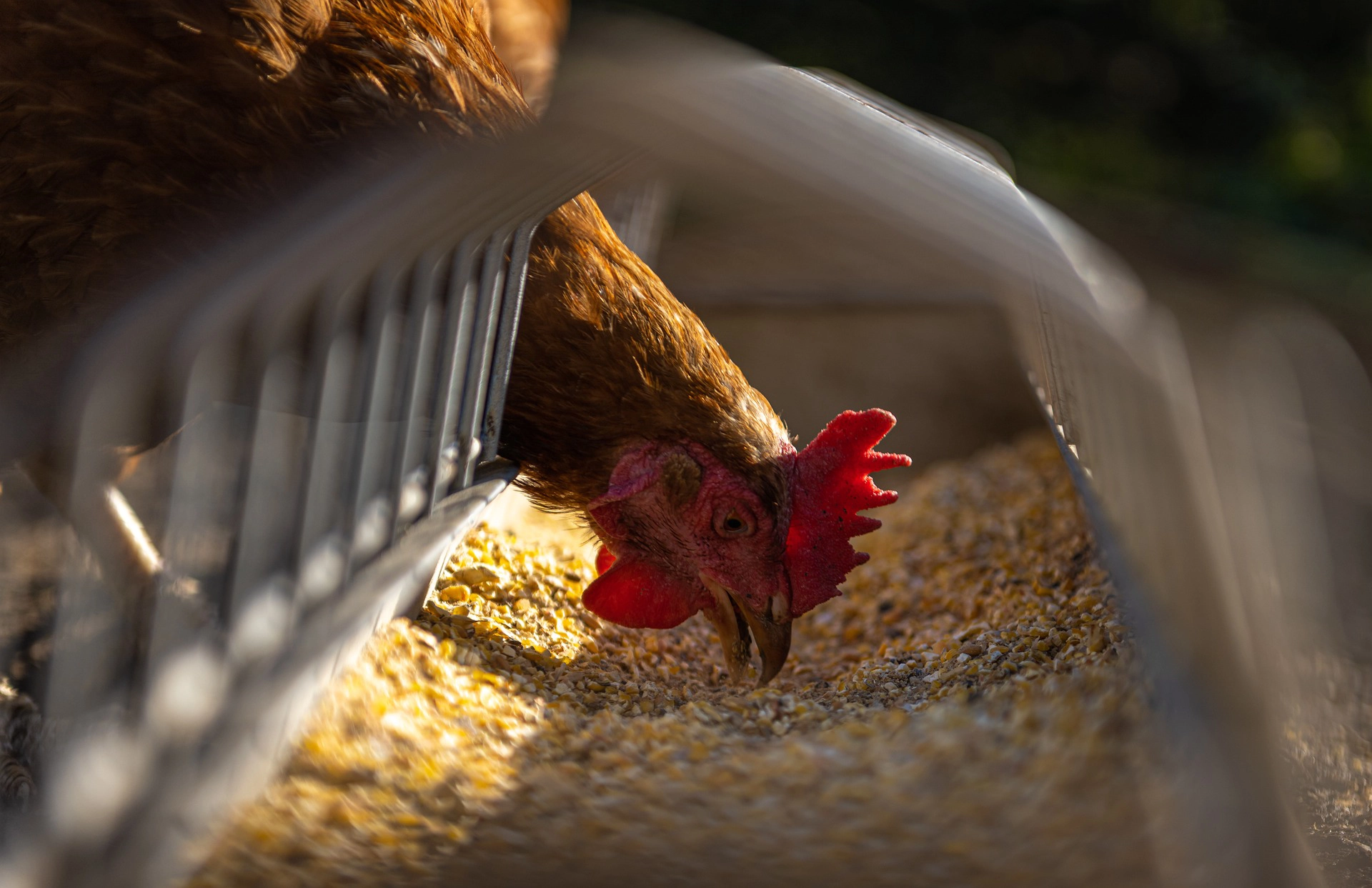
Ammonia (NH3) is one the most important environmental factors to monitor poultry production. Even relatively low concentrations can affect animal welfare and overall performance. Thus, producers should invest in ammonia monitoring rather than relying on manual checks or periodic measurements. Studies* have shown that high ammonia concentrations in poultry production results in a high FCR, reduced gain, and low animal welfare.

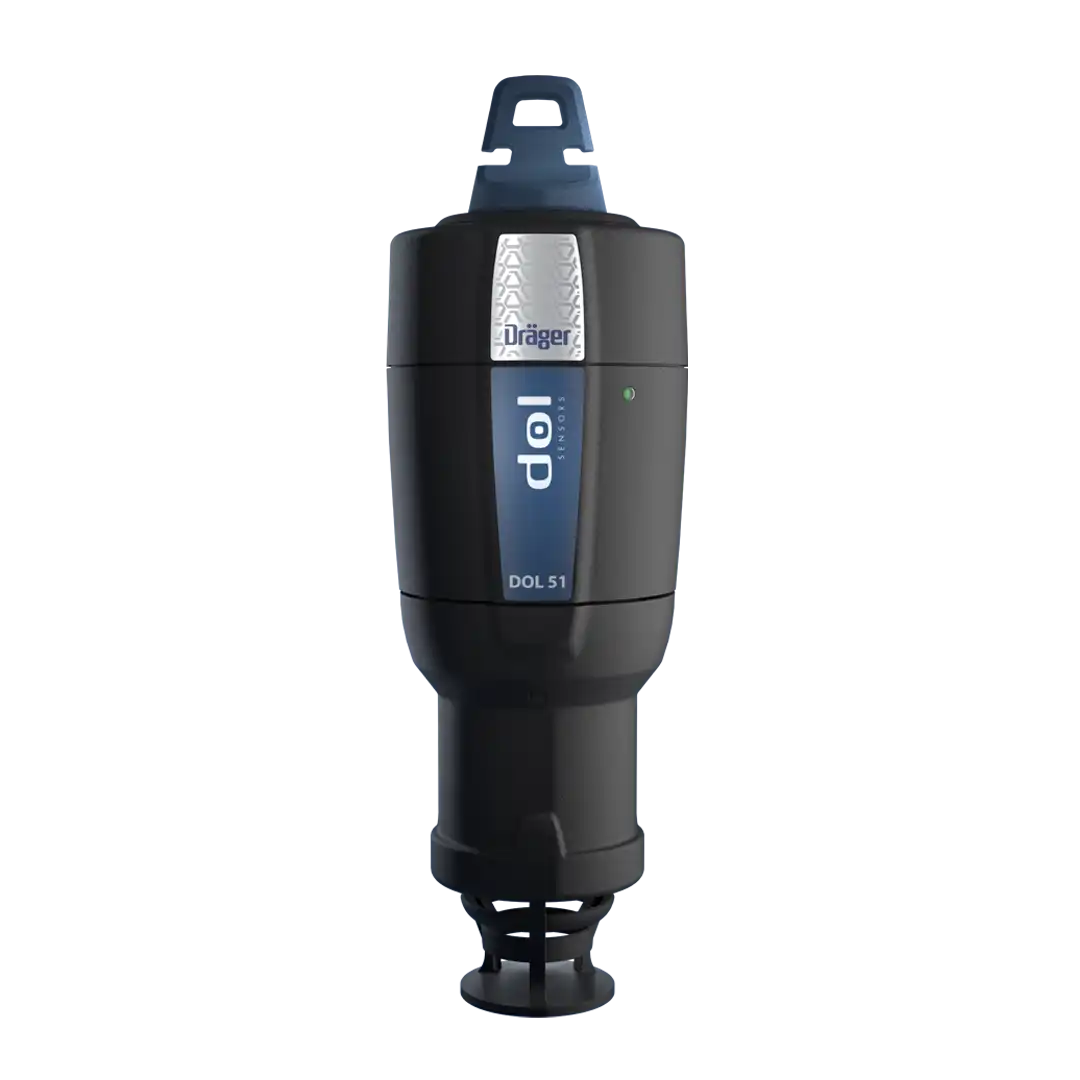
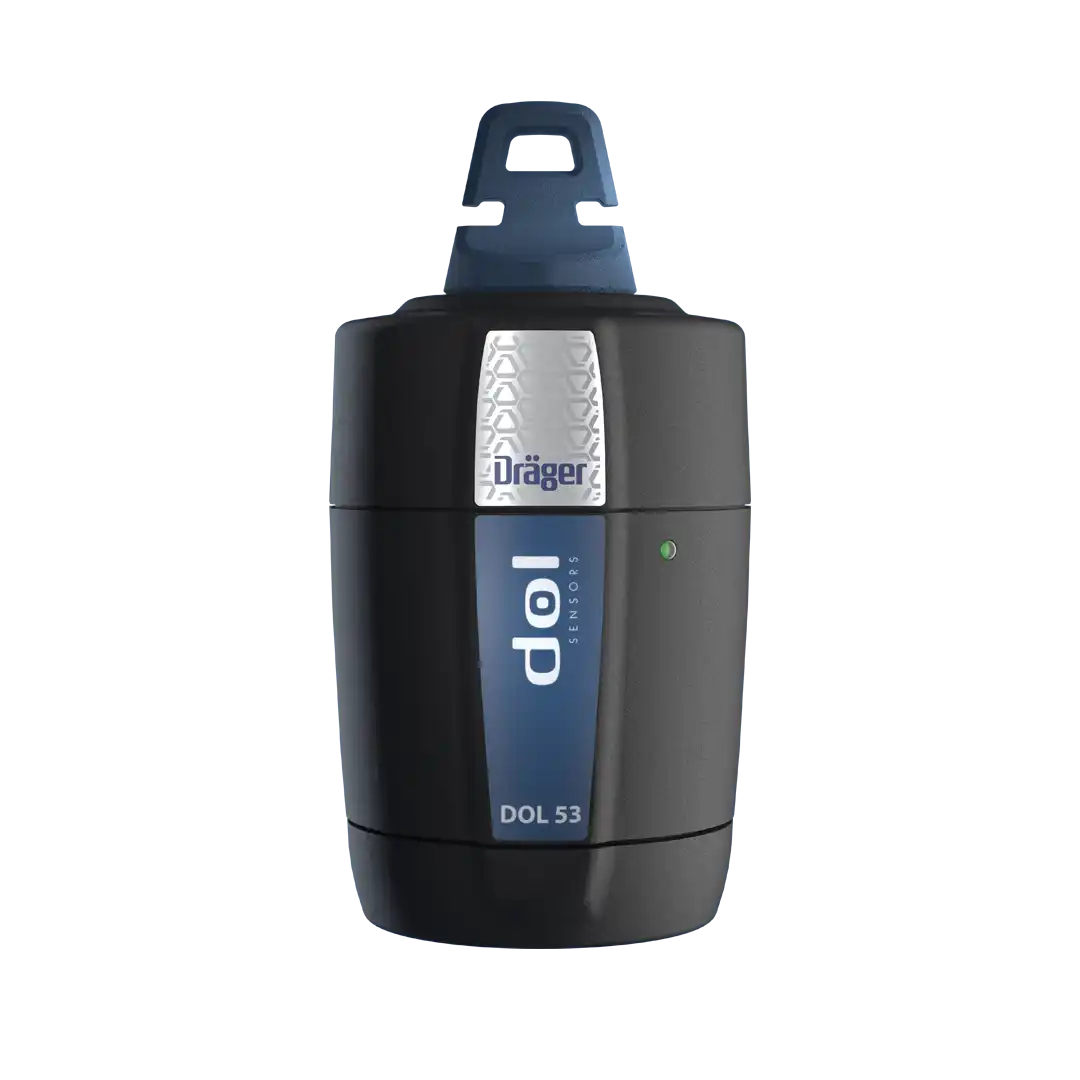
DOL 51 and DOL 53 are examples of electrochemical ammonia sensors designed specifically for the demanding conditions found in livestock houses.

How Does An Electrochemical Ammonia Sensor Work?

Agricultural environments often expose sensors to dust, humidity, and corrosive gases, making sensor durability and measurement stability essential. Electrochemical ammonia sensors measure NH3 concentrations by detecting chemical reactions between ammonia molecules and the sensor’s active element.

The resulting electrical signal is converted into a concentration value that can be transmitted to climate control systems. To maintain measurement accuracy over time, sensor performance depends on factors such as temperature compensation, calibration stability, and protection against environmental contamination.

Read more: Ammonia Sensors for Poultry Houses

Advantages of Ammonia Sensors

Electrochemical sensors have become one the most widely used technology for continuous monitoring in livestock production.

Key advantages include: 

  • High sensitivity at low ammonia concentrations
  • Fast response times
  • Reliable detection of ammonia build-up
  • Less installation costs
  • Easy integration
  • Low power consumption
  • Well suited for automated ventilation control systems

For poultry producers, these advantages are particularly important because ammonia levels can change rapidly due to litter quality, humidity, stocking density, and ventilation performance.

Disadvantages of Electrochemical Sensors

Like any technology, electrochemical sensors also have limitations. They typically have a shorter service life because the sensing element gradually degrades as it reacts with ammonia. As a result, sensor elements require periodic replacement to maintain measurement accuracy.

Potential challenges include:

  • Exposure to severe environmental conditions can reduce lifespan
  • Dust accumulation can affect performance if sensors are not properly protected
  • Sensor elements eventually require replacement
  • Require more frequent maintenance

Many ammonia sensors used in agriculture were originally developed for industrial applications. While the sensors can provide accurate measurements, they may not be optimized for continuous operation in poultry houses, where high dust levels, humidity, and corrosive conditions place additional demands on sensor durability and long-term stability.

What Causes Ammonia in Poultry Houses?
Ammonia is one of the most important indicators of poultry house conditions, but not all sensors perform equally. Learn how electrochemical ammonia sensors work, what affects their lifespan, and how to achieve reliable long-term monitoring.

What Makes DOL 51 and DOL 53 Different?

Our sensors are specifically designed for continuous measurement of ammonia (NH3) concentration in livestock houses.

The DOL 51 and DOL 53 features:

  • Electrochemical sensing technology optimized for ammonia measurement
  • Livestock-specific construction
  • Low maintenance requirements
  • Easy integration with existing climate control systems
  • Continuous measurement for automated ventilation control
  • Components designed to withstand dusty agricultural environments
  • Replaceable filter supports easy maintenance and helps extend sensor performance
  • Measurements are highly selective and are not affected by the presence of other gases

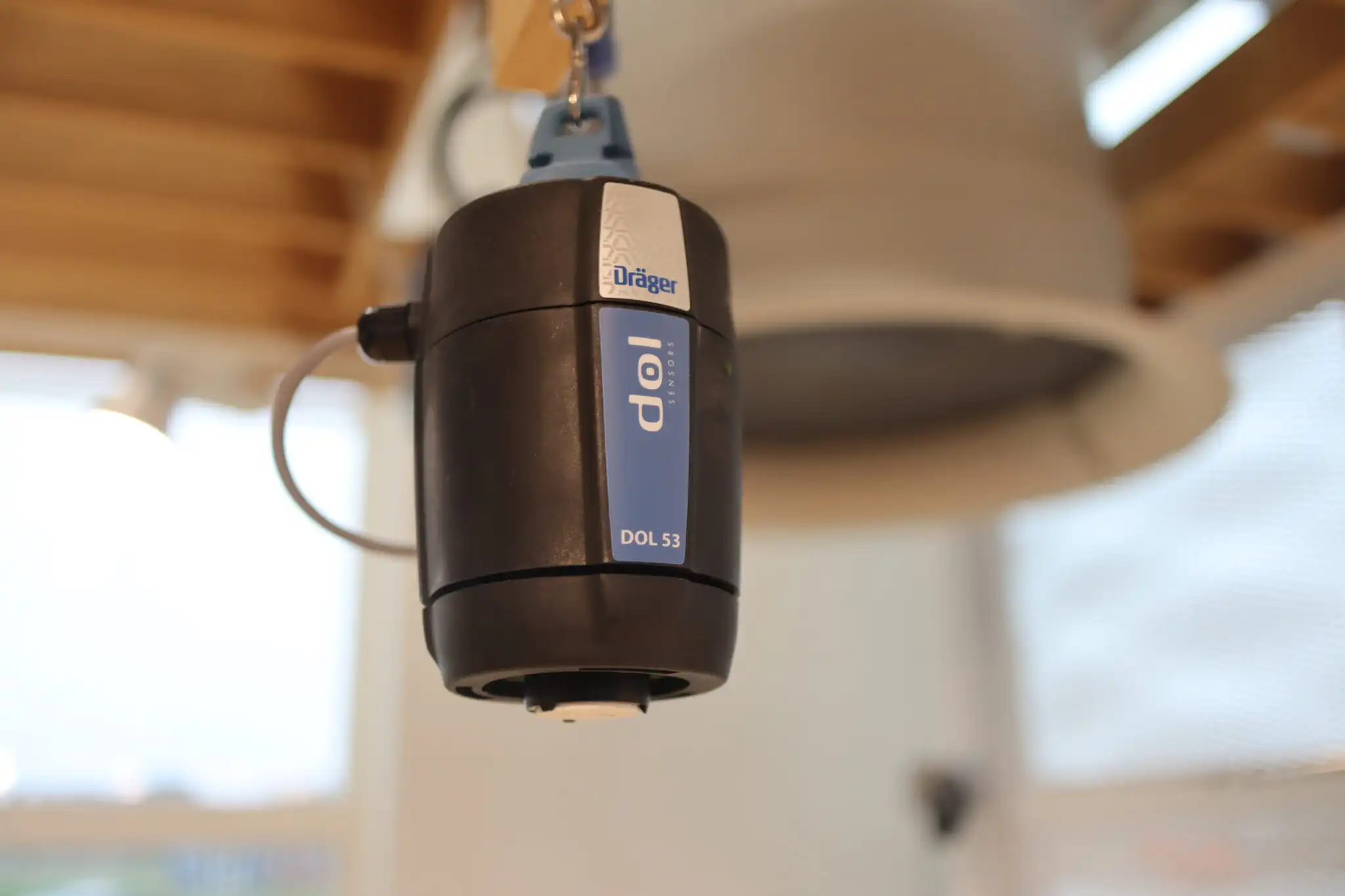
While both DOL 51 and DOL 53 use electrochemical sensing technology, they are optimized for different applications. DOL 53 is designed for continuous ammonia monitoring inside poultry houses to support ventilation control and production management, while DOL 51 is optimized for air cleaning systems where extremely high humidity and condensation resistance are critical.

How to Keep Sensors Working in High-Ammonia Conditions

Proper maintenance plays a major role in maximizing sensor performance and lifespan.

Some best practices include:

1. Install Sensors Correctly

Avoid locations with excessive dust accumulation, water exposure, or direct wash-down contact. Follow manufacturer recommendations regarding mounting height and placement.

2. Keep Filters Clean

Dust is one of the biggest threats to measurement accuracy. Regular inspection and cleaning of sensor protection components can significantly improve reliability.

3. Monitor Environmental Conditions

High humidity and condensation can affect sensor performance. Maintaining stable ventilation helps protect both the sensor and the birds.

4. Replace Wear Components Proactively

Waiting until a sensor completely fails can result in periods without accurate ammonia monitoring. Planned replacement schedules help prevent unexpected downtime.

Why Poultry Producers Choose dol-sensors

Ammonia monitoring is only valuable if the sensor can deliver reliable measurements day after day in the demanding conditions of a livestock house. Dust, humidity, temperature fluctuations, and continuous ammonia exposure create challenges that many sensors must withstand throughout their service life.

Together, DOL 53 and DOL 51 offer livestock producers a complete ammonia monitoring solution designed specifically for agricultural environments. With long service life, proven reliability, and technology tailored to real-world farm conditions, they help producers make more informed ventilation decisions while reducing maintenance and monitoring costs.

Ammonia Sensors for Poultry Houses
Learn how continuous monitoring helps producers identify developing production challenges through changes in water consumption, growth performance and other key production indicators.

Ammonia sensors for poultry houses provide continuous measurement of NH₃ levels, helping producers monitor air quality and react to increasing ammonia levels. Reliable ammonia monitoring is particularly important in poultry houses, where dust, humidity and changing temperatures place high demands on sensor performance.

What Is Ammonia in Poultry Houses?

Ammonia is a chemical compound between the elements nitrogen (N) and hydrogen (H), and has the formula NH₃. The substance is found everywhere in nature and occurs naturally in manure and urine.

The smell of ammonia is known, among other things, from the pungent smell of manure or in the environment of a chicken farm.

Ammonia is formed in humans and animals by the breakdown of proteins (albumin) from the diet, or in connection with the ongoing remodeling of all tissues in the body. A part is also formed in the intestine from the breakdown of proteins and other nitrogenous compounds by bacteria.

What Causes Ammonia in Poultry Houses?

In poultry houses, ammonia is a byproduct of manure. When nitrogen compounds are decomposed the result is formation of ammonia (NH3+) and ammonium (NH4-). Ammonia is lighter than air and therefore it floats into the air causing respiratory problems and bad smell. High litter moisture, temperature and pH can increase ammonia release in poultry houses. Good litter management and ventilation therefore play an important role in keeping ammonia levels under control.

Ammonia Measurement Sensors
Learn how continuous monitoring helps producers identify developing production challenges through changes in water consumption, growth performance and other key production indicators.

Ammonia (NH3) sensors

Ammonia is a colorless, pungent gas that is widely used in many industrial applications and found in agricultural production. It is a critical component in the manufacture of fertilizers, plastics, and explosives, among other things. However, ammonia can be hazardous to human and animal health and the environment when it is released into the atmosphere. As such, the need for accurate and reliable ammonia measurement sensors has become increasingly important in recent years.

Types of Ammonia Measurement Sensors

There are several types of ammonia measurement sensors available in the market, and each one operates on a different principle. Some of the most common ammonia measurement sensors include:

  1. Electrochemical sensors
  2. Metal-oxide sensors
  3. Photoionization detectors
  4. Infrared sensors
  5. Catalytic sensors

Electrochemical Ammonia Sensors

Electrochemical sensors are among the most widely used ammonia measurement sensors. These sensors operate by measuring the current produced when ammonia reacts with a sensing electrode. The magnitude of the current is proportional to the concentration of ammonia in the air. The sensor’s sensitivity can be adjusted by changing the composition of the sensing electrode, and the measurement range can be customized to meet specific application requirements.

Metal-Oxide Sensors

Metal-oxide sensors operate by detecting changes in the electrical conductivity of a metal oxide film when it comes into contact with ammonia. The metal oxide film is typically made of tin oxide, and the sensor’s sensitivity can be adjusted by varying the thickness of the film or the operating temperature. Metal-oxide sensors are highly sensitive and can detect ammonia at concentrations as low as a few parts per billion.

Consequences of Insufficient Climate Monitoring in Poultry Houses
Learn how continuous monitoring helps producers identify developing production challenges through changes in water consumption, growth performance and other key production indicators.

Environmental stability is essential for maintaining health, welfare, and uniform growth in poultry production. When temperature, air quality, and airflow are not monitored continuously, deviations often develop gradually and remain unnoticed until they have already affected flock performance. These changes influence bird behavior and overall productivity.

Temperature Drift and Uneven Growth

Temperature variation is one of the earliest consequences of inadequate monitoring. Birds respond by clustering in warmer areas and avoiding cooler zones, which alters feed access and increases competition. Over time, these behavioral adjustments lead to measurable differences in body weight and feed conversion. Because temperature drift develops slowly, it is rarely detected through periodic checks alone.

Humidity Rise and Litter Stagnation

Humidity increases rapidly when ventilation is reduced, especially during nighttime or cold weather. Without monitoring, these fluctuations remain unnoticed until litter becomes wet or compacted. Elevated humidity accelerates ammonia release and reduces resting comfort. Birds avoid wet areas, concentrating stocking density in drier zones and reinforcing uneven growth patterns.

Air Quality Decline: CO₂ and Ammonia Accumulation

CO₂ and ammonia are invisible and cannot be reliably assessed through sensory cues. When ventilation weakens, CO₂ accumulates quickly, reducing bird activity and suppressing feed intake. Ammonia rises as litter moisture increases, irritating the respiratory tract and compromising immune defenses. Manual checks detect air quality problems too late, because CO₂ and ammonia can reach harmful levels long before they become noticeable to humans.

Ammonia levels have a direct impact on animal welfare, growth, and feed efficiency in poultry production. Explore how accurate ammonia measurement can help you maintain optimal conditions and improve overall results.

Selected Sensors

Documents

English
Leaflet
Climate Brochure
English
Leaflet
DOL 53 Ammonia Sensor_Onepager
English
Leaflet
DOL 51 Ammonia Sensor for Air Cleaning_Onepager

Join our newsletter

Stay ahead in livestock production.

Join our newsletter and get industry insights, expert perspectives, and practical strategies for optimizing performance and efficiency.