How Electrochemical Ammonia Sensors Work and Why They Matter in Poultry Production

Ammonia (NH3) is one the most important environmental factors to monitor poultry production. Even relatively low concentrations can affect animal welfare and overall performance. Thus, producers should invest in ammonia monitoring rather than relying on manual checks or periodic measurements. Studies* have shown that high ammonia concentrations in poultry production results in a high FCR, reduced gain, and low animal welfare.

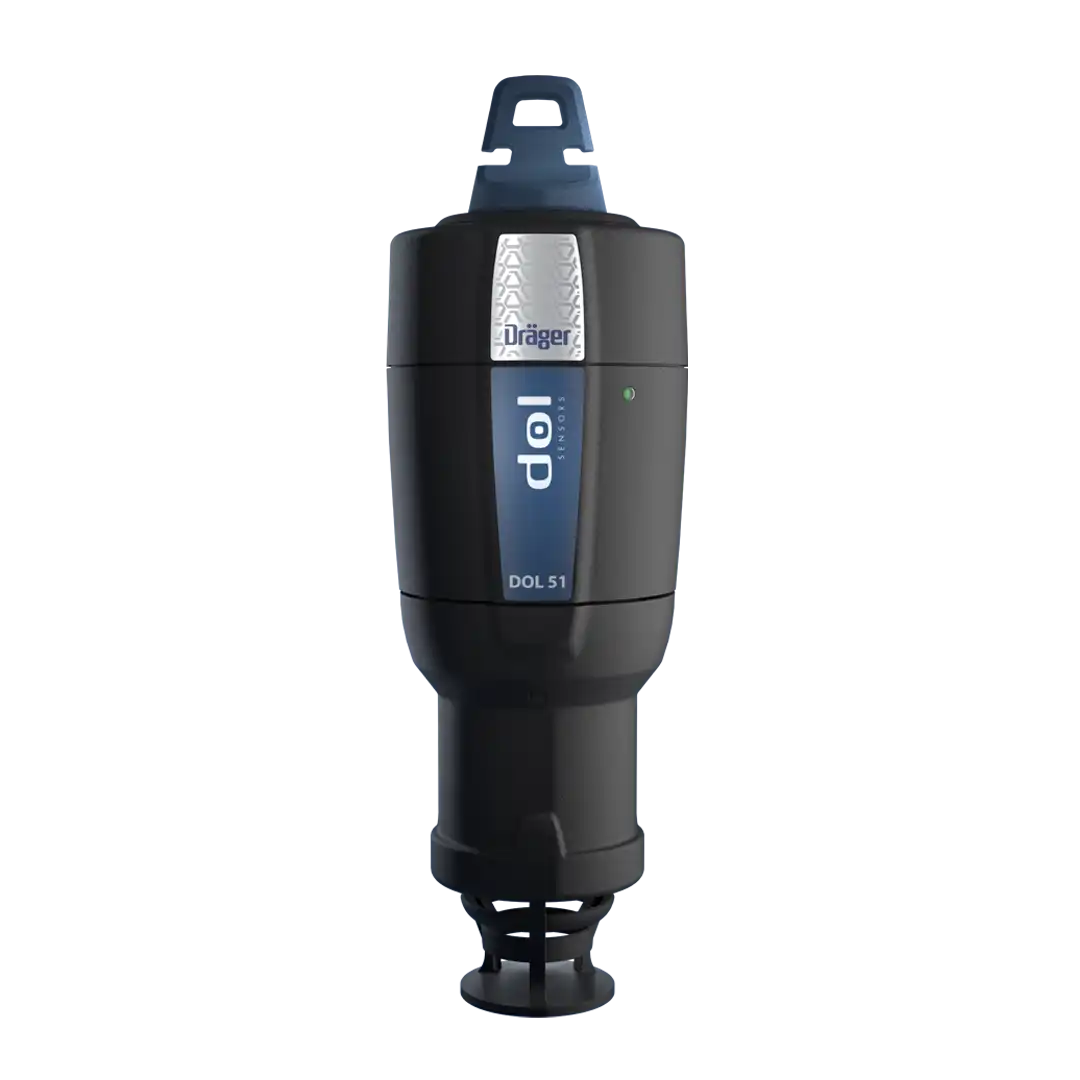
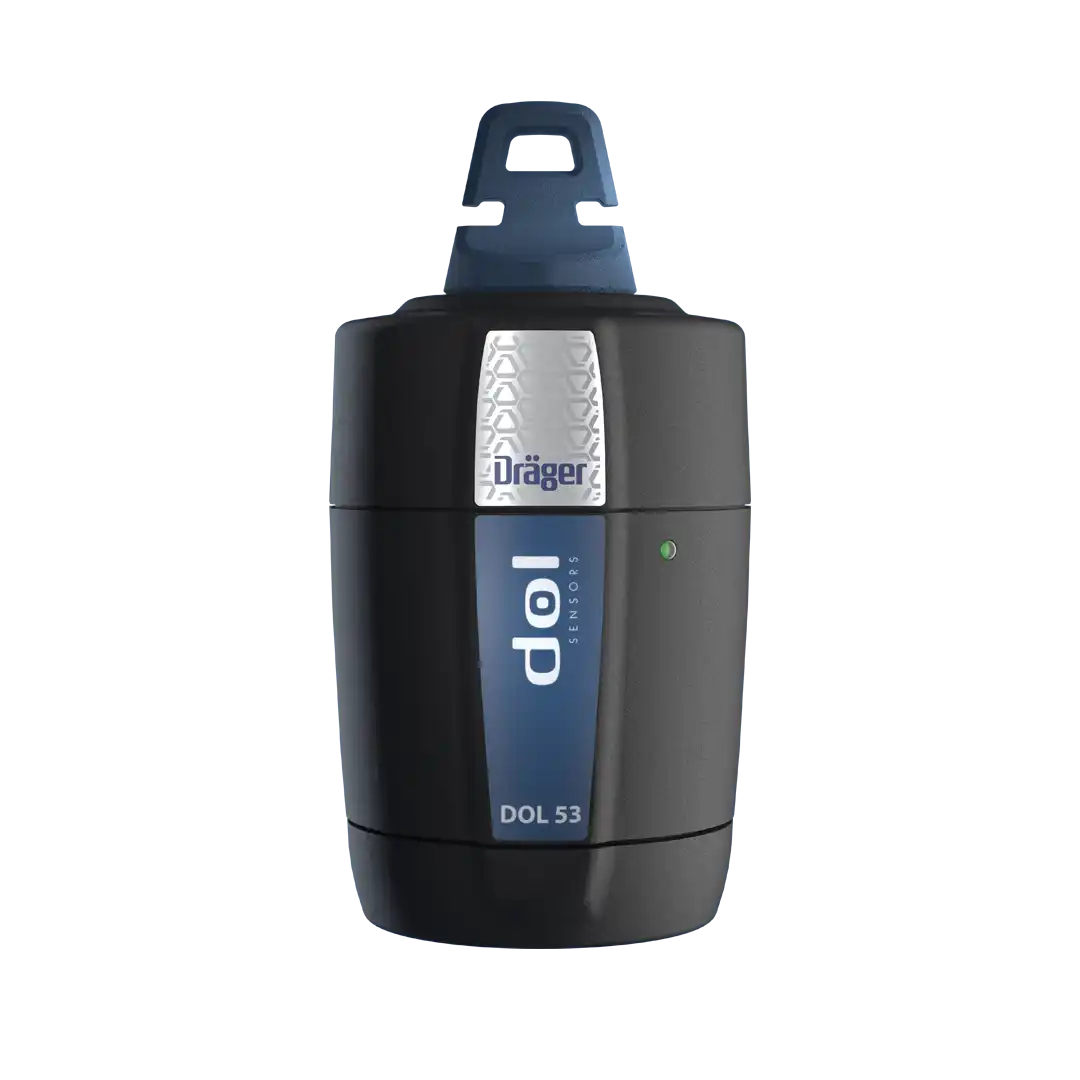
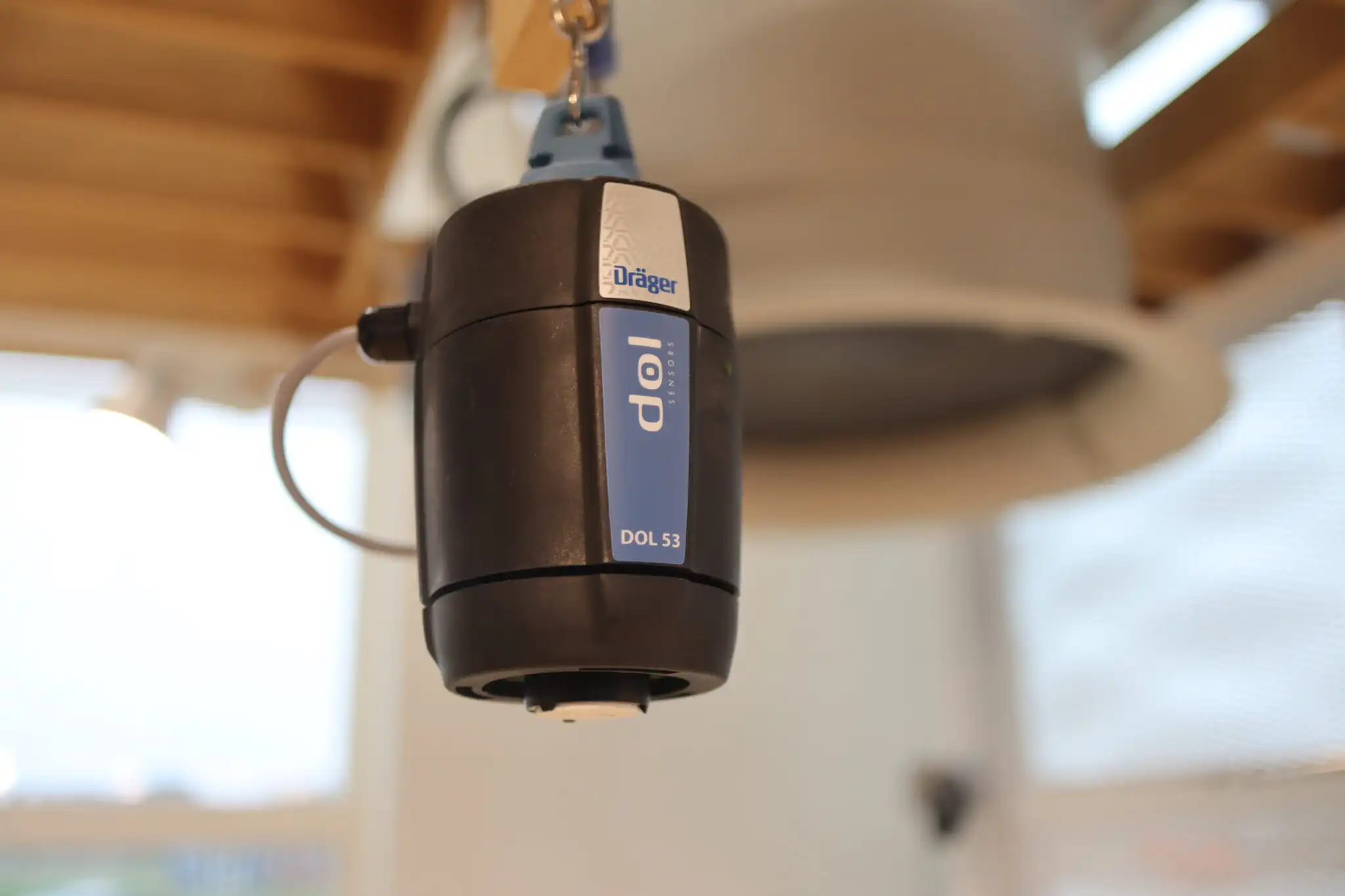
DOL 51 and DOL 53 are examples of electrochemical ammonia sensors designed specifically for the demanding conditions found in livestock houses.

How Does An Electrochemical Ammonia Sensor Work?

Agricultural environments often expose sensors to dust, humidity, and corrosive gases, making sensor durability and measurement stability essential. Electrochemical ammonia sensors measure NH3 concentrations by detecting chemical reactions between ammonia molecules and the sensor’s active element.

The resulting electrical signal is converted into a concentration value that can be transmitted to climate control systems. To maintain measurement accuracy over time, sensor performance depends on factors such as temperature compensation, calibration stability, and protection against environmental contamination.

Read more: Ammonia Sensors for Poultry Houses

Advantages of Ammonia Sensors

Electrochemical sensors have become one the most widely used technology for continuous monitoring in livestock production.

Key advantages include: 

  • High sensitivity at low ammonia concentrations
  • Fast response times
  • Reliable detection of ammonia build-up
  • Less installation costs
  • Easy integration
  • Low power consumption
  • Well suited for automated ventilation control systems

For poultry producers, these advantages are particularly important because ammonia levels can change rapidly due to litter quality, humidity, stocking density, and ventilation performance.

Disadvantages of Electrochemical Sensors

Like any technology, electrochemical sensors also have limitations. They typically have a shorter service life because the sensing element gradually degrades as it reacts with ammonia. As a result, sensor elements require periodic replacement to maintain measurement accuracy.

Potential challenges include:

  • Exposure to severe environmental conditions can reduce lifespan
  • Dust accumulation can affect performance if sensors are not properly protected
  • Sensor elements eventually require replacement
  • Require more frequent maintenance

Many ammonia sensors used in agriculture were originally developed for industrial applications. While the sensors can provide accurate measurements, they may not be optimized for continuous operation in poultry houses, where high dust levels, humidity, and corrosive conditions place additional demands on sensor durability and long-term stability.

What Causes Ammonia in Poultry Houses?
Ammonia is one of the most important indicators of poultry house conditions, but not all sensors perform equally. Learn how electrochemical ammonia sensors work, what affects their lifespan, and how to achieve reliable long-term monitoring.

What Makes DOL 51 and DOL 53 Different?

Our sensors are specifically designed for continuous measurement of ammonia (NH3) concentration in livestock houses.

The DOL 51 and DOL 53 features:

  • Electrochemical sensing technology optimized for ammonia measurement
  • Livestock-specific construction
  • Low maintenance requirements
  • Easy integration with existing climate control systems
  • Continuous measurement for automated ventilation control
  • Components designed to withstand dusty agricultural environments
  • Replaceable filter supports easy maintenance and helps extend sensor performance
  • Measurements are highly selective and are not affected by the presence of other gases

While both DOL 51 and DOL 53 use electrochemical sensing technology, they are optimized for different applications. DOL 53 is designed for continuous ammonia monitoring inside poultry houses to support ventilation control and production management, while DOL 51 is optimized for air cleaning systems where extremely high humidity and condensation resistance are critical.

How to Keep Sensors Working in High-Ammonia Conditions

Proper maintenance plays a major role in maximizing sensor performance and lifespan.

Some best practices include:

1. Install Sensors Correctly

Avoid locations with excessive dust accumulation, water exposure, or direct wash-down contact. Follow manufacturer recommendations regarding mounting height and placement.

2. Keep Filters Clean

Dust is one of the biggest threats to measurement accuracy. Regular inspection and cleaning of sensor protection components can significantly improve reliability.

3. Monitor Environmental Conditions

High humidity and condensation can affect sensor performance. Maintaining stable ventilation helps protect both the sensor and the birds.

4. Replace Wear Components Proactively

Waiting until a sensor completely fails can result in periods without accurate ammonia monitoring. Planned replacement schedules help prevent unexpected downtime.

Why Poultry Producers Choose dol-sensors

Ammonia monitoring is only valuable if the sensor can deliver reliable measurements day after day in the demanding conditions of a livestock house. Dust, humidity, temperature fluctuations, and continuous ammonia exposure create challenges that many sensors must withstand throughout their service life.

Together, DOL 53 and DOL 51 offer livestock producers a complete ammonia monitoring solution designed specifically for agricultural environments. With long service life, proven reliability, and technology tailored to real-world farm conditions, they help producers make more informed ventilation decisions while reducing maintenance and monitoring costs.

Ammoniaksensor Geflügel
Learn how continuous monitoring helps producers identify developing production challenges through changes in water consumption, growth performance and other key production indicators.

Ammoniaksensor für Geflügel

Ammoniak ist eine der häufigsten Ursachen für einen schlechten Tierschutz in Hühnerfarmen. Es ist auch eine Hauptursache für Atemwegserkrankungen, wunde Stellen an Füßen und Brüsten sowie für Muskelschwund.

Was ist Ammoniak?

Ammoniak ist eine chemische Verbindung zwischen den Elementen Stickstoff (N) und Wasserstoff (H) und hat die Formel NH3. Die Substanz kommt überall in der Natur vor und kommt auf natürliche Weise in Gülle und Urin vor.

Der Geruch von Ammoniak ist unter anderem durch den stechenden Geruch von Gülle oder in der Umgebung einer Hühnerfarm bekannt.

Ammoniak entsteht bei Menschen und Tieren durch den Abbau von Proteinen (Albumin) aus der Nahrung oder im Zusammenhang mit dem fortschreitenden Umbau aller Gewebe im Körper. Ein Teil entsteht auch im Darm durch den Abbau von Proteinen und anderen stickstoffhaltigen Verbindungen durch Bakterien.

Ammoniak in Geflügelställen

In Geflügelställen ist Ammoniak ein Nebenprodukt von Gülle. Beim Abbau von Stickstoffverbindungen entstehen Ammoniak (NH3+) und Ammonium (NH4-). Ammoniak ist leichter als Luft und schwebt daher in der Luft und verursacht Atemprobleme und schlechten Geruch. Die Ammoniakbildung wird durch einen niedrigen pH-Wert in der Einstreu, hohe Temperaturen und hohe Luftfeuchtigkeit im Geflügelstall gefördert.

Ammoniak-Messsensoren
Learn how continuous monitoring helps producers identify developing production challenges through changes in water consumption, growth performance and other key production indicators.

Ammoniak-Sensoren (NH3)

Ammoniak ist ein farbloses, scharfes Gas, das in vielen industriellen Anwendungen weit verbreitet ist und in der landwirtschaftlichen Produktion vorkommt. Es ist unter anderem ein wichtiger Bestandteil bei der Herstellung von Düngemitteln, Kunststoffen und Sprengstoffen. Ammoniak kann jedoch die Gesundheit von Mensch und Tier sowie die Umwelt gefährden, wenn es in die Atmosphäre freigesetzt wird. Daher ist der Bedarf an genauen und zuverlässigen Ammoniak-Messsensoren in den letzten Jahren immer wichtiger geworden.

Arten von Ammoniak-Messsensoren

Auf dem Markt sind verschiedene Arten von Ammoniak-Messsensoren erhältlich, und jeder arbeitet nach einem anderen Prinzip. Zu den gängigsten Ammoniak-Messsensoren gehören:

  1. Elektrochemische Sensoren
  2. Metalloxid-Sensoren
  3. Photoionisationsdetektoren
  4. Infrarot-Sensoren
  5. Katalytische Sensoren

Elektrochemische Ammoniak-Sensoren

Elektrochemische Sensoren gehören zu den am häufigsten verwendeten Ammoniak-Messsensoren. Diese Sensoren messen den Strom, der entsteht, wenn Ammoniak mit einer Sensorelektrode reagiert. Die Größe des Stroms ist proportional zur Ammoniakkonzentration in der Luft. Die Empfindlichkeit des Sensors kann durch Änderung der Zusammensetzung der Sensorelektrode angepasst werden, und der Messbereich kann an spezifische Anwendungsanforderungen angepasst werden.

Metalloxid-Sensoren

Metalloxidsensoren erfassen Änderungen der elektrischen Leitfähigkeit eines Metalloxidfilms, wenn dieser mit Ammoniak in Kontakt kommt. Der Metalloxidfilm besteht typischerweise aus Zinnoxid, und die Empfindlichkeit des Sensors kann durch Variation der Schichtdicke oder der Betriebstemperatur eingestellt werden. Metalloxid-Sensoren sind hochempfindlich und können Ammoniak in Konzentrationen von nur wenigen Teilen pro Milliarde erkennen.

Folgen unzureichender Klimaüberwachung in Geflügelställen
Learn how continuous monitoring helps producers identify developing production challenges through changes in water consumption, growth performance and other key production indicators.

Umweltstabilität ist für die Aufrechterhaltung der Gesundheit, des Wohlbefindens und des gleichmäßigen Wachstums der Geflügelproduktion unerlässlich. Wenn Temperatur, Luftqualität und Luftstrom nicht kontinuierlich überwacht werden, entwickeln sich Abweichungen oft allmählich und bleiben unbemerkt, bis sie sich bereits auf die Leistung der Herde ausgewirkt haben. Diese Veränderungen beeinflussen das Verhalten der Vögel und die allgemeine Produktivität.

Temperaturdrift und ungleichmäßiges Wachstum

Temperaturschwankungen sind eine der frühesten Folgen einer unzureichenden Überwachung. Vögel reagieren darauf, indem sie sich in wärmeren Gebieten ansammeln und kühlere Zonen meiden, was den Futterzugang beeinträchtigt und die Konkurrenz erhöht. Im Laufe der Zeit führen diese Verhaltensanpassungen zu messbaren Unterschieden beim Körpergewicht und der Futterverwertung. Da sich die Temperaturdrift langsam entwickelt, wird sie selten allein durch regelmäßige Kontrollen festgestellt.

Anstieg der Luftfeuchtigkeit und Müllstau

Die Luftfeuchtigkeit steigt schnell an, wenn die Belüftung reduziert wird, insbesondere in der Nacht oder bei kaltem Wetter. Ohne Überwachung bleiben diese Schwankungen unbemerkt, bis die Einstreu nass oder verdichtet wird. Eine erhöhte Luftfeuchtigkeit beschleunigt die Ammoniakfreisetzung und verringert den Liegekomfort. Vögel meiden feuchte Gebiete, wodurch die Besatzdichte in trockeneren Zonen konzentriert wird und ungleichmäßige Wachstumsmuster verstärkt werden.

Rückgang der Luftqualität: CO₂- und Ammoniakakkumulation

CO₂ und Ammoniak sind unsichtbar und können nicht zuverlässig durch sensorische Signale beurteilt werden. Wenn die Belüftung nachlässt, sammelt sich CO₂ schnell an, wodurch die Vogelaktivität reduziert und die Futteraufnahme unterdrückt wird. Ammoniak steigt an, wenn die Feuchtigkeit im Müll zunimmt, was die Atemwege reizt und die Immunabwehr beeinträchtigt. Manuelle Kontrollen erkennen Probleme mit der Luftqualität zu spät, da CO₂ und Ammoniak schädliche Werte erreichen können, lange bevor sie für Menschen wahrnehmbar werden.

Der Ammoniakgehalt hat direkte Auswirkungen auf den Tierschutz, das Wachstum und die Futtereffizienz in der Geflügelproduktion. Erfahren Sie, wie eine genaue Ammoniakmessung Ihnen helfen kann, optimale Bedingungen aufrechtzuerhalten und die Gesamtergebnisse zu verbessern.

Ausgewählte Sensoren

Dokumente

English
Leaflet
Climate Brochure
English
Leaflet
DOL 53 Ammonia Sensor_Onepager
English
Leaflet
DOL 51 Ammonia Sensor for Air Cleaning_Onepager

Join our newsletter

Stay ahead in livestock production.

Join our newsletter and get industry insights, expert perspectives, and practical strategies for optimizing performance and efficiency.