
Consumer Trends Reshaping the Pork Market

Global demand for pork continues to rise — but not evenly across the world. Developing regions are driving much of this growth, while consumption in many wealthier countries has slowed or even declined. As health awareness, sustainability concerns, and evolving lifestyles reshape consumer preferences, the pork industry faces both new challenges and exciting opportunities.

Global Growth: Developing Markets Lead the Way

In Asia, Latin America, and parts of Africa, pork remains a key source of affordable protein. Rising incomes, urbanization, and expanding middle classes are fueling demand for meat products — particularly pork, which is widely accepted and culturally significant in many regions.

China remains the world’s largest consumer and producer of pork, though other markets such as Vietnam, the Philippines, and Mexico are showing strong growth. Consumers in these regions are increasingly turning to processed and value-added pork products that offer convenience and food safety assurances.

Mature Markets: Shifting Priorities in Developed Economies

In contrast, pork consumption in North America and Europe has plateaued or declined slightly. Consumers in these markets are becoming more selective — prioritizing health, ethics, and sustainability over quantity. This shift is leading to new patterns in purchasing and product development, including:

  • Lean and low-fat options: Health-conscious consumers are reducing red meat intake but still seek lean, high-quality pork cuts.
  • Plant-protein competition: Flexitarian diets are gaining popularity, driving producers to emphasize the nutritional value and environmental efficiency of pork.
  • Premium and traceable products: There’s growing demand for pork raised with higher welfare standards, traceable origins, and antibiotic-free claims.

Strength Bird Welfare
Discover practical ways to strengthen bird welfare in modern poultry production.
No items found.

The Rise of Convenience and Value-Added Products

Modern lifestyles demand easy-to-cook, ready-to-eat, and portion-controlled foods. This trend has led to a surge in convenience cuts and processed pork products such as marinated fillets, sliced meats, and quick-serve dishes.
Producers who can combine quality, flavor, and convenience are well-positioned to capture younger, urban consumers seeking both practicality and taste.

Ethics and Sustainability: The New Drivers of Choice

Consumers increasingly want to know how their food is produced. Ethical farming, environmental responsibility, and animal welfare are now key differentiators in the marketplace.
Producers who can demonstrate sustainable feed use, reduced carbon footprints, and transparent animal welfare practices are earning greater trust — and premium prices.

Retailers and foodservice companies are also responding, incorporating sustainability goals into sourcing policies and product labeling. Certification schemes and on-farm transparency technologies are becoming essential tools for maintaining consumer confidence.

Technology and Innovation: Bridging the Gap

To meet evolving demands, the pork industry is embracing innovation — from precision farming and automated climate control to digital traceability systems that provide real-time data on production conditions. These tools not only improve efficiency and animal welfare but also support the transparency and accountability that modern consumers expect.

Product innovation is also expanding, with companies introducing new flavor profiles, packaging solutions, and ready-to-eat formats to keep pork competitive in a changing protein landscape.

The Road Ahead: Balancing Quality, Responsibility, and Growth

The pork market is at a turning point. Success will depend on the industry’s ability to adapt to regional differences while aligning with global consumer values.
Producers and processors who invest in sustainability, transparency, and innovation will not only protect their market share but also help redefine pork’s place in a more conscious and connected world.

Feed and Gut Health: The Foundation of Strong, Active Pigs
Learn how continuous monitoring helps producers identify developing production challenges through changes in water consumption, growth performance and other key production indicators.

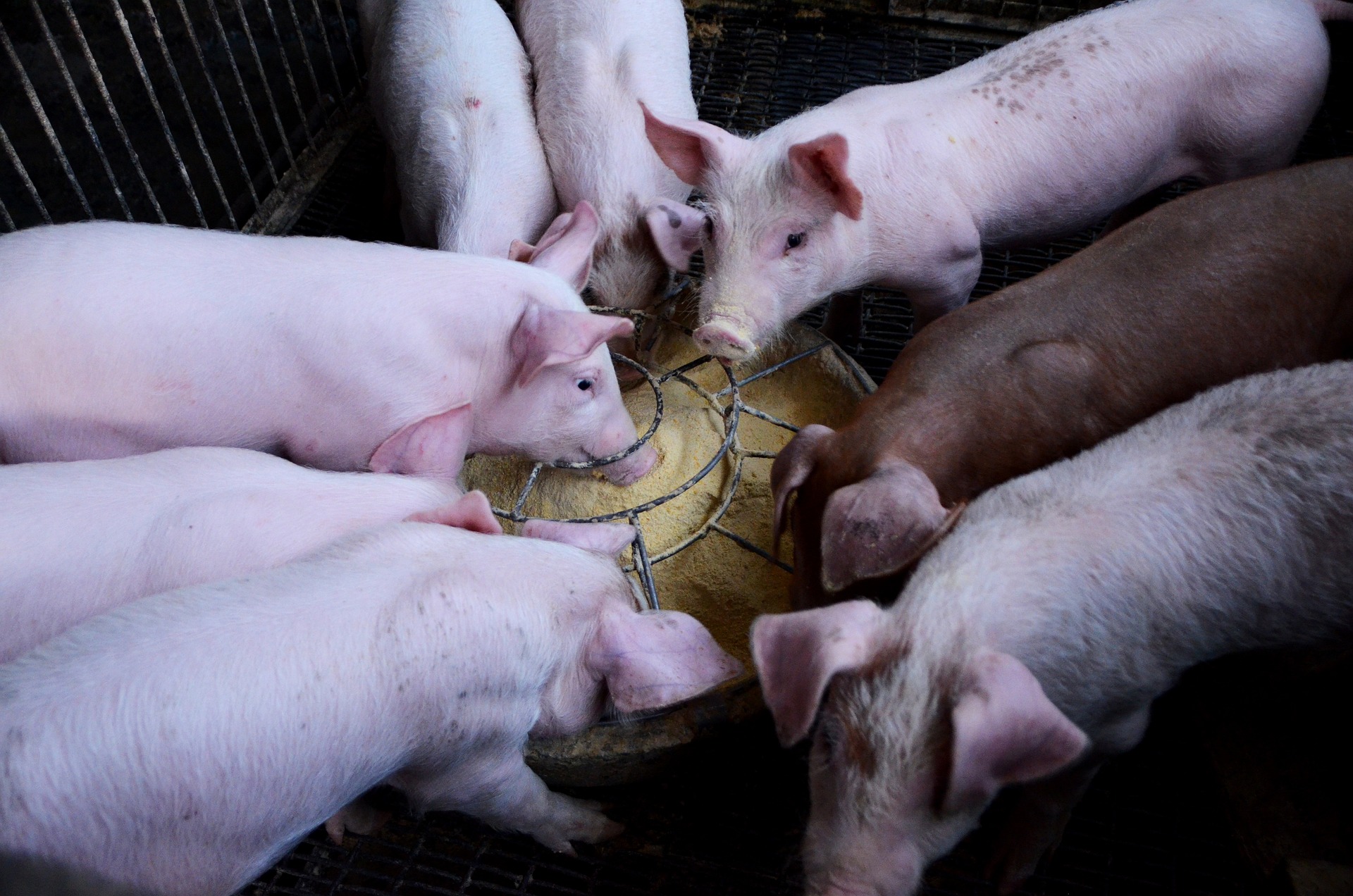
Healthy pigs start with a healthy gut. When digestion works smoothly and nutrients are absorbed efficiently, pigs grow faster, stay more resilient, and remain active throughout the production cycle. Gut health is one of the biggest drivers of performance, and one of the easiest to overlook.

Why Gut Health Shapes Performance

Feed Quality Sets the Tone

Balanced protein, the right fiber levels, and consistent feed structure all support stable digestion. Clean water and high-quality raw materials help pigs maintain a healthy gut and steady appetite.

Decrease The Need For Labour In Poultry Production
Learn how continuous monitoring helps producers identify developing production challenges through changes in water consumption, growth performance and other key production indicators.

How to Decrease the Need for Labour in Poultry Production

With rising costs, staff shortages, and growing demands for efficiency, producers are increasingly looking for ways to streamline operations without compromising animal welfare or productivity. The good news is that advances in management practices and technology are making it possible to reduce labour needs while maintaining—or even improving—flock performance.

The Challenge of Labour in Poultry Farming

Traditional poultry production requires a high level of manual work: feeding, monitoring climate conditions, checking water lines, collecting data, maintaining equipments, cleaning, and inspecting flock health. These repetitive and time-consuming tasks not only require manpower but also increase the risk of human error. By reducing the need for manual intervention, producers can save time, cut costs, and create a more consistent production flow.

Robust Sensors
Learn how continuous monitoring helps producers identify developing production challenges through changes in water consumption, growth performance and other key production indicators.

Built For Harsh Environments

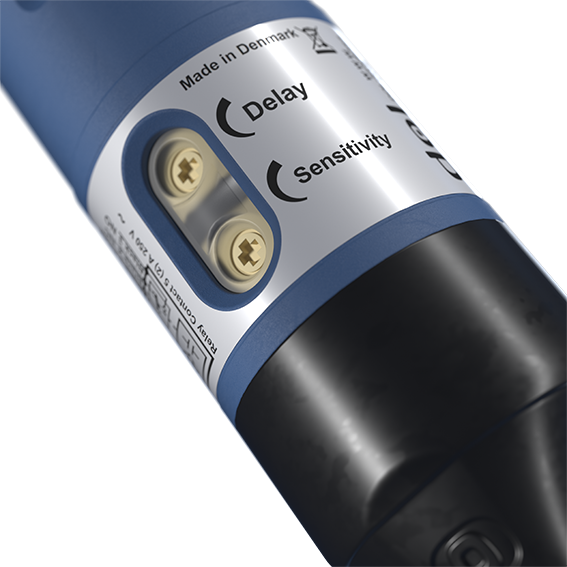
All our sensors are thoroughly tested to ensure they withstand the harsh conditions in livestock houses.

The hardened designs and special features make the sensors last longer and stay functional and accurate.

For example:

A lot of our sensors are IP 67 protected, which means that they withstand dust and water.

The iDOL 46 ATEX sensor is an ATEX approved sensor for potential explosive dust atmospheres.

Selected Sensors

No items found.

Documents

No items found.

Join our newsletter

Stay ahead in livestock production.

Join our newsletter and get industry insights, expert perspectives, and practical strategies for optimizing performance and efficiency.