Why is Hardened Design Necessary for Agricultural Sensors?
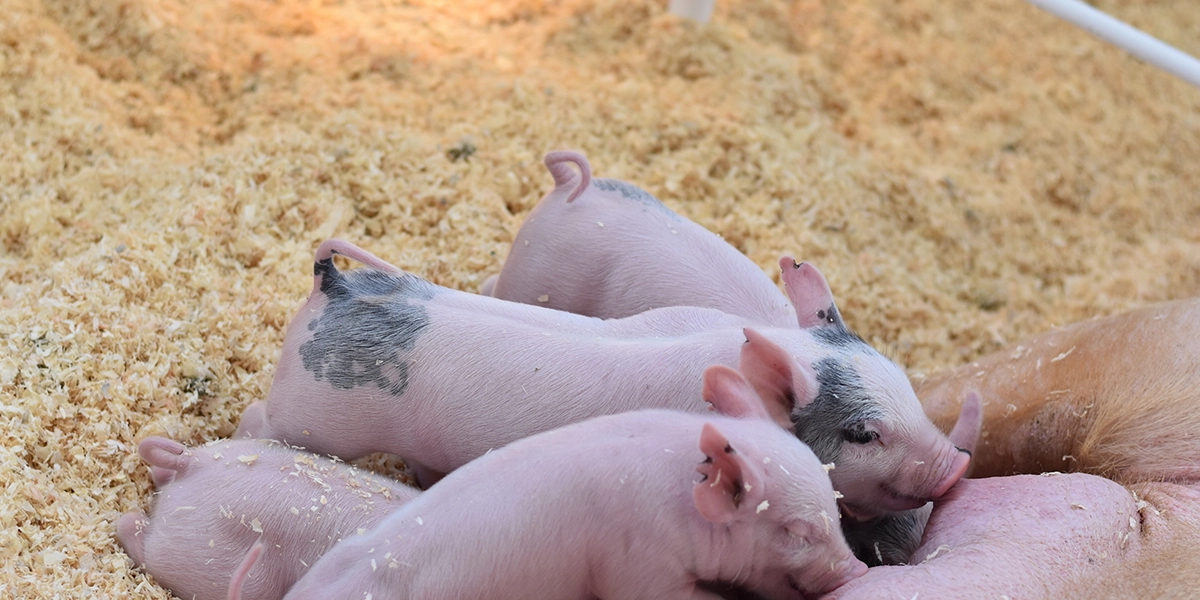
1. Environmental Extremes: In livestock houses the environment is extreme with temperature swings, high humidity, and dust. Sensors without a hardened design might fail under extreme temperatures or humidity.
2. Gas Exposure: Livestock created a lot of CO2 inside the farm house just by breathing. Furthermore, the litter can contain high levels of ammonia. Sensors need to be resistant to these gases to avoid degradation of components which can lead to inaccurate readings or total device failure.
3. Longevity and Cost-Effectiveness: Farming is a long-term investment, and so is the installation of modern sensors. A hardened design ensures that sensors can operate for extended periods without needing frequent replacements, thereby maximizing the return on investment.
4. Better Biosecurity: By using sensors with hardened design, there is less need for calibration, repair, and replacement. This means less interference with the animals and therefore better biosecurity.
How is Hardened Design Implemented?
1. Robust Materials: One of the first steps in creating hardened sensors is the selection of materials that are resistant to corrosion, UV radiation, and physical wear.
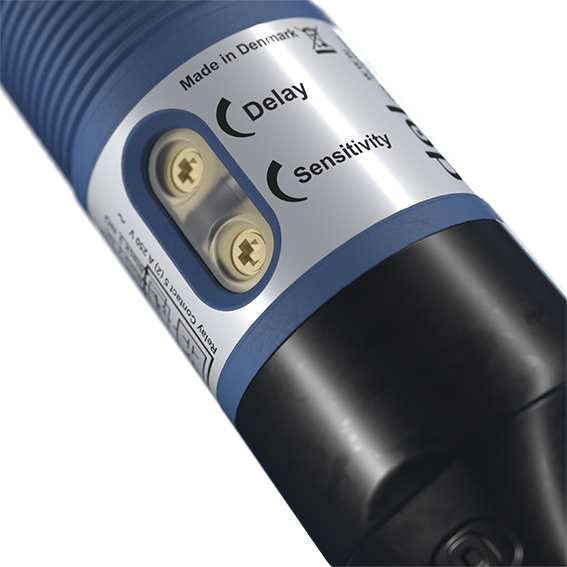
2. Waterproofing and Dustproofing: To achieve a high level of protection against water and dust, our sensors are encased in sealed housings. Standards such as IP67 or IP68 are commonly met, indicating total dust resistance and the ability to withstand immersion in water.
3. Immunity to Electrical Noice: Most of our sensors have high immunity to noise from electric communication, i.e. from a mobile phone, and transients, i.e. from motors and contactors. This makes the sensors highly reliable.
Hardened Design is a Necessity
The hardened design of agricultural sensors is not just a feature—it’s a necessity. By incorporating such designs, farmers and farm managers can ensure consistent, reliable data collection, leading to better decision-making and increased productivity. This durability also aligns well with the sustainability goals of modern agriculture, which emphasize reducing waste and increasing efficiency. As farming continues to evolve, the role of robust, well-designed sensors will only grow in importance, supporting a future where agriculture remains viable under ever-changing environmental conditions.