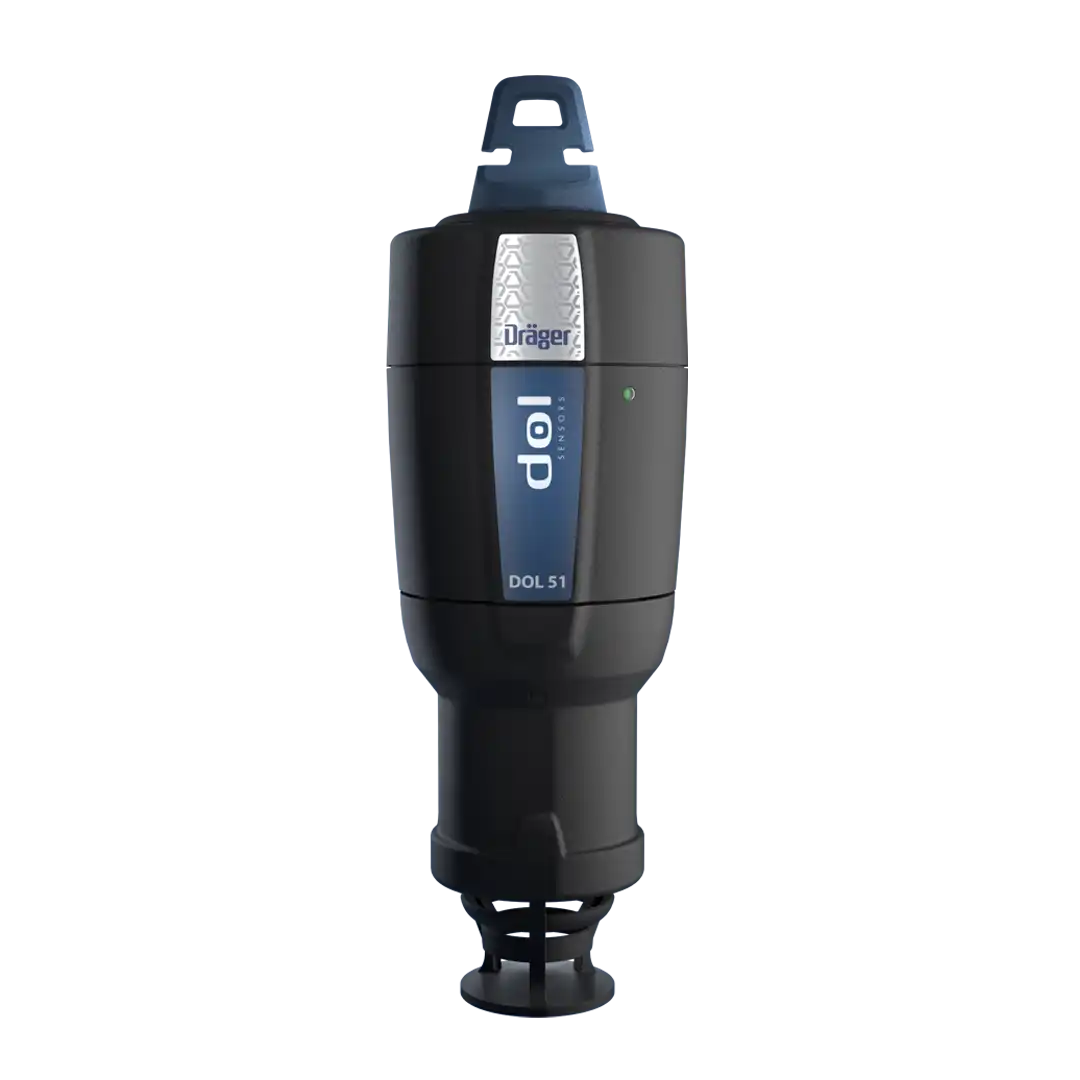
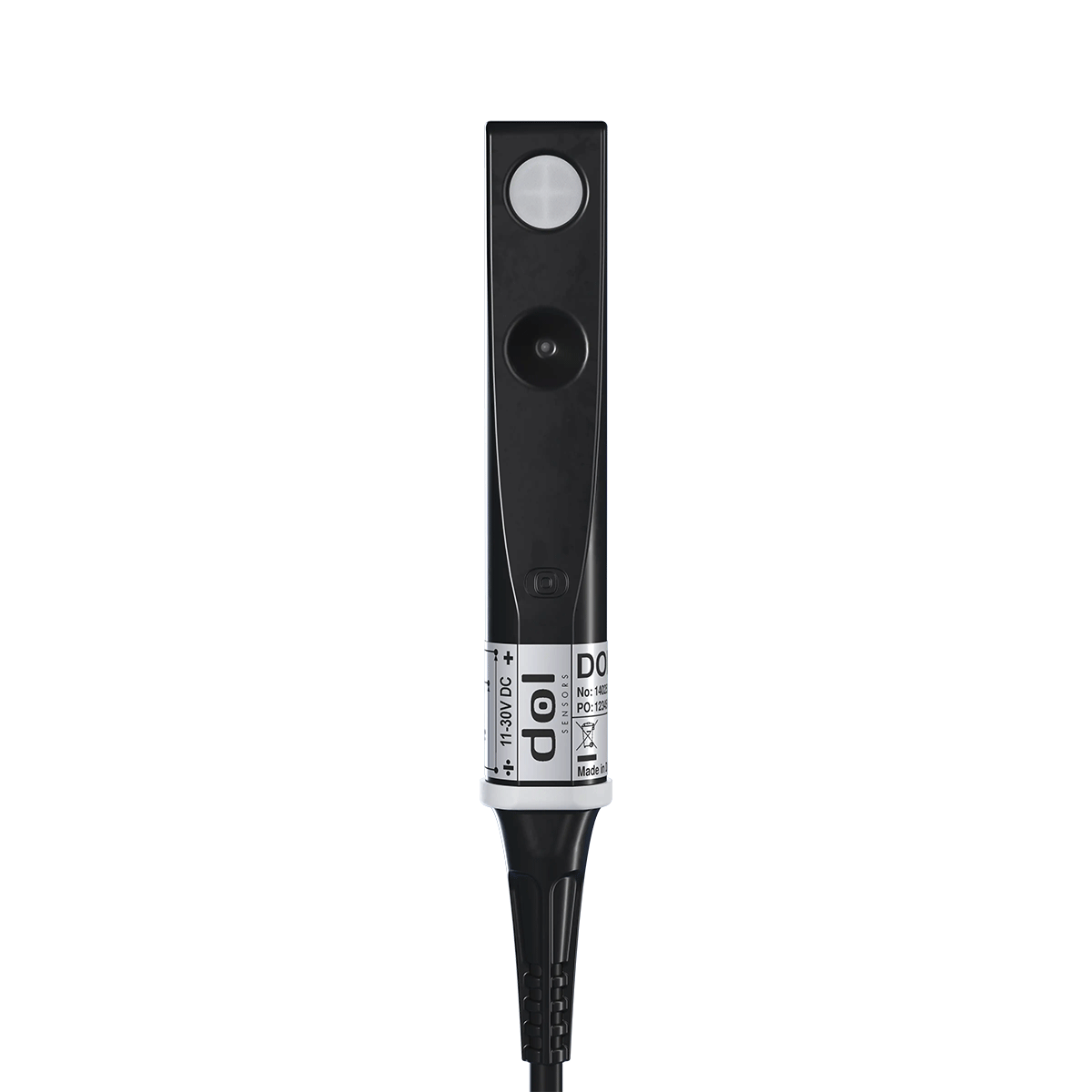
Climate Sensors That Fit All Farm Controllers

Easy Integration Across Different Systems

One of the challenges many farmers face is integrating new sensors into existing farm management systems. When climate sensors are compatible with all major farm controllers, upgrades and replacements become much simpler. This gives producers greater flexibility when expanding facilities, replacing aging equipment, or standardizing sensor solutions across multiple farms.

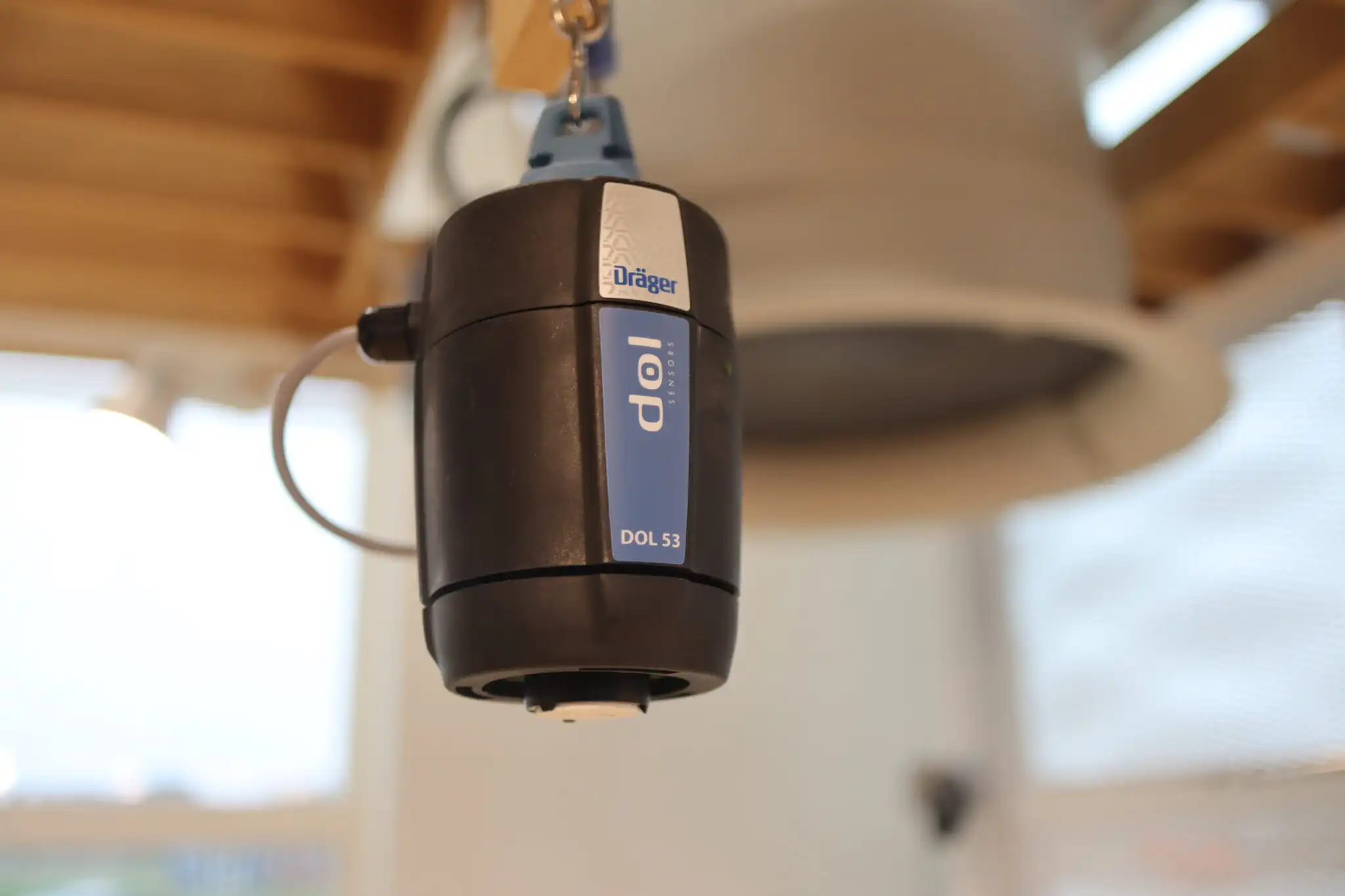
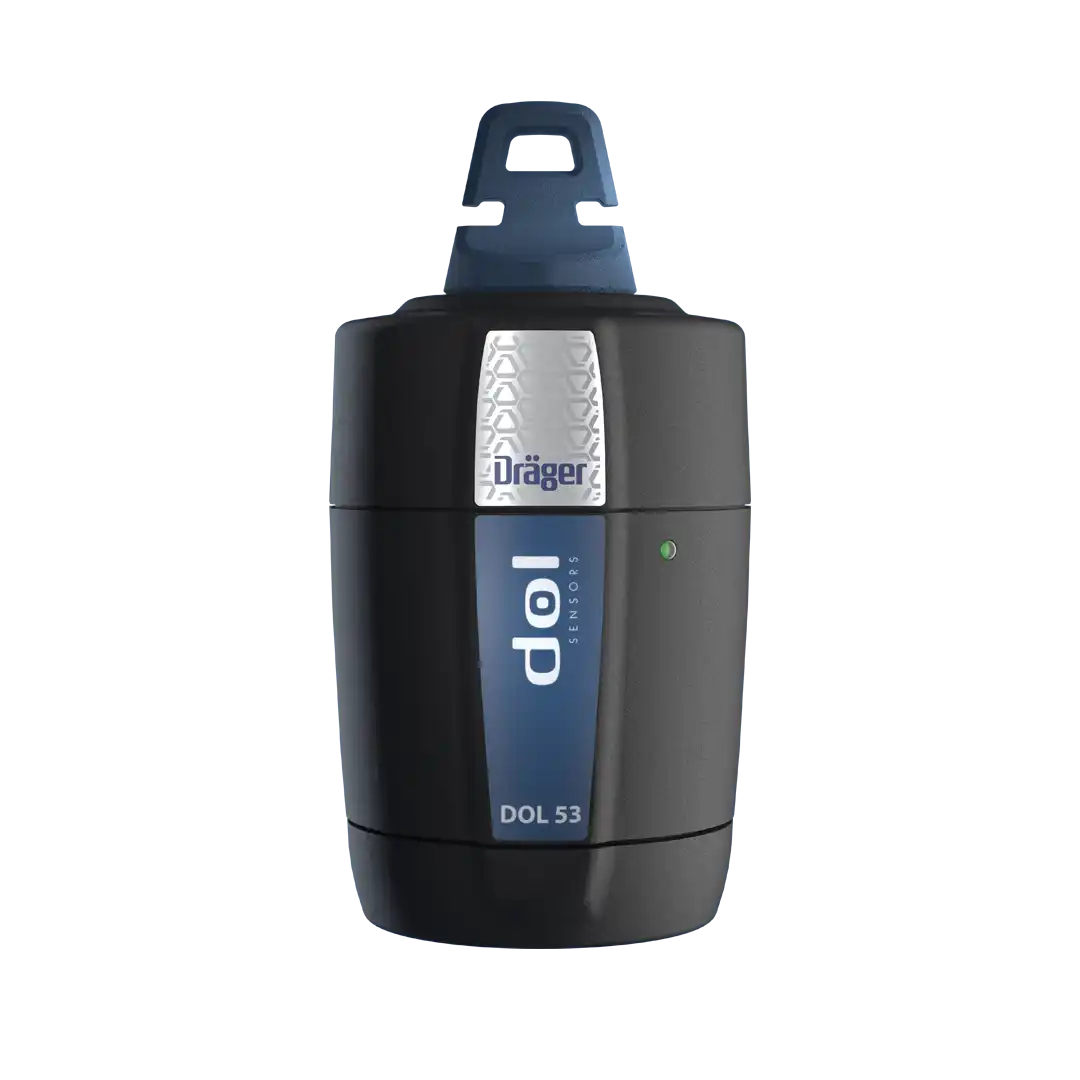
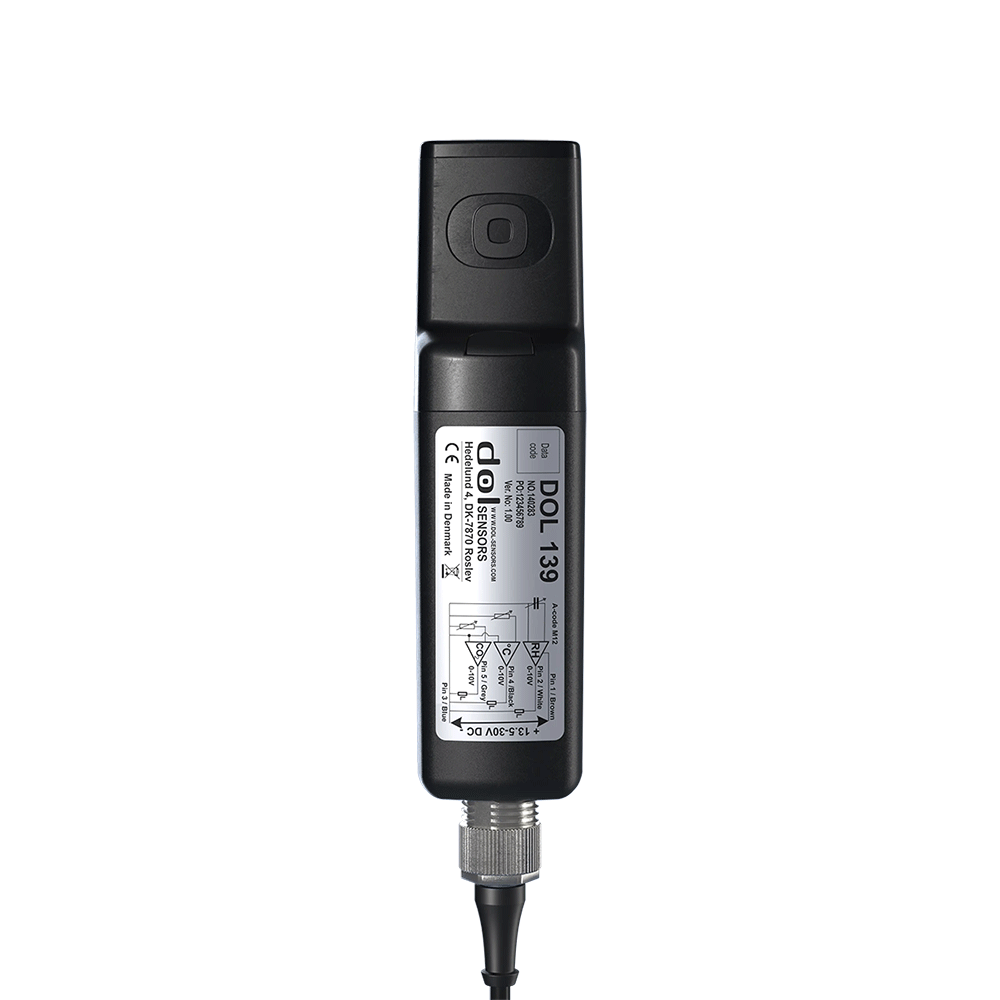
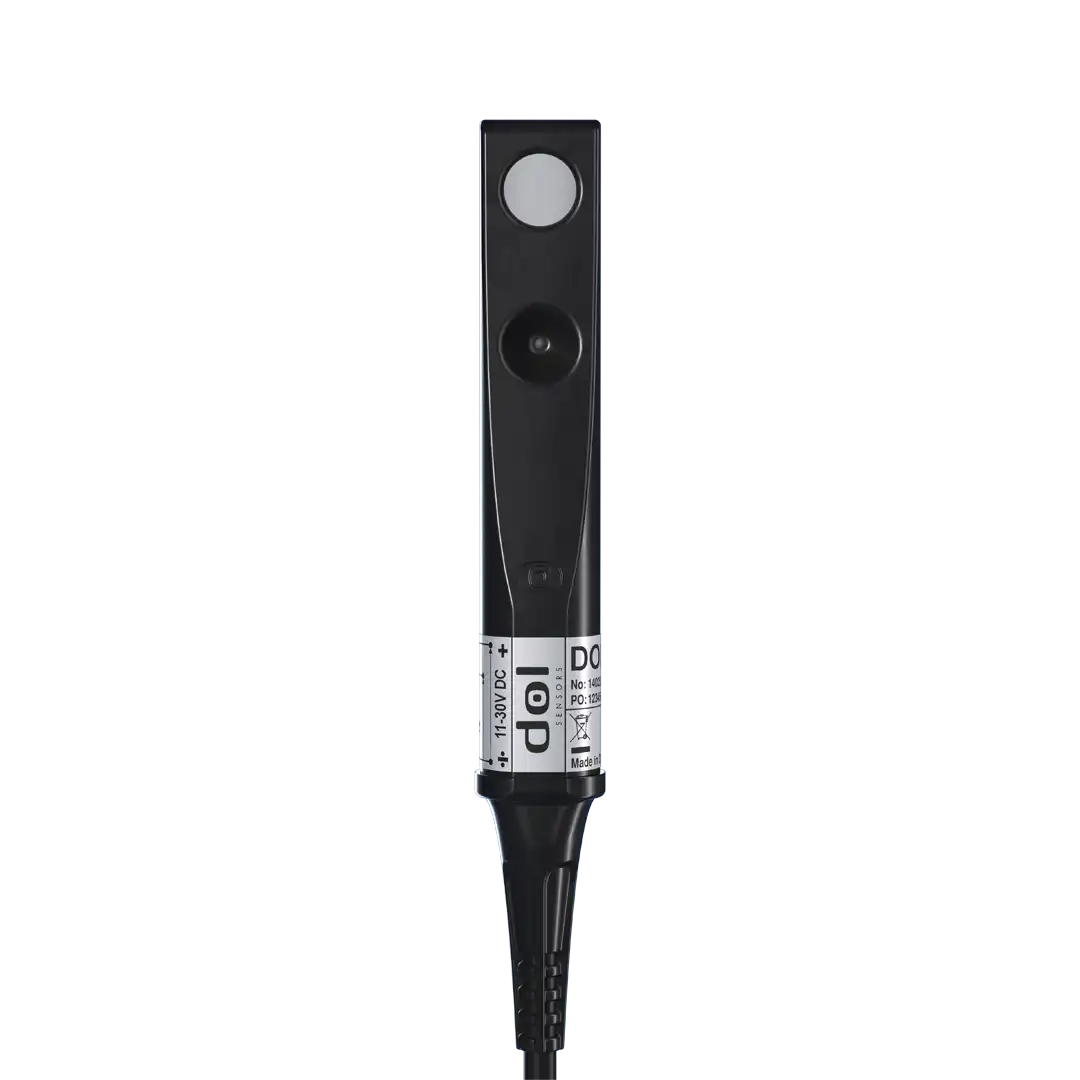
Our climate sensors fit all farm controller, which makes it easy to install them no matter what controller you are using. They easily replace other climate sensors as well.

Climate sensors from dol-sensors are specially designed for the harsh environment in livestock houses. They are robust and last longer since they are protected against dust, high humidity, temperature swings and high levels of ammonia.

Read more about our different climate sensors.

Locate a dealer.

Better Climate Control
Explore climate sensors that integrate seamlessly with all farm controllers, delivering reliable measurements of temperature, humidity, CO₂, and ammonia.

Consistent Data for Better Decisions

Accurate climate data is essential for modern livestock production. When sensors can be installed across different controller platforms, producers can collect comparable data from multiple houses or farms. This supports more informed decision-making, easier benchmarking, and improved control of ventilation, heating, and overall climate management. Consistent monitoring contributes to better animal welfare, improved production performance, and more efficient farm operations.

Ammonia Measurement Sensors
Learn how continuous monitoring helps producers identify developing production challenges through changes in water consumption, growth performance and other key production indicators.

Ammonia (NH3) sensors

Ammonia is a colorless, pungent gas that is widely used in many industrial applications and found in agricultural production. It is a critical component in the manufacture of fertilizers, plastics, and explosives, among other things. However, ammonia can be hazardous to human and animal health and the environment when it is released into the atmosphere. As such, the need for accurate and reliable ammonia measurement sensors has become increasingly important in recent years.

Types of Ammonia Measurement Sensors

There are several types of ammonia measurement sensors available in the market, and each one operates on a different principle. Some of the most common ammonia measurement sensors include:

  1. Electrochemical sensors
  2. Metal-oxide sensors
  3. Photoionization detectors
  4. Infrared sensors
  5. Catalytic sensors

Electrochemical Ammonia Sensors

Electrochemical sensors are among the most widely used ammonia measurement sensors. These sensors operate by measuring the current produced when ammonia reacts with a sensing electrode. The magnitude of the current is proportional to the concentration of ammonia in the air. The sensor’s sensitivity can be adjusted by changing the composition of the sensing electrode, and the measurement range can be customized to meet specific application requirements.

Metal-Oxide Sensors

Metal-oxide sensors operate by detecting changes in the electrical conductivity of a metal oxide film when it comes into contact with ammonia. The metal oxide film is typically made of tin oxide, and the sensor’s sensitivity can be adjusted by varying the thickness of the film or the operating temperature. Metal-oxide sensors are highly sensitive and can detect ammonia at concentrations as low as a few parts per billion.

Agricultural CO2 Sensors
Learn how continuous monitoring helps producers identify developing production challenges through changes in water consumption, growth performance and other key production indicators.

Understanding Agricultural CO2 Sensors

Agricultural CO2 sensors are pivotal tools in the realm of modern farming. These devices measure the concentration of carbon dioxide in the atmosphere, providing invaluable data for farmers and farm managers.

Plants absorb carbon dioxide during photosynthesis, a process that fuels their growth. Monitoring CO2 levels in a closed environment such as a greenhouse ensures that crops have an optimal environment to thrive, leading to better yields and healthier produce.

For animals, it is extremely important to maintain a low CO2 level in the atmosphere inside the livestock house. Animals are dependent on oxygen and carbon dioxide in high concentrations can give them difficulty breathing, descrease production and even raise mortality.

The Evolution of CO2 Monitoring in Agriculture

The journey of CO2 monitoring in agriculture is a testament to human ingenuity. In the early days, farmers relied on rudimentary methods and intuition to gauge the health of their crops and livestock. However, as technology advanced, so did the methods of monitoring. The introduction of CO2 sensors revolutionized farming, allowing for precision agriculture. These advancements meant that farmers could now get real-time data, leading to more informed decisions and improved crop yields and production outcomes.

Installing and Maintaining Your Agricultural CO2 Sensors

Proper installation and maintenance of agricultural CO2 sensors are crucial for accurate readings.

How to install your sensor depends on the sensors, but normally the sensor needs to be placed away from direct sunlight or any artificial light sources. Ensure the area around the sensor is well-ventilated to avoid skewed readings.

Maintaining your CO2 sensor also depends on which sensor you choose, but most sensors will need calibration and cleaning from dust and debris once in a while.

Interpreting Data and Making Informed Decisions

Data from CO2 sensors can be a treasure trove of insights, but understanding and interpreting this data correctly is paramount for its effective utilization.

To see the data from your CO2 sensor you will most likely have to connect it to some kind of controller. In livestock production the CO2 sensors are connected to a farm controller that show the farm manager updated and historical data from the sensor.

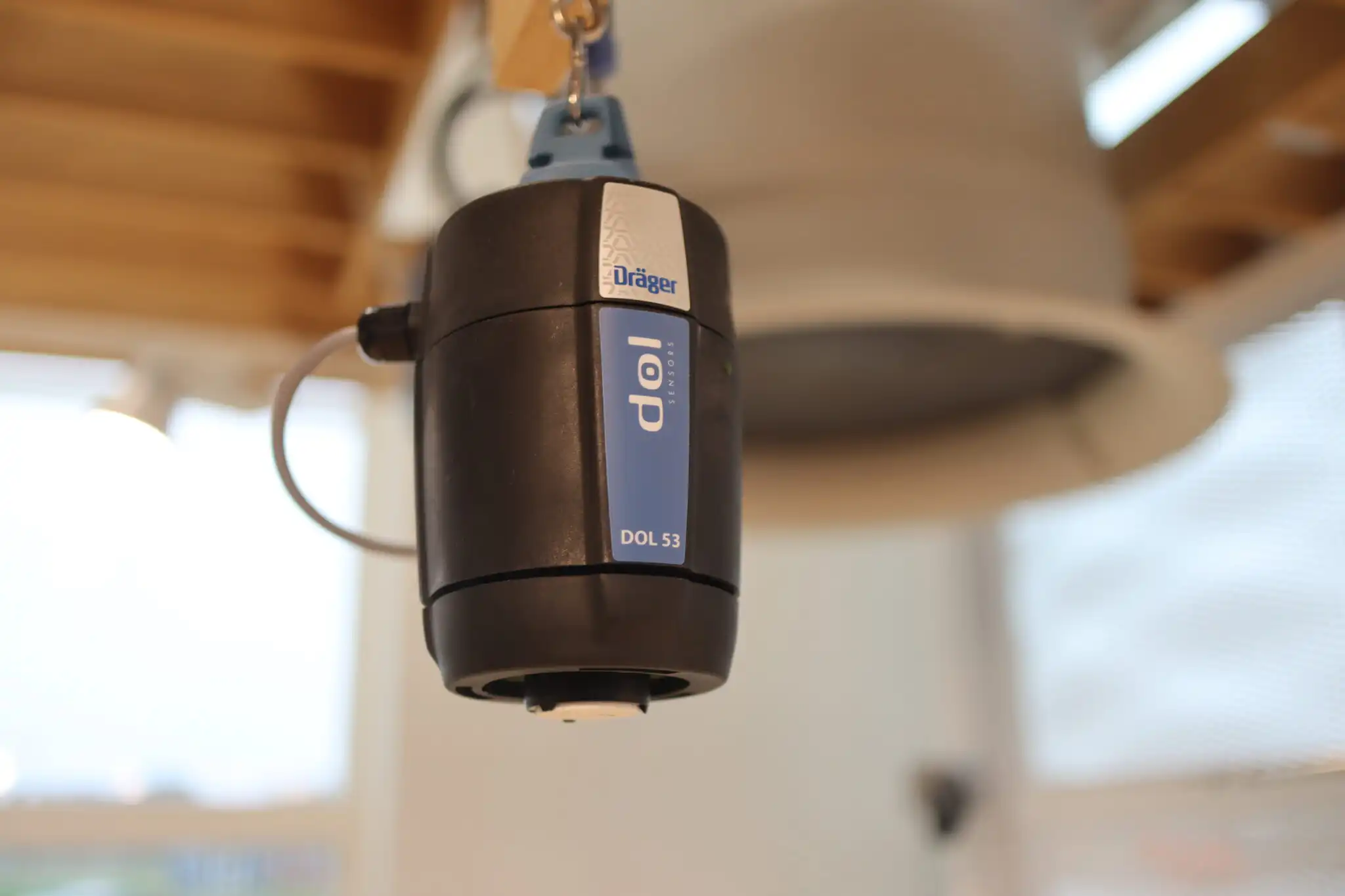
Compare Data From Multiple Farms
Learn how continuous monitoring helps producers identify developing production challenges through changes in water consumption, growth performance and other key production indicators.

Optimizing Poultry Farm Performance through Data-Driven Insights

In the era of precision agriculture, data has become a cornerstone in managing poultry farms efficiently. With advanced sensors and farm controllers, today’s poultry experts can gather a wealth of information, offering unprecedented insights into daily operations.

Data Collection

Key to any data-driven approach is the collection of relevant data. In poultry farming, this includes environmental parameters like temperature, humidity, ammonia level, CO2 level, feed and water consumption, bird weight, and health indicators. Modern farms employ an array of sensors connected to farm controllers, ensuring real-time data acquisition. This data forms the basis of all subsequent analysis and decision-making processes.

Selected Sensors

Documents

English
Leaflet
Onepager DOL 53 Ammonia sensor
English
Leaflet
Climate Brochure
English
Leaflet
DOL 104 Humidity Sensor_Onepager
English
Leaflet
DOL 114 Humidity and Temperature Sensor_Onepager
English
Leaflet
DOL 139 Humidity, Temperature and CO2 Sensor
English
Leaflet
DOL 51 Ammonia Sensor for Air Cleaning_Onepager
English
Leaflet
DOL 16 Light Sensor_Onepager
English
Leaflet
Corporate Brochure Poultry

Join our newsletter

Stay ahead in livestock production.

Join our newsletter and get industry insights, expert perspectives, and practical strategies for optimizing performance and efficiency.