
How To Find a Sensor for OEM Needs

Selecting the right sensor partner is an important part of developing reliable farm equipment. Whether you manufacture feeding systems, climate controllers, ventilation solutions, or other agricultural technology, the right sensor can improve performance, simplify integration, and support long-term product reliability.

Working with an experienced sensor manufacturer can also provide access to customization options, testing support, and technical expertise throughout the development process.

How to Find a Sensor Manufacturer for Custom OEM Needs

When evaluating sensor suppliers, look beyond the sensor specifications alone. A strong OEM partner should be able to support your product throughout its lifecycle, from initial development to large-scale production.

Key factors to consider include:

  • Industry experience and application knowledge
  • Customization capabilities
  • Product quality and reliability
  • Technical support and documentation
  • Long-term supply stability
  • Global service and support

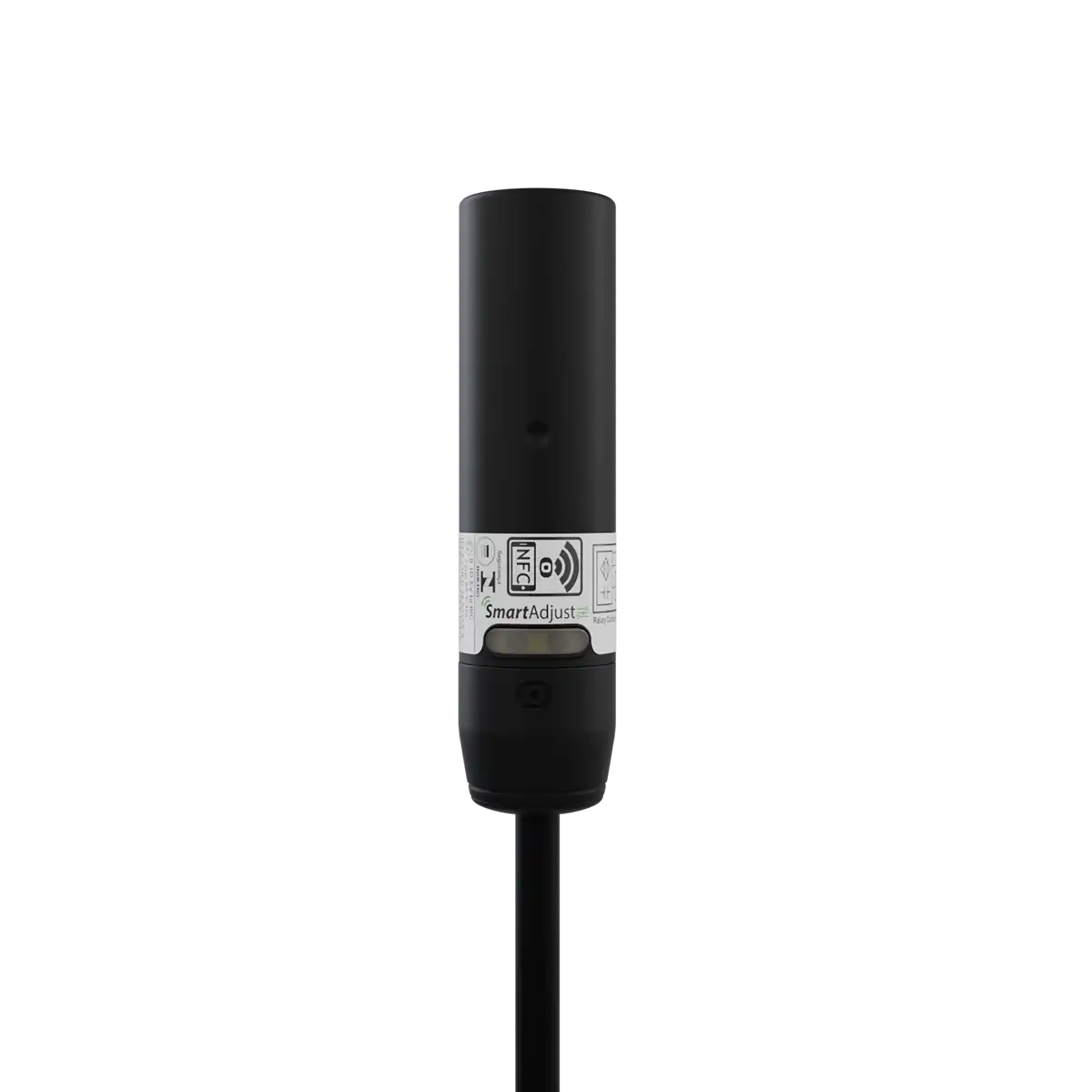
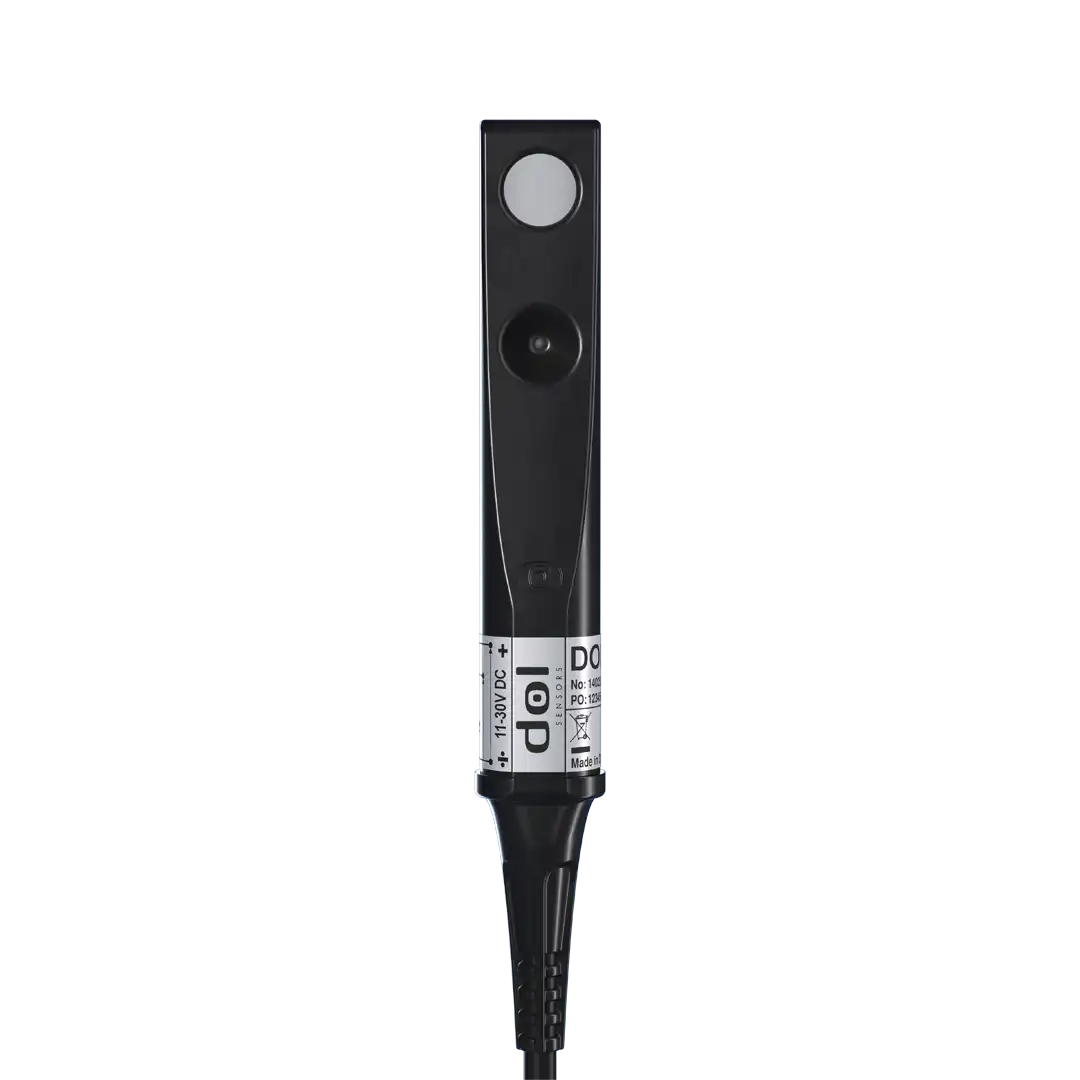
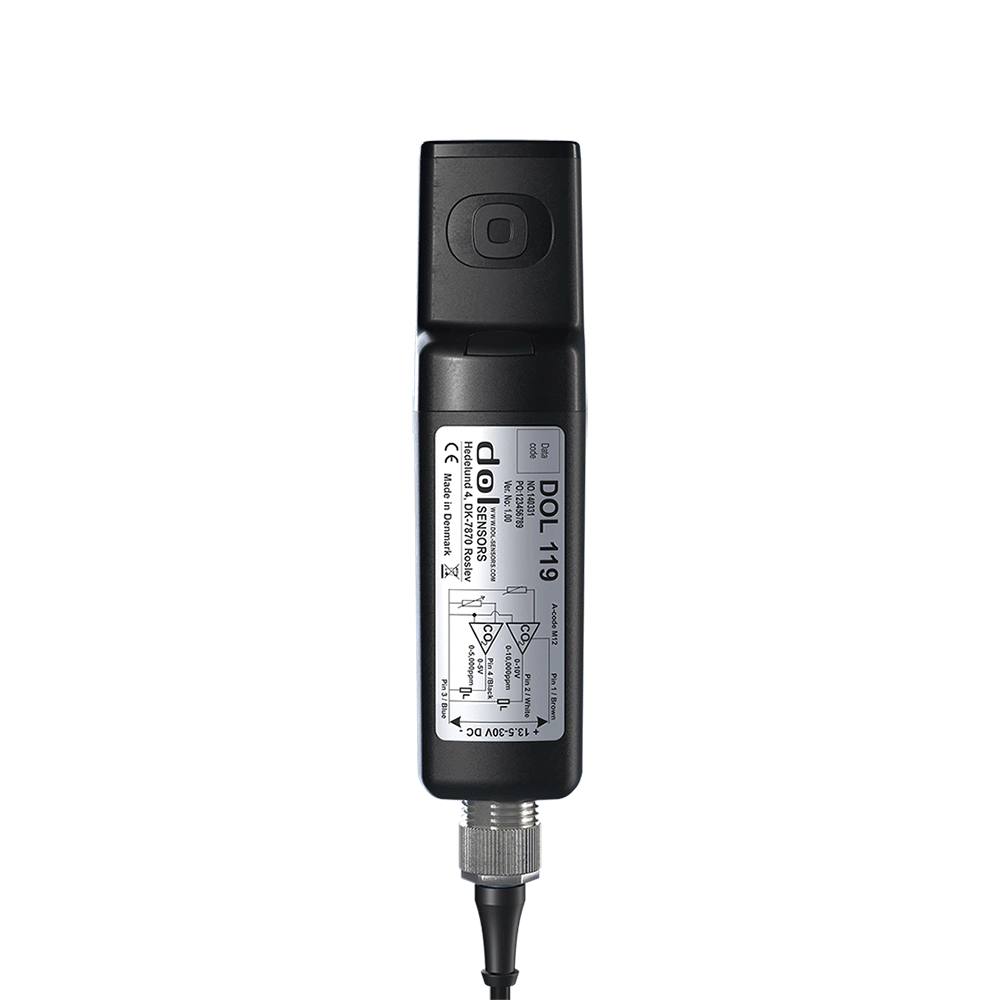
Manufacturers with experience in agriculture and livestock production often have a deeper understanding of the environmental challenges OEM equipment faces, including dust, humidity, and temperature fluctuations. For example, sensors such as the DOL 44, iDOL 46 Capacitive Sensor, DOL 114 Humidity and Temperature Sensor, and DOL 119 CO2 Sensor have been developed specifically for demanding agricultural environments and can serve as the basis for OEM integrations and customized solutions.

Why Sensor Reliability Matters in Harsh Environments
Discover how robust sensor design improves reliability and performance in demanding agricultural applications.

How to Request Samples for OEM Sensor Testing

Testing sensor samples before integration is an important step in the development process. It allows OEMs to evaluate performance under real operating conditions and verify compatibility with controllers, software, and mechanical designs.

When requesting samples, it is helpful to provide:

  • A description of the application
  • Operating conditions
  • Installation requirements
  • Electrical interface specifications
  • Expected production volumes

Early testing helps identify potential integration challenges and reduces development risks before final product launch.

What Questions to Ask a Sensor Supplier Before Ordering?

Before selecting a supplier, consider asking:

  • Is the sensor suitable for my application and environment?
  • Can the sensor be customized for specific requirements?
  • What testing and quality procedures are used?
  • What certifications are available?
  • What technical support is provided during development?
  • What are the lead times for samples and production orders?

These questions help ensure the chosen solution meets both current and future requirements.

Partner with the Right Sensor Manufacturer

Finding the right sensor manufacturer is about more than purchasing components. A trusted OEM partner can help simplify development, improve product performance, and provide the expertise needed to bring reliable solutions to market.
Contact our sales professionals

How Continuous Monitoring Enables Earlier Detection of Production Problems
Learn how continuous monitoring helps producers identify developing production challenges through changes in water consumption, growth performance and other key production indicators.

Production problems rarely appear overnight.

Whether the outcome is declining growth, reduced performance or increasing mortality, production losses are often the result of small changes that began much earlier.

Animals continuously respond to changes in their environment by drinking, eating, growing and behaving differently.

The challenge is recognising these changes before they begin affecting production performance.

As livestock production becomes larger and more complex, many producers are looking for better ways to identify developing challenges earlier.

Continuous monitoring helps improve visibility into these early changes by providing ongoing insight into production conditions throughout the day.

Why Production Problems Are Often Difficult To Detect

Many factors can influence production performance.

Examples include:

  • Changes in water consumption
  • Reduced growth rates
  • Environmental stress
  • Ventilation issues
  • Emerging health challenges

Initially, these changes may be small and difficult to observe.

When production teams manage multiple barns or large numbers of animals, subtle deviations can easily go unnoticed until performance has already been affected.

Continuous monitoring is valuable because it reveals trends that are difficult to identify through routine inspections alone.

Why Are Small Production Changes So Important?

Learn how early production changes can provide valuable insight before performance begins to decline.

→ Read: How to Detect Health Problems Earlier in Pig Production and How to Detect Health Problems Earlier in Poultry Production

Maximizing Barn Efficiency Through Better Climate Control and Monitoring
Learn how continuous monitoring helps producers identify developing production challenges through changes in water consumption, growth performance and other key production indicators.

Efficient poultry production depends on more than good genetics and nutrition - barn climate plays a central role in bird comfort, performance, and energy use. Heating and ventilation systems are among the most energy-intensive components of a poultry house. Improving how barns manage air, heat, and pressure can significantly reduce waste while supporting stronger flock results.

A Well-Sealed Barn Protects Both Energy and Performance

Air leaks are one of the biggest hidden sources of heat loss. When barns are poorly sealed, cold air enters uncontrolled, forcing heaters to work harder and disrupting airflow patterns.

  • A simple negative-pressure test helps identify leaks and weak points in the building envelope.
  • Proper sealing ensures that incoming air enters through the designed inlets, not cracks or gaps.
  • Controlled air entry improves mixing, reduces drafts at bird level, and stabilizes temperature.

A tight barn is the foundation for efficient ventilation - and for any climate strategy to work as intended.

Ventilation Efficiency Starts with Proper Airflow

Ventilation is essential for removing moisture, CO₂, and ammonia while supplying fresh oxygen. But airflow only works correctly when the barn is sealed and inlets are functioning as designed.

  • Infrared imaging shows how cold air should enter through ventilation inlets and warm gradually as it moves across the ceiling before descending into the bird area.
  • When airflow is correct, temperature distribution becomes more uniform. reducing cold spots and improving bird comfort.
  • Proper inlet management prevents heat loss, reduces humidity buildup, and supports a dry litter.

Sensors that track temperature, humidity, and air quality across different zones help producers verify that airflow is behaving as expected.

From Sensor Data to Smarter Farm Management
Learn how continuous monitoring helps producers identify developing production challenges through changes in water consumption, growth performance and other key production indicators.

Modern pig farms generate enormous amounts of data - but data alone doesn't create value. The real impact comes from integrating climate, feed, water, and weight data into one unified system.

What Integration Enables

Cross-parameter Insights

Correlating multiple data streams highlights trends that would remain hidden if viewed separately. For example, rising temperatures with declining feed intake can reveal early signs of heat stress before it comes visible in animal behavior.

Automated Reporting

Integrated data flows simplify documentation for audits, sustainability reporting, and compliance requirements - saving hours of manual work.

Predictive Analytics

Historical patterns support forecasting, allowing the system to alert before a potential issue escalates. This enables early interventions that protect both animal health and performance.

Benchmarking and Comparison

With all data in one place, farm managers can easily compare barns, batches, production cycles, or even farm locations. This visibility highlights improvement opportunities and supports more consistent results across operations.

Practical Examples

  • Detecting ventilation malfunction before pigs show symptoms of stress
  • Identifying feed system irregulates through water-feed correlation
  • Improving batch uniformity by adjusting climate based on growth data
  • Reducing labor time spent on manual checks
  • Identify issues in the barn online without being in the house

Selected Sensors

Documents

English
Leaflet
Capacitive Brochure

Join our newsletter

Stay ahead in livestock production.

Join our newsletter and get industry insights, expert perspectives, and practical strategies for optimizing performance and efficiency.