How to Protect Sensors from Electrical Noise on Farms
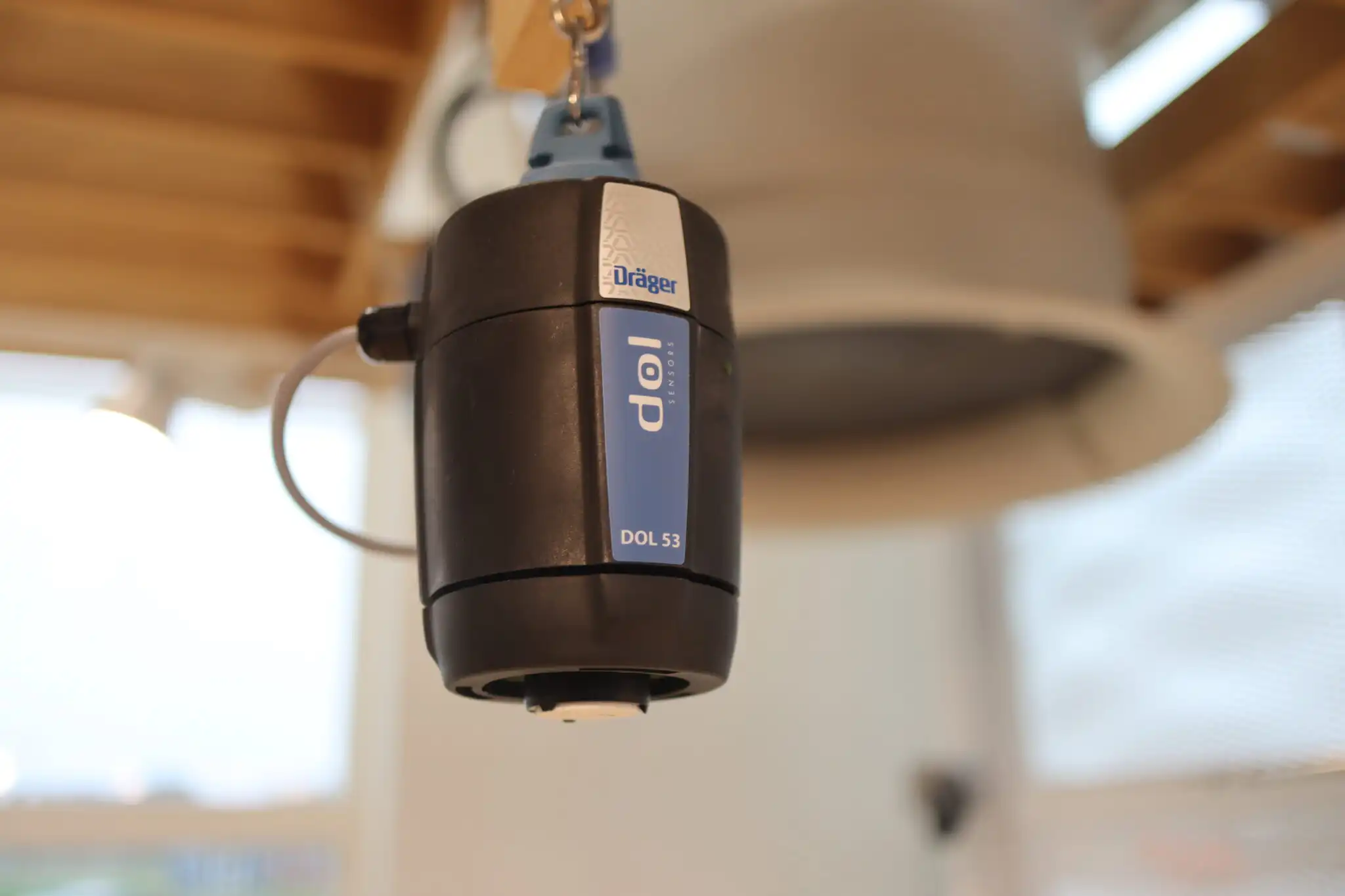
Modern farms contain numerous electrical systems, including ventilation fans, feeding equipment, motors, and controllers. These can generate electrical noise that may interfere with sensor signals.
To ensure stable operation, sensors should feature:
- High-quality electronics
- Shielded communication signals
- Robust EMC protection
- Reliable integration with farm controllers
Proper installation and wiring practices can further reduce interference and improve system reliability.
How to Reduce Service Visits Caused by Sensor Failures
Sensor failures often result in unnecessary troubleshooting and service costs. Choosing durable sensors designed specifically for agricultural environments can significantly reduce maintenance requirements.
Reliable sensors help:
- Minimize unexpected downtime
- Reduce replacement frequency
- Lower maintenance costs
- Improve operational efficiency
- Extend system lifetime
How to Evaluate Sensor Reliability Before Buying
When comparing sensors, it's important to look beyond the initial purchase price.
Consider factors such as:
- Proven use in agricultural applications
- Resistance to dust, moisture, and ammonia
- Product lifespan
- Maintenance requirements
- Environmental testing and certifications
- Manufacturer experience and support
A sensor that performs reliably for years often delivers more value than a lower-cost alternative that requires frequent replacement.
Are Robust Sensors Worth the Higher Cost for OEMs?
Although robust sensors may have a higher upfront cost, they often provide significant long-term savings. Fewer failures mean lower warranty costs, reduced service requirements, and greater customer satisfaction.
For OEMs supplying solutions to livestock producers, sensor reliability can be a key differentiator that improves system performance and strengthens customer relationships.
Built for Harsh Agricultural Conditions
Agricultural environments demand more from sensors than most industrial applications. Choosing sensors specifically engineered to withstand dust, ammonia, moisture, and electrical interference can improve reliability, reduce maintenance, and support long-term performance in livestock production.