Humidity Control in Greenhouses: Finding the Perfect Balance

Humidity is one of the most influential environmental factors in greenhouse cultivation. It affects plant transpiration, nutrient uptake, growth rates, and disease risk. Yet despite its importance, humidity can also be one of the most challenging climate variables to control.

Achieving the right balance requires accurate monitoring, responsive climate strategies, and reliable sensor technology.

Why Humidity Matters

Plants constantly exchange moisture with the surrounding environment through transpiration. This process plays an essential role in nutrient transport, cooling, and overall plant health.

When humidity levels become too high, transpiration slows and moisture can accumulate on plant surfaces. When humidity becomes too low, plants may lose water too quickly, causing stress and reducing growth efficiency.

Both extremes can negatively impact crop performance.

Risks Associated with High Humidity

Excessive humidity creates favorable conditions for many greenhouse diseases.

Extended periods of elevated humidity can lead to:

  • Increased risk of fungal infections
  • Condensation on leaves and greenhouse surfaces
  • Reduced transpiration
  • Slower crop development
  • Greater disease pressure

Early detection is essential for preventing these issues from spreading throughout the growing environment.

What Are Humidity Sensors Used For?
Humidity sensors are used in a variety of applications, from measuring the moisture content in soil to monitoring the humidity levels in buildings.

Integrated Climate Management

Humidity is closely connected to temperature, ventilation, and CO₂ management. Successful growers increasingly rely on integrated monitoring systems that provide a comprehensive overview of the greenhouse environment.

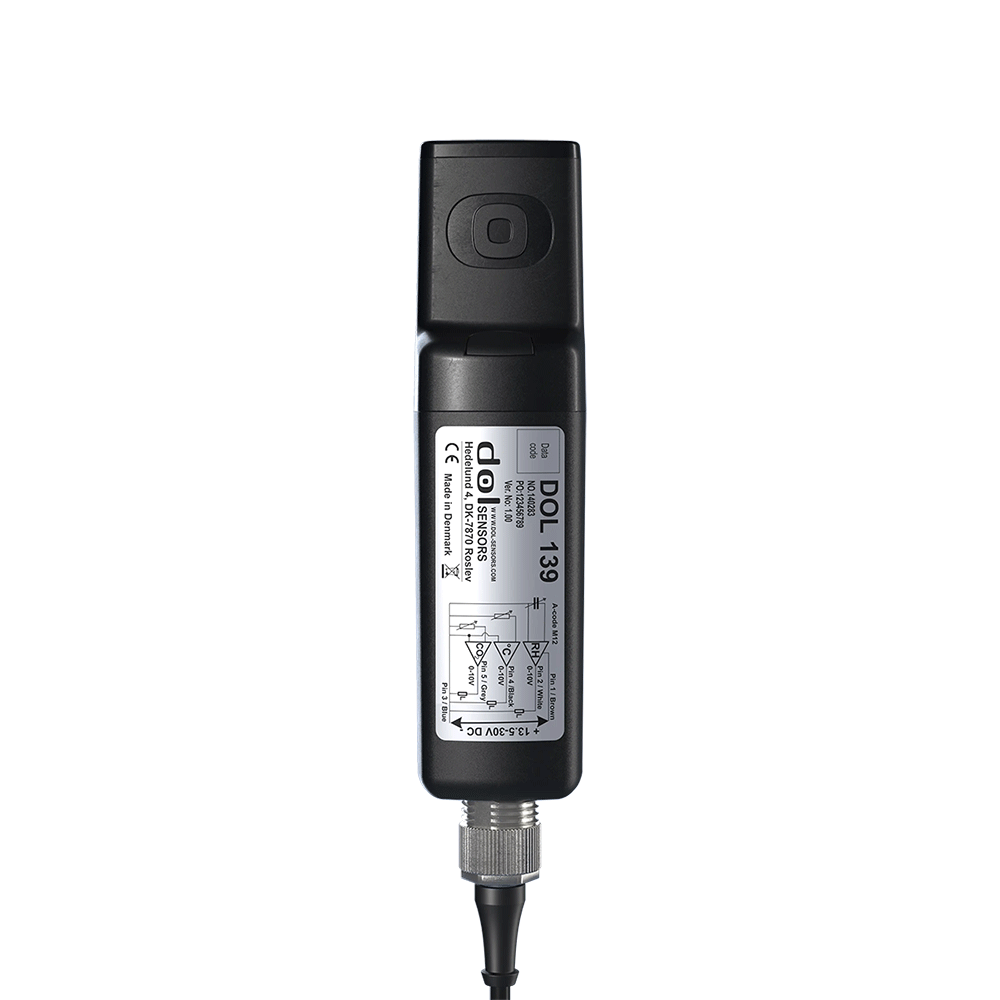
The DOL 139 Sensor combines humidity, temperature, and CO₂ monitoring into a single solution, helping climate control systems maintain balanced environmental conditions throughout the cultivation cycle.

By analyzing multiple climate parameters together, growers can optimize ventilation strategies, improve air circulation, and create healthier growing conditions for their crops.

Read: Sensors In Vertical Farming

Better Climate Control, Better Crops

Effective humidity management is about more than preventing problems. It is about creating an environment where plants can consistently perform at their best.

With accurate climate monitoring and reliable sensor technology, growers gain the insights needed to maintain optimal conditions, improve crop quality, reduce disease risks, and support more efficient greenhouse production.

The result is a healthier crop, a more predictable harvest, and a stronger foundation for long-term success.

Humidity Sensors
Learn how continuous monitoring helps producers identify developing production challenges through changes in water consumption, growth performance and other key production indicators.

Humidity is an important factor for animal welfare and agricultural production. It refers to the amount of moisture or water vapor in the air. In livestock buildings, humidity must be carefully monitored and maintained within a specific range to ensure animal health and well-being. A humidity sensor is an electronic device that measures and reports the relative humidity (RH) level in an environment.

dol-sensors is a leading manufacturer of humidity sensors specially designed for the harsh conditions found in livestock houses. Our sensors are known for their accuracy, reliability, and durability.

Three Types of Humidity Sensors

We have innovated, designed, and manufactured the following three types of humidity sensors:

1. DOL 104 Humidity Sensor

The DOL 104 Humidity Sensor is a single-point sensor that measures relative humidity levels. It is easy to install and requires minimal maintenance. The DOL 104 Humidity Sensor is also compatible with most farm controllers.

2. DOL 114 Humidity and Temperature Sensor

The DOL 114 Humidity and Temperature Sensor is a dual-point sensor that measures both relative humidity and temperature. This sensor is ideal for applications where both humidity and temperature levels need to be monitored. The DOL 114 is easy to install and requires minimal maintenance.

3. DOL 139 Humidity, Temperature, and Carbon Dioxide Sensor

The DOL 139 Humidity, Temperature, and CO₂ Sensor is a three-point sensor that measures relative humidity, temperature, and carbon dioxide (CO₂) levels. This sensor is ideal for applications requiring indoor air quality monitoring, such as livestock houses, greenhouses, and other industrial environments.

Why Good Barn Air Matters More Than Ever
Learn how continuous monitoring helps producers identify developing production challenges through changes in water consumption, growth performance and other key production indicators.

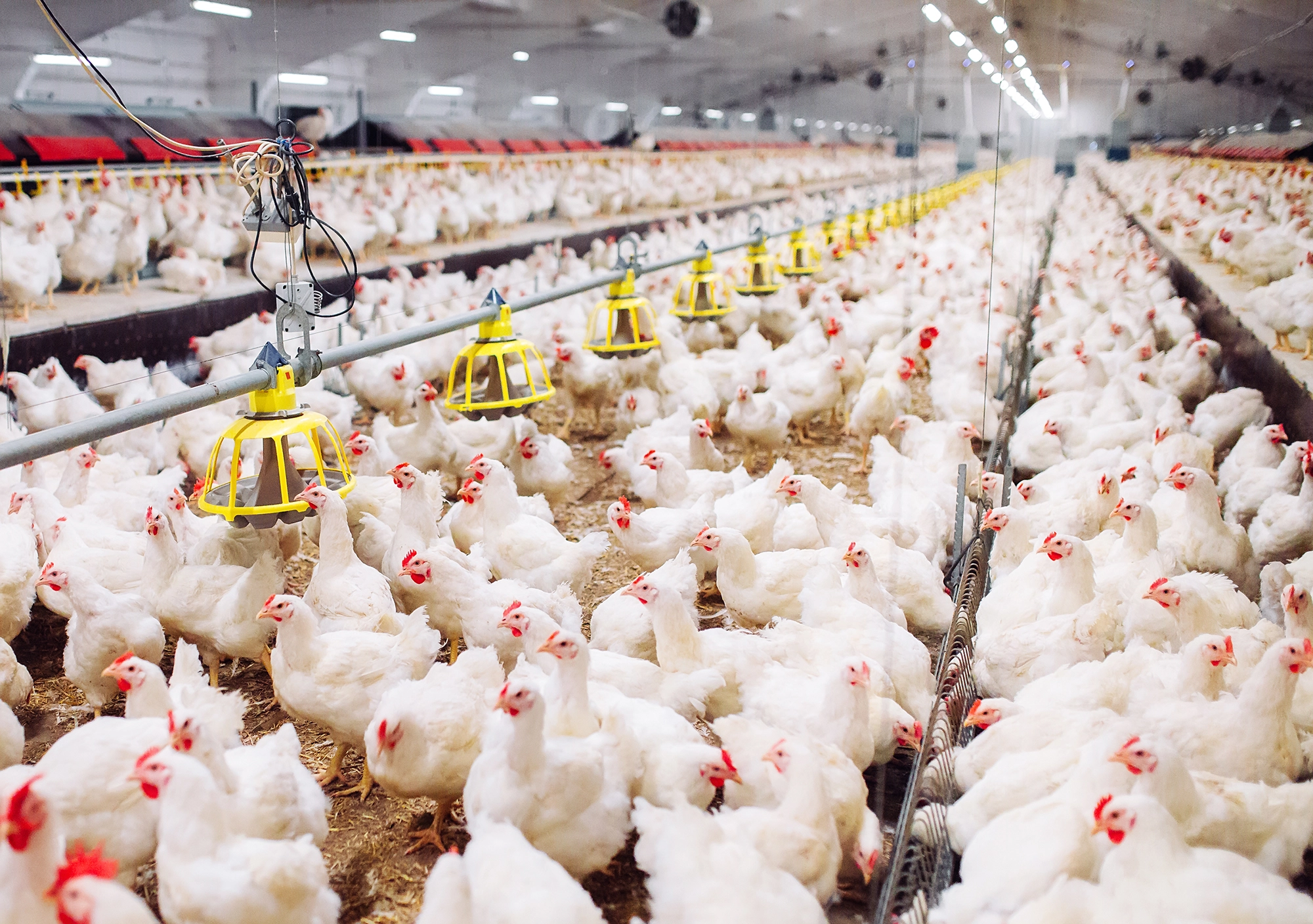
Air quality has always shaped poultry, but today it plays an even bigger role in flock performance, welfare, and overall farm efficiency. As production becomes more intensive and expectations for animal well-being rise, maintaining good barn air is no longer just a management task - it's a strategic advantage.

The Hidden Impact of Air

Poultry barns naturally generate dust, moisture, and gases like ammonia and CO₂. When ventilation or climate control slips, these elements build up quickly and begin to affect the birds long before visible symptoms appear.

Poor air quality can lead to:

  • Slower growth and reduced feed efficiency
  • Higher susceptibility to respiratory infections
  • Increased stress and uneven flock behavior
  • Wet litter and higher ammonia levels
  • Greater need for interventions and treatments

Even small deviations in air quality can quietly erode performance across an entire flock.

Why Air Quality Matters More Today

Modern poultry production demands tighter environmental control than ever, and that makes good barn air a crucial part of flock management. Higher stocking densities generate more heat, moisture, and gases in the same space, while today's fast-growing genetics leave birds more sensitive to even small environmental stressors. Welfare expectations call for stable and predictable conditions throughout the entire production cycle, and economic pressure means every point of feed conversion and every ounce of weight gain matters. Air quality isn't just a comfort factor - it has become a core driver of both flock welfare and overall profitability.

Agricultural CO2 Sensors
Learn how continuous monitoring helps producers identify developing production challenges through changes in water consumption, growth performance and other key production indicators.

Understanding Agricultural CO2 Sensors

Agricultural CO2 sensors are pivotal tools in the realm of modern farming. These devices measure the concentration of carbon dioxide in the atmosphere, providing invaluable data for farmers and farm managers.

Plants absorb carbon dioxide during photosynthesis, a process that fuels their growth. Monitoring CO2 levels in a closed environment such as a greenhouse ensures that crops have an optimal environment to thrive, leading to better yields and healthier produce.

For animals, it is extremely important to maintain a low CO2 level in the atmosphere inside the livestock house. Animals are dependent on oxygen and carbon dioxide in high concentrations can give them difficulty breathing, descrease production and even raise mortality.

The Evolution of CO2 Monitoring in Agriculture

The journey of CO2 monitoring in agriculture is a testament to human ingenuity. In the early days, farmers relied on rudimentary methods and intuition to gauge the health of their crops and livestock. However, as technology advanced, so did the methods of monitoring. The introduction of CO2 sensors revolutionized farming, allowing for precision agriculture. These advancements meant that farmers could now get real-time data, leading to more informed decisions and improved crop yields and production outcomes.

Installing and Maintaining Your Agricultural CO2 Sensors

Proper installation and maintenance of agricultural CO2 sensors are crucial for accurate readings.

How to install your sensor depends on the sensors, but normally the sensor needs to be placed away from direct sunlight or any artificial light sources. Ensure the area around the sensor is well-ventilated to avoid skewed readings.

Maintaining your CO2 sensor also depends on which sensor you choose, but most sensors will need calibration and cleaning from dust and debris once in a while.

Interpreting Data and Making Informed Decisions

Data from CO2 sensors can be a treasure trove of insights, but understanding and interpreting this data correctly is paramount for its effective utilization.

To see the data from your CO2 sensor you will most likely have to connect it to some kind of controller. In livestock production the CO2 sensors are connected to a farm controller that show the farm manager updated and historical data from the sensor.


Selected Sensors

Documents

English
Leaflet
DOL 139 Humidity, Temperature and CO2 Sensor
English
Technical Information
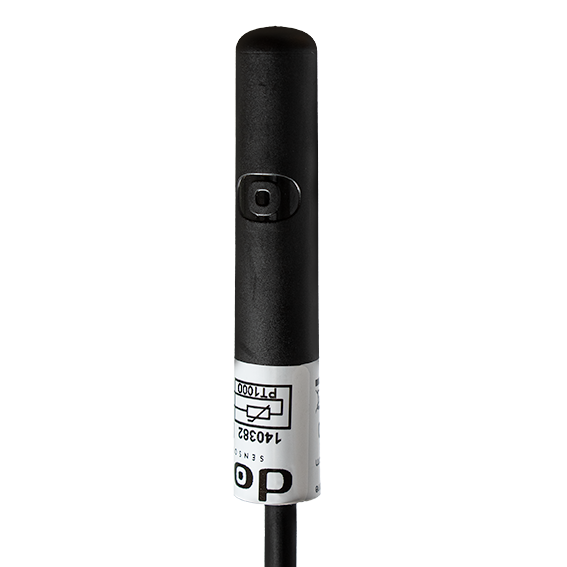
DOL 112-PT100_PT1000 2-wire Technical Information_EN
English
Leaflet
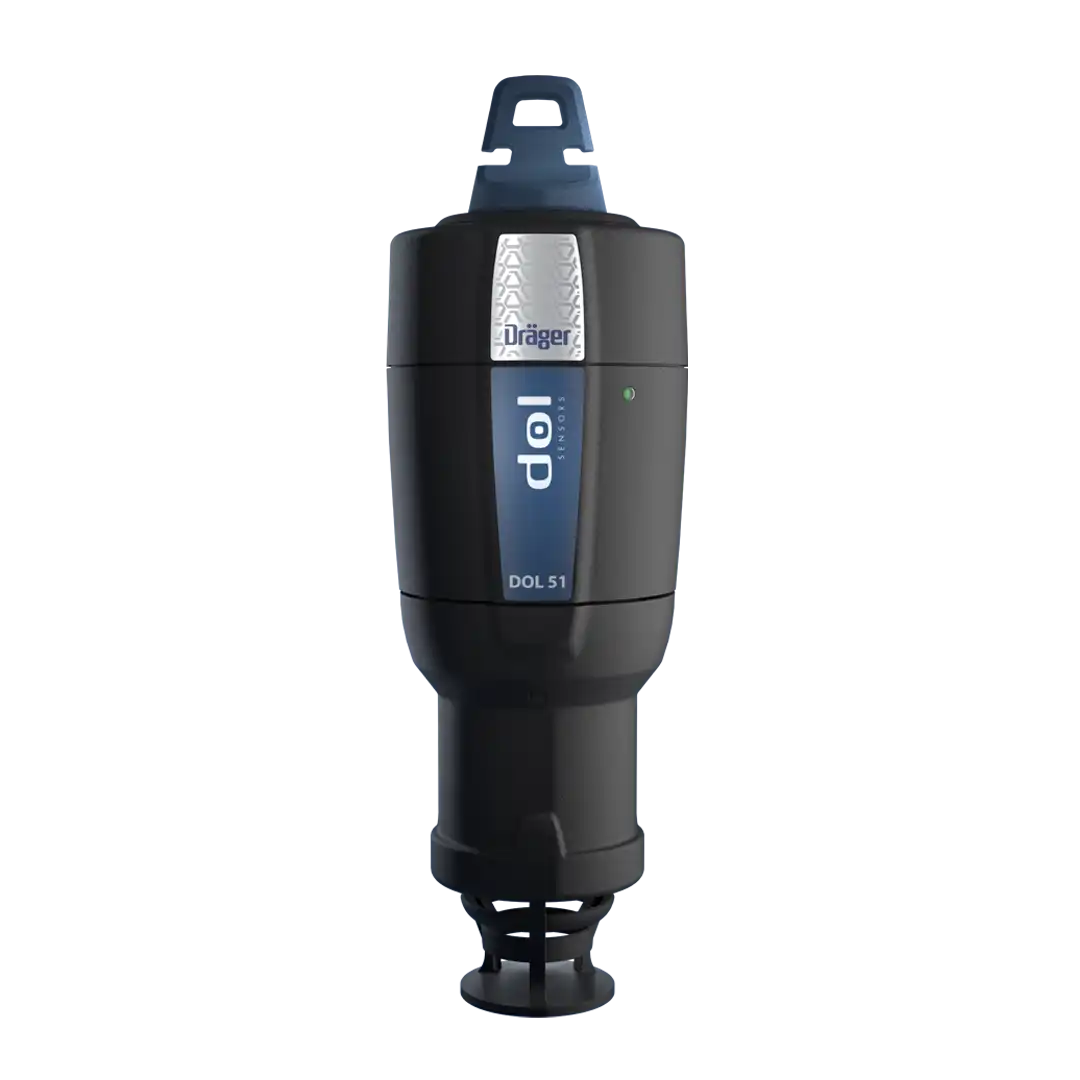
DOL 51 Ammonia Sensor for Air Cleaning_Onepager
English
Leaflet
Climate brochure Horticulture

Join our newsletter

Stay ahead in livestock production.

Join our newsletter and get industry insights, expert perspectives, and practical strategies for optimizing performance and efficiency.