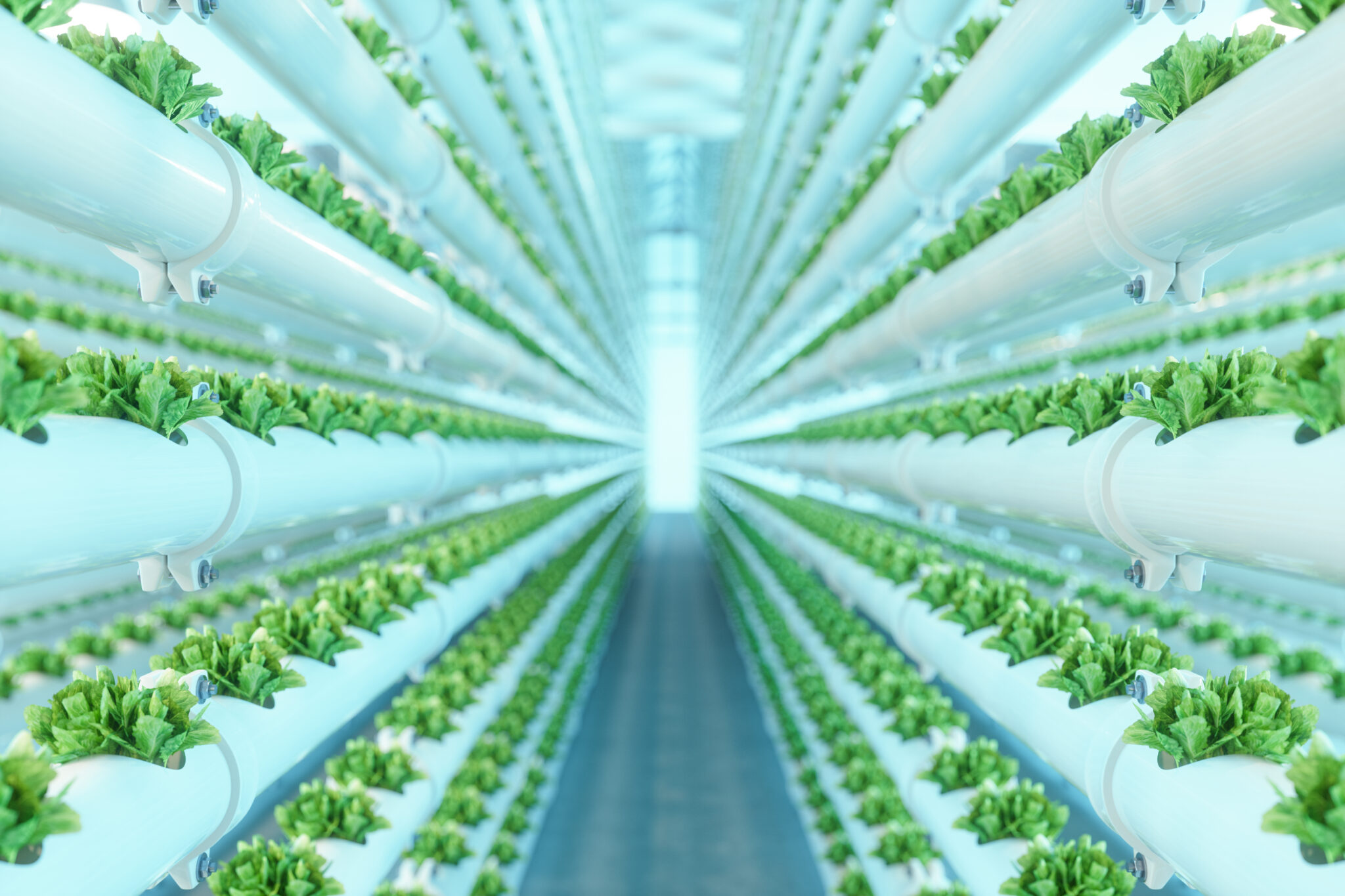
Vertical farming is a method of growing plants in vertically stacked layers, often using hydroponics or other soil-less growing methods.
This type of farming is an innovative approach to growing crops in a controlled environment and has many benefits, including the ability to grow crops year-round, increased crop yields, and reduced water and pesticide use. However, one of the challenges of vertical farming is the need to carefully control the growing environment in order to optimize plant growth.
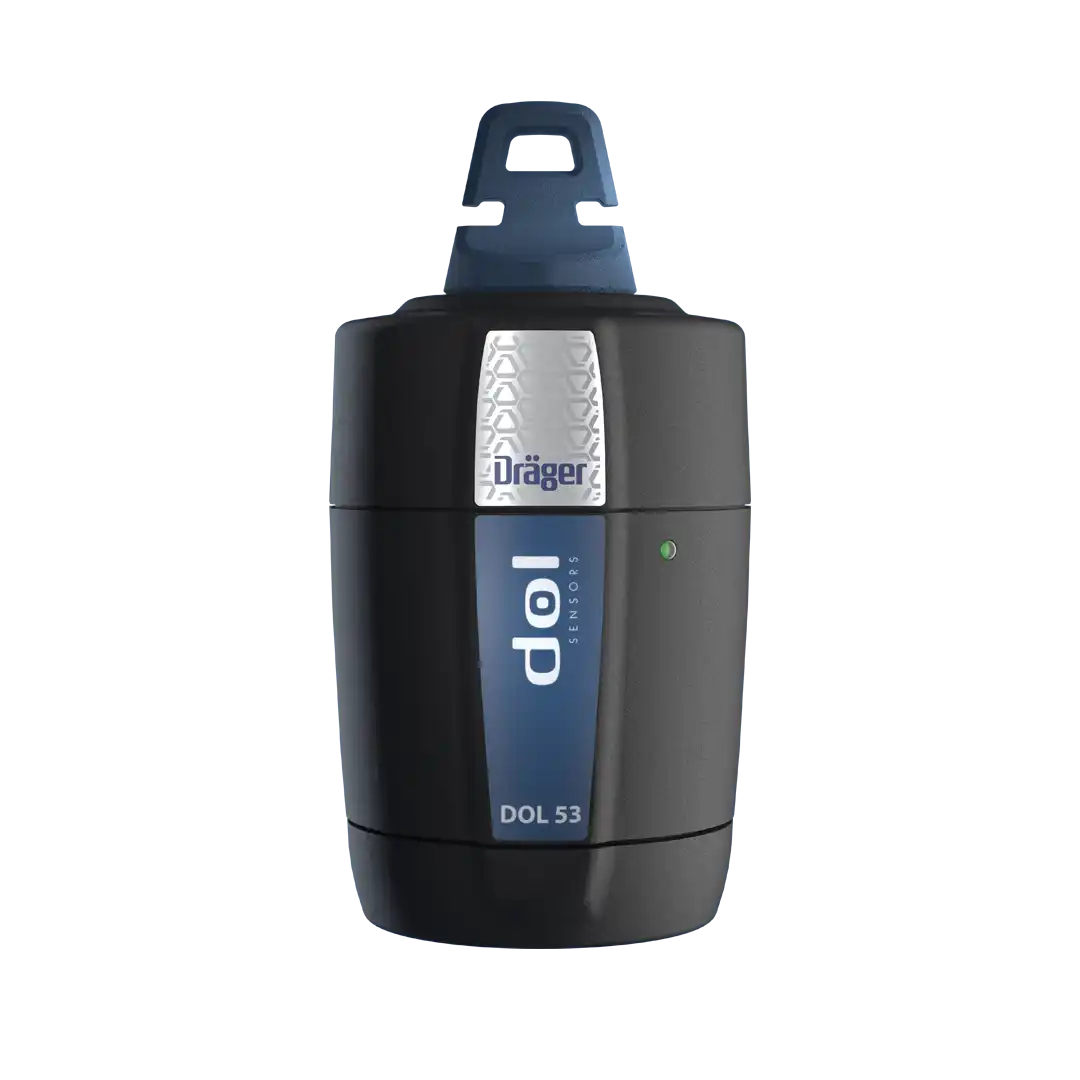
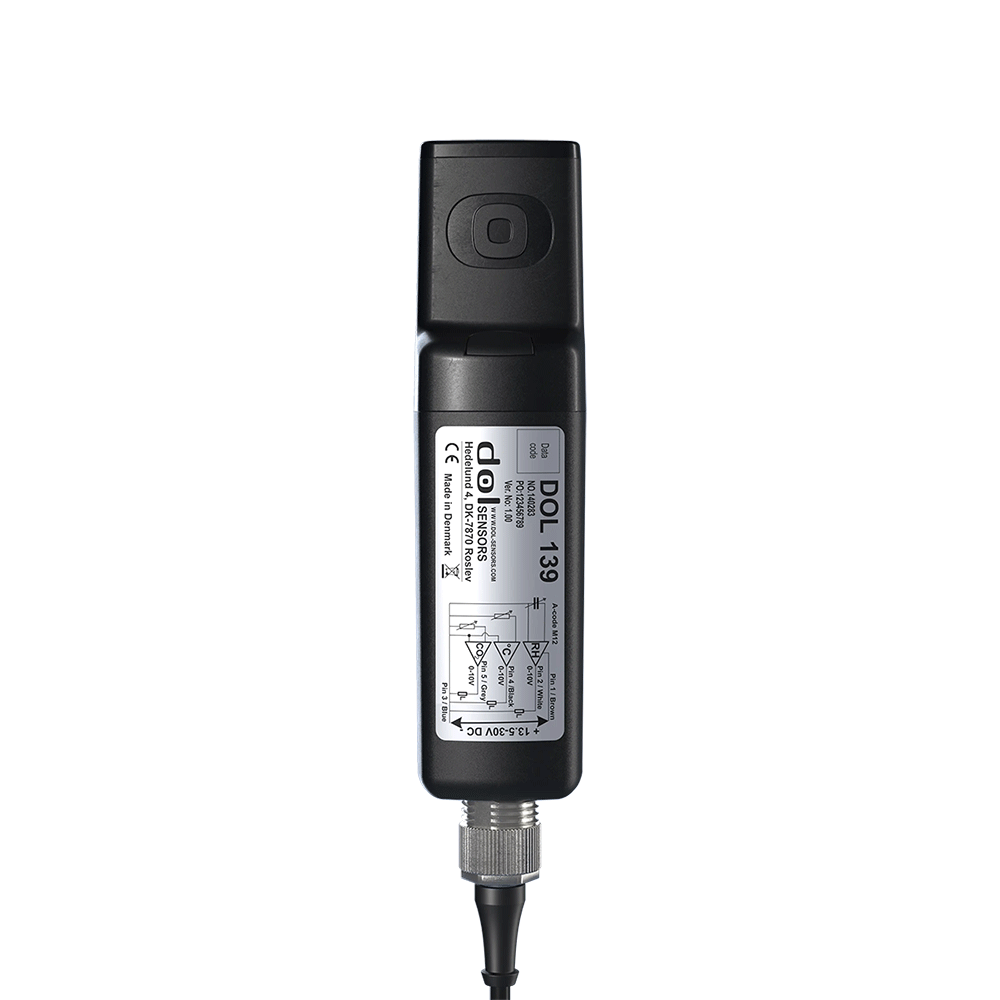
Sensors play a crucial role in maintaining the optimal growing environment in vertical farms. These sensors can measure a variety of factors, including temperature, humidity, light intensity, and soil moisture. By constantly monitoring these factors, farmers can make adjustments to the growing environment as needed to ensure that plants receive the optimal conditions for growth.
Factors to Monitor in Vertical Farming
One example of a sensor that is commonly used in vertical farming is a temperature sensor. Temperature is an important factor in plant growth, and plants have specific temperature requirements depending on the species. By using a temperature sensor, farmers can ensure that the growing environment is at the optimal temperature for the plants they are cultivating.
Another important sensor in vertical farming is a humidity sensor. A proper moisture level in the air is crucial for plant growth, as it affects the rate of transpiration, which is the process through which plants take in water and nutrients. By using a humidity sensor, farmers can monitor the humidity levels in the growing environment and make adjustments as needed to ensure the overall health of the plants.
CO2 sensors can help maintaining proper levels of carbon dioxide in the growing environment. Carbon dioxide (CO2) is an important factor in the growth and development of plants, as it is one of the primary sources of carbon that plants use to produce glucose through photosynthesis. In vertical farming operations, maintaining the proper levels of CO2 can help to optimize the growing conditions for the plants and increase crop yields. In some vertical farms, CO2 also serves as a pest control tool.
Light intensity sensors are also commonly used in vertical farming. Light is an essential factor in plant growth, and different plants have different light requirements. By using a light intensity sensor, farmers can ensure that plants are receiving the right amount of light for optimal growth.
Soil moisture sensors are another type of sensor that is commonly used in vertical farming. These sensors measure the moisture content of the soil and help farmers to ensure that plants are receiving the proper amount of water. This is especially important in a controlled environment where the amount of water that plants receive is carefully regulated.
Proper Lighting is Essential
Discover how lighting sensors help maintain ideal growing conditions and support efficient, data-driven vertical farming.