Applications of Humidity Sensors
Humidity sensors are used in a variety of applications, including:
- HVAC Systems:
Humidity sensors are used in heating, ventilation, and air conditioning (HVAC) systems to maintain optimal humidity levels in buildings. High humidity levels can lead to the growth of mold and mildew, which can cause health problems. Low humidity levels can cause dry skin, respiratory problems, and damage to wooden furniture.
- Industrial Processes:
Humidity sensors are used in industrial processes to monitor the moisture levels in materials. High moisture levels can cause corrosion and spoilage of materials, while low moisture levels can cause cracking and brittleness.
- Agriculture:
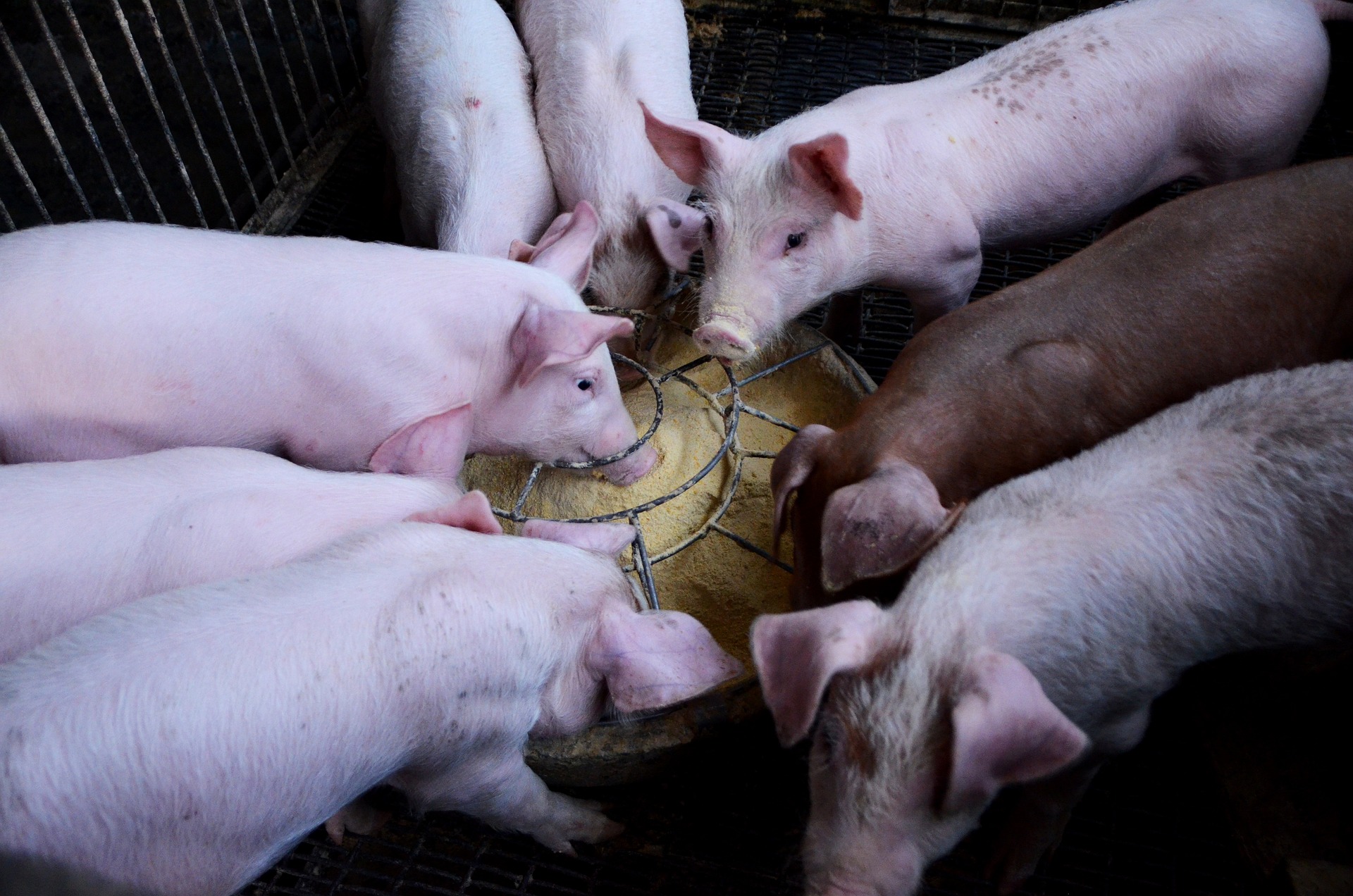
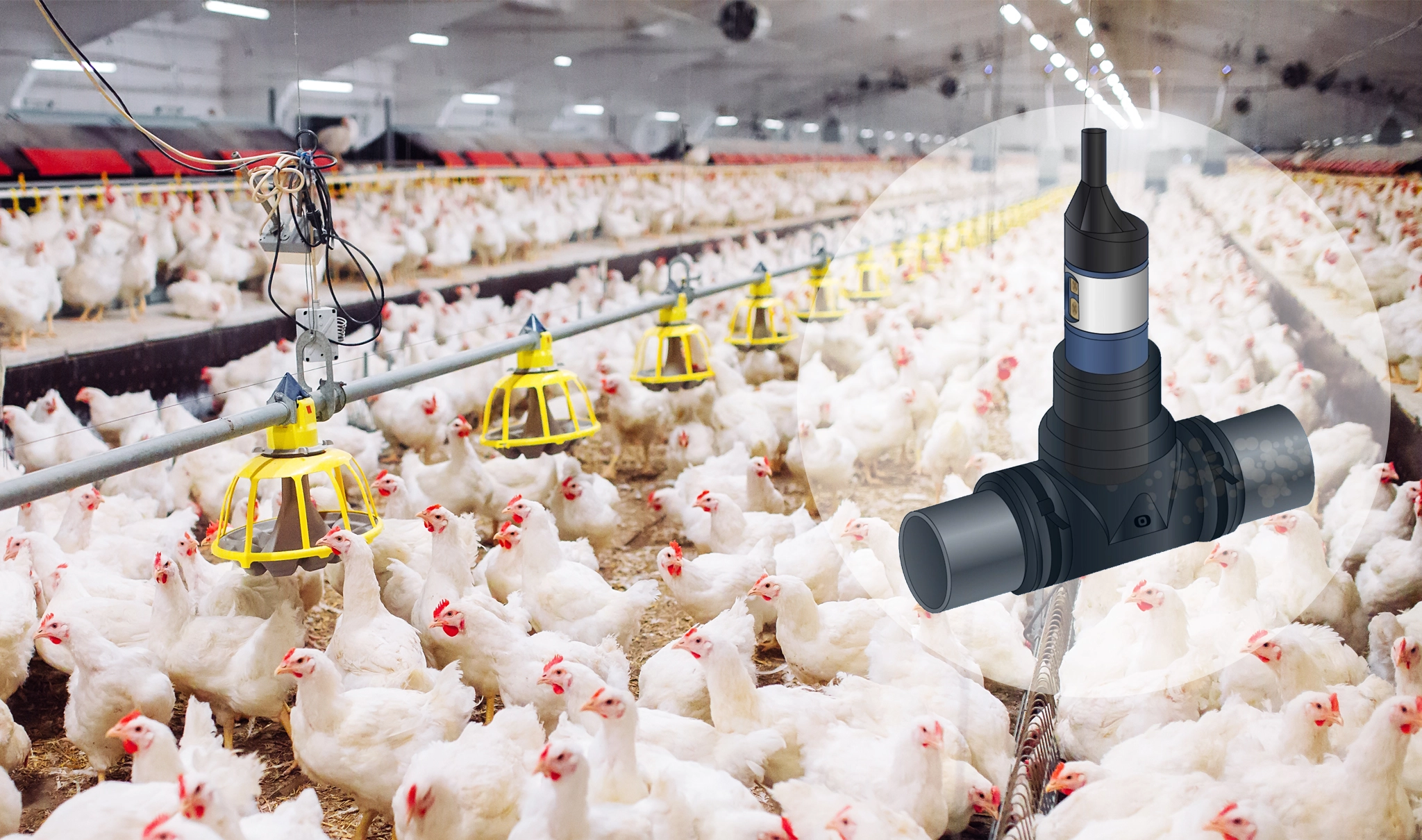
Humidity sensors are used in agriculture to monitor the moisture levels in soil or in the air in the livestock house. This information is used to determine when to water crops and how much water to apply and to control the ventilation system in the house.
- Medical Devices:
Humidity sensors are used in medical devices such as ventilators and oxygen concentrators to monitor the humidity levels in the air being supplied to patients. Maintaining the proper humidity level is critical for patients with respiratory problems.
- Consumer Electronics:
Humidity sensors are used in consumer electronics such as smartphones, wearables, and smart home devices. These sensors are used to provide information about the environment and to adjust the device’s performance based on the humidity level.