Why Data Is Becoming a Farmer's Best Friend

Data is rapidly becoming one of the most valuable tools in modern pig production. As herds grow and production systems become more complex, farmers need clearer insight into what's happening inside the barn, every hour, every day. Data provides that visibility, turning daily uncertainty into informed, confident decision-making.

How Data Helps Farmers Stay Ahead

  • Early detection of problems - Changes in temperature, humidity, ammonia, or the pigs' behavior show up in the data long before they become visible issues
  • More stable barn environments - Automated systems adjust ventilation and climate based on real-time measurements, keeping pigs comfortable and healthy
  • Better growth performance - When pigs live in consistent conditions, they eat better, grow faster, and experience fewer health challenges
  • Stronger documentation - Data supports audits, welfare requirements, and communication with veterinarians and advisors
Why Data Matters on Farms
Discover how data-driven insights help farmers improve animal welfare, performance, and daily decision-making.

Turning Information into Action

Sensors track key parameters like temperature, CO₂, humidity, and ammonia. This transforms the barn from a place that must be constantly checked into a system that reports how it’s performing. Farmers can see trends, compare batches, and understand which management strategies deliver the best results.

A More Confident Way to Farm

Data gives farm managers peace of mind. Even when they’re not in the barn, they know the environment is stable and pigs are thriving. It also helps them manage more pigs with fewer resources - an essential advantage as labor becomes harder to find.

Why Weighing of Pigs Matters

Regular weighing is one of the clearest examples of how data turns into practical value. Changes in weight gain patterns often reveal health issues, feed problems, or climate imbalances long before they become visible. With automated weighing systems, farm managers can track growth continuously, spot deviations early, and adjust feeding or management strategies with confidence.
Compare Data From Multiple Farms
Learn how continuous monitoring helps producers identify developing production challenges through changes in water consumption, growth performance and other key production indicators.

Optimizing Poultry Farm Performance through Data-Driven Insights

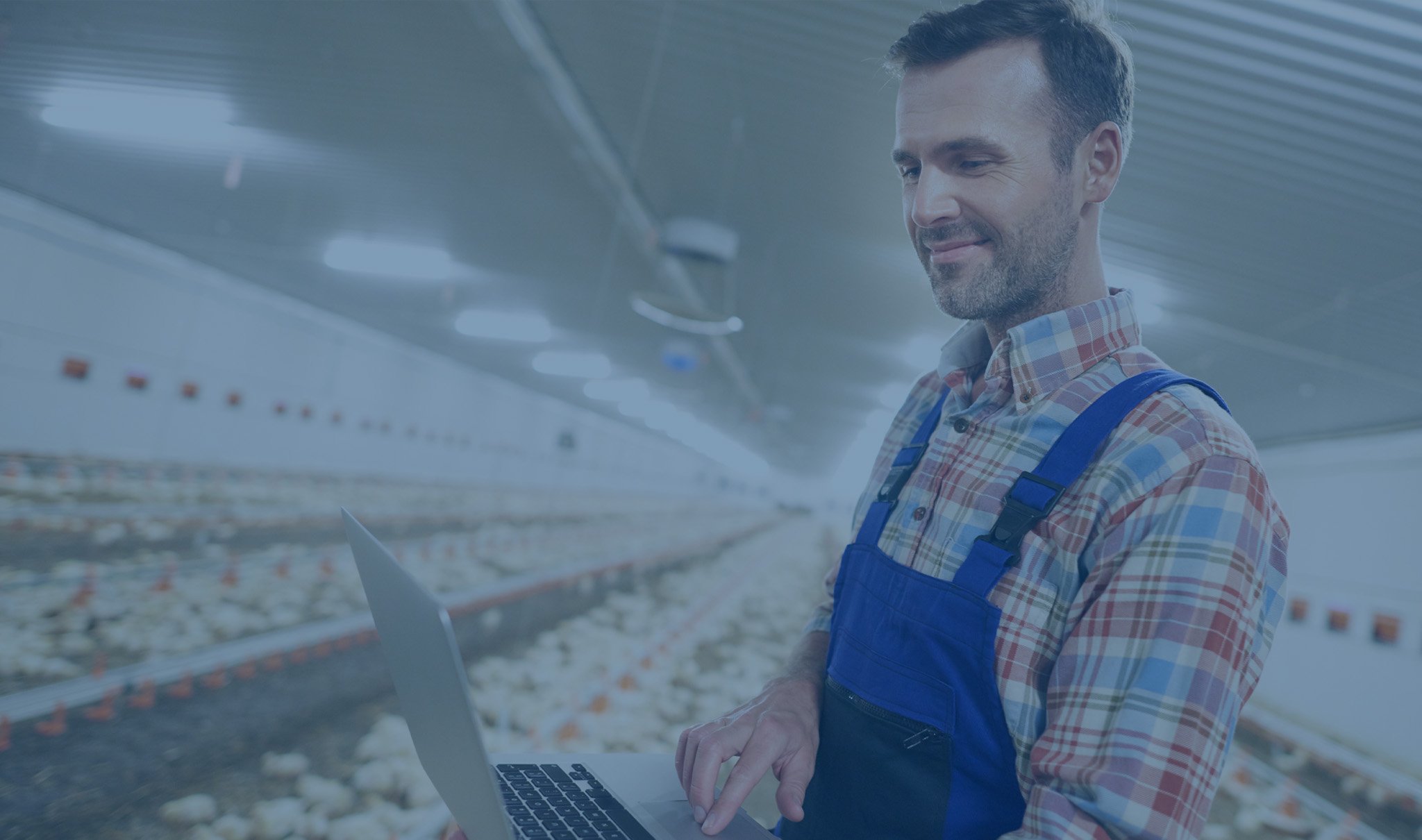
In the era of precision agriculture, data has become a cornerstone in managing poultry farms efficiently. With advanced sensors and farm controllers, today’s poultry experts can gather a wealth of information, offering unprecedented insights into daily operations.

Data Collection

Key to any data-driven approach is the collection of relevant data. In poultry farming, this includes environmental parameters like temperature, humidity, ammonia level, CO2 level, feed and water consumption, bird weight, and health indicators. Modern farms employ an array of sensors connected to farm controllers, ensuring real-time data acquisition. This data forms the basis of all subsequent analysis and decision-making processes.

Hardened Design For Agriculture
Learn how continuous monitoring helps producers identify developing production challenges through changes in water consumption, growth performance and other key production indicators.

Hardened Design for Agriculture

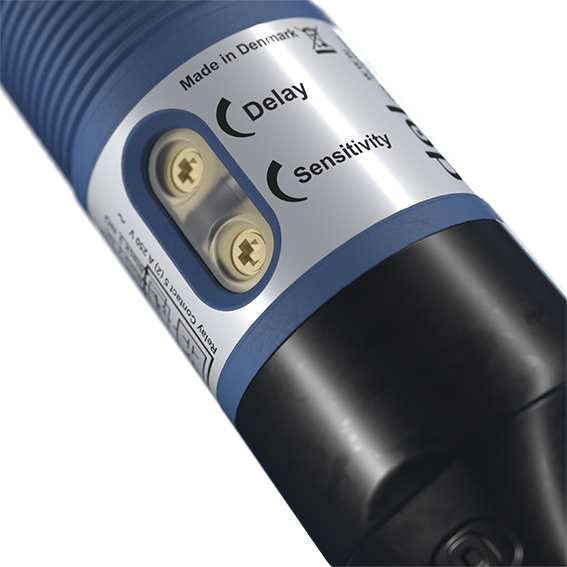
Our sensors are specially designed for withstanding the harsh environment in agriculture. Therefor all our capacitive and climate sensors are:

  • Robust
  • Accurate
  • Designed for lasting a lifetime

Read more about our different sensors here.

Ensuring Durability and Efficiency in Farming

Agriculture today is far more than just the simple cultivation of crops and raising of livestock—it’s a high-tech industry where precision and efficiency are key. Central to this modern approach are various types of sensors that help monitor everything from soil moisture and temperature to crop health and livestock conditions. However, the harsh environmental conditions of farming necessitate that these sensors not only be precise but also extremely durable. This is where the concept of a hardened design for agricultural sensors comes into play.

What is Hardened Design?

Hardened design refers to the process of making devices robust enough to withstand the harsh environments in which they are to be used. For agricultural sensors, this means ensuring that they can endure extreme environmental conditions, resist water and dust, and handle exposure to gases like CO2 and NH3 (ammonia). The objective is to create sensors that provide reliable data across a variety of challenging conditions without faltering.

Save Energy in Your Pig Production
Learn how continuous monitoring helps producers identify developing production challenges through changes in water consumption, growth performance and other key production indicators.

Energy is one of the biggest costs in pig farming — from heating and ventilation to lighting and feeding systems. With rising energy prices and growing pressure to reduce environmental impact, improving energy efficiency has never been more important.

The good news? You can cut energy consumption without compromising herd welfare or performance. With a few smart changes — in climate control, lighting, and insulation — pig producers can unlock significant savings while maintaining ideal conditions for animal health and growth.

Optimize Climate Control Systems

Heating and ventilation typically account for the largest share of energy use in pig housing. Modern automated climate systems can make a huge difference by adjusting temperature and airflow in real time based on animal needs and barn conditions.

Energy-saving tips:

These systems not only save energy but also improve air quality, reducing stress and disease risks.

Invest in Energy-Efficient Lighting

Lighting often operates longer than necessary in pig housing. Switching to LED technology can reduce electricity use by up to 60% compared to traditional fluorescent or incandescent bulbs.

Smart lighting strategies:

  • Install motion sensors or timers to automatically adjust lighting based on occupancy and daylight.
  • Optimize light intensity and duration according to production stages — for instance, lower levels in finishing barns and higher levels for breeding sows.
  • Clean fixtures regularly to maintain brightness and efficiency.

Proper lighting management not only saves power but also supports better reproduction, feeding behavior, and welfare.

Selected Sensors

Documents

English
Leaflet
Climate brochure Pig
English
Technical User Guide
iDOL 139 LoRa Technical User Guide
English
Technical User Guide
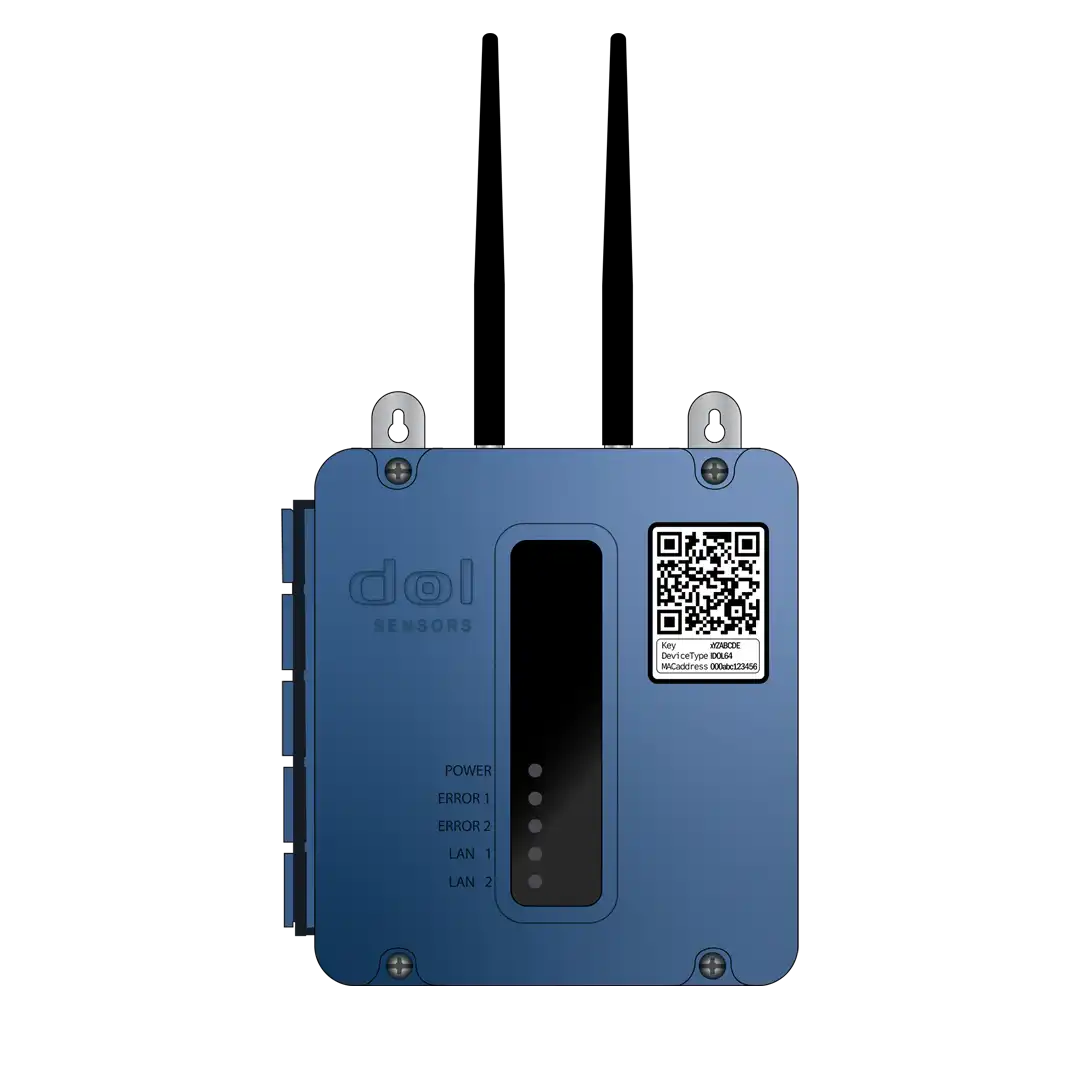
iDOL 64 LoRa Gateway Technical User Guide

Join our newsletter

Stay ahead in livestock production.

Join our newsletter and get industry insights, expert perspectives, and practical strategies for optimizing performance and efficiency.