NH3 Sensors

Improved Animal Production Efficiency

Ammonia (NH3) is a colorless gas with a pungent odor that can be harmful to both animals and humans. In animal production, ammonia emissions can cause respiratory problems, reduced growth rates, and decreased feed efficiency. Therefore, it is essential to monitor and control ammonia levels in animal facilities.

In poultry production the litter is a continous problem, when it comes to NH3 formation. The Poultry Site states in an article that: “growers often significantly reduce winter ventilation rates to conserve fuel and reduce heating costs, but that in turn often leads to wet litter and increased ammonia levels that threaten flock health.”

NH3 sensors are an effective tool to measure and monitor ammonia levels in animal production. These sensors can detect ammonia concentrations in the air and provide real-time data to farmers, allowing them to make informed decisions to improve animal welfare and production efficiency.

NH3 sensors can be integrated into existing ventilation systems, allowing farmers to automate the ventilation process and maintain optimal ammonia levels. This automation saves time and labor while ensuring a healthy and safe environment for animals.

Moreover, NH3 sensors can help farmers identify and diagnose ammonia-related health issues in animals before they become severe. Early detection of respiratory problems caused by high ammonia levels can reduce treatment costs and improve animal welfare.

Thus, NH3 sensors play a vital role in animal production by providing real-time data and allowing farmers to automate ventilation systems to maintain optimal ammonia levels. Additionally, these sensors help farmers identify and diagnose ammonia-related health issues early on, reducing treatment costs and improving animal welfare. Furthermore, animals in a clean and healthy environment grow faster and require less medication.

Reduce Ammonia Emissions
Discover how sensors help maintain healthier environments, support animal welfare, and reduce the impact of ammonia emissions.
→ Read:
Ammonia Sensors

The Importance of NH3 Sensors in Reducing Environmental Impact of Animal Production

Animal production is a significant contributor to environmental pollution, with ammonia emissions being a significant factor. Ammonia can react with other pollutants in the air to form harmful secondary pollutants, such as particulate matter and ozone. These pollutants can cause respiratory problems and other health issues in both humans and animals.

NH3 sensors are an essential tool in reducing the environmental impact of animal production. These sensors allow farmers to monitor and control ammonia levels in animal facilities, reducing emissions and their impact on the environment.

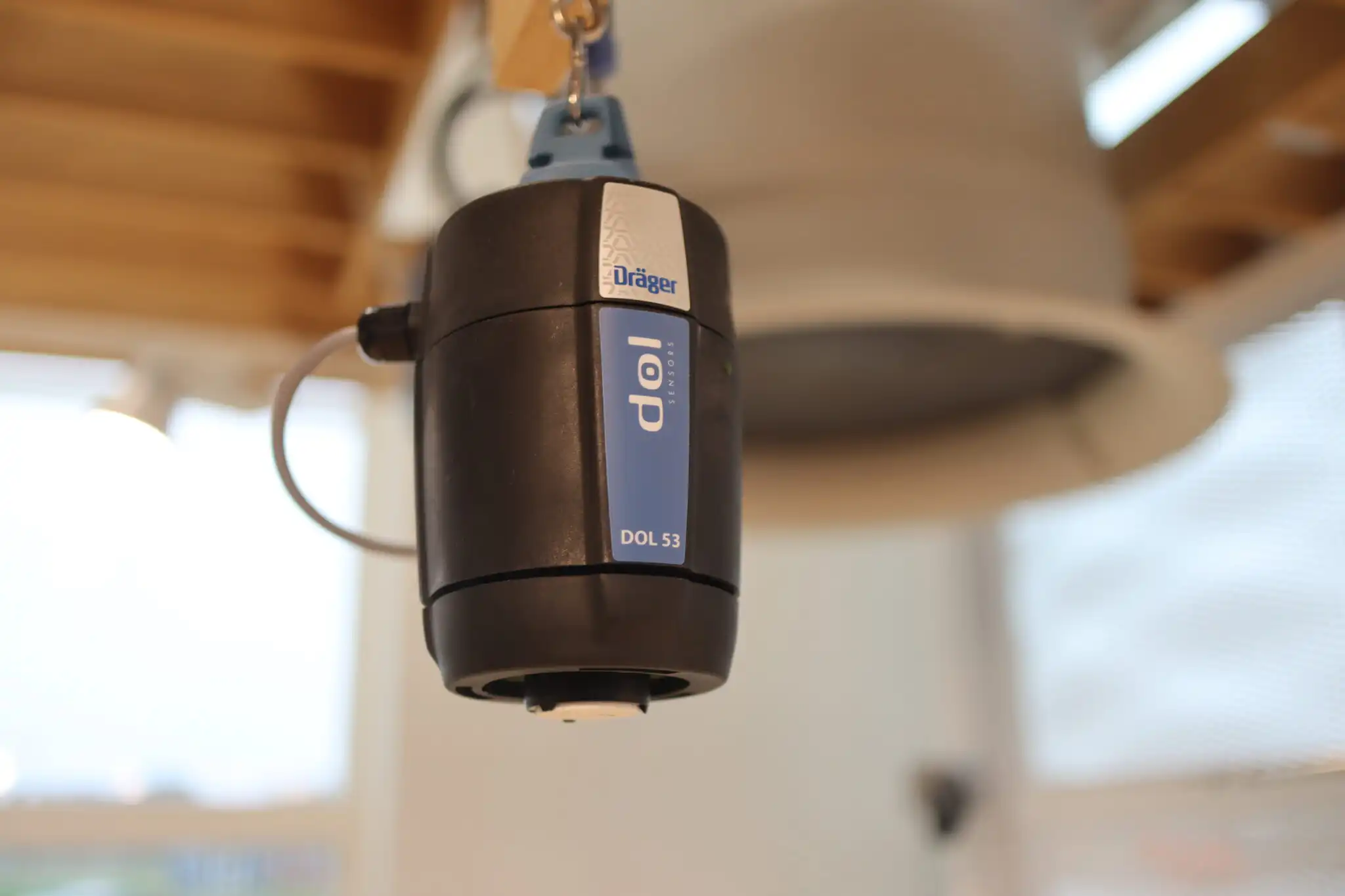
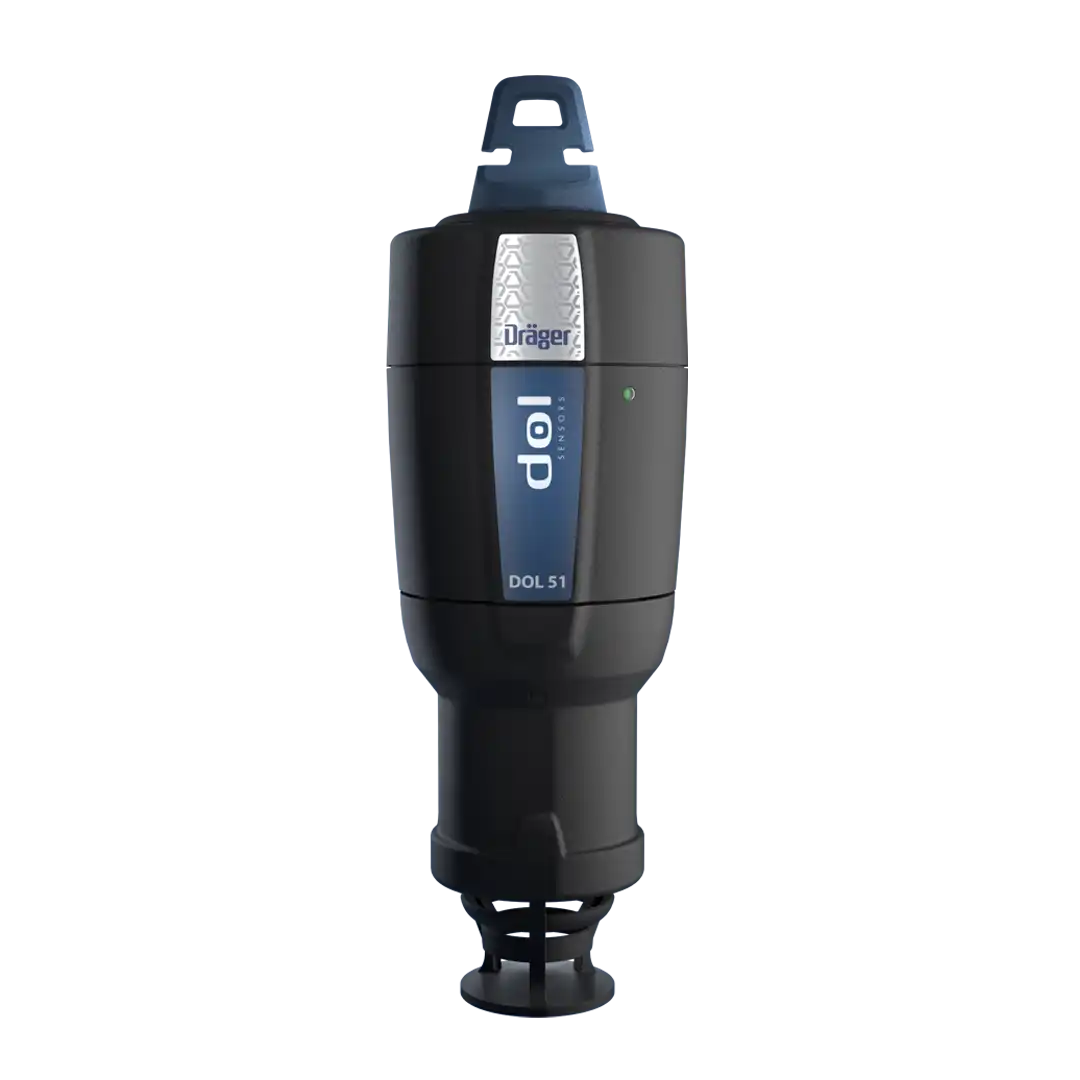
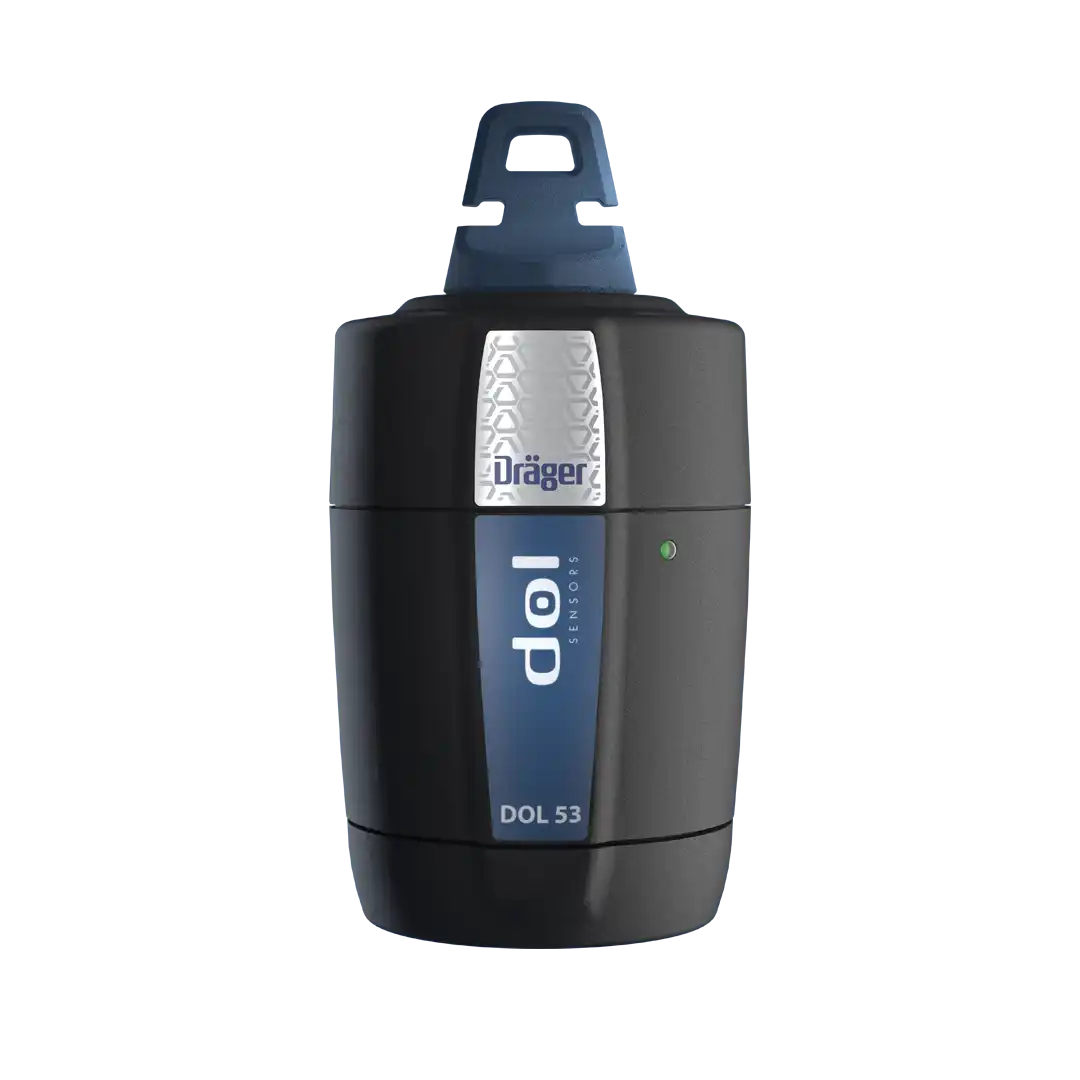
On the clean gas side of the air cleaners, DOL 51 Ammonia Sensor for Air Cleaning measures the remaining ammonia concentration after passage of the filters. This data is vital to document the cleanness of the exhaust air. Combined with data from DOL 53 Ammonia Sensor on the inlet side of the air cleaner, data from DOL 51 can be used to ensure that air cleaners run as efficiently as possible at the lowest possible cost of additives.

Ammonia Sensor for Pig Production
Learn how continuous monitoring helps producers identify developing production challenges through changes in water consumption, growth performance and other key production indicators.

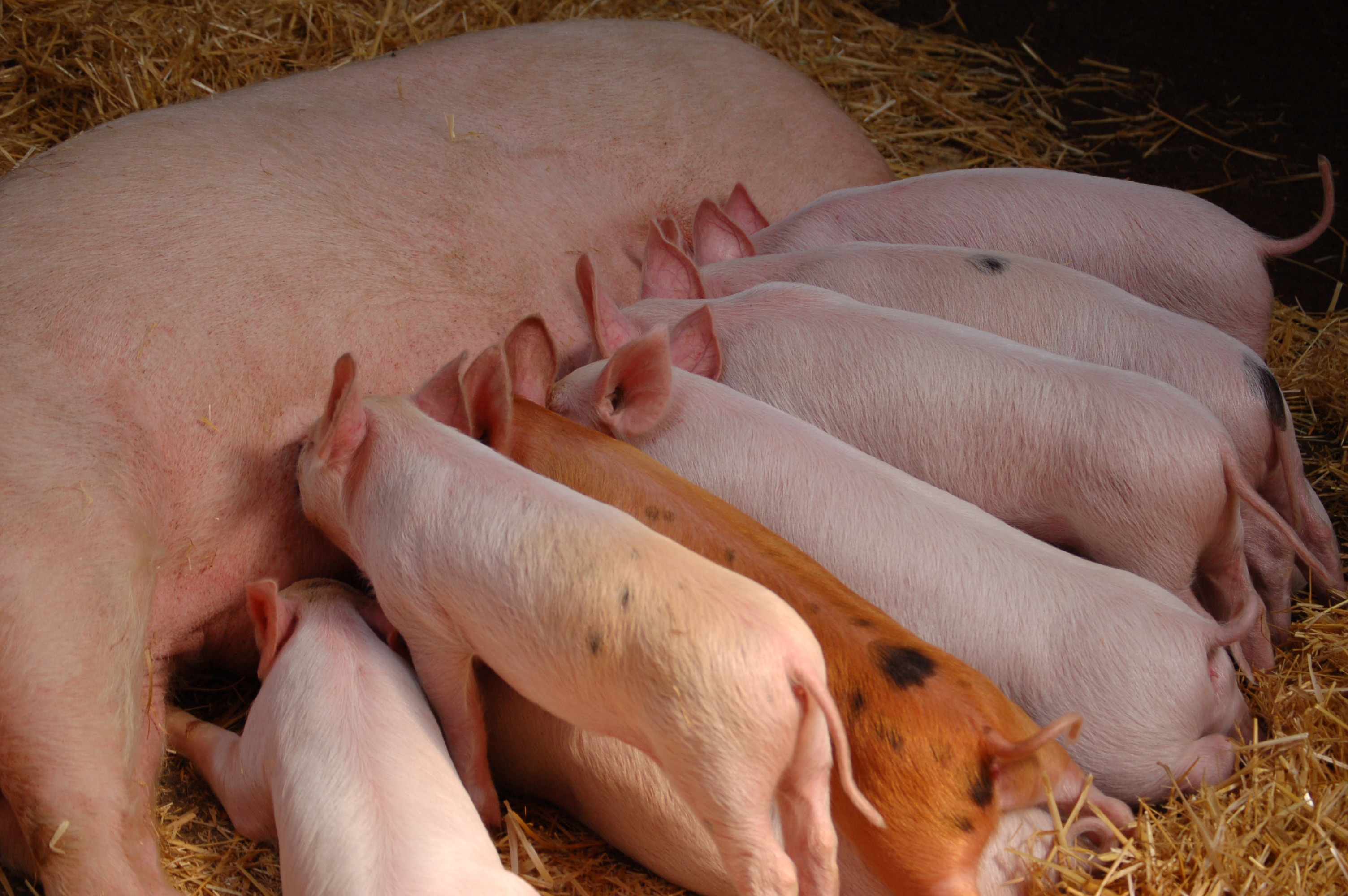
Ammonia (NH₃) is one of the most significant environmental and welfare challenges in modern pig production. While it is a natural by-product of livestock systems, excessive ammonia emissions can negatively affect animal health, worker safety, and the surrounding environment. Understanding how ammonia is produced — and how it can be managed — is essential for sustainable, efficient pig farming.

What Is Ammonia and How Is It Produced?

In pig production, ammonia is primarily formed when urea and uric acid in manure and urine are broken down by bacteria. The enzyme urease, naturally present in feces, catalyzes this conversion, releasing ammonia gas into the air.

Key factors influencing ammonia formation include:

  • Temperature: Higher temperatures accelerate bacterial activity and volatilization.
  • pH: Ammonia release increases when manure pH is above 7.5.
  • Ventilation: Inadequate ventilation allows ammonia to accumulate in barns.
  • Manure management: Frequent removal and cooling of manure reduce emissions.

Learn more about the benefits of automated climate and ventilation in pig production.

Impacts of Ammonia in Pig Housing

1. Animal Health and Welfare

High concentrations of ammonia irritate the pigs’ respiratory tract, leading to:

  • Reduced lung function and increased susceptibility to respiratory diseases.
  • Lower feed intake and growth rates.
  • Increased stress and reduced overall welfare.

Concentrations above 20 ppm are considered harmful to pigs, and levels above 10 ppm are generally discouraged in modern facilities.

2. Worker Health

Ammonia exposure can cause eye and throat irritation, headaches, and long-term respiratory problems in farm workers. Maintaining clean air is therefore not only an animal welfare priority but also a matter of occupational safety.

3. Environmental Impact

Once emitted into the atmosphere, ammonia contributes to acid rain among other things. This has downstream effects on soil, water quality, and climate. The pig industry and other industries are under increasing regulatory pressure to reduce ammonia emissions as part of broader sustainability goals.

4. Production Performance and Efficiency

Ammonia doesn’t just affect welfare — it has a direct impact on productivity. Chronic exposure to elevated ammonia levels has been shown to:

  • Reduce average daily gain (ADG) and feed conversion efficiency (FCR).
  • Delay the time to reach market weight, increasing feed costs per kilogram of gain.
  • Lead to uneven growth within groups, complicating management and marketing.

Studies indicate that pigs exposed to ammonia concentrations above 25–30 ppm may experience growth rate reductions of 5–10%, depending on duration and housing conditions. Maintaining low ammonia levels therefore supports both animal health and economic performance.

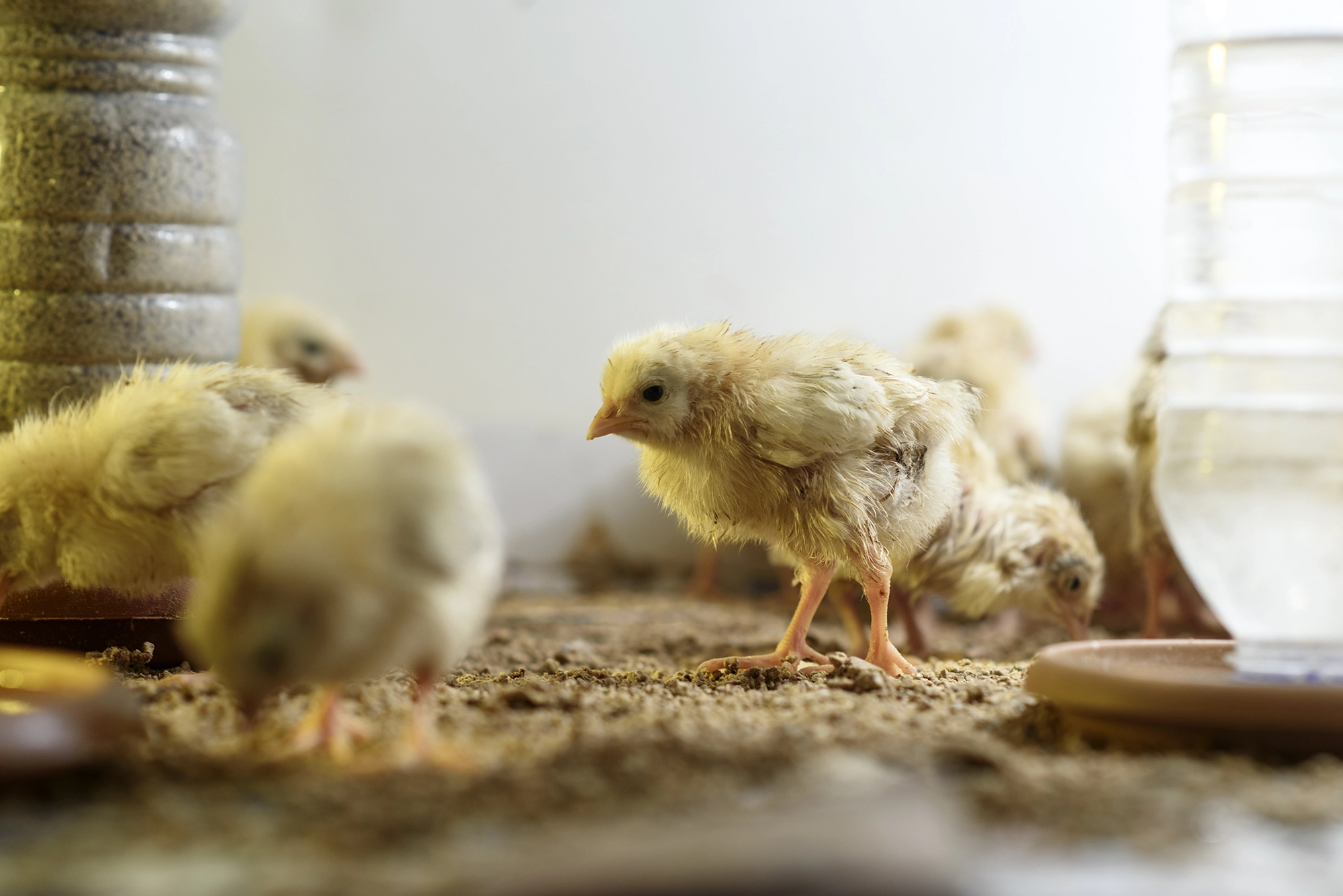
Ammonia Sensors for Poultry Houses
Learn how continuous monitoring helps producers identify developing production challenges through changes in water consumption, growth performance and other key production indicators.

Ammonia sensors for poultry houses provide continuous measurement of NH₃ levels, helping producers monitor air quality and react to increasing ammonia levels. Reliable ammonia monitoring is particularly important in poultry houses, where dust, humidity and changing temperatures place high demands on sensor performance.

What Is Ammonia in Poultry Houses?

Ammonia is a chemical compound between the elements nitrogen (N) and hydrogen (H), and has the formula NH₃. The substance is found everywhere in nature and occurs naturally in manure and urine.

The smell of ammonia is known, among other things, from the pungent smell of manure or in the environment of a chicken farm.

Ammonia is formed in humans and animals by the breakdown of proteins (albumin) from the diet, or in connection with the ongoing remodeling of all tissues in the body. A part is also formed in the intestine from the breakdown of proteins and other nitrogenous compounds by bacteria.

What Causes Ammonia in Poultry Houses?

In poultry houses, ammonia is a byproduct of manure. When nitrogen compounds are decomposed the result is formation of ammonia (NH3+) and ammonium (NH4-). Ammonia is lighter than air and therefore it floats into the air causing respiratory problems and bad smell. High litter moisture, temperature and pH can increase ammonia release in poultry houses. Good litter management and ventilation therefore play an important role in keeping ammonia levels under control.

Ammonia Sensors
Learn how continuous monitoring helps producers identify developing production challenges through changes in water consumption, growth performance and other key production indicators.

The Impact of Ammonia on Poultry Production

It is well-proven that air polution due to high ammonia levels in broiler production results in a higher FCR, lower gain, and poorer animal welfare. Birds being exposed to high levels of ammonia can suffer from respiratory diseases, ammonia blindness, infections with Newcastle, the bronchitis virus and parasites, burned skin and feed, nutritional stress, suffocation, and even death. These sufferings will of course decrease production and increase breeding costs.

Why Continuous Ammonia Monitoring Matters

Early action benefits the productivity of the broilers as well as animal welfare. Thus, constantly monitoring the level of ammonia is essential for the poultry production. Furthermore, monitoring the level of humidity is also important, since a too high level of humidity in the livestock house can cause formation of ammonia.

There are different ways to minimize the level of ammonia in a poultry production. One is ensuring a good quality of litter, air flow and ventilation in the house, a low level of humidity, and keeping the temperature down. Minimizing the level of ammonia have a major impact on the financial yield of the production. In fact, studies* have shown that ammonia concentrations as low as 25 ppm can reduce bird weights at 28 days of age by 2-7% while 50 ppm ammonia has been shown to reduce bird weights from 16-19%. An increased ammonia concentration can cut profits by $3,000 or more per batch in a livestock house with 25,000 broilers.

With dol-sensors’ ammonia sensors you can continuously monitor ammonia levels with great accuracy. Combined with a farm controller, the ammonia sensors can help ensuring automation of the ventilation system.

*Source: “Ammonia in the Atmosphere during Brooding Affects Performance of Broiler Chickens”, F. N. REECE, B. D. LOTT, and J. W. DEATON and “Poultry Housing Tips”, Volume 32, No. 1, University of Georgia

Selected Sensors

Documents

English
Leaflet
Onepager DOL 53 Ammonia sensor
English
Leaflet
Climate Brochure
English
Leaflet
Corporate Brochure Poultry
English
Leaflet
DOL 53 Ammonia Sensor_Onepager
English
Leaflet
DOL 51 Ammonia Sensor for Air Cleaning_Onepager

Join our newsletter

Stay ahead in livestock production.

Join our newsletter and get industry insights, expert perspectives, and practical strategies for optimizing performance and efficiency.