
Avoid Formation of Mold and Ammonia
A too high humidity can cause formation of mold and ammonia. Ammonia can harm the birds foot pads and breasts and reduce their weight. Ammonia (NH3) concentrations as low as 25 ppm can reduce bird weights at 28 days of age by 2-7%, so having accurate data on the level of ammonia is vital as well.
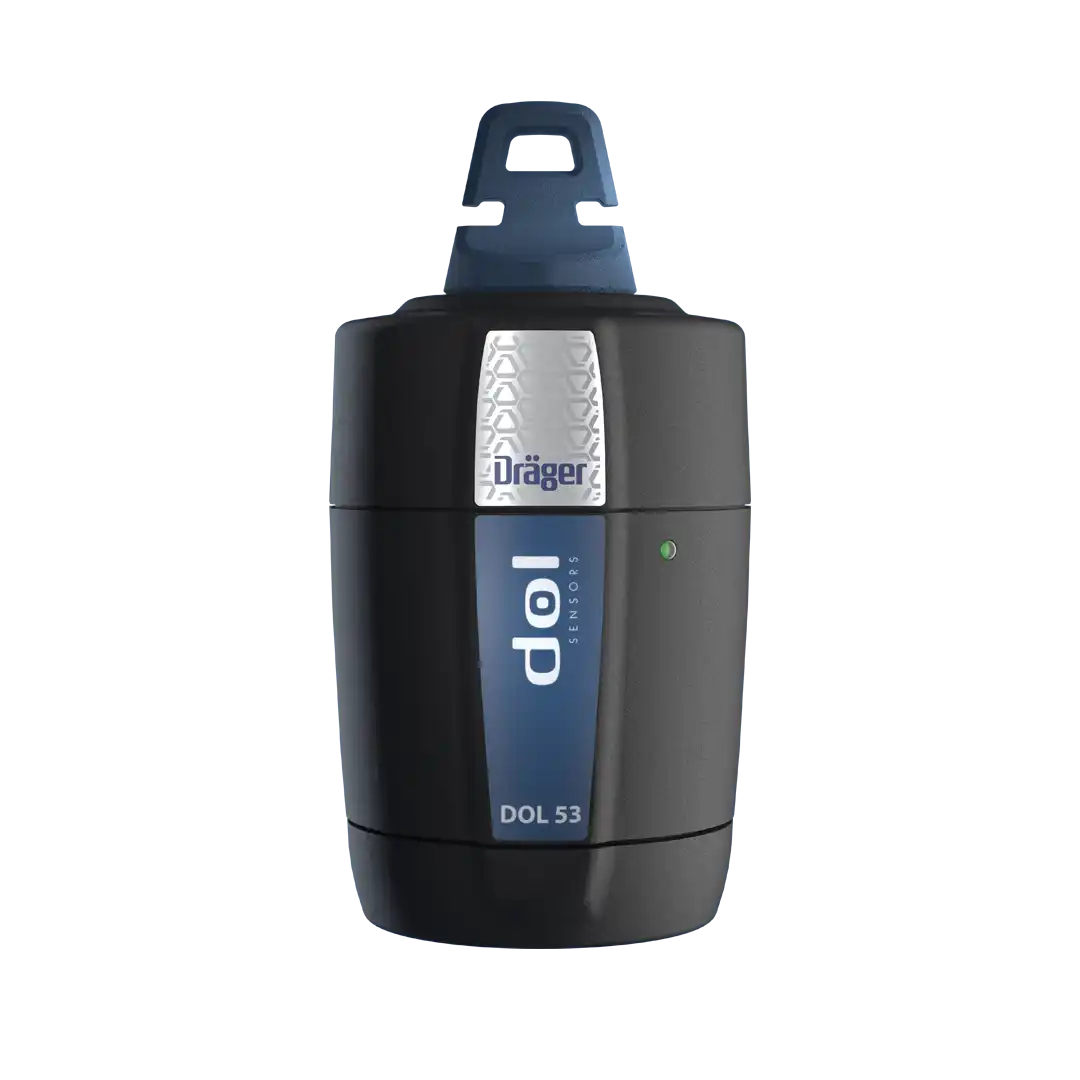
Monitoring the ammonia level in your barn with the award-winning DOL 53 Ammonia Sensor you can earn up to $3,000 extra per batch.
Sensors That Last Longer
Climate sensors of the future are designed to last longer to decrease the cost of monitoring the climate and the need for maintenance and replacement of sensors.
These sensors are robust and protected against dust, high-pressure cleaning, temperature swings, and high levels of humidity and ammonia. Thus, climate sensors of the future withstand the harsh environment in livestock facilities and help making a sustainable production.
Documenting the Climate and Discharge
There is a common expectation that in the future agriculture will be required to document the climate in the stables and the discharge of e.g. ammonia. Some even believe that there will be requirements on documentation of the climate during transportation to ensure a documented animal welfare between livestock houses and slaughterhouses. Thus, climate sensors of the future must deliver real-time data that can be collected, saved, and shared with authorities.
All climate sensors from dol-sensors are designed for the extreme environment in livestock houses and have a high accuracy and a long service life.
Our sensors can be connected with any Farm Management System and can be customised to fit you exact needs.
Contact one of our dealers or our sales professionals to get more information on how dol-sensors can help you manage your farm.