
What Are PT100 and PT1000 Temperature Sensors?
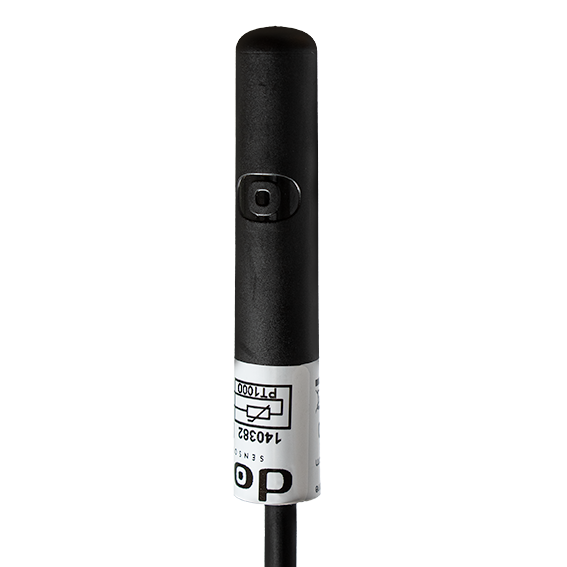
PT100 and PT1000 are platinum resistance temperature detectors (RTDs) used for accurate temperature measurement.
The electrical resistance of the sensing element changes predictably with temperature. A connected controller or measurement system uses this change in resistance to determine the temperature.
The main difference between the two sensor types is their nominal resistance at 0°C:
PT100: 100 Ω at 0°C
PT1000: 1000 Ω at 0°C
Both are widely used where stable and reliable temperature measurements are required.
Because a PT1000 has a higher resistance, the resistance of the connecting wires generally has less influence on the measurement than with a PT100.
However, the most important consideration is compatibility with the controller or measurement system.
Not sure whether you need PT100 or PT1000? Talk to our sensor experts.
Temperature Measurement in Demanding Environments
A temperature sensor may have to do much more than simply measure temperature.
In agricultural and industrial applications, sensors can be exposed to dust, moisture, temperature fluctuations, cleaning and electrical interference. Reliable temperature measurement therefore depends on choosing a sensor designed for the conditions in which it will operate.
dol-sensors' temperature sensors are developed for demanding environments where robust construction, reliable measurements and long service life are important.
Which PT100 or PT1000 Temperature Sensor Do You Need?
dol-sensors offers different temperature sensor options to meet different measurement and installation requirements.
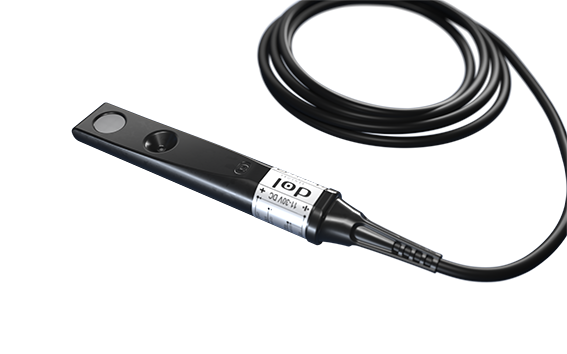
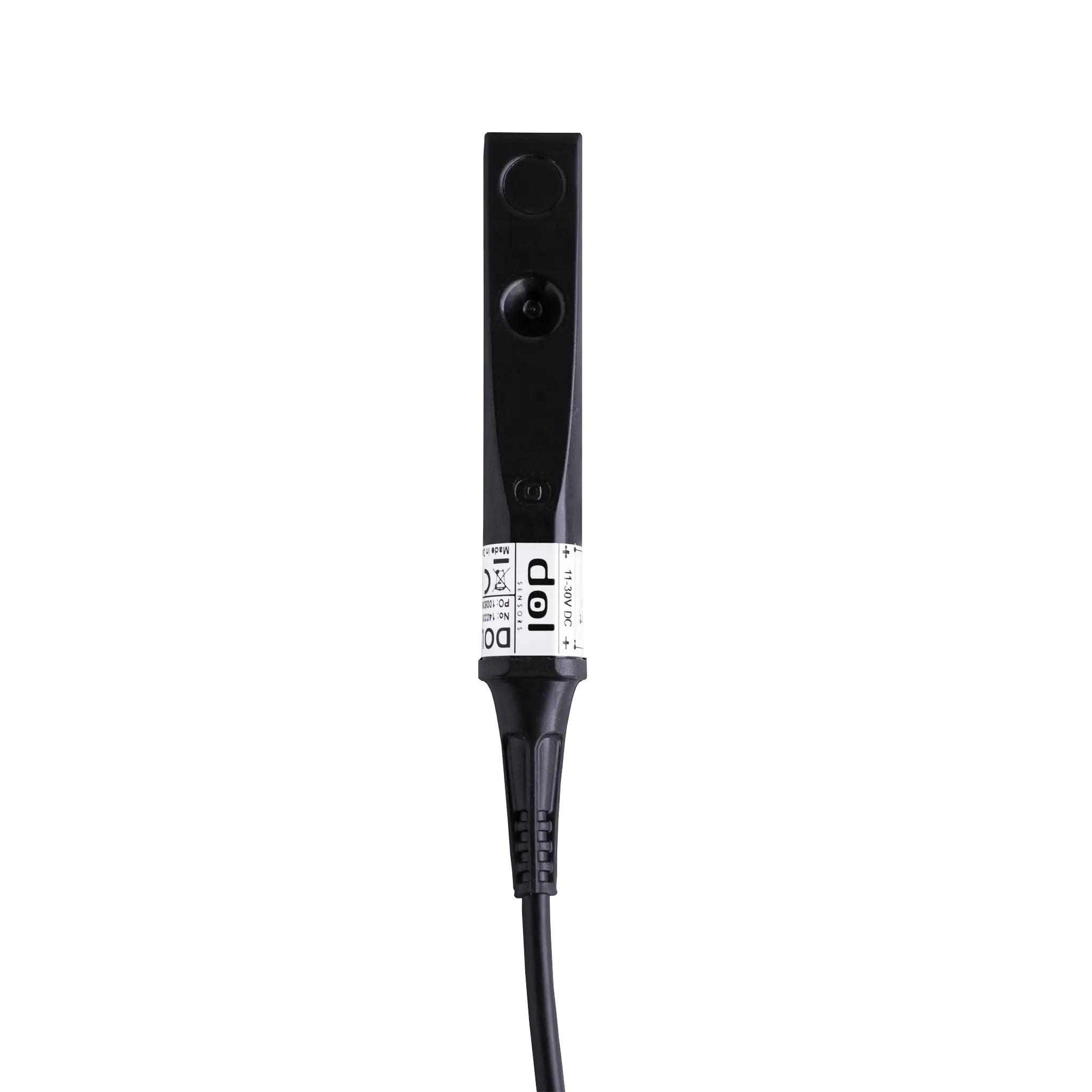
Our DOL 112 comes as PT100, PT1000 and NTC sensor with 2, 3, or 4 wires.
DOL 112 Temperature Sensor
A robust temperature sensor for reliable temperature measurement in demanding environments. DOL 112 is available in different versions to fit different controllers and applications.