
Accurate Measurements

Accurate Measurements

In the modern age of agriculture, precision and efficiency are paramount to ensure sustainable production and animal welfare. Our sensors play a crucial role in monitoring and managing various parameters, ranging from temperature and humidity to air quality and feed consumption. The accuracy of measurements from these sensors is of utmost importance, as it directly impacts the well-being of animals, operational efficiency, and overall farm productivity.

Enhancing Animal Welfare

The well-being of animals is a top priority for ethical and efficient livestock farming. Accurate sensor measurements help maintain optimal environmental conditions within livestock houses. Our DOL 114 temperature and humidity sensor, for instance, ensure that animals are kept in a comfortable climate, reducing stress and minimizing the risk of diseases. Animals that are exposed to extreme temperature fluctuations are more susceptible to illnesses, and this can lead to economic losses for farmers or farm managers as well. By continuously monitoring these conditions and making necessary adjustments, farmers can ensure the comfort and health of their livestock.

Better Animal Welfare
Learn how precise sensor data helps improve animal welfare, optimize feed management, support early disease detection, and enable smarter farm management decisions.

Optimizing Feed Management

Precise measurements from sensors are invaluable in managing feed consumption for livestock. Sensors can monitor feed levels in silos and feed pans and help prevent underfeeding or overfeeding of animals. Moreover, sensors can help identify any deviations in consumption patterns, indicating potential health issues that may require prompt attention.

Disease Prevention and Immediate Action

Early detection of diseases is essential for preventing outbreaks that can devastate livestock populations. Sensors can monitor air quality and detect the presence of harmful gases, such as ammonia (NH3) and carbon dioxide (CO2), which can be detrimental to animal health. Rapid changes in air quality often indicate ventilation problems that need immediate resolution. Catching these signs early, can safe many animals from suffering and minimize economic losses.

Improving Operational Efficiency

Accurate sensor measurements contribute significantly to the operational efficiency of livestock farms. Automated farm management systems that receive accurate real-time data from sensors can adjust environmental conditions, lighting, and feeding schedules accordingly. This level of automation reduces the need for constant manual oversight, allowing farm managers to focus on more strategic tasks. Additionally, the data collected from sensors can be analyzed over time to identify trends, compare different farms, and make informed decisions for the overall management of the farm.

ATEX Sensor
Learn how continuous monitoring helps producers identify developing production challenges through changes in water consumption, growth performance and other key production indicators.

What Is an ATEX Sensor?

The use of technology in agriculture has greatly advanced in recent years, resulting in increased efficiency, improved yields, and reduced labor costs. One area where technological advancements have made a significant impact is in the use of sensors to monitor and control various aspects of farming operations. Among the latest innovations in this area are capacitive sensors, which have been approved by ATEX for use in agriculture; so-called ATEX sensors.

Understanding the ATEX Directive

ATEX (ATmosphères EXplosibles) is a European Union directive that sets out the requirements for equipment used in potentially explosive atmospheres. The directive aims to ensure that equipment used in such environments is designed and manufactured to prevent explosions and limit their impact on the surrounding area.

How Capacitive Sensors Work

Capacitive sensors are sensors that measures changes in capacitance, which is the ability of a material to store an electric charge. In agriculture, capacitive sensors are used for general detection of feed, grain, and solids among other things. A capacitive relay sensor is typically used as empty, full, and level indicator in tanks, silos, and containers during the emtying and filling process.

Why ATEX Approval Matters

ATEX approval of capacitive sensors for use in agriculture is significant because it means that these sensors meet the safety standards required for use in potentially explosive environments. This is particularly important in the case of installation where dust poses an imminent explosion risk classified according to Zone 20 and 21. Examples of this kind of environment could be in broiler houses or in flour production.

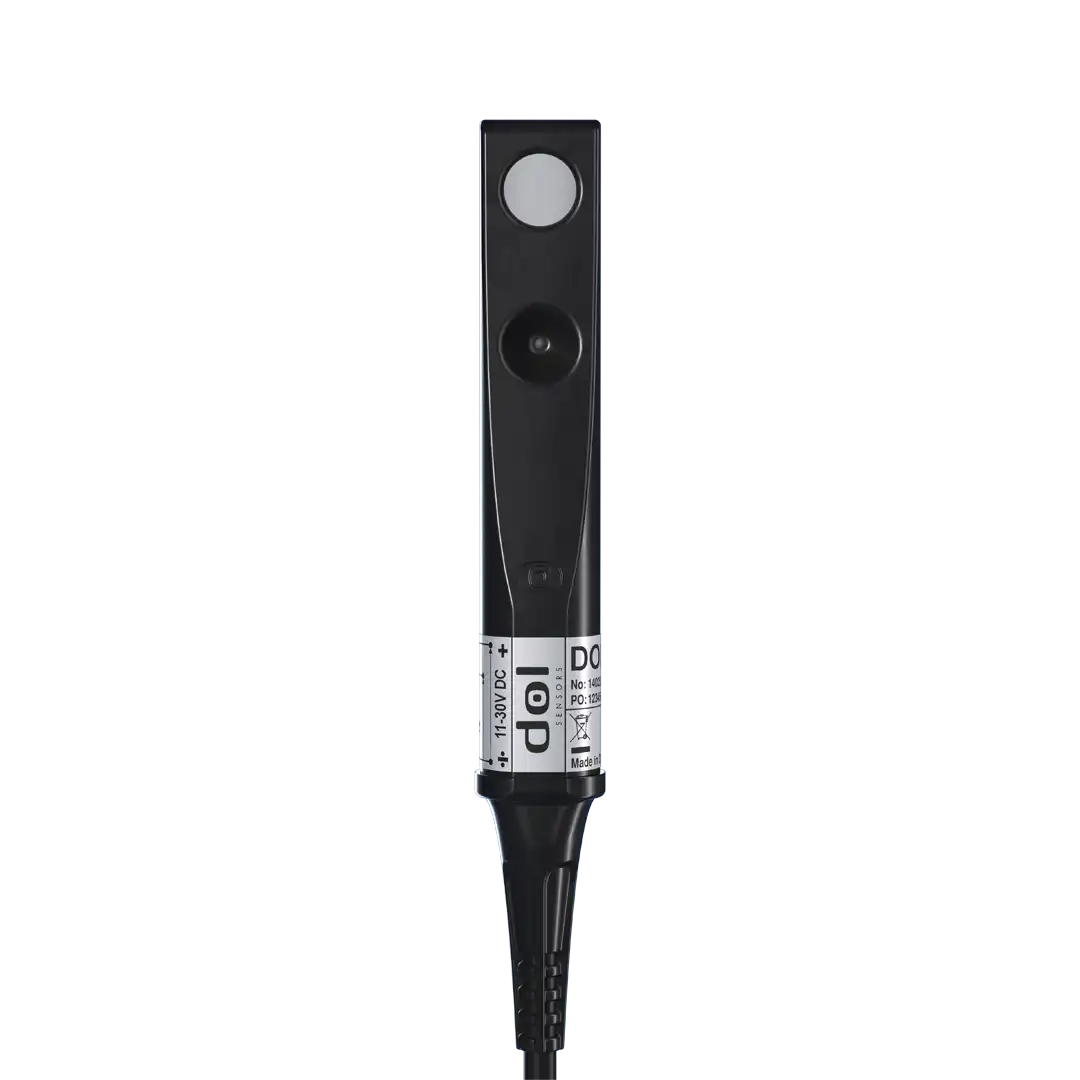
The image here shows iDOL 46 ATEX Proximity Sensor mounted.

Get Control In Your Pig Production
Learn how continuous monitoring helps producers identify developing production challenges through changes in water consumption, growth performance and other key production indicators.

The Effect of Knowledge and Performance Management in Pig Production

Farm managers in pig production are keen to understand the dynamics of their operations: how are the pigs growing, what’s the rate of mortality, and other key performance indicators. Gaining control and insight into pig production can significantly enhance a farm’s efficiency, profitability, and overall success.

Being knowledgeable about various aspects of pig production — from breeding and feeding to health management and environmental control — is crucial for farm managers. This knowledge aids in improving animal welfare and, consequently, boosts productivity.

Improved Health and Welfare in Pig Production

A comprehensive understanding of pig health and behavior enables farm managers to quickly identify and resolve issues. This leads to healthier herds, lower mortality rates, and a reduced need for medical interventions, which can be expensive and sometimes harmful to the pigs’ health and the quality of the produce.

Higher Product Quality and Yield

Farm managers with a deeper understanding of their pigs’ performance can achieve higher product quality. This includes better meat texture and flavor, as well as more efficient reproduction rates. Such improvements are often the result of well-managed feeding programs, optimal living conditions, and strategies to reduce stress.

Pigs Seek Human Attention, but on Their Own Terms
Learn how continuous monitoring helps producers identify developing production challenges through changes in water consumption, growth performance and other key production indicators.

New research shows that pigs are far more socially aware than many people assume. When they want something, they actively try to get a human's attention -and they often use strategies similar to those seen in dogs. But unlike dogs, pigs tend to be a bit more self-reliant and selective in how they interact.

How Pigs Communicate with Humans

Research observed that pigs use a mix of vocalizations, body language, and direct eye contact when they want help or attention. They may nudge a person, stand in their line of sight, or repeatedly look back and forth between a human and an object - a behavior known from dogs trying to "show" their owners something.

A Key Difference from Dogs

While dogs have been bred for thousands of years to cooperate closely with humans, pigs have not undergone the same domestication process. This means pigs show attention-seeking behavior, but they don't rely on humans in the same way. They tend to switch strategies quickly and may try to solve the problem themselves if the human doesn't respond fast enough.

Selected Sensors

Documents

English
Technical Information
DOL 114_Technical Information_EN
English
Leaflet
DOL 114 accessories
English
Leaflet
DOL 114 Humidity and Temperature Sensor_Onepager

Join our newsletter

Stay ahead in livestock production.

Join our newsletter and get industry insights, expert perspectives, and practical strategies for optimizing performance and efficiency.