Save Energy With Agricultural Climate Sensors

Using climate sensors in livestock houses can help you save energy. For example, measuring the light intensity and regulating the light in terms of the animals daily routines will save energy and  increase animal welfare.

Our climate sensors fit all farm controllers and can easily replace other sensors in your livestock production.

Sensors from dol-sensors are specially designed for the harsh environment in livestock houses.

How Climate Sensors Reduce Energy Consumption

Climate sensors help ensure that heating, ventilation, and lighting systems operate only when necessary. By continuously measuring parameters such as temperature, humidity, CO₂ levels, and light intensity, farm controllers can automatically adjust equipment based on actual conditions rather than fixed settings. This reduces unnecessary energy use while maintaining a stable environment for the animals.

Accurate climate data also helps prevent over-ventilation and excessive heating, two common sources of energy waste in livestock houses. When environmental conditions remain stable, animals experience less stress, production becomes more efficient, and energy costs can be reduced without compromising animal welfare.

Save Energy with Climate Sensors
Discover how our agricultural climate sensors help reduce energy use and maintain optimal conditions in livestock houses.
No items found.

Benefits of Climate Sensors for Energy Management

  • Reduced energy consumption through automated climate control.
  • Optimized lighting schedules based on actual needs.
  • Better control of ventilation and heating systems.
  • More stable conditions for improved animal welfare and performance.
  • Lower operating costs and a more sustainable production.
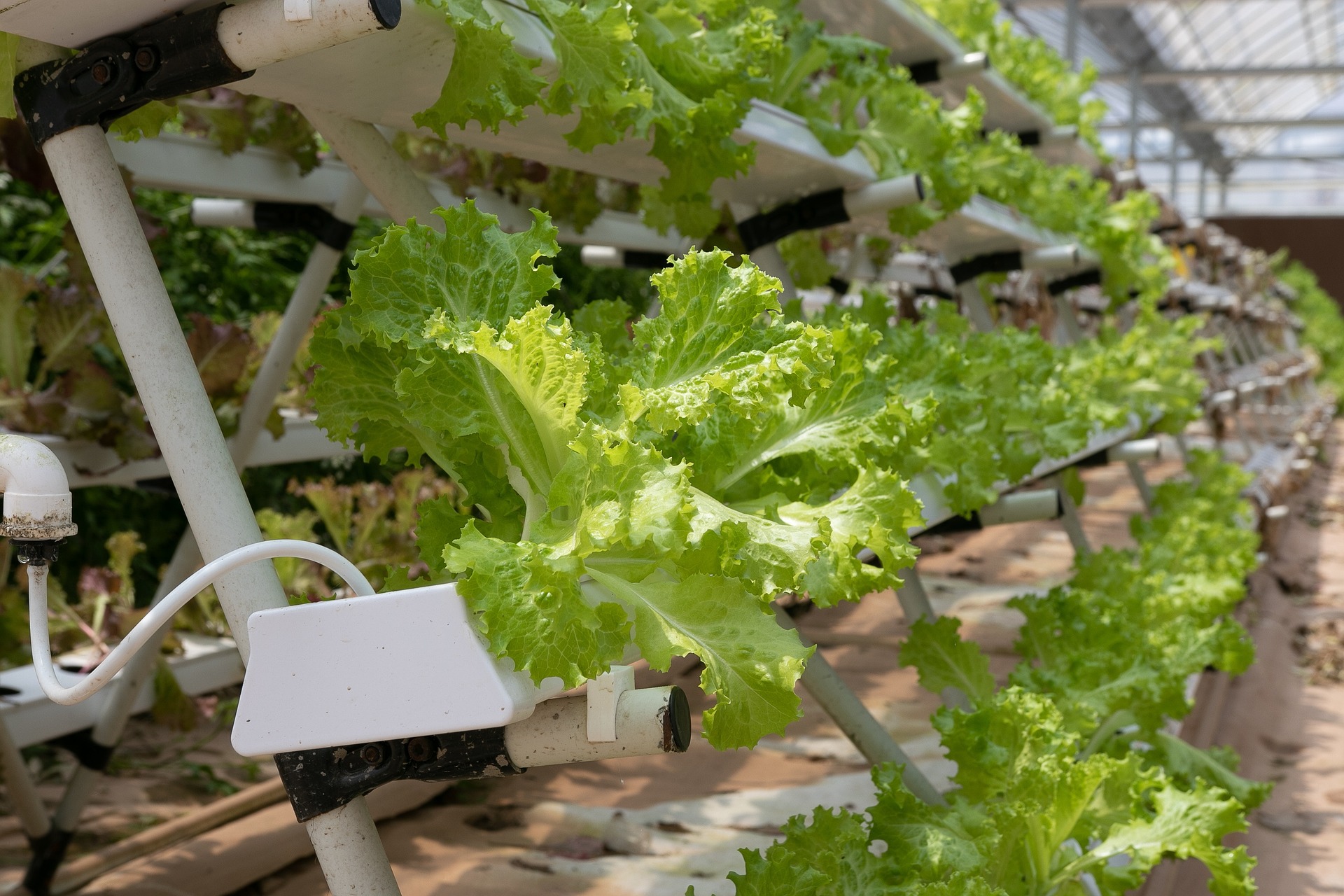
Automated Vertical Farming
Learn how continuous monitoring helps producers identify developing production challenges through changes in water consumption, growth performance and other key production indicators.

The Future of Sustainable Agriculture

As the population continues to grow, and the need for sustainable food production becomes increasingly urgent, automated vertical farming is an exciting and viable solution.

The automation aspect of the vertical farming technology allows for precise control over the growing environment, including temperature, humidity, and lighting, leading to higher crop yields and reduced need for human labor. Additionally, the lack of pesticides and the closed-loop system of the vertical farm means that produce grown in this way is often considered organic. The benefits of automated vertical farming include a reduced carbon footprint, increased food security, and the ability to grow crops year-round in a controlled environment. Accurate CO₂ monitoring is essential for maximizing crop growth and maintaining stable growing conditions. Learn more about agricultural CO₂ sensors.

What is Automated Vertical Farming?

Automated vertical farming is a method of growing crops in stacked layers using trays that are placed in a controlled environment. The vertical farm maximizes space and minimizes the use of water and other resources, allowing for higher crop yields with less waste.

Benefits of Automated Vertical Farming

The benefits of automated vertical farming are numerous. One of the most significant benefits is the reduced carbon footprint of the technology. Traditional farming methods require large amounts of land, water, and energy, but automated vertical farming uses significantly less of all of these resources.

Another benefit of automated vertical farming is increased food security. As the population continues to grow and urbanization expands, the demand for food will continue to increase. Automated vertical farming allows for the efficient production of food in urban environments, reducing the need to transport food long distances and increasing the availability of fresh produce.

In addition, the closed-loop system of the vertical farm means that produce grown in this way is often considered organic. With less need for pesticides, the food grown in automated vertical farms is often considered healthier and safer for consumption.

Finally, the ability to grow crops year-round in a controlled environment means that automated vertical farming can provide a reliable source of food no matter the season or weather.


Optimum Animal Welfare
Learn how continuous monitoring helps producers identify developing production challenges through changes in water consumption, growth performance and other key production indicators.

Increased Production Due To Better Animal Welfare

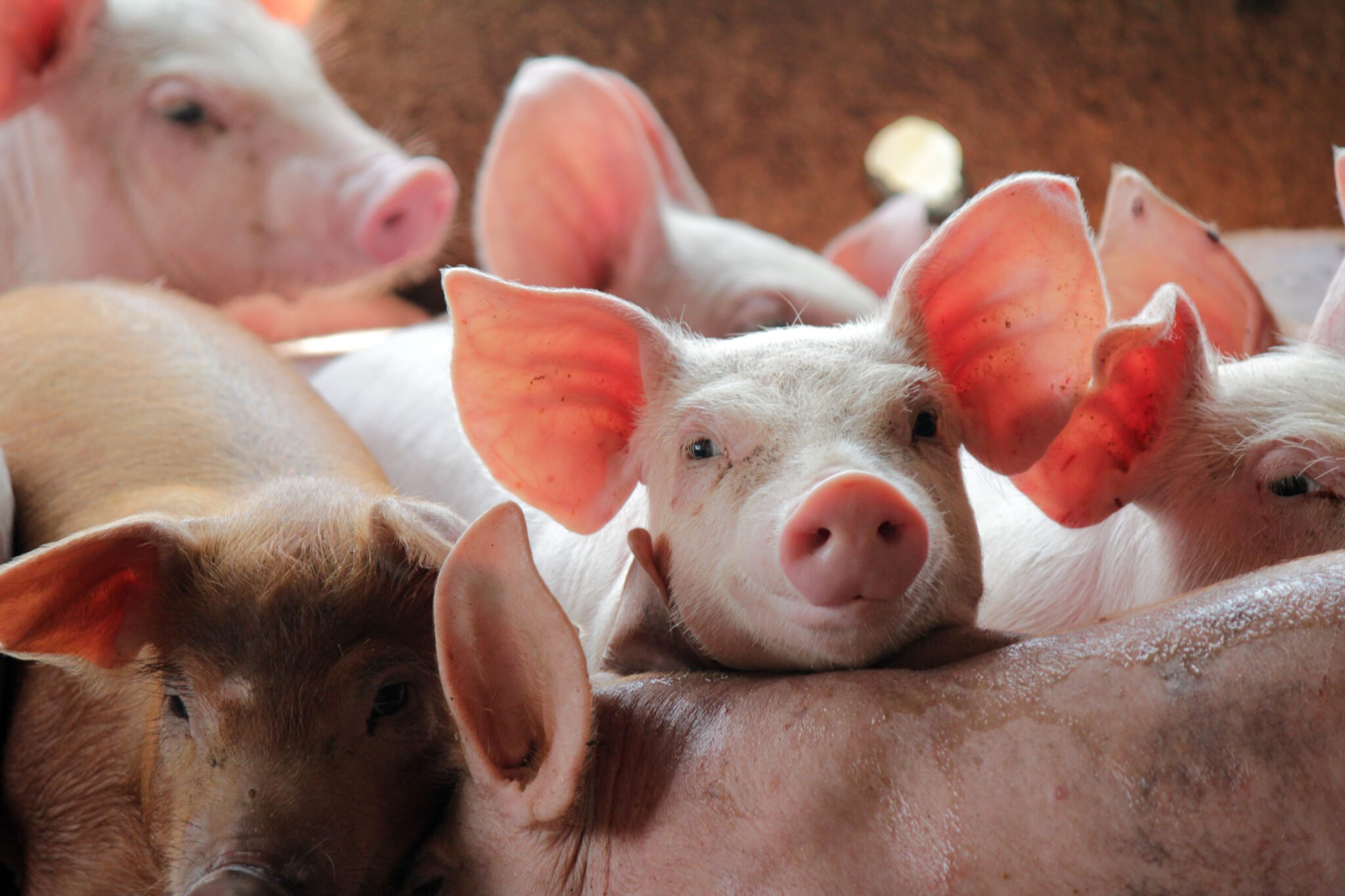
The welfare of your animals is essential to the yield and profit of your pig production. In recent years, there has been a growing recognition of the link between animal welfare and farm productivity. Farm managers who invest in better living conditions, health care, and nutrition for their pigs often see a noticeable increase in production, alongside improved quality of produce.

The Connection Between Animal Welfare and Production

Animal welfare refers to the physical and mental health and well-being of animals. In pig farming, this encompasses several aspects, including housing conditions, diet, health care, and the ability to engage in natural behaviors. Good welfare practices lead to healthier animals, and healthier animals are more productive. They grow faster, have better reproductive performance, and produce higher quality meat.

Waterproof CO2 Sensor
Learn how continuous monitoring helps producers identify developing production challenges through changes in water consumption, growth performance and other key production indicators.

In the agricultural industry, CO2 or carbon dioxide plays a vital role, since it affects the animal welfare and thus the performance of the production. This is why CO2 sensors are crucial instruments in livestock production.

CO2 sensors measure the level of carbon dioxide in the livestock house and combined with at farm controller it can help controlling the ventilation system automatically, ensuring optimum climate conditions for the animals.

Designed For Reliable CO2 Monitoring

In the agricultural industry, CO2 or carbon dioxide plays a vital role, since it affects the animal welfare and thus the performance of the production. This is why CO2 sensors are crucial instruments in livestock production.

CO2 sensors measure the level of carbon dioxide in the livestock house and combined with at farm controller it can help controlling the ventilation system automatically, ensuring optimum climate conditions for the animals.

Selected Sensors

No items found.

Documents

English
Leaflet
Climate Brochure
English
Leaflet
Corporate Brochure Poultry

Join our newsletter

Stay ahead in livestock production.

Join our newsletter and get industry insights, expert perspectives, and practical strategies for optimizing performance and efficiency.