Stop Manual Weighing: Monitor Pig Growth Automatically

From occasional weighing to continuous performance insight

Pig production is becoming increasingly data-driven. Producers need reliable information about pig growth, feed efficiency and overall performance in order to react quickly when something changes in the barn.

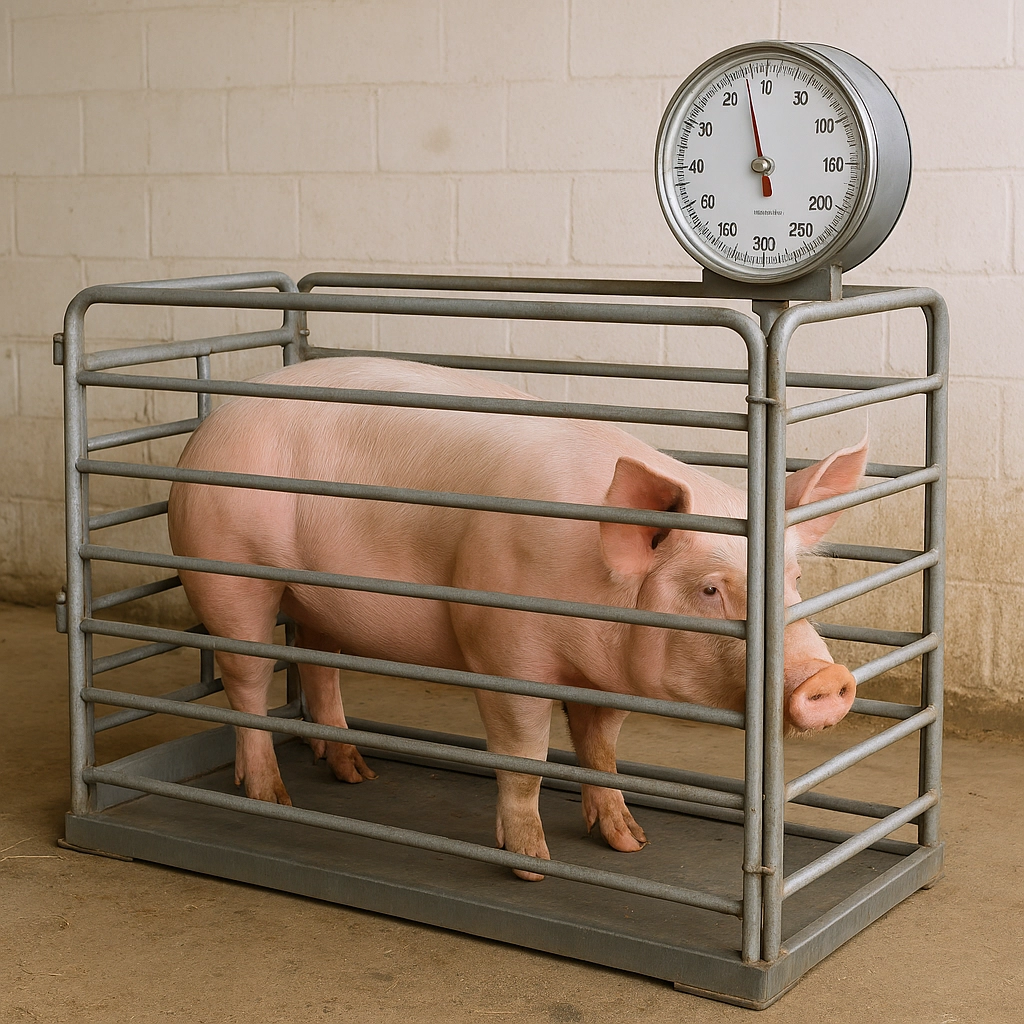
However, manual weighing is still common in many pig farms. This approach is time-consuming, stressful for animals and provides only limited data points.

A modern pig weighing system based on camera technology makes it possible to monitor pig growth automatically and continuously – without handling the animals.

Why monitoring pig weight matters

Growth performance is one of the most important indicators in pig production. Even small deviations in growth rate can significantly affect feed conversion, slaughter timing and overall profitability.

When pig weight is monitored continuously, producers can:

• Detect deviations in growth early

• Evaluate the effect of feed changes

• Identify health or management issues sooner

• Compare batches and optimize production strategies

Automated weighing systems make this possible by collecting weight data continuously rather than relying on occasional manual measurements.

From pig weight calculator to automated pig weighing

Many producers search for tools such as a pig weight calculator to estimate pig weight based on measurements or formulas.

While these tools can provide rough estimates, they require manual input and only deliver occasional snapshots of the pigs’ weight.

Modern technology now allows pig weight to be estimated automatically using camera-based systems. Instead of calculating weight from measurements, a camera can capture images of pigs and estimate their weight using advanced algorithms.

This approach provides continuous insight into pig growth with much more accuracy than manual weighing.

Pig weighing system based on 3D camera technology

A pig weighing system using a 3D camera works by installing a camera above the pen, typically near the feeder where pigs pass regularly.

The camera captures images of the pigs and analyzes them to calculate the average weight in the pen automatically.

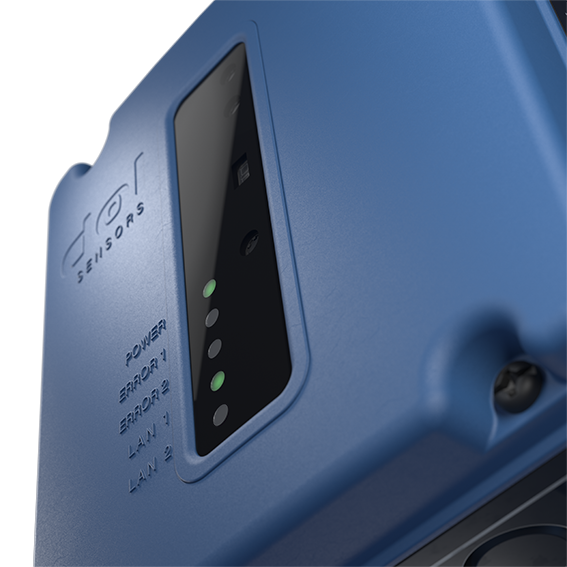
The iDOL 65 Pig Weighing Camera is an example of such a system.

The camera captures images frequently and calculates the average pig weight in the pen every hour, based on thousands of measurements collected throughout the day.

This enables continuous monitoring of growth and production performance.

Stop Weighing Pigs Manually
Track pig growth automatically with continuous weight data and identify performance changes earlier.

How a pig camera can monitor growth and performance

With a pig camera weighing system, the average weight is calculated using images captured every few seconds. These images are analyzed to estimate the pigs’ weight and determine growth trends over time.

For example, a system like the iDOL 65 captures images every 10 seconds and calculates the average weight in the pen using thousands of weighings collected over a 24-hour period.

The system can deliver data such as:

• Average pig weight in the pen

• Standard deviation of pig weights

• Minimum and maximum estimated weight

• Number of weighings per hour or day

This information provides a continuous overview of growth performance.

From pig weigher to production insight

Traditional pig weighers measure individual animals occasionally. A camera-based pig weigher instead provides a continuous stream of data that can be used to monitor the entire pen.

This makes it possible to:

• Track weight gain over time

• Compare growth curves with expected standards

• Evaluate the effect of feed changes

• Detect potential health problems earlier

Weight data is often combined with other barn data such as feed consumption, water consumption and climate conditions to better understand overall production performance.

A modern pig weighing solution

Technologies such as the iDOL 65 pig weighing camera represent a new generation of pig weighing systems.

Mounted above the pen, the camera continuously captures images of pigs and estimates their weight using advanced algorithms. The system provides hourly updates on the average weight in the pen and other key growth indicators.

By combining automated weight monitoring with other production data, producers and technology providers can gain a deeper understanding of how pigs grow and how production can be optimized.
Decrease Low Weight Gain In Pig Production
Learn how continuous monitoring helps producers identify developing production challenges through changes in water consumption, growth performance and other key production indicators.

Understanding the Impact of Ammonia on Pig Weight Gain

In the realm of pig production, achieving optimal weight gain is crucial for maximizing profitability and ensuring the overall health and performance of the herd. However, low weight gain in pigs can be a persistent challenge for producers, and one often overlooked factor contributing to this issue is the presence of elevated levels of ammonia in the swine housing environment.

Ammonia, a byproduct of pig waste, can accumulate in housing facilities, negatively impacting respiratory health, nutrient utilization, and ultimately, weight gain in pigs. In this article, we will explore the impact of ammonia on pig weight gain and discuss strategies for mitigating its effects to promote healthier and more productive herds.

Respiratory Health Risks

Ammonia is a potent respiratory irritant that can cause irritation and inflammation in the respiratory tract of pigs. Prolonged exposure to high levels of ammonia can lead to respiratory distress, compromised lung function, and increased susceptibility to respiratory infections such as pneumonia. Respiratory issues induced by ammonia inhalation can result in reduced feed intake, impaired nutrient absorption, and ultimately, poor weight gain in affected pigs.

Stress Response

Exposure to elevated levels of ammonia can induce stress responses in pigs, triggering the release of stress hormones such as cortisol. Chronic stress not only compromises immune function but also disrupts metabolic processes and growth hormone regulation. Pigs experiencing prolonged stress due to ammonia exposure may exhibit reduced appetite, decreased nutrient utilization, and impaired growth performance, leading to suboptimal weight gain and production outcomes.

Nutrient Utilization

Ammonia toxicity can interfere with nutrient utilization and metabolism in pigs, particularly protein digestion and amino acid absorption. Elevated levels of ammonia in the environment can disrupt the balance of gut microflora, leading to gut dysbiosis and impaired nutrient absorption in the gastrointestinal tract. Consequently, pigs may experience reduced growth efficiency despite consuming adequate feed, as their ability to convert nutrients into body mass is compromised.

How Sensors Technology is Transforming Modern Pig Production
Learn how continuous monitoring helps producers identify developing production challenges through changes in water consumption, growth performance and other key production indicators.

Precision livestock farming (PLF) has moved from a niche concept to a core strategy in high-performance pig production. As farms scale and labor becomes tighter, producers increasingly rely on automated monitoring systems to maintain animal welfare, optimize feed efficiency, and reduce production risks.

Why Sensors Matter

  • Continuous monitoring gives producers real-time insight into barn climate, feed consumption, and water intake.
  • Early detection of deviations - such as reduced water intake or rising temperature - helps prevent disease outbreaks and performance losses.
  • Data-driven decisions improve consistency across production cycles and reduce reliance on manual observation.

Key Areas Where Sensors Make the Biggest Impact

  • Climate control: Monitoring temperature, humidity, CO₂, and ammonia ensure stable conditions that support growth and reduce stress.
  • Feed and water monitoring: Automated systems detect blockages, leaks, or abnormal consumption patterns.
  • Ventilation optimization: Sensors help balance air quality with energy efficiency.
Pig Weighing Camera
Learn how continuous monitoring helps producers identify developing production challenges through changes in water consumption, growth performance and other key production indicators.

Benefits of the iDOL 65 Pig Weighing Camera

  • Reduce production costs
  • Monitor the effect of compound feed changes
  • Save labor
  • Monitor the weight and productivity of the pen constantly
  • Get a more accurate and modern production
  • Eliminate human handling concerns moving animals on weighing scales
  • Secure a more accurate weight distribution for logistics and procurement facilities

Contact Sales

Read more about iDOL 65 Pig Weighing Camera

Selected Sensors

Documents

English
Technical Information
Technical Note_Design Considerations for Camera-Based Pig Weighing

Join our newsletter

Stay ahead in livestock production.

Join our newsletter and get industry insights, expert perspectives, and practical strategies for optimizing performance and efficiency.