Turning Data into Action
With continuous monitoring, producers can set thresholds, receive alerts, and analyze long-term patterns. This transforms water intake from a passive measurement into a proactive management tool.

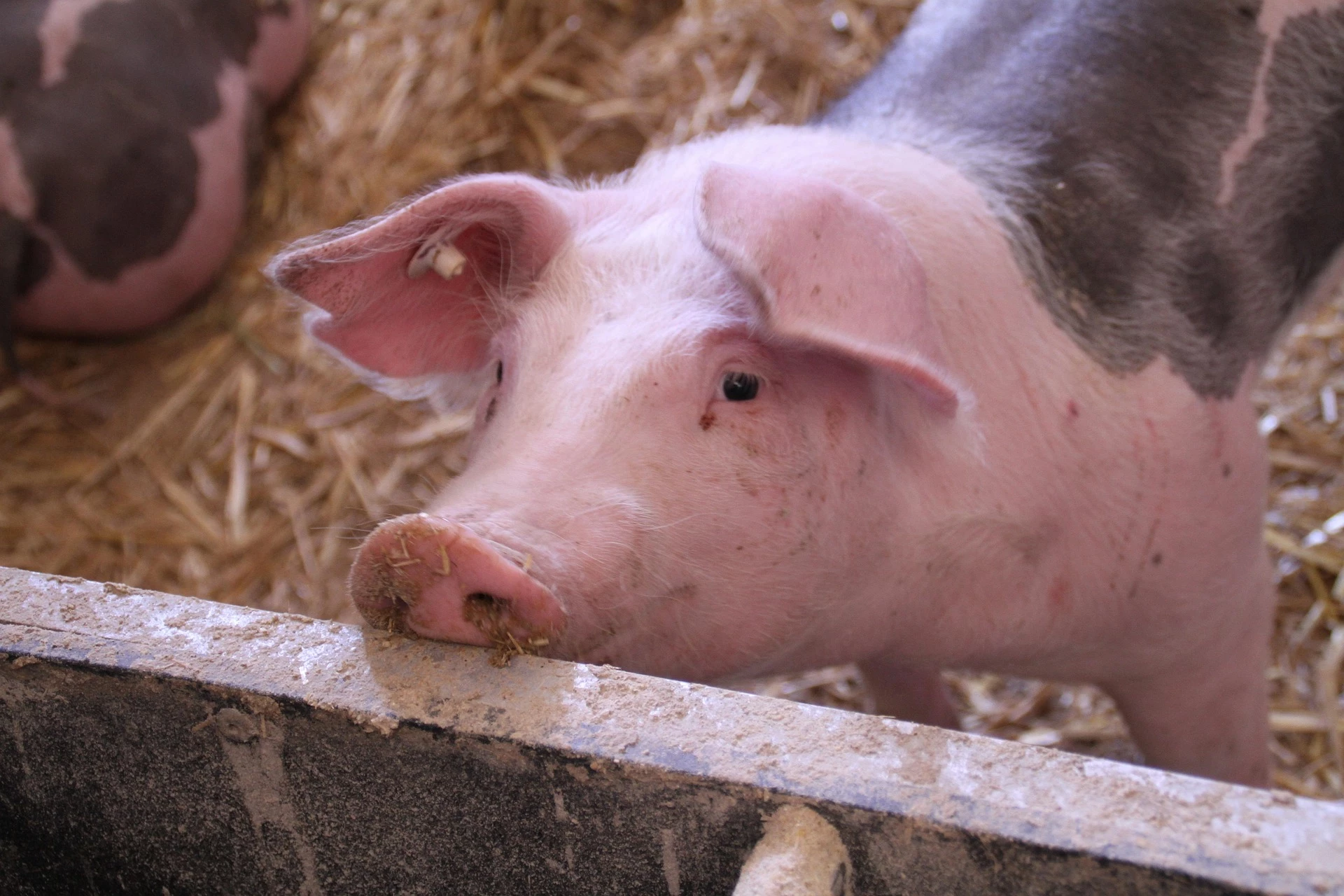
Water is often called the "forgotten nutrient", yet it's one of the most sensitive indicators of pig health. Changes in water consumption often appear 24-48 hours before visible symptoms of illness, stress, or feed and water system problems, making it a powerful early-warning tool.
Automated alerts flag sudden drops or spikes in water flot, helping staff quickly identify blockages, leaks or equipment malfunctions before they affect animal health.
Changes in water intake often appear before visible symptoms such as illness or system issues. Early detection helps farm managers respond faster, reducing the spread of illness and improving treatment outcomes.
Continuous monitoring ensures pigs always have access to clean, fresh water. Anu irregularities in supply or quality are identified quickly, helping maintain stable welfare conditions.
Since water and feed intake are closely linked, tracking both provides valuable insight into feeding behavior. Sudden changes can reveal feed system issues, or diet problems, enabling more precise adjustments.
With continuous monitoring, producers can set thresholds, receive alerts, and analyze long-term patterns. This transforms water intake from a passive measurement into a proactive management tool.

In the agricultural industry, CO2 or carbon dioxide plays a vital role, since it affects the animal welfare and thus the performance of the production. This is why CO2 sensors are crucial instruments in livestock production.
CO2 sensors measure the level of carbon dioxide in the livestock house and combined with at farm controller it can help controlling the ventilation system automatically, ensuring optimum climate conditions for the animals.
In the agricultural industry, CO2 or carbon dioxide plays a vital role, since it affects the animal welfare and thus the performance of the production. This is why CO2 sensors are crucial instruments in livestock production.
CO2 sensors measure the level of carbon dioxide in the livestock house and combined with at farm controller it can help controlling the ventilation system automatically, ensuring optimum climate conditions for the animals.
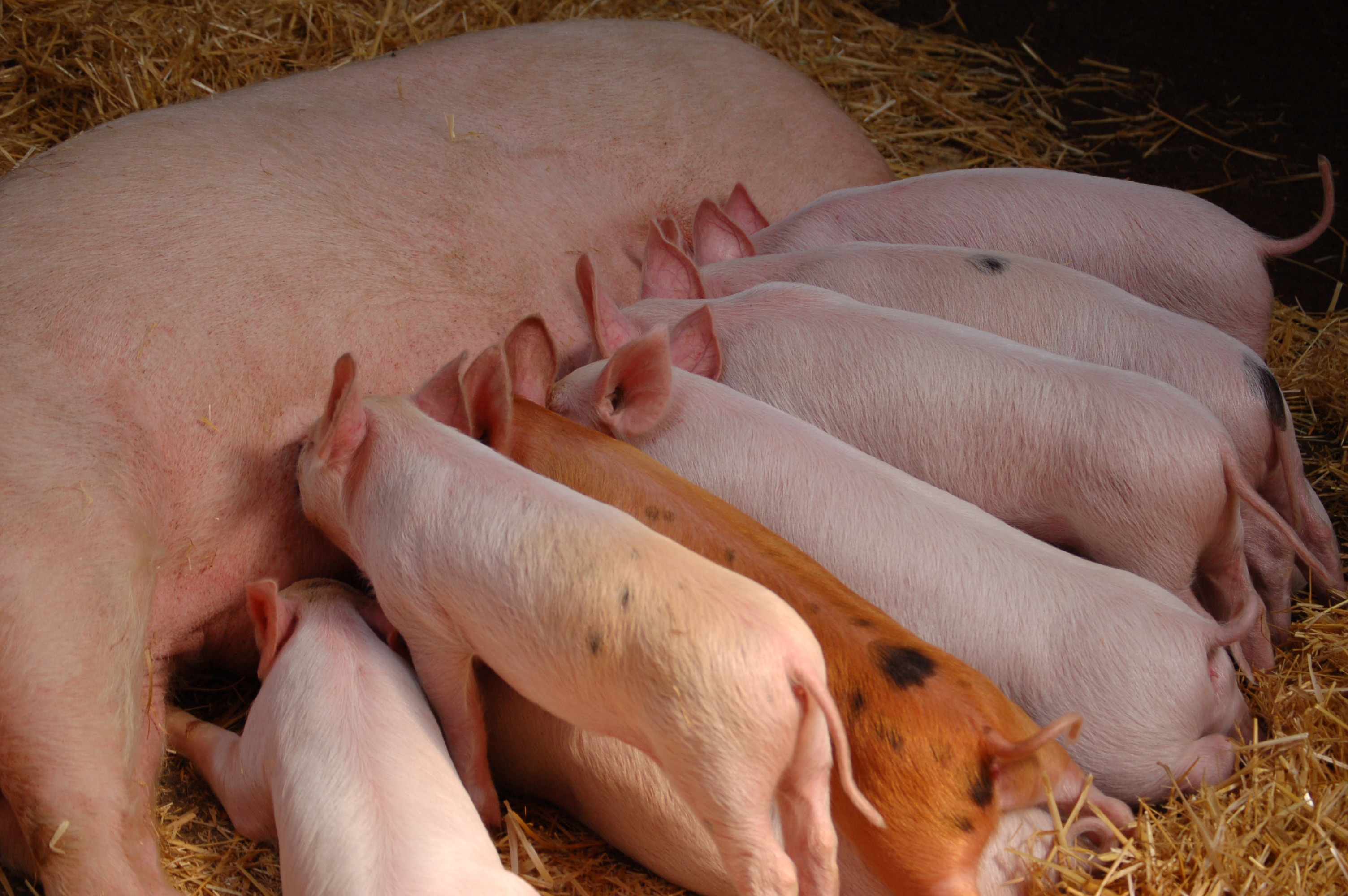
Ammonia (NH₃) is one of the most significant environmental and welfare challenges in modern pig production. While it is a natural by-product of livestock systems, excessive ammonia emissions can negatively affect animal health, worker safety, and the surrounding environment. Understanding how ammonia is produced — and how it can be managed — is essential for sustainable, efficient pig farming.
In pig production, ammonia is primarily formed when urea and uric acid in manure and urine are broken down by bacteria. The enzyme urease, naturally present in feces, catalyzes this conversion, releasing ammonia gas into the air.
Key factors influencing ammonia formation include:
Learn more about the benefits of automated climate and ventilation in pig production.
High concentrations of ammonia irritate the pigs’ respiratory tract, leading to:
Concentrations above 20 ppm are considered harmful to pigs, and levels above 10 ppm are generally discouraged in modern facilities.
Ammonia exposure can cause eye and throat irritation, headaches, and long-term respiratory problems in farm workers. Maintaining clean air is therefore not only an animal welfare priority but also a matter of occupational safety.
Once emitted into the atmosphere, ammonia contributes to acid rain among other things. This has downstream effects on soil, water quality, and climate. The pig industry and other industries are under increasing regulatory pressure to reduce ammonia emissions as part of broader sustainability goals.
Ammonia doesn’t just affect welfare — it has a direct impact on productivity. Chronic exposure to elevated ammonia levels has been shown to:
Studies indicate that pigs exposed to ammonia concentrations above 25–30 ppm may experience growth rate reductions of 5–10%, depending on duration and housing conditions. Maintaining low ammonia levels therefore supports both animal health and economic performance.

Keeping a low level of CO2 (carbon dioxide) is vital to agricultural production and animal welfare. In poultry and pig farms, a too high CO2 level can cause higher feed consdumption rates and higher mortality, thus impacting the performance of the production significantly and lower profits for farmers and farm managers.
Carbon dioxide accumilation in the barn, can cause respiratory problems and even death, which means that monitoring the CO2 level is vital to the production. Controlling the ventilation and eliminating CO2 in the house is one of the most important factors in poultry and pig production.
In addition, high levels of CO2 can cause stress and discomfort for the animals, leading to aggressive behavior and increased risk of injury. By monitoring the CO2 level and controlling the ventilation, farmers and farm managers can create a more comfortable and healthy environment for their animals, reducing the risk of disease and improving overall welfare.
Stay ahead in livestock production.
Join our newsletter and get industry insights, expert perspectives, and practical strategies for optimizing performance and efficiency.