Ammonia is one of the most common causes of low animal welfare in chicken farms. It is also a major cause of respiratory problems, sores on feet and breasts as well as lower gain.
Ammonia is a chemical compound between the elements nitrogen (N) and hydrogen (H), and has the formula NH3. The substance is found everywhere in nature and occurs naturally in manure and urine.
The smell of ammonia is known, among other things, from the pungent smell of manure or in the environment of a chicken farm.
Ammonia is formed in humans and animals by the breakdown of proteins (albumin) from the diet, or in connection with the ongoing remodeling of all tissues in the body. A part is also formed in the intestine from the breakdown of proteins and other nitrogenous compounds by bacteria.
In poultry houses ammonia is a byproducts of manure. When nitrogen compounds are decomposed the result is formation of ammonia (NH3+) and ammonium (NH4-). Ammonia is lighter than air and therefor it floats into the air causing respiration problems and bad smell. Ammonia formation is nurtured by low pH in the litter, high temperatures, and high humidity inside the poultry house.
Ammonia is a major cause of respiratory problems in chickens and a high level of ammonia in the bedding in a poultry house can cause severe sores on the breast and feed of the animals. Ammonia also causes lower weight gain, higher FCR, and decreased animal welfare.
Furthermore, working in an environment with high levels of ammonia is unpleasant and unhealthy to humans.
In some countries in the world, there are legislation on how much NH3 livestock farming can deduce to the surroundings.
There are many different NH3 sensors available at the market, but it is important that you use a sensor, that gives you an accurate meassurement.
Also the quality and lifecycle of the sensor is a very important factor. Most ammonia sensors are quite costly, so replacing them is not something you want to do very often.
At dol-sensors’ we have made ammonia sensors that provide extremely accurate data and are specially designed for agriculture and the harch environment in poultry houses with lots of dust, temperature swings, and high humidity. Our sensors are negligible cross sensitivity to other gasses and work in both high and low NH3 concentration.
As a special feature you can just change the filter on the sensor instead of changing the whole sensors. This is both a much cheaper solution, better for the environment, and a lot easier.
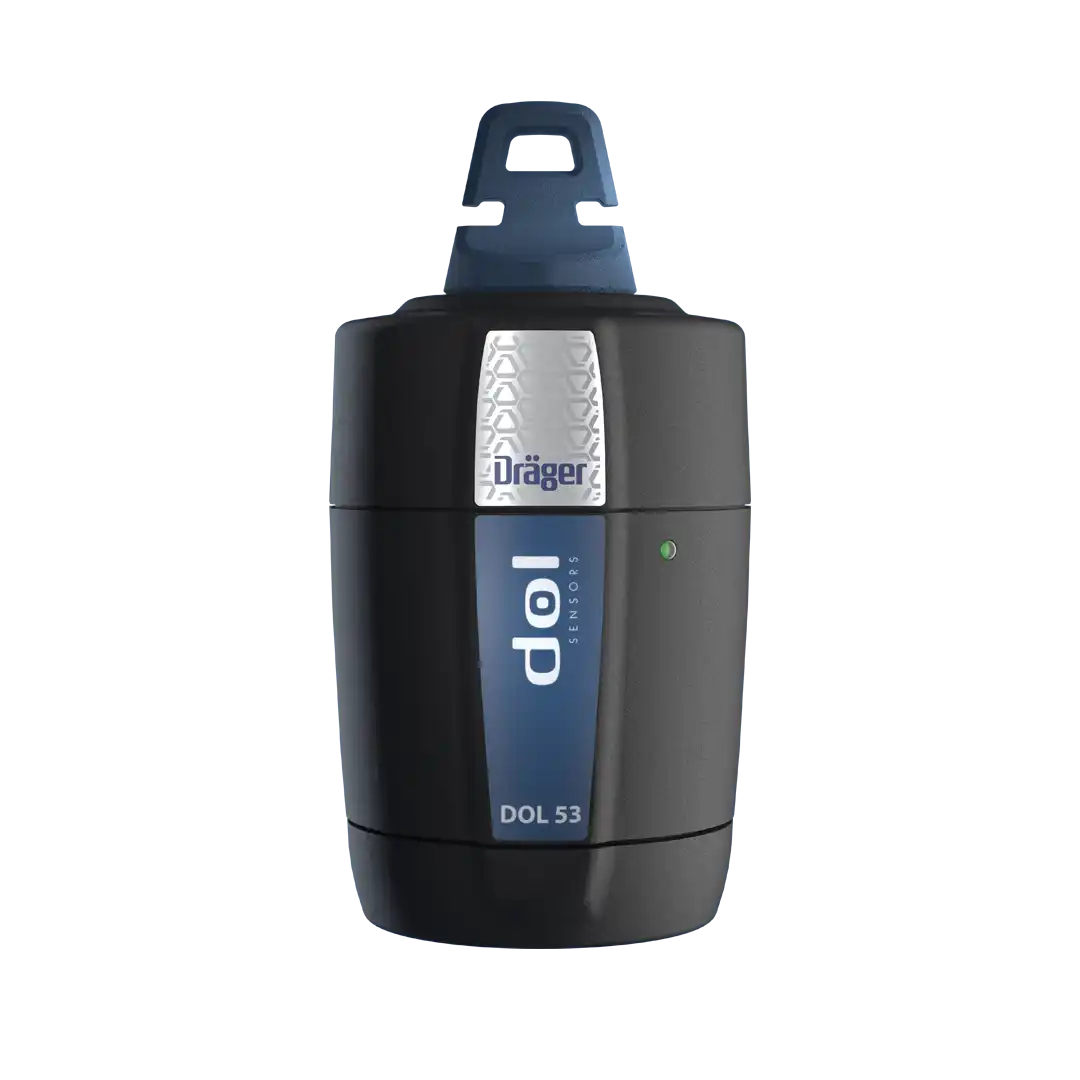
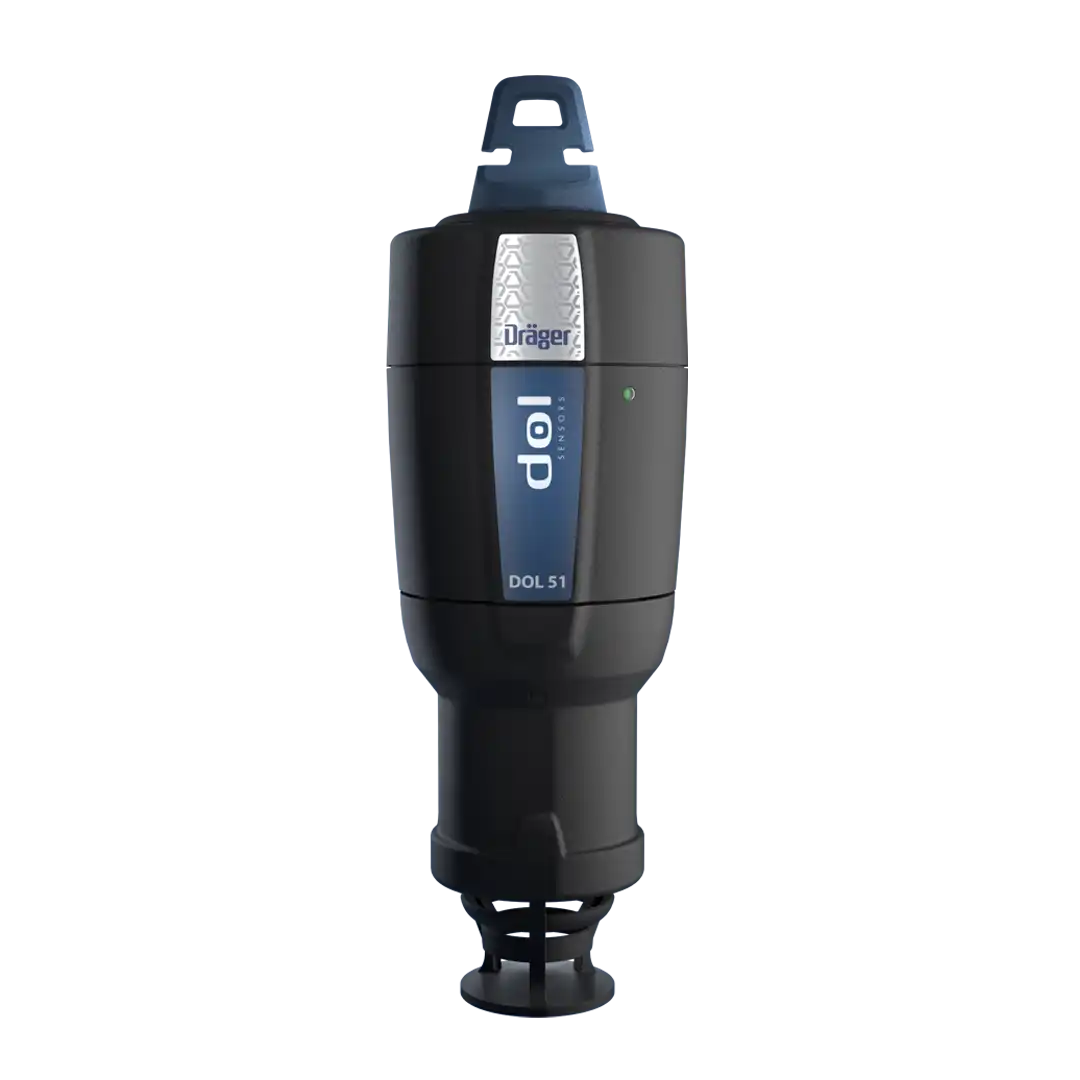
Learn more about dol-sensors’ Award-winning ammonia sensor DOL 53 here and about our DOL 51 Ammonia Sensor for Air Cleaning here.
Since chickens are depending on fairly high temperatures, lowering the temperature is not a possibility, when aiming at reducing the formation of ammonia.
However, lowering humidity and litter pH will have a very possitive effect on formation of ammonia. This can be done by adjusting the ventilation rate and changing bedding between batches.
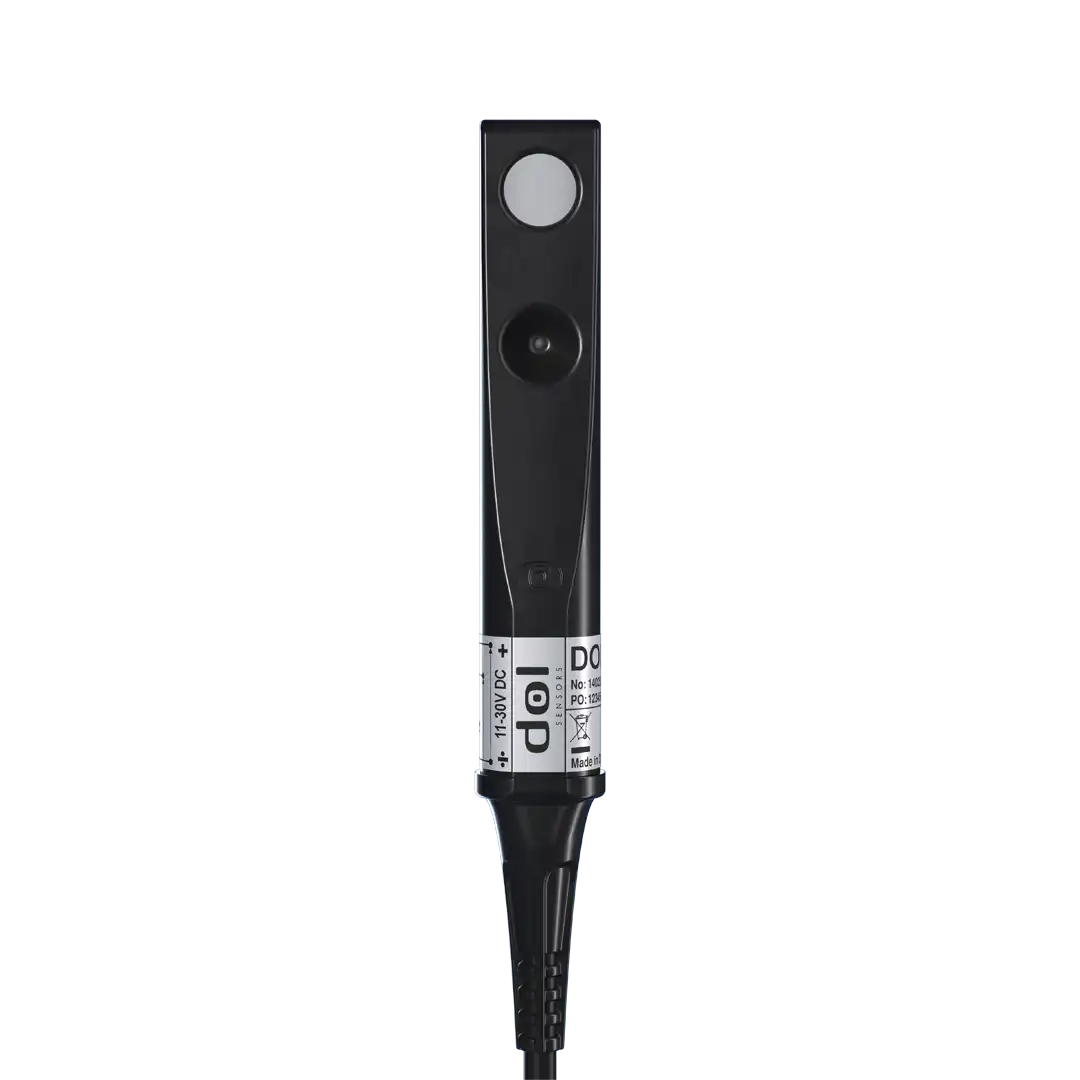
You can use DOL 114 to keep track on the temperature and humidity in poultry.