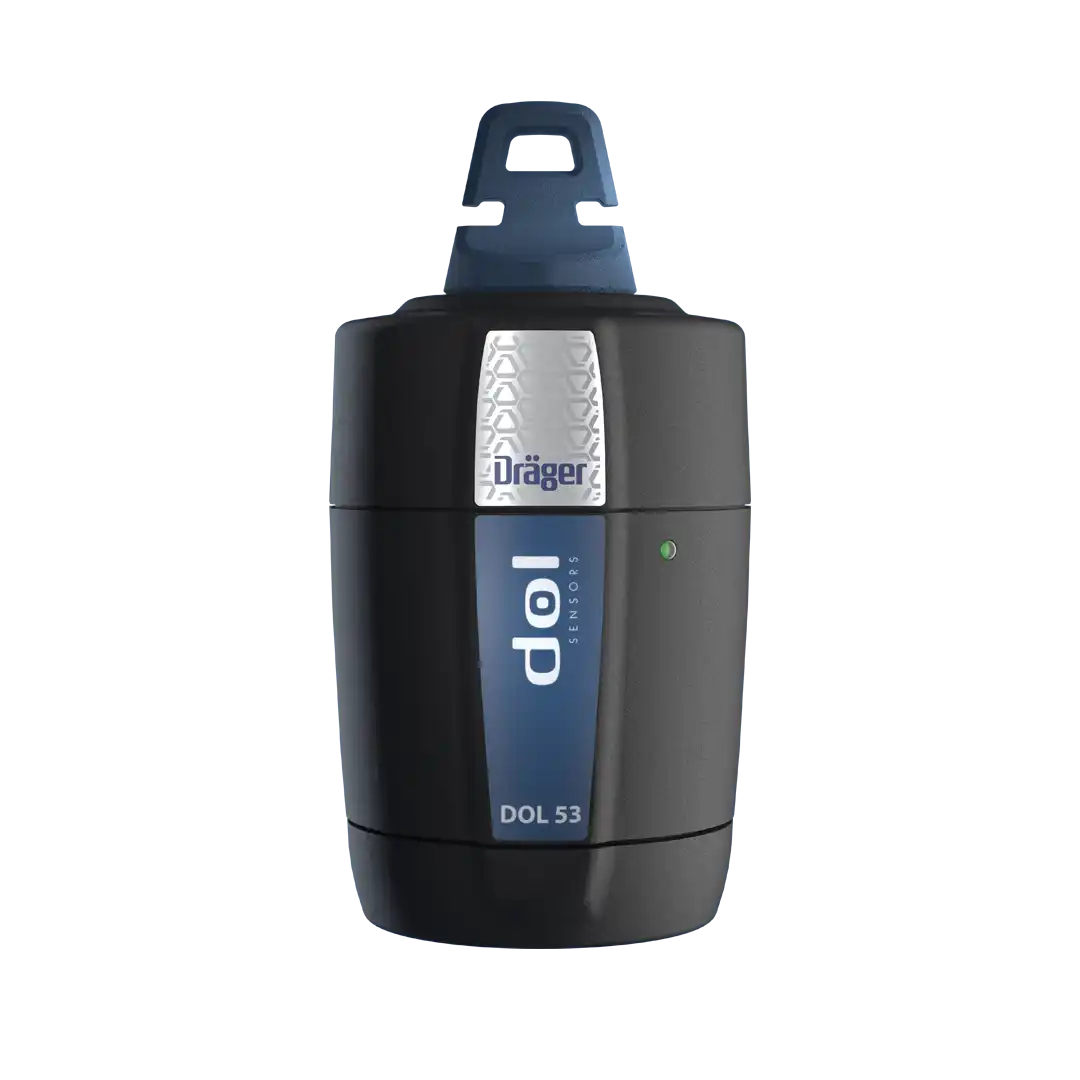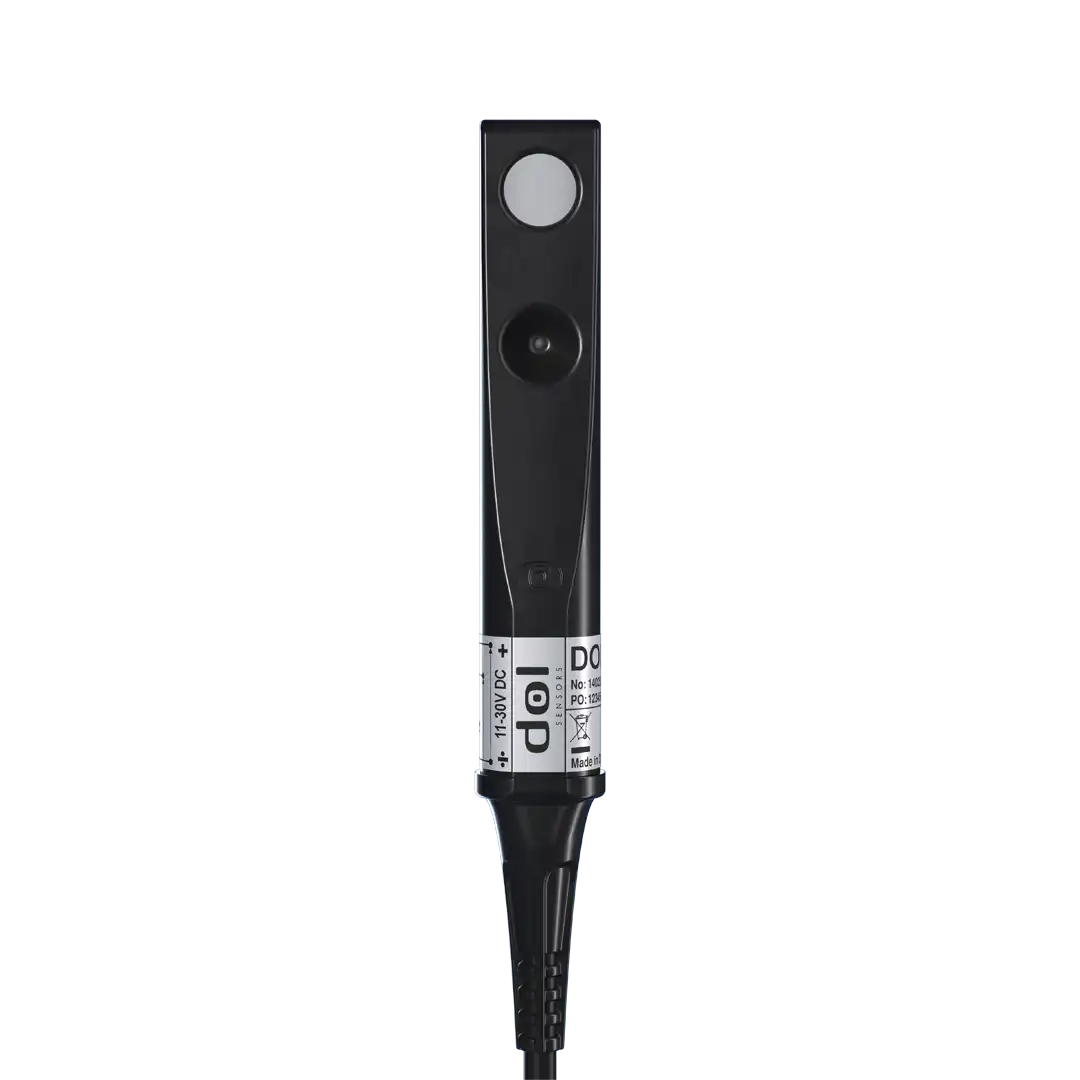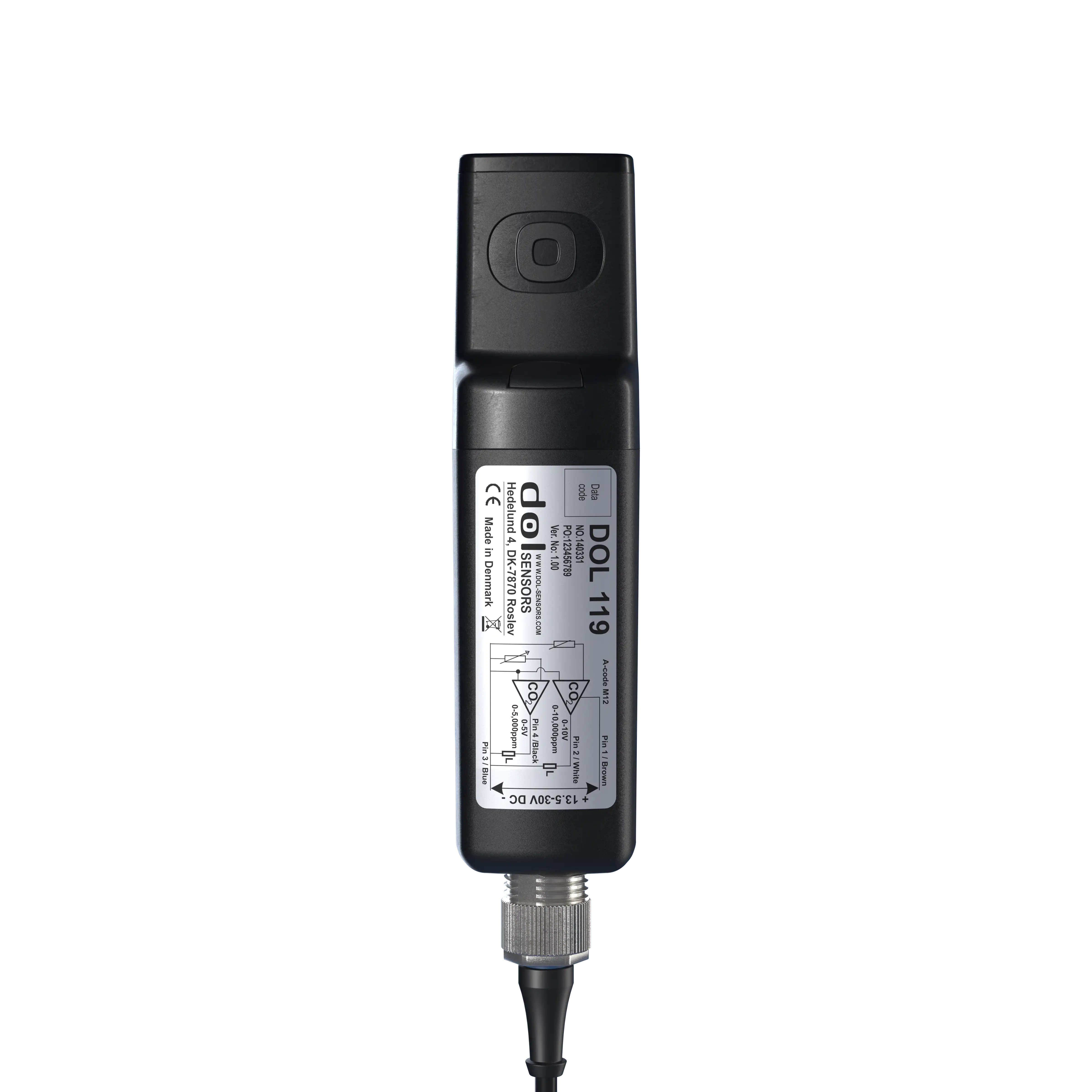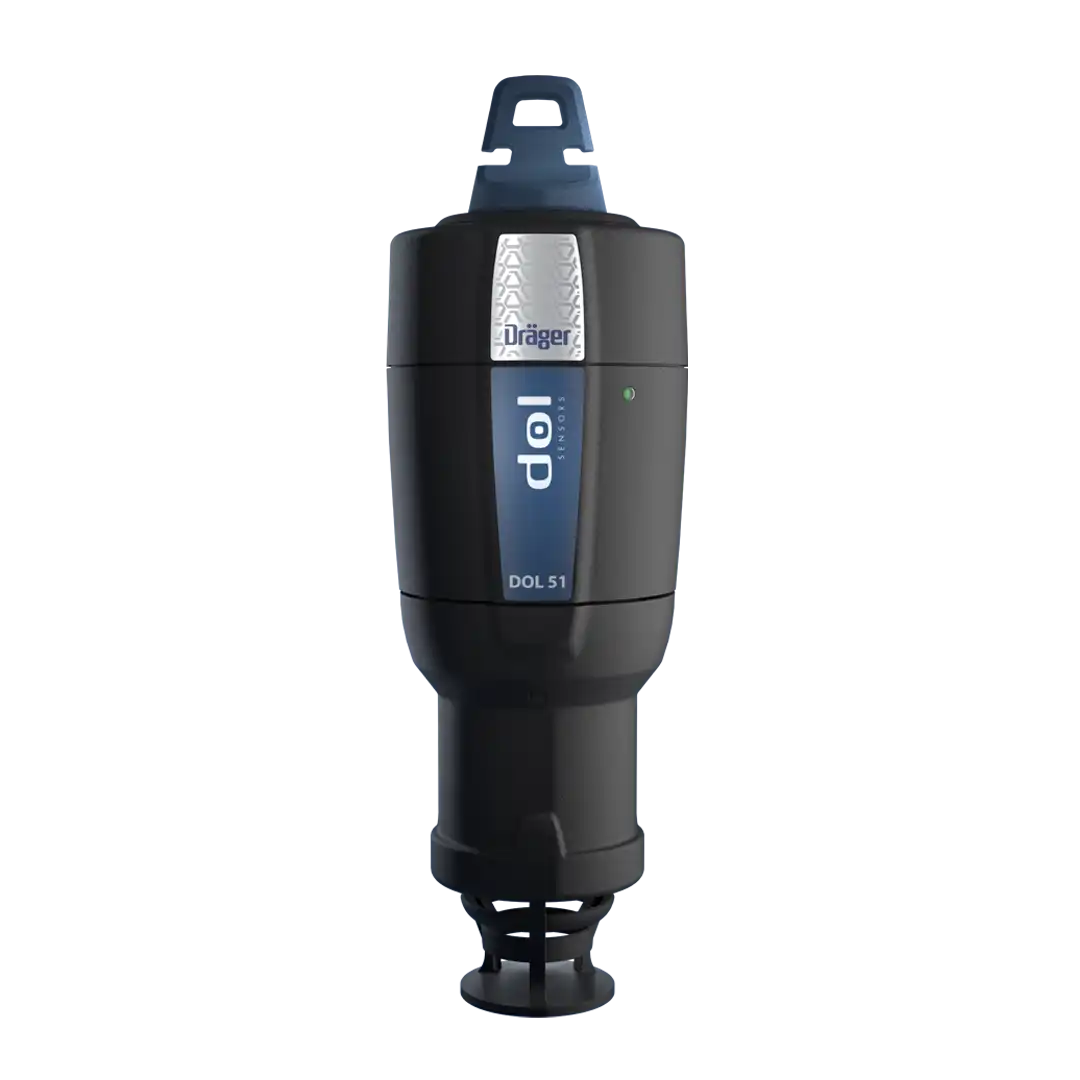

A climate control sensor is an important component of a livestock house. It helps regulate temperature and humidity levels and improve the air quality to enhance animal welfare.
Climate control sensors are used in livestock houses to maintain optimal conditions for the animals. The most common types of climate control sensors are temperature sensors, relative humidity sensors, ammonia sensors, and carbon dioxide sensors. These sensors are connected to farm controllers to regulate ventilation and heat.
What type of sensor you need depends on what you would like to monitor and what farm controller you have. dol-sensors’ climate sensors fit all farm controllers.
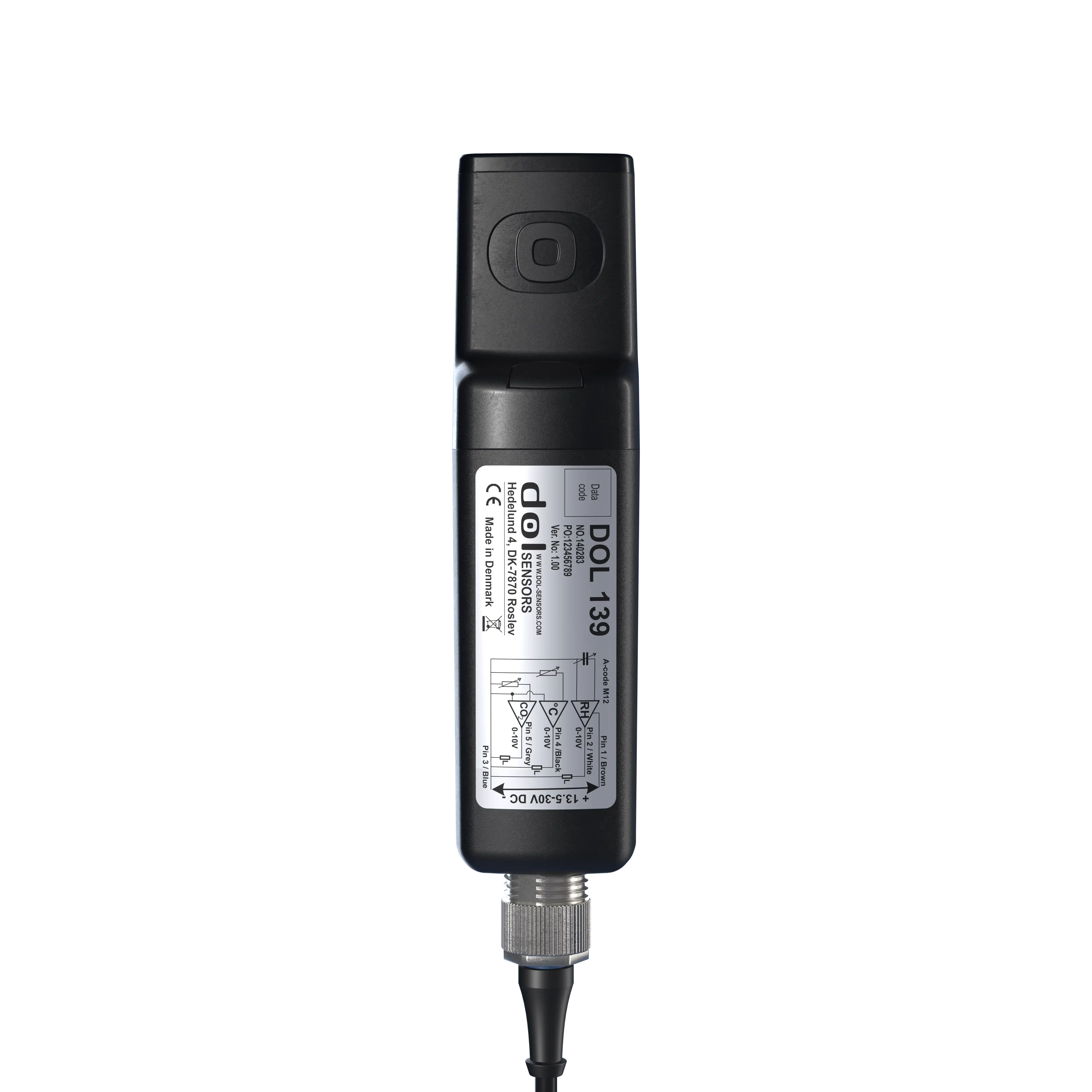
There are sensors that measure only one thing and sensors that can measure two or even three different things. For example the DOL 114 is a 2-in-1 sensor, that measures both temperature and relative humidity. DOL 139 is a 3-in-1 sensor that measures both temperature, relative humidity, and CO2.
Ask your farm management partner what sensors you will need in your livestock houses.
A climate control sensor can e.g. have a sensor element and a filter through which it measures for example humidity or temperature and an analogue output.
The sensors are connected to a farm controller that show the measurements.
dol-sensors design and produce robust climate control sensors that are specially designed for the harsh environment in livestock farming. The sensors are protected against dust, high levels of humidity and ammonia, temperature swings, and water.
In our climate control sensor range you will find:
You can read more about our climate sensors here.