
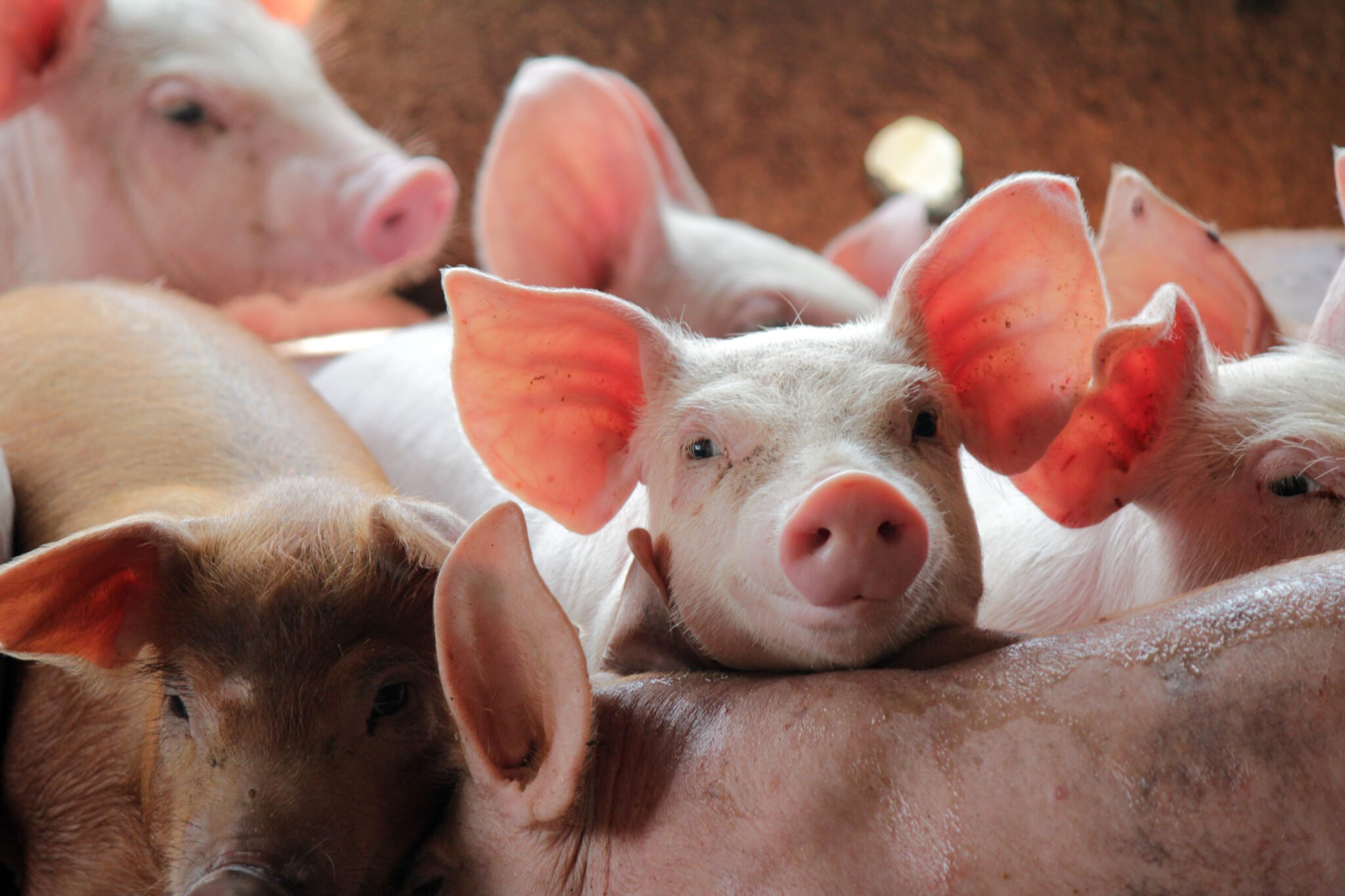
The welfare of your animals is essential to the yield and profit of your pig production. In recent years, there has been a growing recognition of the link between animal welfare and farm productivity. Farm managers who invest in better living conditions, health care, and nutrition for their pigs often see a noticeable increase in production, alongside improved quality of produce.
Animal welfare refers to the physical and mental health and well-being of animals. In pig farming, this encompasses several aspects, including housing conditions, diet, health care, and the ability to engage in natural behaviors. Good welfare practices lead to healthier animals, and healthier animals are more productive. They grow faster, have better reproductive performance, and produce higher quality meat.
Pigs raised in environments that meet their physiological and psychological needs tend to have stronger immune systems and are less susceptible to diseases. This reduces the need for antibiotics and other medications, which in turn leads to better growth rates and meat quality. Stress-free pigs, resulting from good welfare conditions, convert feed more efficiently, leading to faster growth.
The reproductive performance of pigs is significantly impacted by their welfare. Sows kept in comfortable conditions with proper nutrition and minimal stress are more likely to have successful pregnancies and healthy litters. This increases the overall productivity of the farm.
The quality of pork is directly related to the conditions in which pigs are raised. Stress and poor living conditions can lead to lower quality meat, often tougher and less flavorful. On the other hand, pigs raised in better conditions produce meat that is more tender, has better marbling, and is generally of higher quality.
Providing spacious, clean, and well-ventilated housing is crucial. Pigs need enough space to move around freely, rest comfortably, and engage in natural behaviors. Proper temperature control and adequate lighting also play a vital role in creating a stress-free environment.