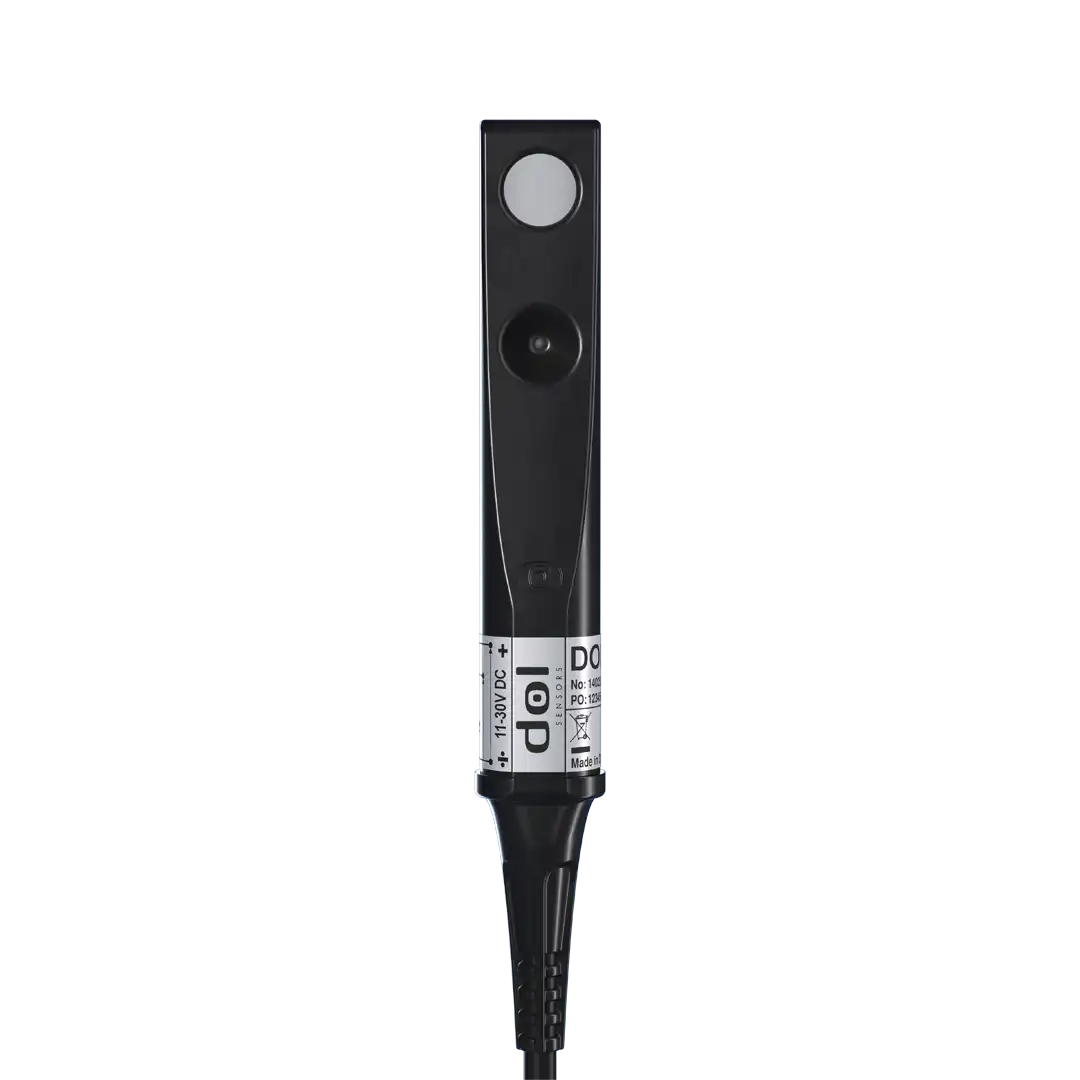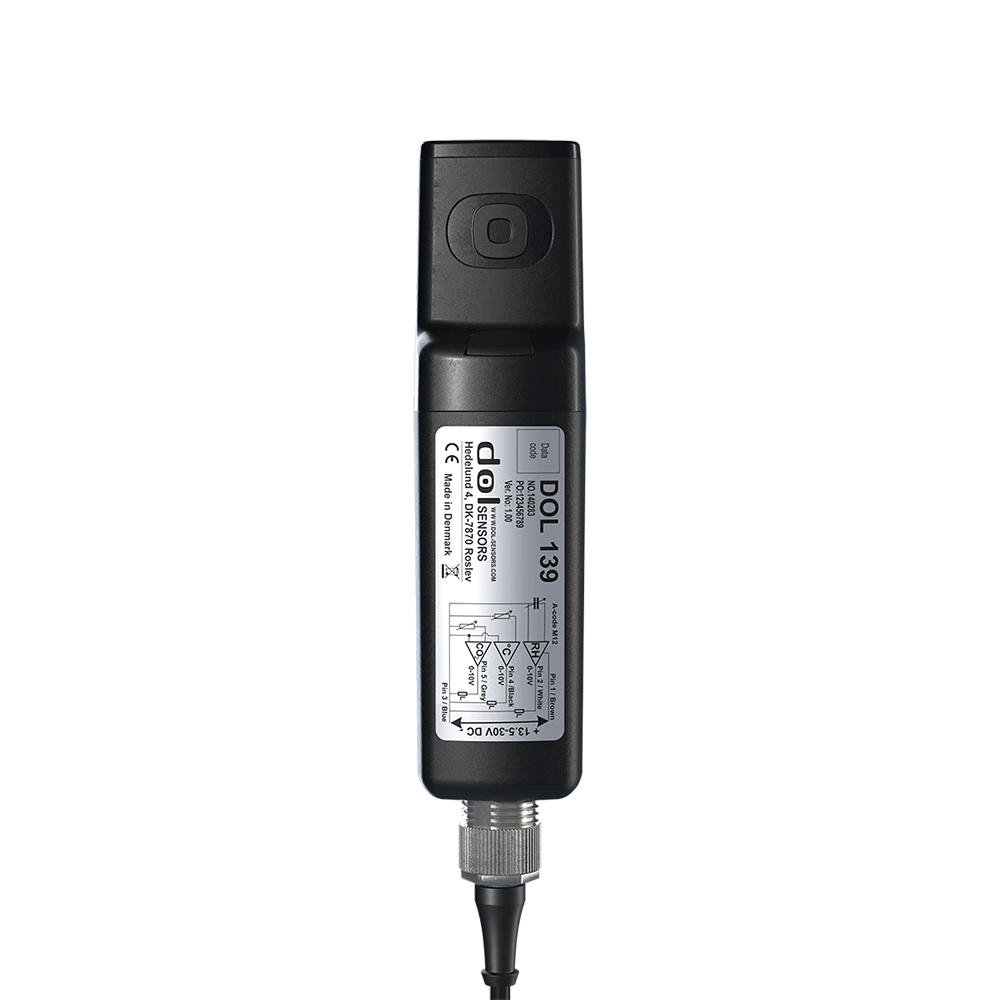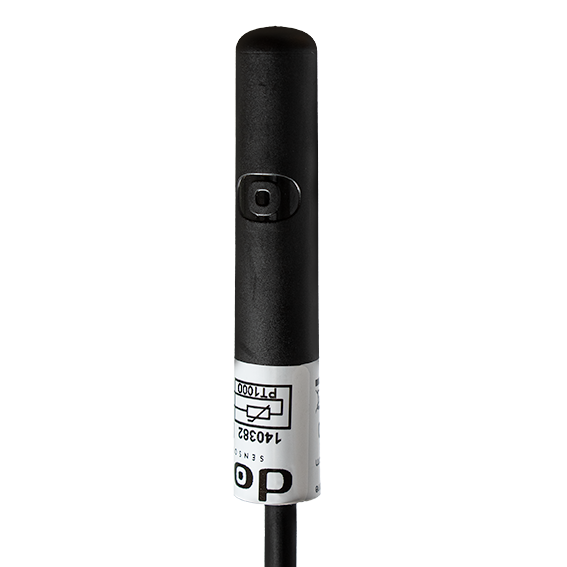
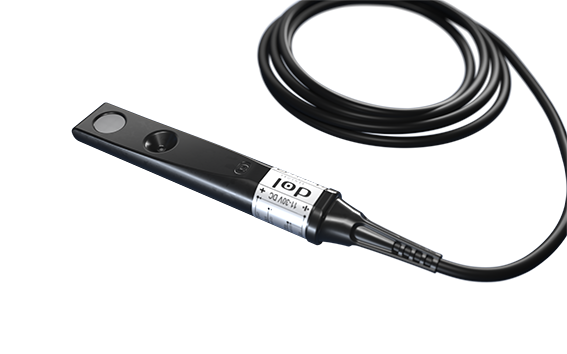
Temperature Sensors

Made for Your Livestock Houses

One of the most important things in livestock farming is that the temperature inside the house is right. Both pigs and chickens are quite volnarable when it comes to temperature fluctuations and need different room temperatures according to their age. If the temperature is too low the animals might eat more and crowd together to keep warm. If the temperature is too high the animals might feel dizzy or dehydraded, making them drink more water and eat less. This affects the FCR (Feed Consumption Rate) and thus the outcome of the production.

Why Do You Need Temperature Sensors?

Temperature is vital to agricultural production and animal welfare. Temperature sensors are placed inside livestock houses to measure the temperature. They are used by farmers and farm managers to keep track of the temperature and make sure the animals stay comfortable and do not overheat or freeze. Connecting temperature sensors to the farm controller makes it possible to automatically adjust the ventilation accordingly. In this way, an optimum climate is ensured with the lowest energy costs posible.

Which Type of Temperature Sensor Should You Choose?

When monitoring the climate in livestock houses, it is essential that the sensors you choose gives you accurate measurements and have a long lifetime. A high-quality sensor is designed to with-stand the harch environment in the farm building where high humidity, and high levels of dust, ammonia, and CO2 will affect the sensor. The sensor should be realiable and still work accurately after years of impact from the surrounding environment.

Reliable measurements are essential to ensure the optimum climate and avoid high temperature swings causing higher mortality.

Reliable Monitoring
Monitor barn temperatures accurately and maintain stable conditions that support animal welfare and performance.

Temperature Sensors for Harsch Environments

All of our sensors are specially designed for the harsh environment in livestock houses. They are IP67 protected which means that they are protected against dust and high humidity. The DOL 114 and DOL 139 sensors even with-stands high-pressure cleaning when using the protection cap on the cable.

We have innovated, designed, and produced different temperature sensors:

In our product range of temperature sensors, you will also find more simple solutions such as:

Where Do You Buy Temperature Sensors?

You can buy temperature sensors for agriculture all over the world with one of our local dealers.
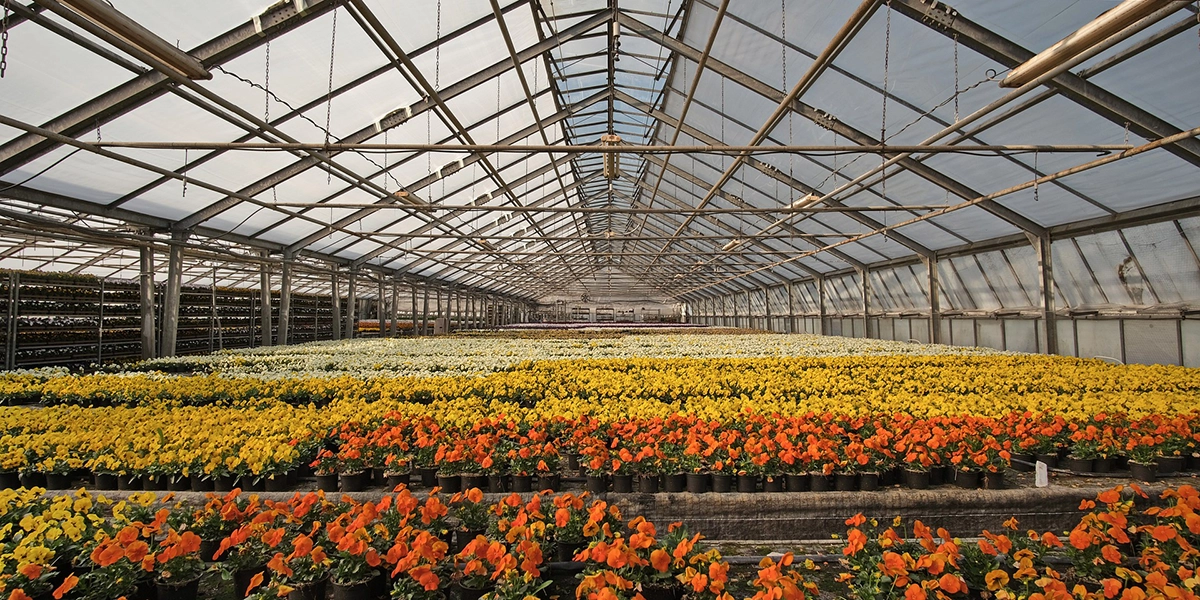

Automatic Climate Control In Greenhouses Increases Yield
Learn how continuous monitoring helps producers identify developing production challenges through changes in water consumption, growth performance and other key production indicators.

Automatic climate control in greenhouses has been shown to significantly increase production by creating a more optimal growing environment for plants.

Maintain Stable Temperature and Humidity

One of the primary benefits of automatic climate control is the ability to maintain a consistent temperature and humidity level within the greenhouse. This helps to reduce stress on plants and allows them to grow more efficiently, resulting in higher yields. Accurate monitoring of CO₂ levels is an important part of greenhouse climate management and can help optimize plant growth and yield.

Learn more about agricultural CO₂ sensors.

Using accurate temperature and humidity sensors such as DOL 104 and DOL 114 in connection with a controller that regulates the climate system automatically will help you getting the optimum climate in your greenhouse.

Optimize Light and CO₂ Levels

In addition to temperature and humidity control, automatic climate control systems can also be used to regulate the amount of light that plants receive with use of e.g. DOL 16 light sensor, as well as the levels of CO2 (e.g. with DOL 119 or DOL 139)and other gases in the air. By optimizing these factors, farmers can create a more conducive environment for plant growth and increase production.

ATEX Sensor
Learn how continuous monitoring helps producers identify developing production challenges through changes in water consumption, growth performance and other key production indicators.

What Is an ATEX Sensor?

The use of technology in agriculture has greatly advanced in recent years, resulting in increased efficiency, improved yields, and reduced labor costs. One area where technological advancements have made a significant impact is in the use of sensors to monitor and control various aspects of farming operations. Among the latest innovations in this area are capacitive sensors, which have been approved by ATEX for use in agriculture; so-called ATEX sensors.

Understanding the ATEX Directive

ATEX (ATmosphères EXplosibles) is a European Union directive that sets out the requirements for equipment used in potentially explosive atmospheres. The directive aims to ensure that equipment used in such environments is designed and manufactured to prevent explosions and limit their impact on the surrounding area.

How Capacitive Sensors Work

Capacitive sensors are sensors that measures changes in capacitance, which is the ability of a material to store an electric charge. In agriculture, capacitive sensors are used for general detection of feed, grain, and solids among other things. A capacitive relay sensor is typically used as empty, full, and level indicator in tanks, silos, and containers during the emtying and filling process.

Why ATEX Approval Matters

ATEX approval of capacitive sensors for use in agriculture is significant because it means that these sensors meet the safety standards required for use in potentially explosive environments. This is particularly important in the case of installation where dust poses an imminent explosion risk classified according to Zone 20 and 21. Examples of this kind of environment could be in broiler houses or in flour production.

The image here shows iDOL 46 ATEX Proximity Sensor mounted.

Customized Sensor Solutions
Learn how continuous monitoring helps producers identify developing production challenges through changes in water consumption, growth performance and other key production indicators.

Every agricultural and industrial operation has its own unique challenges, workflows, and performance targets. At dol-sensors, we understand that every farm and industry has its own needs and therefor aim at providing unparalleled customer experiences. With a commitment to providing customized sensor solutions, we offer a wide range of sensors that can be tailored to meet the specific requirements of our customers.

Our mission is to deliver reliable, precise, and user-focused sensor technologies that help customers optimize production, improve animal welfare, reduce waste, and streamline daily operations. Whether you are upgrading an existing system or designing a completely new setup, our engineering team works closely with you to ensure the final solution fits seamlessly into your application.

Get A Customized Offer

To get an offer that suits your needs, please contact our Global Sales Manager.

Jan Jensen
Global Sales Manager

Ext.: +45 72 17 58 49
Mobile: +45 52 13 58 49
Email: [email protected]

Not Long From Idea to Finished Product

One of the key advantages of our company is the ability to customize our products. We innovate, design, and produce our sensor solutions at the same facility, which means that there is not long from idea to finished product.

Selected Sensors

Documents

English
Technical Information
DOL 139_Technical Information_EN
English
Technical Information
DOL 12 Technical Information_EN
English
Technical Information
DOL 10 Technical Information_EN
English
Leaflet
Climate Brochure
English
Leaflet
Corporate Brochure Poultry
English
Leaflet
DOL 114 Humidity and Temperature Sensor_Onepager
English
Leaflet
DOL 139 Humidity, Temperature and CO2 Sensor
English
Technical Information
DOL 114_Technical Information_EN
English
Leaflet
DOL 112 Temperature Sensor Onepager
English
Technical Information
DOL 112 NTC Technical Information
English
Technical Information
DOL 13 Technical Information_EN

Join our newsletter

Stay ahead in livestock production.

Join our newsletter and get industry insights, expert perspectives, and practical strategies for optimizing performance and efficiency.